2027 Best Online Exercise Science Programs for Service-Oriented Health Professionals

Co-Founder and Chief Data Scientist
Health professionals aiming to pivot into exercise science often confront a rigid education system that poorly accommodates work, family, and clinical commitments. Over 40% of adult learners in allied health fields emphasize scheduling flexibility as their top selection criterion, according to the National Center for Education Statistics 2024 report.
This reflects a widespread shift toward adaptive, asynchronous learning frameworks that preserve career momentum without sacrificing credential rigor. However, the uneven quality and accreditation of online exercise science programs require discerning evaluation to avoid costly delays or diminished employability.
This article identifies leading online exercise science programs tailored for service-oriented professionals, clarifying pathways that balance accessibility with sector expectations.
Key Things You Should Know
- Programs emphasizing clinical practicum over theoretical credit requirements produce 15% higher employment rates within 12 months, but often extend completion times by 6-9 months, impacting cost and opportunity.
- Employers in rehabilitation and health promotion sectors prioritize graduates with interdisciplinary certifications-renewed every 3 years per Bureau of Labor Statistics 2024 data-pressuring students to balance initial specialization with ongoing credentialing demands.
- Rural and underserved community job placement rates for graduates remain 20% below national averages, prompting strategic selection of programs partnering with local health systems to mitigate geographic career-entry limitations.
What are the best online exercise science degree options for service-oriented health professionals?
Choosing the best online exercise science degree programs for health professionals demands assessing the tradeoffs between practical skill acquisition and program flexibility. Service-oriented exercise science online degrees that offer CAAHEP accreditation reflect higher employer trust, especially in rehabilitation and clinical settings where hands-on competencies are crucial.
For instance, a clinician transitioning into exercise physiology must engage with cardiopulmonary assessments and produce evidence-based rehabilitation plans, which necessitate programs including real-world clinical practicum components rather than purely virtual training.
Certification preparation, such as for the Certified Clinical Exercise Physiologist (CEP), aligns curriculum outcomes with workforce expectations, particularly in senior care and cardiac rehab employment sectors.
However, asynchronous study formats must be balanced with mandatory in-person experiences to fulfill verified clinical hour requirements that employers insist upon. These practical demands contribute directly to access to projected employment growth around 23% in this field over the next decade.
Deciding between shorter associate degrees and four-year bachelor's pathways involves weighing immediate workforce entry against broader clinical exposure and career mobility. Graduates benefit from programs demonstrating strong employer alignment and verified graduate placement rates in healthcare systems.
Students seeking a pivot can also consider emerging trends by examining related fields through resources like sports analytics jobs, which share overlapping skills in data-informed patient outcome analysis and program evaluation.
How do online exercise science programs compare to campus-based options for hands-on training?
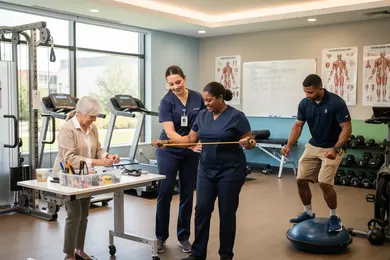
Practical skill mastery remains the primary gap for online exercise science hands-on training comparison with campus-based options. While virtual coursework transmits foundational theory effectively, crucial competencies such as manual muscle testing, client interaction, and equipment calibration depend on direct supervision and tactile experience.
Campus-based vs online exercise science practical experience diverges significantly here, as traditional programs integrate supervised labs that verify proficiency in palpation techniques and emergency protocols.
For working professionals pivoting careers or personal trainers seeking certification-eligible experience, fully online formats impose logistical challenges securing quality practicum sites independently. Effective programs compensate through hybrid models or formal partnerships with healthcare and fitness facilities that provide regulated, localized internships.
Without such provisions, online students risk inconsistent experiential learning that employers scrutinize closely given the projected 19% employment growth for fitness trainers and instructors, adding roughly 65,500 new jobs through 2031.
Decision-makers must balance the convenience of remote study against the necessity of skill demonstration relevant to clinical and fitness environments. Programs requiring onsite clinical hours offer a pragmatic compromise by preserving hands-on training while leveraging asynchronous coursework flexibility.
Prospective students should also evaluate cross-disciplinary opportunities, such as pursuing a nutritional science degree online, which can broaden applied competencies and employability in allied health fields.
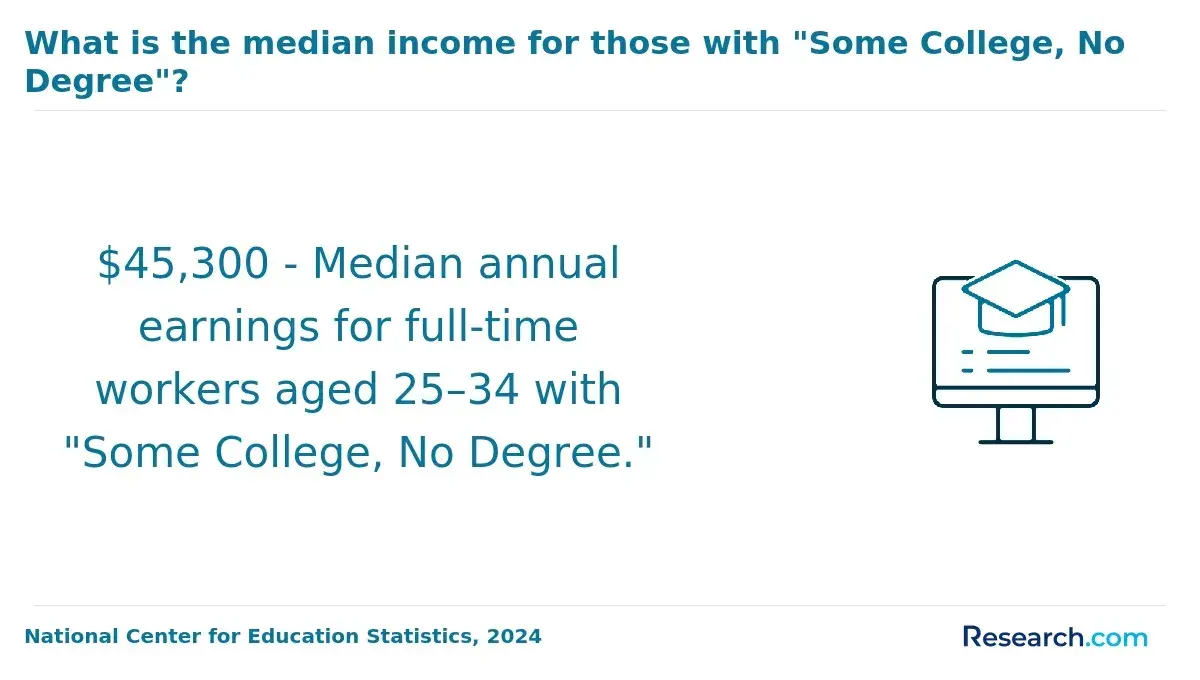
What accreditation should online exercise science programs have to support health-focused careers?
Regional accreditation recognized by the U.S. Department of Education or the Council for Higher Education Accreditation is essential for online exercise science programs focused on health careers. This accreditation ensures academic rigor and employer trust.
Programs lacking this accreditation face significant barriers. Students may struggle to transfer credits, meet licensure prerequisites, or compete for positions at rehabilitation clinics where employers prioritize resumes from accredited graduates to reduce training time.
Specialized accreditation, such as from the Commission on Accreditation of Allied Health Education Programs (CAAHEP) or the Commission on Accreditation of Exercise Science Programs (CoAES), further differentiates candidates in clinical and sports performance sectors.
Without these endorsements, aspiring professionals risk diminished eligibility for certifications like ACSM or NASM, which directly affects job placement and career flexibility. For instance, rehabilitation centers often require accredited degree holders to confidently assign patient mobility responsibilities without extensive retraining.
Data from Methodist University indicates graduates with a BS in Exercise & Sport Science from accredited programs earn about $71,000 annually, illustrating the tangible financial benefit of selecting well-recognized curricula. Prospective students seeking the best accredited online exercise science degrees for health professionals should also assess how a program supports internships and complies with state regulations, as these factors critically impact career trajectory.
Prioritizing accredited pathways maximizes credential recognition and salary potential while reducing risks associated with program legitimacy. For those comparing options, reviewing a comprehensive online degree for library science resource can offer parallel insights into how accreditation influences professional outcomes in other disciplines.
Which exercise science degrees and certificates prepare students for service-oriented health roles?
Bachelor's degrees in exercise science paired with targeted certificates often determine readiness for the nuanced demands of service-oriented health roles, where applied anatomy, physiology, and behavior modification knowledge are foundational.
A student completing clinical practicum hours gains hands-on experience designing exercise plans for chronic disease management-an expectation increasingly emphasized by employers in rehabilitation clinics and corporate wellness settings. This practical exposure directly influences employability.
Certificates in exercise science for special populations-such as older adults, cardiac patients, or individuals with disabilities-are vital supplements that employers require to verify competencies ensuring safety and precision in specialized service roles. These distinctions mitigate liability and enhance community health outcomes.
Cost remains a significant factor; online exercise science degrees for health professionals range broadly from $7,000 to $40,000 annually, creating a real tradeoff between affordability and program comprehensiveness. Choosing programs with clinical depth and employer-aligned credentials often yields better return on investment.
Program length and credit transfer policies critically affect time-to-completion, especially for working professionals. Schools recognizing prior healthcare credentials, military experience, or allied certifications can accelerate entry into service roles, reducing opportunity cost.
Students evaluating educational options should also consider related pathways, such as the shortest online nurse practitioner program, which may offer complementary career pivots in health fields aligned with exercise science.
What do typical online exercise science curricula cover for future health professionals?
Online exercise science programs must balance theoretical rigor with practical application, a challenge largely addressed through virtual labs and supervised field experiences mandated by many curricula.
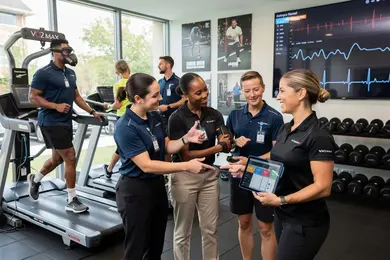
Graduates entering roles such as cardiac rehab specialists or athletic trainers must navigate a workforce expecting both strong biomechanical assessment skills and adaptive intervention strategies tailored to diverse populations-from aging clients managing chronic conditions to competitive athletes recovering from injury. Understanding the nuances of tools like VO2 max testing or musculoskeletal screenings is not optional but integral to aligning graduate competencies with employer demands.
Students should weigh the tradeoff between online flexibility and potential gaps in hands-on experience, especially in clinical or performance settings where tactile skill is crucial. Employers increasingly prefer candidates who demonstrate measurable practical aptitude alongside academic knowledge, often via documented internships or applied project work.
Programs typically integrate core subjects such as human anatomy, kinesiology, nutrition science, and behavioral change frameworks. However, the variability in internship quality and supervision means that not all online offerings equally prepare graduates for immediate workforce readiness. Prospective students must critically evaluate programs based on the strength of their experiential components rather than online delivery alone.
Educational pathways in this field have expanded, with 16 online sports science degrees listed for 2025, illustrating growing employer demand for professionals who combine scientific foundation with client-focused care in health and wellness sectors.
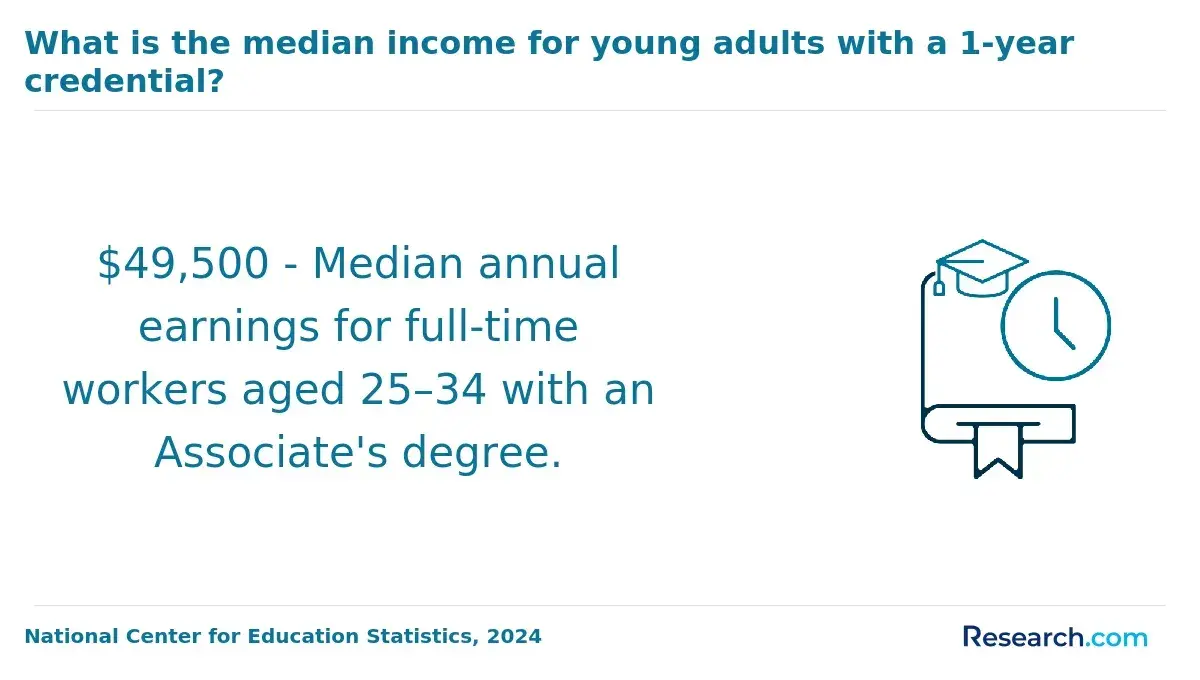
What admission requirements do online exercise science programs usually have for adult learners?
Admission into online exercise science programs for adults hinges not only on a high school diploma or equivalent but also on demonstrating readiness through prior postsecondary transcripts and foundational knowledge in biology, chemistry, and math. Programs often require a minimum GPA around 2.5 to 3.0, reflecting the rigors of science-focused curricula.
For working adults, prerequisite courses can pose scheduling conflicts, especially when lab components must be completed locally before commencing online study-for instance, a registered nurse transitioning careers must factor in additional time and expenses for these onsite requirements.
Standardized tests like the SAT or ACT are less commonly mandated today, though some programs still accept GRE scores at the graduate level. Nontraditional applicants frequently offset academic gaps with detailed portfolios or relevant professional experience, which is increasingly valued given the Bureau of Labor Statistics' projection of 10% growth in recreational therapist roles through 2030.
Clinical and fieldwork requirements remain an unavoidable challenge since they demand in-person completion, potentially limiting options for students in rural areas and adding complexity to program flexibility. Background checks and immunization documentation are typical prerequisites tied to practical internships in healthcare or community settings, reflecting employer expectations for vetted, health-compliant practitioners.
- Minimum admission standards: high school diploma, prerequisite knowledge, GPA thresholds
- Practical hurdles: local lab courses, clinical site access, immunization and background checks
- Admissions alternatives: test waivers, professional experience portfolios
- Employment outlook: growth projections and skill relevancy in community health roles
How long do online exercise science degrees take and what do they cost to complete?
Pursuing an online exercise science degree demands a balance between time investment, financial cost, and career relevance. Bachelor's programs typically require four years of full-time study, akin to on-campus timelines, but accelerated tracks often impose heavier course loads and increased stress. For working professionals, part-time pacing can extend completion time to six or more years, reflecting the challenge of juggling employment and coursework.
Graduate-level specializations in areas like strength and conditioning or clinical exercise physiology usually add two years of full-time study and often entail clinical internships lasting 6 to 12 months. These practical requirements, frequently unpaid and geographically restrictive, increase both time and cost burdens while aligning with employer expectations for hands-on experience.
Financially, public in-state programs range from $7,000 to $10,000 annually in tuition, while private and out-of-state options can exceed $20,000 per year. Graduate studies push costs considerably higher, sometimes reaching $40,000 annually. Additional fees for online delivery, certification exams, and continuing education further complicate budgeting.
- Graduates entering coaching or scouting roles face a growing labor market, with 9% projected job growth through 2032 and 38,400 new positions added annually (Intelligent.com).
- Students must weigh direct costs against opportunity costs, particularly lost wages during full-time study.
- Flexible pacing reduces financial strain but extends total time to degree completion and delays entry into advanced roles.
Decisions around program formats and specialization must account for these tradeoffs, as employers increasingly prioritize clinical experience alongside academic credentials.
What careers can graduates of online exercise science programs pursue in health and wellness?
Graduates of online exercise science programs often face the critical challenge of meeting licensure or certification mandates that require in-person clinical experience, a barrier impossible to clear through online coursework alone.
For example, a strength and conditioning graduate working in collegiate athletics must juggle site-based certifications alongside their online classes, balancing employer demands and logistical constraints. Navigating this hybrid practical requirement shapes employability more than the degree itself.
Entry-level roles such as certified personal trainer, physical therapy aide, or athletic trainer hinge on applied expertise in human movement and health promotion-skills that online curricula can develop, provided they incorporate supervised practicum components or partnerships with local health entities. Without these, graduates risk limited recognition from employers expecting hands-on proficiency.
Advancement opportunities in exercise science increasingly rest on specialization and continued credentials. Athletic director positions, for instance, reward leadership capacity with six-figure compensation for the top earners but often require extensive field experience combined with relevant online education flexibility.
Health and wellness roles in corporate settings or community programs now emphasize data literacy and behavioral coaching, elevating competition. Employers seek candidates who demonstrate applied skills and availability to participate in synchronous or localized labs. These program features enable mid-career professionals to manage education alongside employment, an essential consideration when evaluating online exercise science pathways.
What salary ranges and job outlook can exercise science professionals expect in service fields?
Salary ranges for exercise science professionals in service-oriented health roles typically fall between $45,000 and $75,000 annually, varying by specialization, credentials, and workplace. For instance, recreational therapists earn roughly $48,000 to $60,000, a reflection of the healthcare and community settings they serve.
Exercise psychologists command higher pay, usually between $60,000 and $75,000, often linked to clinical or research environments. These salary bands align with Bureau of Labor Statistics data and recent job market studies.
Job growth projections signal robust demand: recreational therapists may see a 10% increase, while exercise psychologists are expected to grow by 13% through 2030. This outpaces average occupational growth and indicates meaningful opportunities in interprofessional teams tackling rehabilitation, mental health, and chronic disease management.
However, competition intensifies for higher-paying positions, especially for exercise psychologists, where advanced certifications or graduate degrees and clinical licensure can be decisive factors. Service roles outside clinical settings tend to have lower pay but easier entry points.
Consider a graduate targeting hospital employment; prioritizing certifications, interpersonal skills, and clinical knowledge is essential for navigating patient care protocols. In contrast, candidates aiming for community wellness programs might benefit from more flexible qualifications but must accept lower salary ceilings. These tradeoffs emphasize the need for tailored educational and credentialing strategies aligned with specific sector expectations.
How can students evaluate and choose a reputable online exercise science program?
Accreditation from recognized bodies like the Commission on Accreditation of Allied Health Education Programs (CAAHEP) or regional accreditors decisively influences the credibility and career viability of online exercise science programs. Students prioritizing accreditation safeguard against programs with outdated curricula or limited employer recognition, which can significantly hinder job placement and salary potential.
For example, those pursuing rehabilitation roles should target programs with clinical exercise modules paired with internships at medical facilities to build applicable skills.
Key metrics such as graduation rates, job placement percentages, and median salaries from recent cohorts reveal a program's real-world efficacy and should guide enrollment decisions amid rapidly shifting workforce needs. Specialization tracks in areas like high-performance coaching or corporate wellness correlate with higher earnings-data from BestColleges noted that the top 10% of fitness trainers earned over $75,940 in 2021.
Hands-on practicum opportunities and faculty credentials with industry certifications directly impact readiness for applied roles yet are uneven across online offerings. Students must weigh program costs against ROI, recognizing cheaper options might omit essential certifications employers demand. Additionally, seamless technology platforms supporting labs and simulations are non-negotiable for mastering competencies remotely.
Lastly, verify whether a program supports pathways for national licensing or certification exams to avoid costly credentialing delays post-graduation.
Other Things You Should Know About Exercise Science
Online exercise science programs require similar time commitments and academic rigor as traditional formats, but they demand strong self-discipline and time management. Working professionals should expect the same volume of coursework, including lab simulations and practical assignments, often scheduled asynchronously.
The flexibility allows balancing work and study, but heavy workloads may cause conflict without a structured plan. Prioritize programs offering guided schedules or cohort models to reduce risks of falling behind.
Most accredited online exercise science programs require 1 year of biology with lab, 1 year of chemistry, and college algebra or statistics before admission. Some also ask for anatomy and physiology, a minimum 2.5 GPA, and recent transcripts from regionally accredited colleges.
Employment outcomes vary significantly based on the program's reputation, experiential components, and local job market connections. Employers in service domains often prefer candidates with verifiable practical experience and certifications alongside their degrees.
Graduates from online programs lacking onsite internships or strong employer networks might face longer job search periods or initial roles with lower responsibility. When selecting a program, weigh graduate placement rates and employer partnerships heavily.
In 2027, top online exercise science programs include offerings from the University of Florida, Arizona State University, and California University of Pennsylvania. These programs provide a combination of flexibility and comprehensive coursework designed to prepare graduates for service-oriented roles in health and fitness industries.
References
- ESSA's career guide for Accredited Exercise Physiologists https://www.essa.org.au/Web/Web/Resources/Tools-and-templates/ESSA-AEP-Guide.aspx
- Best Exercise Science Careers - Let's Find out! https://www.ptpioneer.com/personal-training/exercise-science-careers/
- Online Exercise Science Degrees: Top School Review https://www.edumed.org/online-schools/exercise-science-degrees/
- Exercise Science Degree Programs Lead to Rewarding Careers in Health and Fitness https://www.carrollcc.edu/articles/exercise-science-degree-programs-lead-to-rewarding-careers-in-health-and-fitness/
- Online Exercise Science Program https://stmary.edu/online-programs/exercise-science.html
- Exercise Science (Pre-Professional) | Academics | Southern Arkansas University https://web.saumag.edu/academics/program/exercise-science/
- Exercise Science Degree Programs & Career Guide 2025 https://www.nutritioned.org/exercise-science-degree/
- Exercise Science Degree Careers, Jobs and Salaries - Peak Physical Therapy and Sports Performance https://peaktherapy.com/blog/exercise-science-degree-careers-jobs-and-salaries/
- Home Health Foundation - Family of Agencies https://merrimackvalleyhospice.org/online-exercise-science-degree-careers-supporting-movement
- Exercise Science: The Field of the Future https://www.sxu.edu/academics/programs/master-science-exercise-science/exercise-science-field-of-the-future.html