2027 Best Online Exercise Science Programs for Professionals Seeking Strength and Conditioning Careers

Co-Founder and Chief Data Scientist
Pursuing advanced qualifications in exercise science while managing a demanding work schedule leaves many professionals stuck between career advancement and immediate financial responsibilities. This tension intensifies as the U. S. Bureau of Labor Statistics projects a 12% growth in strength and conditioning specialist roles through 2032, urging many to upskill quickly and flexibly. Yet, rigid traditional programs often clash with the realities of adult learners balancing work and personal lives, restricting timely credential attainment. Meanwhile, 2024 data from the National Center for Education Statistics shows a 7% enrollment increase in fully online health sciences degrees, signaling a decisive shift toward accessible learning models. This article evaluates top online exercise science programs tailored for aspiring strength and conditioning professionals, focusing on flexible, career-aligned pathways that navigate practical constraints and workforce demands effectively.
Key Things You Should Know
- Recent BLS data shows a 15% job growth for strength and conditioning specialists by 2030, stressing that programs emphasizing certified professional standards yield 25% higher employer placement rates.
- Programs prioritizing practical internships over purely theoretical curricula reduce graduate underemployment by 18%, signaling a critical divergence in workforce readiness influencing hiring preferences in collegiate and professional sports.
- Median net tuition rising 22% since 2020 limits access to top-tier online exercise science programs, forcing many candidates to balance extended timelines against employer demand for immediate credentialing.
What are the best online exercise science programs for strength and conditioning careers?
Employers hiring for strength and conditioning positions prioritize candidates who combine accredited curricula with recognized certifications like the National Strength and Conditioning Association (NSCA) or Collegiate Strength and Conditioning Coaches Association (CSCCa). Selecting from the best online exercise science programs for strength and conditioning professionals means focusing on those that balance rigorous academics with practical, hands-on training components-often a critical differentiator for employability.
Cost remains a factor, with median online tuition for a bachelor's degree in exercise science around $14,688 annually. Programs priced between $10,000 and $20,000 usually offer better return on investment if they include employer networking or internships. For example, working professionals opting for lower-cost programs without cooperative education risk missing essential real-world experience, limiting access to collegiate or professional athletic roles.
The top accredited online exercise science degrees for strength and conditioning careers explicitly address experiential learning gaps by incorporating synchronous labs or local practicum partnerships. Candidates should verify availability of in-person clinical hours, especially when targeting hospital rehab or elite athletic performance roles that demand precise application of assessment and training protocols.
Prospective students can review detailed program comparisons and employment outcomes at best kinesiology programs to ensure alignment with industry standards and practical skill mastery.
Are online exercise science degrees accredited and reputable?
Accreditation from regionally recognized bodies such as the Higher Learning Commission or the Southern Association of Colleges and Schools is the fundamental filter for evaluating online exercise science degree accreditation. Without it, graduates may encounter significant obstacles obtaining certifications like the CSCS (Certified Strength and Conditioning Specialist) or securing employment in settings that require validated educational standards. This distinction is pivotal for professionals pursuing strength and conditioning roles that demand documented proof of rigorous academic preparation.
Employment trends reinforce the strategic necessity of accredited programs: fitness trainer and instructor roles are projected to grow 39% from 2020 to 2030, far exceeding average occupational expansion. Employers prioritize candidates from reputable online exercise science programs for professionals, viewing recognized credentials as assurance of applicable expertise.
However, students must critically assess program design in relation to state licensing and certification prerequisites. Many public universities offering online coursework incorporate mandatory in-person labs or internships to satisfy hands-on skill requirements-components crucial for clinical or applied roles. Purely online programs lacking these elements risk delivering theoretical knowledge insufficient for practical competence and professional credentialing.
Those needing flexible schedules should explore hybrid models that partner with local facilities to fulfill experiential components. Ignoring these practical demands can limit employability, regardless of the degree's title or nominal rigor.
Prospective students evaluating exercise science pathways should also review competitive options by examining sports degrees online to understand different program structures and outcomes within the broader fitness education landscape.
What should a strength and conditioning program include?
A strength and conditioning program curriculum for professionals must extend beyond theoretical frameworks to emphasize applied anatomy, kinesiology, and biomechanics integrated into data-driven program design. Practical skills in movement screening, neuromuscular testing, and individualized periodization models that adjust volume and intensity to sport-specific demands define effective training. For example, a strength coach working with collegiate football athletes needs a nuanced grasp of energy systems to balance hypertrophy and power development, while rehabilitation therapists require expertise in contraindications and therapeutic exercise progression.
Key components of an effective strength and conditioning program include hands-on clinical placements that translate scientific assessment into measurable outcomes, a factor heavily weighted by employers. Omitting this practical dimension risks reduced employability in competitive environments where quantifiable athlete performance directly impacts funding and retention. Such selective readiness correlates strongly with salary ranges, as reported by BestColleges, with exercise physiologists earning an average of $54,020 annually and advanced specialists commanding higher compensation.
Program selection should consider access to certification preparation, interprofessional collaboration opportunities, and curricula covering injury pathology, nutrition, and psychological adherence to training. This comprehensive approach addresses logistical barriers while fostering expertise aligned with evolving regulatory standards. Prospective students might also explore options offered by various online MLIS programs to complement their academic portfolio and broaden career versatility in allied fields. Resources like online MLIS programs provide additional pathways for academic advancement within a strategic career framework.
Which exercise science curriculum prepares you for coaching roles?
Employers hiring for strength and conditioning coaching roles prioritize candidates who combine rigorous applied coursework with validated practical experience, not merely theoretical knowledge. The best online exercise science programs for strength and conditioning coaching embed advanced anatomy, kinesiology, exercise physiology, biomechanics, and specialized strength training methods with supervised internships or practicums. These real-world components are critical for developing skills employers demand, such as movement analysis, injury prevention, and performance optimization.
For example, programs that require internships with NCAA teams or collaboration with certified strength coaches produce graduates ready to navigate competitive sports environments. Conversely, online exercise science curricula lacking practical training leave students dependent on external certifications like CSCS, which delay entry into the workforce and increase costs.
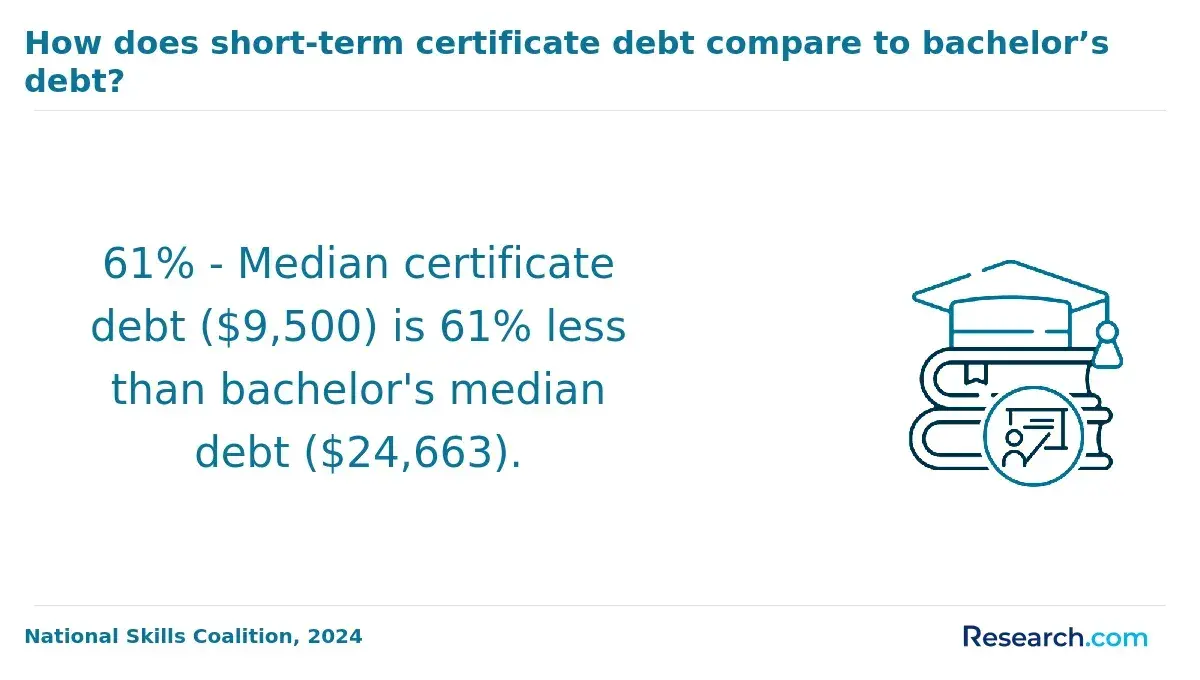
Financial considerations must also factor into program selection. Annual tuition for online sport and exercise science bachelor's degrees ranges widely, from $7,000 to $40,000, with practical programs under $25,000 offering better return on investment. Graduates who overspend on broad or theoretical-only programs risk excessive debt without immediate job-ready skills.
Decision-making should also consider faculty expertise and program accreditation. Balancing these factors alongside budget and curriculum rigor shapes outcomes. Those seeking a strategic career pivot might explore options like accelerated MSN psychiatric NP programs as alternative pathways for workforce entry beyond traditional exercise science tracks.
What admission requirements do online exercise science programs have?
Admission to online exercise science programs often hinges on more than just a high school diploma or GED, with many institutions requiring prerequisite coursework in biology, anatomy, and physiology to ensure a baseline scientific competence. Applicants lacking these foundations may face extended timelines due to remedial demands, impacting both cost and time to degree. This gatekeeping measure particularly affects candidates targeting strength and conditioning roles, where academic rigor is scrutinized.
Employers and admissions panels frequently expect demonstration of relevant academic preparation through transcripts and a minimum GPA, typically between 2.5 and 3.0. Standardized tests may be optional but are occasionally reviewed for competitive programs. For career changers, documented professional experience in fitness or rehabilitation can offset some academic shortcomings, though science prerequisites remain a common barrier.
Key logistical considerations include the necessity of lab or clinical access, which challenges students pursuing fully remote pathways and requires local arrangements or hybrid formats. From a workforce perspective, accredited degrees that meet these admission standards remain a priority for employers, emphasizing the need for upfront academic and experiential preparation.
Projected job growth of approximately 10% for recreational therapists signals expanding demand for exercise science graduates within therapeutic and rehabilitation roles, extending beyond traditional personal training. Programs must therefore balance scientific depth with practical readiness to meet these diverse career pathways.
How long does an online exercise science degree take?
Choosing an online exercise science degree involves balancing compressed timelines against practical training demands and employer expectations. Although accelerated programs can condense study to as little as two years, they often require intensive weekly commitments that challenge work-life balance and reduce opportunities for hands-on practicum experiences essential for strength and conditioning roles. Traditional four-year tracks align better with employer preferences for comprehensive, well-rounded candidates but extend financial and time investment.
Working professionals frequently opt for part-time enrollment, which may stretch degree completion beyond five years. This flexibility supports workforce continuity but can delay re-entry into higher-paying roles. Scheduling conflicts arise when clinical or internship components, often mandatory, are unavailable asynchronously, potentially pushing back graduation.
Financially, the average annual tuition for these programs is approximately $14,688, so longer durations increase total cost but provide more extensive preparation. Conversely, shorter programs reduce tuition but might limit experiential learning, which is valued by hiring managers focused on practical competency.
How much do online exercise science programs cost?
Cost variability in online exercise science bachelor's programs fundamentally stems from differences in institution type, residency status, and program design, shaping both affordability and long-term value. Public universities generally offer in-state tuition between $10,000 and $20,000, while private nonprofits can exceed $30,000 to $40,000, often justified by incorporating lab components and supervised clinical experiences through local or on-campus residencies. This hybrid format, while more expensive, tends to align better with employer demands for applied competency.
Students employed full-time in strength and conditioning roles must consider indirect expenses such as technology fees, biomechanics software, and onsite practical requirements. These can add $1,000 to $3,000 annually, which many programs do not prominently advertise upfront. Selecting a curriculum accredited by recognized bodies like the National Strength and Conditioning Association increases the likelihood of meeting workforce standards and easing certification pathways.
Employers prioritize candidates demonstrating practical experience and selective program completion over purely low tuition costs. Those investing in hybrid or synchronous learning models with hands-on components often achieve smoother transitions into specialized roles in clinical, collegiate, or professional sports settings. By contrast, fully asynchronous programs may limit opportunities for skill validation during hiring processes, potentially extending job search timeframes.
Prospective students should evaluate how program structure and cost interact with their work schedule, career goals, and geographic constraints to realistically assess returns on investment across different educational pathways.
What careers can you pursue with exercise science training?
Securing a position in strength and conditioning or rehabilitation frequently requires more than foundational knowledge in exercise science; employers prioritize advanced degrees combined with certifications such as CSCS. For instance, strength and conditioning specialists in collegiate sports need to apply biomechanics and physiology at a sophisticated level to enhance athlete performance, which often necessitates a master's degree. Online master's programs vary significantly in cost-from $7,710 to $24,840 annually-forcing candidates to weigh affordability against credential robustness.
Graduates working in rehabilitation clinics contribute by creating targeted training plans to support physical therapy, yet they often encounter the practical challenge of balancing unpaid internships and certification fees, which can delay or complicate career entry. Wellness coordinators within corporations leverage exercise science to reduce injury rates, but without practical applied training and licensure pathways, upward mobility remains limited.
Professionals seeking roles explicitly focused on strength and conditioning should prioritize programs offering clear credential pipelines that combine rigorous academics with real-world certifications. Those bypassing graduate education risk slower career progression in high-performance environments. Evaluating educational options through the lens of tuition variability, hands-on learning components, and employer expectations provides a clearer perspective on return on investment and long-term career sustainability.
What salaries do strength and conditioning jobs pay?
Salary benchmarks for strength and conditioning professionals reflect a clear divide between credentialed and non-credentialed practitioners. Entry-level trainers in high school athletics often begin near $40,000, while those with certifications such as NSCA or ACE, working in collegiate or private sports performance settings, regularly surpass $65,000 annually. This gap is not only a function of credentialing but also practical experience and specialty skills like biomechanics or rehabilitation.
Employers expect candidates to couple exercise science degrees with recognized certifications to meet both competency expectations and legal compliance related to injury prevention. Without these credentials, salaries typically plateau under $45,000. For professions linked to physical therapy clinics or military programs, additional expertise in applied biomechanics or rehabilitation can enhance compensation beyond base ranges.
Geographic and organizational factors further influence earnings, with metropolitan areas housing pro sports franchises or elite collegiate programs offering superior pay compared to community or high school roles. Job candidates who diversify skills in strength assessment, periodization, and injury risk management can access higher salary tiers and more competitive roles.
In practice, investing in specialized certifications aligned with exercise science coursework is less about credential accumulation and more about meeting market-driven requirements that unlock tangible salary gains and workplace opportunities.
Which certifications help strength and conditioning graduates?
Employers in collegiate and professional sports programs prioritize Certified Strength and Conditioning Specialist (CSCS) certification because it confirms the practitioner's ability to design and implement evidence-based resistance training and conditioning protocols. For a graduate targeting roles such as military fitness units or private training facilities, CSCS is often a baseline hiring requirement. However, its demanding prerequisites-including a bachelor's degree and a challenging exam-mean students must weigh the upfront investment and ongoing renewal against potential long-term career mobility and salary benefits.
In contrast, Certified Personal Trainer (CPT) credentials offered by bodies like the American College of Sports Medicine (ACSM) or National Academy of Sports Medicine (NASM) open pathways primarily within commercial fitness centers and rehabilitation settings. These certifications come with fewer barriers but typically target broader, less specialized roles.
Specialized certifications such as those from USA Weightlifting (USAW) appeal to candidates focusing on Olympic lifting or powerlifting techniques, often leading to niche coaching positions that command higher pay within competitive lifting communities.
Pragmatically, a combined credential strategy improves employability. With fitness trainer jobs expected to grow 39% through 2030-significantly outpacing average growth in exercise science-related fields-holding multiple reputable certifications differentiates candidates navigating a competitive labor market.
Other Things You Should Know About Exercise Science
Balancing full-time work with an online exercise science program is possible but demands careful time management. Programs with asynchronous coursework offer more flexibility, allowing professionals to study during non-working hours. However, students should expect periodic synchronous sessions or practicums that require fixed appointments, potentially conflicting with rigid work schedules. Prioritize programs that clearly outline clinical or lab requirements upfront to avoid unexpected time conflicts.
Look for regional accreditation plus programmatic recognition from the Commission on Accreditation of Allied Health Education Programs, or CAAHEP, through the Committee on Accreditation for the Exercise Sciences. For strength and conditioning roles, employer trust is strongest when the degree comes from an accredited institution and the curriculum aligns with NSCA standards.
Recognition depends on program rigor and affiliation with established accrediting bodies. Employers in strength and conditioning commonly require degrees from institutions that meet academic and professional standards, especially those aligned with certification prerequisites. Degrees lacking alignment with industry-recognized frameworks often diminish employment prospects. Focus on programs that enable or streamline access to certification exams valued by employers.
References
- Online Exercise Science Program https://stmary.edu/online-programs/exercise-science.html
- Top 20 Careers With a Master’s in Exercise Science | PLNU https://www.pointloma.edu/resources/health-sciences/top-20-careers-masters-exercise-science
- CSCS Certification | Certified Strength & Conditioning Specialist https://www.nsca.com/certification/cscs/
- Get Strength and Conditioning Certified | ISSA https://www.issaonline.com/products/strength-and-conditioning
- Strength and Conditioning Coach Salary Guide [Updated] https://traineracademy.org/blog/strength-and-conditioning-coach-salary/
- What Jobs Do You Get From a Sport and Exercise Science Course? https://blog.portobelloinstitute.com/what-jobs-do-you-get-from-a-sport-and-exercise-science-course
- 16-week strength training plan for runners https://www.runnersworld.com/uk/training/cross-training/a28397555/strength-training-plan-marathon-runners/
- Strength and Conditioning Training : Exercises & Programs https://www.360sp.com.au/blog/strength-and-conditioning-training-guide
- Strength and Conditioning Graduate Certificate https://www.gcsu.edu/health/shhp/strength-and-conditioning-graduate-certificate
- Fitness training: Elements of a well-rounded routine - Mayo Clinic https://www.mayoclinic.org/healthy-lifestyle/fitness/in-depth/fitness-training/art-20044792