2027 Best Online Bachelor's in Exercise Science for Clinical Exercise Career Paths

Co-Founder and Chief Data Scientist
Clinicians pursuing advancement in clinical exercise careers often confront the challenge of balancing rigorous professional demands with educational requirements. Traditional programs seldom accommodate fluctuating work schedules, limiting timely credentialing or specialization. According to the National Center for Education Statistics, online enrollment among adult learners increased by over 20% since 2023, reflecting a crucial shift toward flexible, accessible professional education.
This trend signals employer and student preferences for programs that allow uninterrupted career progression while gaining relevant credentials. This article evaluates fully online bachelor's in exercise science options tailored for clinical pathways, focusing on program flexibility, accreditation, and alignment with workforce expectations to guide informed decisions.
Key Things You Should Know
- Online bachelor's in exercise science reduces geographic barriers but data from the National Center for Education Statistics shows 42% of programs underdeliver hands-on clinical skills vital for entry-level clinical exercise testing roles, risking employer hesitancy.
- The Bureau of Labor Statistics reports a 10% growth in clinical exercise physiology jobs by 2030; employers now prioritize candidates with verified practicum hours, intensifying pressure on programs with limited clinical partnerships.
- Median debt for online graduates in exercise science reaches $28,000 according to the College Board, compelling candidates to weigh cost-efficiency against credential distinctiveness when targeting advanced clinical certifications or roles.
What is an online bachelor's in exercise science focused on clinical exercise careers?
Online bachelor's degrees in exercise science for clinical careers equip students with skills to create and monitor exercise regimens targeting chronic disease management, yet they rarely grant immediate autonomy in clinical settings. Graduates commonly assist licensed practitioners rather than lead care, reflecting employer preferences for candidates with certifications or advanced degrees.
For example, a typical clinical setting prioritizes supervised experience-without which employability in hospitals or rehab clinics diminishes.
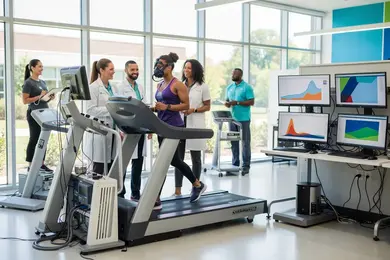
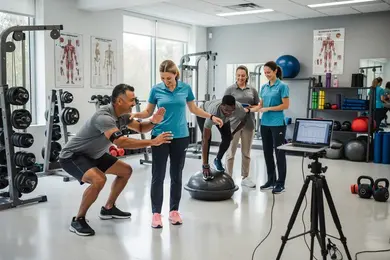
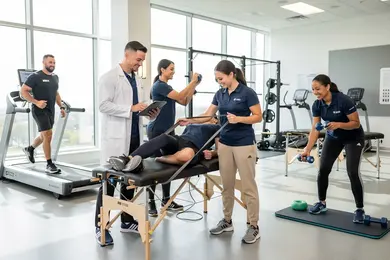
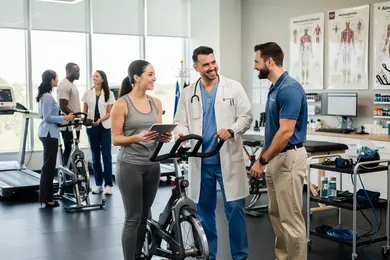
Programs generally cover clinical assessment, therapeutic exercise, and health behavior alongside practicum requirements. However, virtual delivery often limits direct hands-on training, a critical tradeoff prospective students must consider.
Accreditation and clinical placement support become decisive factors, as insufficient practicum access can delay licensure or employment. Those targeting clinical exercise physiologist roles should anticipate additional certification or graduate study demands.
Cost structures vary widely, with tuition ranging from $250 to $650 per credit hour, necessitating careful weighing of financial investment against likely job market outcomes. Clinically focused programs emphasize physiology and pathology but must be paired with real-world experience to fulfill regulatory standards. This reality shapes clinical exercise career paths with an online exercise science degree, where credentials alone do not guarantee access to preferred roles.
For individuals aiming beyond entry-level roles, pathways may include pursuing a master's degree or certification programs like ACSM. Navigating these requirements alongside clinical placement complexities defines the professional landscape. Meanwhile, those evaluating related directions might examine athletic director jobs for alternative opportunities involving exercise science expertise outside clinical confines.
How does an online exercise science degree compare to a campus-based program?
Choosing between an online exercise science degree vs campus program is a decision shaped by tangible tradeoffs in clinical preparedness and professional integration. Campus-based programs embed students in labs with direct access to testing and rehabilitation tools that build essential hands-on skills. Online programs must substitute this with local internships, placing the responsibility on students to secure these experiences to meet employer standards for practical competence.
Cost considerations are significant. The average undergraduate exercise science degree costs about $14,688 per year, but online formats eliminate commuting and housing expenses. Nevertheless, additional fees may arise from mandatory clinical internships or equipment procurement. This nuanced cost structure requires thorough verification from prospective students who weigh benefits of online exercise science programs.
Employers favor candidates who can demonstrate validated clinical skills, often through in-person certifications or third-party assessments, impacting job placement and wage potential. Campus learners generally benefit from immediate research involvement and stronger faculty connections that facilitate entry-level roles in clinical settings. By contrast, online candidates must leverage platforms like LinkedIn, professional organizations, and local clinical networks to compensate for these gaps.
For working adults pursuing a career pivot, online degrees provide flexibility but demand rigorous self-management and proactive pursuit of clinical opportunities. Navigating these complexities alongside academic coursework defines the real challenge of transitioning successfully.
Those interested in related pathways might also consider exploring computer science degrees online for accelerated options in technology-driven fields.
Which online exercise science bachelor's programs offer the best clinical exercise pathways?
Clinical exercise pathways within online bachelor's programs are practically differentiated by their integration of accredited coursework with verified clinical practicum. Programs offering structured internships with healthcare or physical therapy providers directly address a significant barrier in fully online education: hands-on experience critical for employment.
For instance, students targeting cardiac rehabilitation roles benefit when clinical placements are facilitated through their program, eliminating delays associated with independently sourced internships that can stall licensure and graduation timelines.
Employers prioritize candidates who have demonstrable clinical hours and expertise in patient exercise testing protocols over those with purely theoretical backgrounds. The best online exercise science programs with clinical pathways frequently embed preparation for American College of Sports Medicine (ACSM) Clinical Exercise Physiologist certification, which enhances workforce readiness and job market competitiveness.
Conversely, online bachelor's in exercise science for clinical careers lacking explicit clinical training or certification guidance often require graduates to invest additional time and resources for credentialing. This represents a notable tradeoff for working professionals seeking efficient career pivots.
When evaluating programs, prospective students should consider:
- Clinical partnerships and accessibility to supervised practicum
- Alignment of curriculum with healthcare regulations and credentialing requirements
- Historical exam pass rates and employer recognition
Exploring combined pathways in related fields, such as a library science degree, may provide alternative avenues for specialization and job placement depending on your career goals.
What accreditation should online exercise science programs have for clinical exercise work?
Accreditation by the Commission on Accreditation of Allied Health Education Programs (CAAHEP) or equivalent bodies with healthcare oversight directly affects clinical employability in exercise science. Programs lacking this specialized accreditation risk producing graduates who are ineligible for certifications such as the ACSM Clinical Exercise Physiologist credential and face professional barriers, especially in clinical exercise science roles.
For example, aspiring cardiac rehabilitation specialists need degrees from accredited programs combined with specific certifications to satisfy employer and institutional standards.
Online exercise science programs vary widely in credit requirements, typically between 90 and 120 credits, reflecting differences in curriculum depth and supervised practicum hours. Programs at the lower credit end often omit essential clinical coursework, diminishing readiness for complex clinical environments requiring expertise in disease pathology and exercise prescription.
Students evaluating accreditation requirements for online exercise science programs in the U.S. should prioritize programs with comprehensive clinical curricula and verified practical experiences. This safeguards against limited licensure eligibility, employer recognition issues, and challenges in graduate study admissions. Ensuring that coursework aligns with evolving clinical standards is key to sustaining professional relevance in healthcare settings.
Those seeking to pivot strategically within health disciplines should also consider how program and credential choices influence career timelines and market positioning. Exploring complementary avenues, such as the fastest PMHNP programs, may serve professionals looking for broader or accelerated clinical qualifications.
What courses and practical experiences prepare students for clinical exercise careers?
Clinical exercise roles demand a rigorous blend of scientific knowledge and supervised practical training to meet employer expectations and regulatory standards. Core courses must extend beyond theory, covering anatomy, physiology, kinesiology, biomechanics, and specialized subjects like exercise prescription and pathophysiology to develop tailored interventions for patients with chronic conditions or injuries.
Accredited programs generally mandate hands-on clinical internships totaling 300 to 500 hours, conducted under licensed mentors in hospital or rehabilitation settings. This experience is often the deciding factor for hiring managers, as it signals readiness to perform patient assessments and exercise testing reliably.
For instance, cardiac rehabilitation specialists need both a deep understanding of cardiovascular physiology and proficiency with graded exercise testing, skills acquired only through combined coursework and focused clinical rotations. Orthopedic-focused practitioners similarly require experience in musculoskeletal assessment and injury prevention methods.
Distance education options, such as the American Public University System's sports and health sciences program priced at $250 per credit without SAT or ACT requirements, demonstrate how accessible didactic learning is evolving. However, these online offerings still hinge on mandatory in-person clinical placements to comply with certification prerequisites, emphasizing the non-negotiable nature of hands-on training for employability.
Students should verify that their program aligns precisely with clinical certification and licensure mandates in their target job market. Inadequate clinical hours or irrelevant practical experience often translates into limited job prospects in regulated clinical exercise fields.
What admissions requirements and prerequisites do online exercise science programs expect?
Admission to online exercise science programs demands more than a high school diploma; candidates must often complete foundational coursework in biology, chemistry, and mathematics to handle the intensive science content effectively.
GPA requirements typically range from 2.5 to 3.0, establishing an essential academic baseline to engage with anatomy, physiology, and kinesiology concepts. Prior college credits in related health or science fields might offer some advancement but rarely substitute core prerequisites.
Standardized tests such as the SAT or ACT are increasingly optional, varying by institution. However, competitive programs sometimes require letters of recommendation from instructors who can attest to the applicant's scientific aptitude or work ethic, along with a personal statement clarifying career intentions and practical understanding of clinical exercise pathways. These documents help differentiate candidates in selective admissions.
Meeting certification standards like those from the American College of Sports Medicine is critical for those aiming to work as clinical exercise physiologists. This involves completing accredited coursework and supervised practical experiences through internships or lab work. Students should carefully assess whether online programs integrate these practicum components or have partnerships with local health facilities, as hands-on training directly impacts employability in clinical settings.
Employers increasingly prioritize graduates with demonstrable clinical skills ready on day one. Graduates holding a BS in Exercise & Sport Science report average earnings near $71,000 annually, emphasizing that aligning admissions and preparatory efforts with professional standards can translate into tangible workforce outcomes.
How long do online exercise science bachelor's programs take and what do they cost?
Completing an online exercise science bachelor's degree often demands navigating significant tradeoffs between program length, clinical training access, and overall cost. While the standard full-time timeline spans four years, accelerated paths can reduce this to three years if students bring relevant prior credits or commit to intensive course loads. Part-time enrollment frequently extends completion to five or six years due to competing work and personal commitments.
Programs like PennWest Global Online offer full online delivery that maintains essential clinical practicum requirements through partnerships with local healthcare providers, a crucial consideration for students targeting employment in clinical environments such as cardiac rehabilitation. This on-site component often influences both the program duration and employability since hands-on competency remains a non-negotiable in hiring decisions.
Cost variation is substantial: public in-state tuition typically ranges from $10,000 to $15,000 annually, whereas private institutions command $25,000 to $40,000 per year. Additional costs-covering books, labs, and technology fees-can add $2,000 to $4,000 annually. Extended enrollment due to clinical placement delays or part-time pacing may further inflate expenses, complicating financial planning.
Prospective students should weigh these factors:
- The necessity of accredited degrees combined with measurable clinical experience for job eligibility.
- Potential impacts of delayed practicum placements on graduation timelines and subsequent certification exam costs.
- The balance between affordability, program structure, and real-world clinical access when selecting a program to minimize unexpected setbacks or mounting debt.
What clinical exercise specialist careers can you pursue with this online degree?
Online bachelor's degrees in exercise science provide foundational knowledge but seldom suffice alone for clinical roles where certification and hands-on experience are decisive. Graduates hoping to become clinical exercise physiologists or cardiac rehabilitation specialists must anticipate additional credentialing such as ACSM certifications and supervised internships, which can be difficult for students without accessible local clinical sites.
These requirements are not mere formalities; employers in hospitals and rehabilitation centers prioritize applicants who can demonstrate practical competence alongside theoretical learning.
Common roles for graduates include designing exercise plans for recovering patients or managing chronic conditions, demanding a blend of clinical insight and patient communication skills. Wellness coordinator or health coach positions in integrated healthcare settings also rely on nuanced understanding of risk profiles and behavior modification, emphasizing that soft skills complement scientific knowledge.
Workforce projections from the Bureau of Labor Statistics signal a 14% growth in fitness training roles, an entry point to clinical exercise careers. However, this growth does not erase the licensing hurdles tied to specialized clinical jobs. Pursuing such paths requires strategic planning to balance online coursework with clinical hours and certification processes.
What salaries and job outlook can clinical exercise professionals expect in healthcare settings?
Clinical exercise professionals face a significant salary divide shaped by work setting, certification, and experience. Those employed in hospital cardiac rehabilitation earn roughly 20-30% more than peers in wellness centers due to the clinical demands and required credentials. Annual salaries typically range from $45,000 to $75,000, with advancement potential pushing some experienced specialists beyond $80,000.
Healthcare employers prioritize candidates with a bachelor's degree augmented by clinical exercise physiologist certification and demonstrable hands-on experience. This qualifier distinguishes roles in healthcare systems, rehab centers, and cardiac recovery programs from less clinical occupational health or corporate wellness positions, which offer slower salary growth and fewer specialized roles.
Projected job growth of 7% through 2033 positions clinical exercise as a stable but competitive field, especially in urban areas where candidate saturation limits rapid advancement. Conversely, rural healthcare providers grapple with persistent recruitment challenges, creating relative opportunities for professionals willing to relocate. Candidates must weigh location against career trajectory and compensation.
Prioritizing accredited online bachelor's programs incorporating clinical practicums and clear certification pathways enhances employability and earnings. Those opting for general fitness roles without targeted clinical experience risk constrained opportunities and lower income ceilings.
- Certifications directly influence hiring preference and pay scales.
- Clinical experience is critical for accessing higher-paying hospital-based roles.
- Geographic location affects competition level and salary prospects.
How do certifications and licensing work for clinical exercise and cardiac rehab roles?
Obtaining clinical exercise and cardiac rehab credentials involves navigating both educational and regulatory complexities that directly impact job prospects and professional scope.
A bachelor's degree in exercise science or a closely related field is the foundational step. Following this, board-recognized certifications like ACSM-CEP or ACSM-EP require documented supervised clinical hours, typically between 400 and 600. These hours are critical in transitioning theoretical knowledge into employable skills.
Licensing requirements vary significantly by state, with many states exempting exercise physiologists from formal licensure, while cardiac rehab roles often face stricter rules, including certifications aligned with medical boards or state health departments. For example, hospital-based cardiac rehab programs frequently mandate the Certified Cardiac Rehabilitation Professional credential alongside the exercise science degree to satisfy both federal standards and Medicare compliance.
Educational program structure and costs affect the timeline to enter the workforce. Eastern Oregon University's model, requiring 180 credits at $329 per credit, illustrates the financial and temporal commitments that can delay eligibility for clinical certification. Additionally, fully online programs may lack guaranteed clinical practicum placements, which are indispensable for certification and employment in regulated clinical settings.
- Certification demands documented clinical experience beyond coursework.
- State-specific licensure affects job eligibility, especially in cardiac rehab.
- Program credit requirements and tuition significantly influence time-to-certification and career entry.
- Access to in-person clinical partnerships is often necessary to fulfill certification prerequisites.
Prospective students must critically assess programs not only for academic content but for their ability to provide structured, supervised clinical internships to avoid delays in certification and employment.
Other Things You Should Know About Exercise Science
Programs that integrate hands-on clinical experience are essential for students targeting clinical exercise careers because employers prioritize verified practical skills over theoretical knowledge alone. While flexible coursework can accommodate working students, sacrificing direct clinical exposure can limit readiness for licensure and reduce competitiveness for roles in clinical settings.
Prioritize programs that balance flexibility with structured, supervised practicum opportunities to ensure both timely completion and real-world skill development.
For 2027, top online bachelor's programs in exercise science that prepare students for clinical exercise careers include the University of Florida, University of Kansas, and Concordia University-Chicago. These programs provide comprehensive coursework, integrating both theoretical knowledge and practical experience through virtual simulations and internships.
Employers focus more on accreditation, clinical hours, and certifications than mode of delivery, but some still prefer traditional degrees for clinical exercise roles due to perceived rigor. Demonstrated hands-on experience and relevant certifications carry more weight than an online label alone. Students should verify that their program is fully accredited and offers sufficient clinical practicums to align with employer expectations and licensure requirements.
Graduates often pursue ACSM certifications such as the Exercise Physiologist, Clinical Exercise Physiologist, or Certified Exercise Physiologist. Some employers also value CPR and AED certification. These credentials can support work in cardiac rehabilitation, hospital wellness, and other supervised clinical exercise settings.
References
- Online Exercise Science Program https://stmary.edu/online-programs/exercise-science.html
- Exercise Physiologist Salary: Careers Supporting Heart and Movement Health https://coronanewsroom.org/exercise-physiologist-salary-careers-supporting-heart-and-movement-health
- From Student to Clinical Exercise Physiologist With a Degree in Exercise Science https://online.aurora.edu/program-resources/student-to-exercise-physiologist/
- Clinical Exercise Physiology Outcomes, Careers, and Internships https://springfield.edu/graduate-programs/clinical-exercise-physiology/careers-and-internships
- ESSA's career guide for Accredited Exercise Physiologists https://www.essa.org.au/Web/Web/Resources/Tools-and-templates/ESSA-AEP-Guide.aspx
- Online Exercise Science Degrees: Top School Review https://www.edumed.org/online-schools/exercise-science-degrees/
- Explore Exercise Physiology: Your Path to Health Careers https://blog.daar.com.au/blog/explore-exercise-physiology-your-path-to-health-careers
- International Clinical Exercise Physiology Qualification Application Pathways https://icsesp.global/resources/international-clinical-exercise-physiology-recognition-opportunities/
- What does a Clinical Exercise Specialist do? Career Overview, Roles, Jobs | IAPA https://careers.indianapas.org/career/clinical-exercise-specialist