2027 Online Business Administration Degrees With General Business Concentrations

Co-Founder and Chief Data Scientist
Mid-career professionals often confront a critical obstacle: advancing their positions without pausing income or uprooting their lives. Employers increasingly expect versatile skill sets, yet many traditional degree programs lack the scheduling flexibility necessary for working adults. According to the National Center for Education Statistics, online enrollment surpassed 7 million students in 2024, revealing a shift toward remote learning that accommodates employment responsibilities and geographic constraints.
This trend highlights a structural change in higher education access, especially for those balancing career transitions with ongoing work commitments. This article examines accredited online business administration degrees featuring general business concentrations, focusing on options that optimize flexibility, relevance, and long-term employability outcomes.
Key Things You Should Know
- Less than 40% of online business administration graduates with general business concentrations secure positions in management roles within two years, per the National Center for Education Statistics, signaling potential mismatch in employer expectations vs. curriculum focus.
- Programs averaging 120 credit hours at public institutions involve direct costs exceeding $40,000 plus opportunity costs from 1.5 to 4 years of study, requiring prospective students to weigh accelerated alternatives against comprehensive foundational breadth.
- Employers increasingly prioritize candidates with specialized analytics or supply chain certifications alongside general business degrees, creating a tradeoff for graduates who pursue broad curricula without integrated technical skill appendages, as highlighted in a 2024 Gartner workforce trends report.
What is an online business administration degree with a general business concentration?
An online business administration degree with a general business focus delivers broad competence across core disciplines such as management, marketing, finance, and operations, intentionally avoiding deep specialization. This framework suits professionals who require a flexible foundation to adapt across sectors, whether transitioning into leadership roles or managing cross-functional projects. For example, a project manager in a tech company can leverage this versatile skill set to effectively coordinate diverse teams, while a small business owner may apply financial and marketing basics to enhance profitability and operations.
The degree's generalist design necessitates significant self-direction to acquire specialized expertise post-graduation, as employers typically expect strong problem-solving and communication skills rather than niche technical mastery. Graduates face a competitive labor market where the median wage for business and financial roles is $80,090, reflecting a 67% premium over the overall median, emphasizing market value for versatile business knowledge.
When choosing an accredited online business administration program with general concentration, prioritizing those with solid career services and professional networks offsets the broader curriculum's lack of specialization. Graduates will often need to complement their degrees with certifications or targeted experience to enhance industry-specific marketability.
The range of practical outcomes also overlaps with more focused degrees; for instance, exploring an MBA in healthcare offers a contrasting pathway for those seeking sector specialization rather than a broad business foundation.
How does an online general business administration degree compare with on-campus programs?
Employers recognize distinct tradeoffs between online business administration degree versus on-campus programs, particularly in how experiential learning and networking opportunities translate into long-term career value. On-campus programs typically offer more direct access to internships, face-to-face collaboration, and immediate feedback mechanisms-critical elements in sectors like consulting or finance where relationship-building and interpersonal skills influence hiring and professional growth.
Conversely, online general Business Administration degrees emphasize flexibility, catering to professionals who must juggle work commitments with education. This format aligns well with industries such as IT project management and logistics, where remote work norms and demonstrated skills outweigh traditional campus presence.
With general business administration and management representing about 18% of all U.S. business degrees and roughly 366,000 completions, differentiating oneself beyond credentials is imperative. Candidates holding online degrees must intentionally bridge networking gaps through virtual internships, industry certifications, and active engagement in professional communities. Common obstacles include managing asynchronous coursework and reduced peer interaction, demanding disciplined, self-directed learning strategies.
Students assessing pathways should consider how these delivery modes affect employability in their target industries. For those interested in accelerated timelines or hybrid approaches, reviewing resources like the best accelerated project management degree programs online can provide valuable context on aligning education with career pivot strategies.
Are online business administration degrees with general business concentrations respected and accredited?
Hiring managers closely scrutinize the accreditation status of online business administration degrees, especially those with general concentrations, as this directly impacts credibility and employability. Degrees lacking recognized accreditation-for example, by regional or national bodies approved by the U.S. Department of Education or CHEA-risk being discounted despite similar coursework. This gap affects candidates in roles demanding rigorous vetting, such as business analyst positions at prominent firms, where hiring delays or lost opportunities can result from doubts about degree legitimacy.
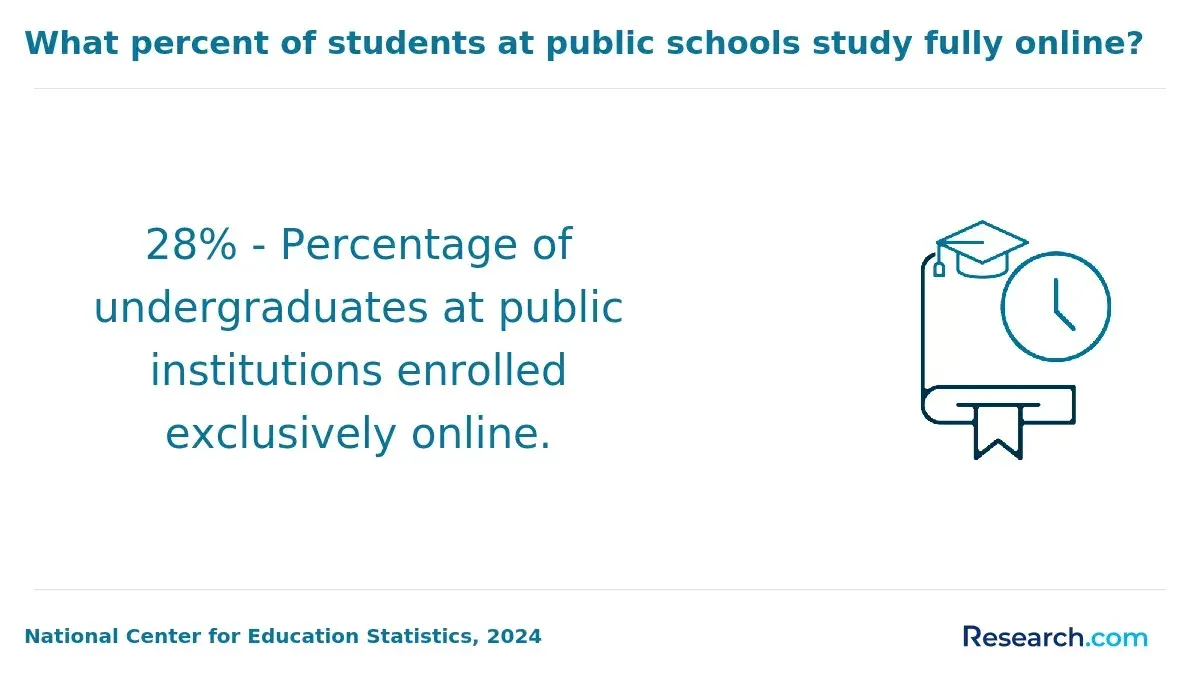
The surge in fully online undergraduate enrollment by 27% from fall 2019 to fall 2023, against an overall enrollment decline, signals heightened competition among prospective students and employers for respected online business administration programs with general concentrations. This growth underscores the need for candidates to evaluate not only accreditation but also factors such as faculty expertise, business simulations, and networking opportunities that translate academic credentials into market-ready skills.
Prospective students must weigh practical tradeoffs, including verifying accreditation upfront and assessing industry alignment of the concentration. Employers increasingly prioritize graduates from accredited programs in finance, consulting, and managerial roles, where inconsistent credential quality influences project outcomes and client trust.
For those aiming to pivot quickly into advanced business roles, exploring the shortest MBA pathways can offer accelerated credentials while maintaining rigorous standards essential in competitive job markets.
What courses and skills are typically included in a general business online curriculum?
General business online degree courses equip students with analytical competencies such as financial modeling and strategic planning, forming the foundation for varied operational roles. For instance, finance concentrations emphasize investment analysis and risk management, critical in corporate settings, while marketing tracks focus on consumer behavior and digital marketing techniques relevant to retail and tech industries. Employers increasingly value candidates with demonstrated problem-solving ability in dynamic segments like healthcare or manufacturing supply chains, which these curricula address through case studies and capstone projects.
Core skills in online business administration programs extend beyond technical knowledge, integrating leadership, communication, and ethical decision-making throughout. This dual emphasis prepares graduates to navigate complex team dynamics and regulatory landscapes, essential when shifting between domain-specific and broad management roles. About 29% of bachelor's graduates incorporate at least one specialized track, underscoring the prevalence and necessity of adaptable expertise for career pivots.
Continuous learning remains indispensable post-graduation, given rapid changes in technology and compliance standards. Selecting programs that combine foundational business principles with flexible specialization supports enduring employability in competitive markets. Professionals interested in expanding into human resources should consider the masters degree in human resource management online as a strategic pathway aligned with these evolving requirements.
What admission requirements and application materials do online general business programs expect?
Online general business degree applications demand careful preparation beyond basic academic metrics. Employers increasingly prioritize demonstrated strategic thinking and leadership capacity, meaning applicants must reliably convey these qualities through tailored personal statements and recommendation letters. For professionals pivoting careers, explicitly linking transferable skills to business administration competencies can differentiate candidates in competitive pools.
Admissions typically require official transcripts showing a minimum GPA near 2.5 to 3.0 and proof of high school completion, with some programs accepting relevant work experience or certifications in lieu of traditional academic records. The evolving stance on standardized testing often removes SAT or ACT requirements, particularly for transfer or nontraditional applicants, but select programs still request GRE or GMAT scores based on analytical emphasis. Confirming these criteria early shapes realistic application timelines and preparation.
Financial aid modifies net costs significantly: for online business degrees at public institutions, average out-of-pocket expenses drop from roughly $23,600 to $13,400 annually after grants. This 43% reduction suggests applicants should pursue multiple funding paths rather than rely solely on sticker prices.
Enrollment processes extend beyond admissions, requiring identity verification and residency documentation to meet program and employer reimbursement rules. Missing these steps commonly delays matriculation, a practical consideration for working adults balancing tuition support logistics.
- Understand institutional requirements on testing and documentation before applying
- Leverage personal statements to highlight skill transfers amid career shifts
- Factor aid availability into net cost estimations to avoid funding shortfalls
- Anticipate enrollment compliance demands to prevent administrative delays
How long does it take to earn an online business administration degree and how is it structured?
Duration for online business administration degrees with general business concentrations varies primarily with enrollment status and prior credits, typically spanning two to four years. Full-time enrollment expedites degree completion, commonly taking four years for a bachelor's, whereas part-time schedules-often necessary for employed learners-extend duration beyond this. Transfer credits from associate degrees or certifications can shorten timelines and reduce costs but require careful scrutiny of program accreditation to ensure recognition.
Curriculums blend core business fundamentals-accounting, finance, marketing, management-with electives tailored to specific workforce interests. For example, a logistics professional might select supply chain analytics to align with the field's projected 17% growth and median pay near $80,880. Conversely, an aspiring management analyst should prioritize data-driven decision-making and organizational behavior, reflective of a 9% growth forecast and median salary around $101,190, per U.S. Bureau of Labor Statistics data.
Students must weigh the tradeoff between faster, full-time study-which restricts earning capacity during education-and the prolonged labor market entry typical of part-time attendance that preserves income flow. The success of remote learning heavily depends on self-discipline and limiting distractions; to offset these challenges, programs often provide advising and career services.
- Sequential semesters combine asynchronous content with collaborative projects and assessments, providing scheduling flexibility.
- Credits transferability enables acceleration, though accreditation must be verified for employer acceptance.
How much do online business administration degrees cost and what financial aid is available?
Online business administration degrees represent a significant financial and strategic commitment, with costs ranging widely based on public or private institution rates and residency status. Public state universities typically charge between $300 and $500 per credit hour, while private institutions can demand $800 to $1,500. This per-credit cost is the primary expense, even if accelerated or part-time formats shorten time-to-degree, and students must factor in additional fees and educational materials that may not be included in tuition estimates.
Financial aid landscapes for business administration students tend to mix federal Pell Grants, which do not require repayment, with federal student loans offering deferred repayment aligned with working adults' scheduling needs. Institutional scholarships tied to academic or leadership merit and employer tuition reimbursement programs further mitigate upfront costs, particularly for mid-career professionals transitioning into high-demand sectors such as healthcare administration or technology management.
A practical example includes a trades worker moving into logistics management who leverages Pell Grants and employer tuition support to minimize debt accumulation. Yet access to aid depends heavily on FAFSA submissions and maintaining academic progress. It's crucial to assess these dynamics considering labor market returns: workers with bachelor's degrees in business administration earn a median wage of $79,300, reflecting a 42% premium over high school graduates' $55,700, according to U.S. Bureau of Labor Statistics data. This wage differential underlines the tangible, if sometimes costly, economic advantage of completing a business administration bachelor's degree.
What jobs can you get with an online business administration degree in general business?
An online business administration degree equips graduates for roles such as operations manager, business analyst, sales manager, or administrative services manager across diverse sectors like manufacturing, health care, and retail. These positions require a blend of management, finance, and organizational skills to oversee workflows, interpret business data, and lead teams effectively. However, specialized responsibilities in financial management or marketing often call for additional certifications or practical experience.
Employers tend to favor candidates who complement academic learning with hands-on business acumen. For instance, an operations manager in manufacturing faces distinct challenges like supply chain disruptions and lean management compared to a sales manager managing client relations and product launches in technology. This exemplifies the varied application of skills that an online degree must be supplemented to address.
Data from NCES shows over half of U.S. undergraduates take at least one distance education course, with 30% fully online, prompting employers to increasingly accept online credentials. Nevertheless, competency in analytical tools, CRM systems, and remote communication remains a baseline expectation, especially given hybrid work trends.
Tradeoffs inherent in online programs include fewer direct networking opportunities, which can impede rapid professional growth in relationship-driven fields. Students must proactively build connections via virtual internships, webinars, and social platforms to counteract this. Time management is another critical factor, particularly for part-time learners balancing work and study commitments.
What salary ranges and advancement opportunities exist for graduates with a general business focus?
For graduates with an online business administration degree focused on general business, salary expectations at entry to mid-level typically range from $50,000 to $85,000 annually, albeit influenced by industry and geographic factors. Roles such as business analysts and operations managers generally offer median salaries near $75,000, but advancing into senior management or specialized leadership positions in sectors like technology or finance can push compensation past $100,000.
However, progression is rarely automatic. Employers value accredited programs tied to recognized institutions, as a 2024 Coursera-Morning Consult survey found that 71% of U.S. employers view such online degrees as credible as traditional ones. Still, practical competencies in data analysis, digital proficiency, and strategic decision-making weigh more heavily on promotion prospects than the degree title alone.
Career advancement often involves accumulating relevant certifications (e.g., Six Sigma, Agile) and navigating the variable timelines shaped by industry culture and networking opportunities. For instance, moving from an entry-level analyst to operations manager generally requires 3 to 5 years of cross-functional experience combined with operational strategy skills.
- Salary range for entry to mid-level: $50,000-$85,000
- Median wages for analyst/manager roles: ~$75,000
- Senior roles in tech, healthcare, or finance: $100,000+
- Importance of accreditation and program reputation
- Skill focus: data analysis, digital tools, strategic decision-making
- Certifications like Six Sigma/Agile boost leadership readiness
- Typical advancement timeline: 3-5 years
How can prospective students choose a reputable online general business administration program?
Employers expect business administration graduates to demonstrate applied skills across finance, marketing, operations, and strategy-not just theoretical knowledge. Accreditation from recognized agencies signals that programs maintain rigorous standards and qualified faculty, which directly impacts graduate credibility in hiring processes. Prospective students should prioritize programs that integrate real-world experiences such as practicums, internships, or consulting projects, as these enhance employability beyond generic electives.
For working adults, balancing cost, flexibility, and career relevance is paramount. The average annual tuition before aid is roughly $10,500, dropping to about $6,000 after grants and scholarships. Candidates must scrutinize whether asynchronous formats suit shift workers like healthcare professionals pivoting to management roles or if cohort-based formats better support managers expanding leadership capacities through peer interaction.
Graduate outcomes often reveal program value. Prioritizing schools reporting ≥70% job placement within six months or strong industry linkages provides clearer ROI signals. Programs focusing solely on broad business electives risk diluting practical specialization sought by employers, potentially limiting career mobility and wage growth. Informed decisions require assessing these tradeoffs in light of personal career objectives and labor market demands.
Other Things You Should Know About Business Administration
In 2027, online business administration degrees with general business concentrations can be an excellent choice for career advancement, offering a solid foundation in essential business disciplines such as management, marketing, and finance. This versatility allows graduates to adapt to various roles and industries, enhancing their employability.
Online programs often require strong self-discipline because they lack in-person structure, which can intensify workload management challenges, especially for working professionals. The same academic content is covered, but the flexibility means students must proactively schedule study time and meet deadlines without real-time classroom accountability. Choosing programs with built-in support like tutoring or cohort interaction can mitigate these risks and improve completion rates.
Employers typically value candidates who combine a general business degree with practical experience or demonstrated expertise in a specific area like marketing, finance, or operations. Candidates solely holding a general degree may face competition from specialized peers but can differentiate themselves through internships, projects, or cross-functional roles. For job seekers aiming at niche fields, prioritizing additional credentials or certifications alongside the degree is advisable.
For students deciding when to earn this degree, entering early can provide foundational business knowledge crucial for entry-level positions and rapid role changes. However, professionals with work experience often benefit more by applying real-world insights to studies, which deepens comprehension and enhances learning relevance. The optimal approach depends on individual career goals; those seeking quick employment steps should start early, while others targeting strategic advancement should consider studying after gaining practical exposure.
References
- High-paying business degree jobs: kickstart your career https://lesroches.edu/blog/high-paying-business-degree-jobs/
- What Jobs Can I Get With a Business Management Degree? https://www.umassglobal.edu/blog-news/jobs-can-i-get-a-business-management-degree
- How long does it take to get a Business Administration degree? https://vinuni.edu.vn/how-long-does-it-take-to-get-a-business-administration-degree/
- MBA Requirements https://www.collegeessayguy.com/blog/mba-requirements
- MBA Curriculum Breakdown: Core Courses, Electives, and Specializations | Articles | Unimy https://www.unimy.com/article/mba-curriculum-breakdown-core-courses-electives-and-specializations
- How long is a Business Administration Degree https://henryharvin.ae/blog/how-long-is-a-business-administration-degree/
- Online BBA vs. On-Campus BBA: What You Should Know Before You Choose | CourseCompare.ca https://www.coursecompare.ca/online-bba-vs-on-campus-bba/
- Admissions https://www.euruni.edu/en/Programs/Admissions.html
- General Business Concentration https://www.muw.edu/business/bba/generalbusiness/
- Choosing a bachelor's in business administration | edX https://www.edx.org/resources/how-to-choose-a-bachelors-in-business-administration