2027 How to Choose an Online Architecture Degree for Sustainable Design Careers

Co-Founder and Chief Data Scientist
Choosing an online architecture degree is harder when your goal is sustainable design because not every program leads to licensure or green building careers. The stakes are real: the U.S. Bureau of Labor Statistics reported a median annual wage of $96,690 for architects in May 2024, but licensure, accreditation, portfolio quality, and technical skills strongly affect your options. This guide is for future architects, career changers, and design professionals who want to compare online programs, avoid costly mistakes, and choose a path aligned with sustainability-focused work.
Key Things You Should Know
- For architect licensure in most U.S. jurisdictions, the safest degree path is a NAAB-accredited B.Arch, M.Arch, or D.Arch, followed by AXP experience and the Architect Registration Examination. Many online sustainability degrees are valuable but are not professional architecture degrees.
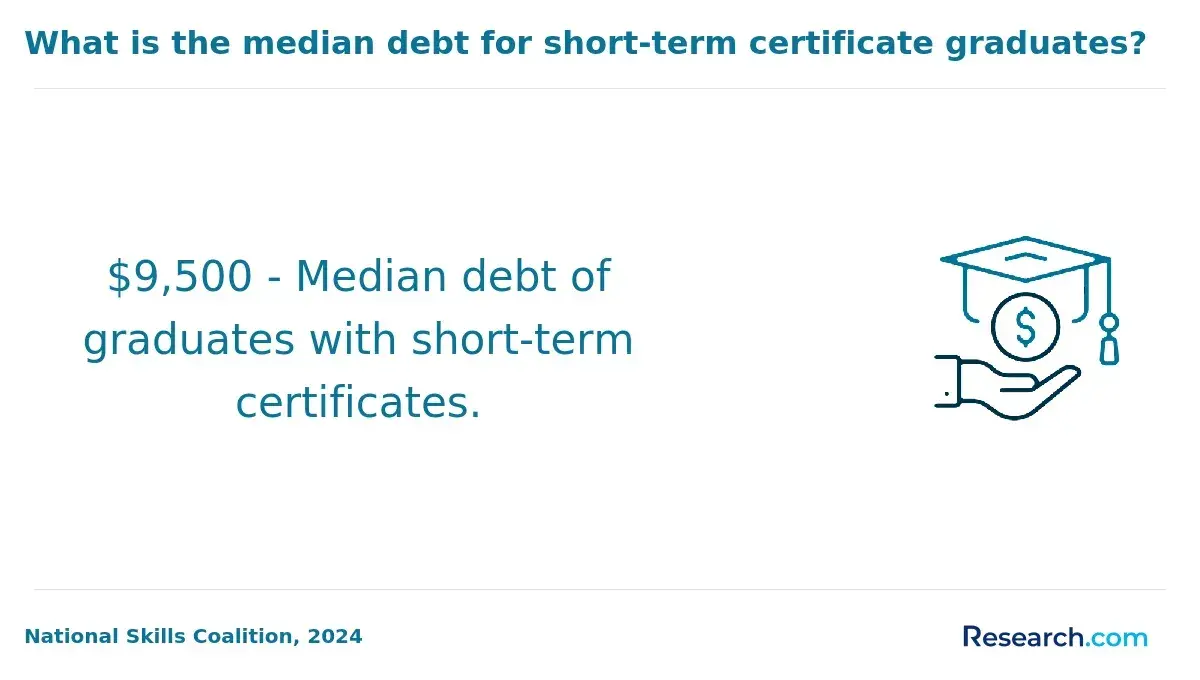
- College Board's 2024-25 national averages show published tuition and fees of $11,610 for in-state public four-year students and $43,350 for private nonprofit four-year students, so online learners should compare total cost, not just tuition.
- BLS projects 8% employment growth for architects through 2033, and sustainability skills such as energy modeling, BIM, LEED documentation, and building science can improve career fit, but they do not guarantee licensure or a specific salary.
What is an online architecture degree focused on sustainable design and how does it work?
An online architecture degree focused on sustainable design teaches students how to plan buildings, sites, and communities that reduce environmental impact while meeting human, technical, financial, and code requirements. In practice, this means combining architectural design studio work with building science, climate-responsive design, energy modeling, materials analysis, environmental systems, and digital documentation.
The most important distinction is whether the program is a professional architecture degree or a related design degree. A professional degree, usually a Bachelor of Architecture or Master of Architecture accredited by the National Architectural Accrediting Board, is typically the direct academic route toward becoming a licensed architect. A related online degree in sustainable design, environmental design, construction management, interior architecture, or urban planning may support green building careers but may not satisfy architecture licensure education requirements.
Online delivery usually blends asynchronous coursework with live critiques, digital pin-ups, virtual studio collaboration, and software-based design reviews. Some programs also require short campus residencies, in-person studios, field documentation, fabrication labs, or proctored exams. This matters because architecture is not a lecture-only field; strong programs must find credible ways to assess drawings, models, site analysis, design reasoning, and iterative studio development.
Students should expect to use tools such as Revit, Rhino, AutoCAD, SketchUp, Adobe Creative Cloud, GIS platforms, daylighting tools, and energy modeling software. A sustainability-focused program should also teach students how to connect design choices to measurable performance, not just aesthetic concepts.
How do online and campus-based sustainable architecture programs compare for aspiring architects?
Online and campus-based programs can both be rigorous, but they differ in studio culture, flexibility, access to physical facilities, and licensure certainty. The right choice depends on your career goal, schedule, learning style, and whether the degree is accredited for professional architecture practice.
The table below summarizes the main differences that matter when comparing formats. Use it to identify trade-offs before assuming online is automatically easier or campus-based is automatically better.
| Factor | Online sustainable architecture program | Campus-based sustainable architecture program | Best fit |
| Flexibility | Often better for working adults, parents, military students, and career changers | Usually requires fixed studio schedules and more time on campus | Online if you need schedule control; campus if you can study full time |
| Studio experience | Uses virtual critiques, uploaded models, collaborative platforms, and remote presentations | Offers in-person desk critiques, model shops, exhibitions, and peer studio culture | Campus if you learn best through constant in-person feedback |
| Facilities | May require students to provide hardware, software, and model-making supplies | Often provides fabrication labs, print labs, material libraries, and environmental testing spaces | Campus if hands-on fabrication is central to your goals |
| Licensure alignment | Must be checked carefully because fully online NAAB-accredited options are limited | More common among professional B.Arch and M.Arch programs | Either format only if accreditation and state requirements match your goal |
| Networking | Depends heavily on virtual critiques, alumni access, internships, and local professional involvement | Often easier through studio events, lectures, local firms, and faculty networks | Campus for built-in networking; online if you can build local connections independently |
Online architecture can be a smart option if you already have design experience, need to remain employed, or are pursuing a sustainability-focused role that does not require architect licensure. However, if your goal is to become a licensed architect, do not enroll until you confirm the program's NAAB status and ask how online studio, internships, and professional practice requirements are supported.
Students comparing remote creative degrees should also note that architecture has different professional constraints than a game design online degree. Both fields use portfolios and digital tools, but architecture licensure adds state-regulated education, experience, and examination requirements.
What accreditation and licensing requirements must sustainable architecture degrees meet in the United States?
In the United States, becoming a licensed architect generally involves three parts: an approved education path, supervised professional experience, and passage of the Architect Registration Examination. Sustainable design coursework can strengthen your expertise, but it does not replace architecture licensure requirements.
The key accreditor to know is the National Architectural Accrediting Board. NAAB accredits professional architecture degrees, including the B.Arch, M.Arch, and D.Arch. Many state boards accept a NAAB-accredited degree as the standard education route. Some states offer alternative paths, but these can take longer, require additional experience, or limit license mobility.
Before applying, use the following checklist to avoid one of the most expensive mistakes in architecture education: choosing a program that sounds professional but does not meet licensing requirements.
- Confirm whether the exact degree, not just the university, is NAAB-accredited or in candidacy status.
- Ask whether the program is classified as a professional architecture degree or a non-professional design, sustainability, or environmental studies degree.
- Check the licensing board rules in the state where you plan to practice, because requirements can vary by jurisdiction.
- Ask how the program supports Architectural Experience Program documentation, internships, and employer connections.
- Confirm whether online, hybrid, or residency components affect eligibility for studio credits or professional degree completion.
Licensure candidates typically complete the Architectural Experience Program, commonly known as AXP, through the National Council of Architectural Registration Boards. They also pass the Architect Registration Examination, which tests practice management, project management, programming and analysis, project planning and design, project development and documentation, and construction and evaluation.
If your goal is a green building career rather than licensed architecture, NAAB accreditation may be less essential. For example, sustainability consulting, building performance analysis, facilities planning, policy work, or LEED project coordination may accept related degrees. Still, a professional architecture degree can keep more doors open if you may want licensure later.
Which types of architecture and sustainable design degrees best prepare for green building careers?
The best degree depends on whether you want to become a licensed architect, work in sustainable building consulting, enter construction or project management, or specialize in planning and policy. The wrong degree can still teach useful skills but may create barriers if it does not match your target role.
The table below compares common degree options by career fit and licensure relevance. It is especially useful for students deciding between a professional architecture route and a broader sustainability route.
| Degree type | Typical level | Licensure relevance | Best for | Key caution |
| Bachelor of Architecture | Undergraduate professional degree | Often direct path if NAAB-accredited | Students starting college who want the most direct route to architect licensure | Usually longer and studio-intensive; fully online options are uncommon |
| Pre-professional BA or BS in Architecture | Undergraduate degree | Usually not enough alone for licensure | Students planning to continue into an M.Arch | May require a professional graduate degree later |
| Master of Architecture | Graduate professional degree | Often direct path if NAAB-accredited | Career changers, pre-professional architecture graduates, and future licensed architects | Track length varies based on prior coursework and portfolio strength |
| MS in Sustainable Design or Building Science | Graduate academic or professional-adjacent degree | Usually not an architecture license degree by itself | Energy modeling, green consulting, building performance, research, and advanced technical roles | May not qualify you to call yourself an architect |
| Certificate in Sustainable Design | Undergraduate or graduate certificate | Supplemental credential | Designers, engineers, contractors, and architects adding green building expertise | Usually too limited to replace a degree |
| Construction management or environmental design degree | Undergraduate or graduate degree | Generally not an architecture license degree | Project delivery, sustainable construction, site planning, and owner-side roles | Career outcomes may be strong but different from architecture practice |
A professional architecture degree is usually worth prioritizing if you want legal authority to practice architecture, stamp drawings, lead building design as the architect of record, or eventually own a firm. A non-professional sustainable design degree may make more sense if you want to work in analysis, policy, consulting, product systems, construction coordination, or facilities decarbonization without pursuing licensure.
Some students strengthen their design careers with language skills, especially if they expect to work in community development, housing, public engagement, or cross-border practice. In those cases, a Spanish online degree can be a practical complement, but it should not be confused with the architecture education required for licensure.
What core courses and specializations are included in online sustainable architecture programs?
A strong online sustainable architecture curriculum should connect design creativity with measurable environmental performance. Look for programs that teach both studio judgment and technical analysis, because employers increasingly expect graduates to use evidence when making design decisions.
The table below shows common course areas and why each matters for sustainable design careers. Course titles vary by school, but the underlying competencies should be visible in the curriculum.
| Course area | What students learn | Why it matters for sustainable careers |
| Design studio | Concept development, spatial organization, critique, iteration, and presentation | Builds the portfolio and design reasoning employers expect |
| Environmental systems | Heating, cooling, ventilation, lighting, water, and passive design strategies | Connects building form to comfort, energy use, and system performance |
| Building science | Enclosures, moisture, thermal performance, durability, and materials | Helps prevent designs that look sustainable but fail in real operation |
| Digital modeling and BIM | 3D documentation, coordination, schedules, clash detection, and model-based workflows | Supports collaboration with engineers, contractors, and owners |
| Energy and daylight simulation | Performance modeling, daylight analysis, solar studies, and operational trade-offs | Supports data-informed design decisions and green building documentation |
| Professional practice | Contracts, ethics, codes, project delivery, risk, and firm operations | Prepares students for licensure, client work, and interdisciplinary teams |
| Sustainable materials | Embodied carbon, life-cycle thinking, product transparency, reuse, and specification | Addresses environmental impact beyond operational energy |
Specializations can help you stand out, but they should support a coherent career goal. Common sustainable architecture concentrations include net-zero design, regenerative design, resilient communities, affordable housing, healthy buildings, adaptive reuse, historic preservation, urban sustainability, construction technology, and computational environmental analysis.
Technology is changing the field quickly. AI-assisted drafting, generative design, automated code checks, and building performance optimization are becoming more visible in design workflows, but they do not replace design judgment or licensure. Students who want deeper technical preparation may compare architecture-focused AI coursework with broader best online AI degree programs to understand how machine learning, data, and automation skills could support building performance work.
When evaluating courses, look for evidence that students produce finished portfolio work, not only discussion posts or exams. Useful signals include studio reviews with practicing professionals, public portfolio requirements, software access, project-based sustainability analysis, and capstone work tied to real sites or community needs.
What admissions prerequisites and portfolio requirements do online sustainable design programs expect?
Admissions requirements vary widely because online sustainable architecture programs include undergraduate degrees, professional M.Arch tracks, post-professional master's programs, and certificates. The more advanced or licensure-oriented the program is, the more likely it is to require a strong portfolio, prior design coursework, and evidence that you can handle studio-based work.
Most programs evaluate a combination of academic readiness, visual thinking, technical preparation, and motivation. Applicants should prepare for the following common requirements.
- Official transcripts showing completion of high school, prior college coursework, or a bachelor's degree, depending on the program level.
- A portfolio with drawings, models, photographs, digital work, design projects, creative work, or professional samples that show process as well as final results.
- A statement of purpose explaining your interest in architecture, sustainability, community impact, building technology, or design research.
- Letters of recommendation from teachers, employers, architects, designers, or supervisors who can speak to your discipline and creative potential.
- Prerequisite coursework in design, drawing, physics, math, environmental studies, construction, or software, especially for advanced-standing M.Arch tracks.
- Technology readiness, including access to a capable computer, stable internet, design software, and the ability to participate in virtual critiques.
A portfolio does not need to look like a professional firm's marketing package, but it should show how you think. Admissions reviewers often value sketches, iterations, diagrams, physical models, process notes, and experiments because architecture is iterative. A polished final image with no evidence of development can be less persuasive than a project that shows clear problem-solving.
Common admissions mistakes include submitting unrelated artwork without explaining design intent, ignoring page limits, using tiny unreadable images, failing to identify your role in team projects, and applying to an advanced M.Arch track without the required pre-professional coursework. If you are switching careers, include evidence of transferable skills such as project management, construction exposure, community engagement, data analysis, fabrication, or visual communication.
Before you apply, ask admissions advisors how students without a design background are supported. A good program should be clear about foundation studios, bridge courses, portfolio expectations, and whether your prior credits shorten the degree timeline.
How long do online sustainable architecture degrees take, and what do they typically cost?
Program length depends on degree level, accreditation status, transfer credits, prior studio coursework, and whether you study full time or part time. Online delivery can make attendance more flexible, but it does not automatically make a professional architecture degree shorter because studio sequences and accreditation requirements can limit acceleration.
The table below gives typical timeframes for common online or hybrid architecture-related pathways. Use it to compare realistic planning horizons rather than relying only on advertised "accelerated" language.
| Pathway | Typical completion time | Who it fits | Important limitation |
| Online certificate in sustainable design | Several months to 1 year | Working professionals adding green building skills | Usually not enough for licensure or major career change by itself |
| Online or hybrid BS/BA in architecture-related field | About 4 years, less with transfer credit | Undergraduates exploring design, sustainability, or pre-professional architecture | May require an M.Arch for licensure |
| Professional B.Arch | Often 5 years | Students seeking a direct undergraduate professional architecture route | Fully online NAAB-accredited options are limited |
| M.Arch with pre-professional background | Often 2 to 3 years | Architecture graduates completing a professional degree | Advanced standing depends on portfolio and prior coursework |
| M.Arch for career changers | Often 3 or more years | Students without an architecture background | Foundation studios can add time and cost |
| MS in sustainable design or building science | About 1 to 2 years | Students targeting technical sustainability roles | Usually not a professional architecture license degree |
For cost planning, use national tuition benchmarks as a starting point, then request program-specific total cost of attendance. College Board's 2024-25 figures show how sharply published tuition and fees can differ by institution type.
- Public four-year, in-state average published tuition and fees for 2024-25: $11,610.
- Public four-year, out-of-state average published tuition and fees for 2024-25: $30,780.
- Private nonprofit four-year average published tuition and fees for 2024-25: $43,350.
Architecture students should also budget for costs that may not appear in headline tuition: software subscriptions, a high-performance laptop, rendering capability, printing, model materials, plotter fees, travel to residencies, portfolio production, exam fees, and unpaid or low-paid internship periods. Online programs may reduce commuting and relocation costs, but they can shift more technology and workspace expenses to the student.
To evaluate return on investment, compare the total cost against your intended role, not just the broad reputation of the university. A lower-cost non-professional degree may be a poor investment if you later need an accredited M.Arch, while a higher-cost professional degree may be reasonable if it shortens your path to licensure.
The same total-cost thinking applies across online fields; students researching online animal science degree salary questions, for example, should also compare tuition, fees, credential requirements, and realistic labor-market outcomes before enrolling.
What sustainable design careers can you pursue with an online architecture degree?
An online architecture degree can lead to several green building career paths, but your options depend on whether the degree is professional, accredited, technical, or supplemental. The title "architect" is legally regulated in the United States, so students should separate licensed architecture roles from sustainability-related design roles that do not require licensure.
The table below outlines common careers connected to sustainable architecture and the kind of preparation each usually requires. It can help you match a degree choice to a real job target.
| Career path | Typical responsibilities | Degree or credential fit | Licensure relevance |
| Sustainable architect | Designs buildings, coordinates consultants, leads client presentations, and integrates sustainability strategies | NAAB-accredited professional architecture degree plus green design coursework | Architect license generally required to practice independently as an architect |
| Architectural designer | Develops drawings, models, diagrams, and design packages under licensed supervision | B.Arch, M.Arch, or architecture-related degree | May work before licensure but cannot independently practice as an architect |
| Building performance analyst | Runs energy, daylight, carbon, comfort, and envelope analyses | Sustainable design, building science, engineering-adjacent, or architecture degree | Usually not required, though architecture knowledge helps |
| LEED or green building consultant | Coordinates sustainability documentation, rating system compliance, and project strategies | Architecture, construction, environmental design, or sustainability degree plus credentials | Not usually required |
| Resilience or climate adaptation designer | Supports flood, heat, wildfire, stormwater, and community resilience planning | Architecture, planning, landscape architecture, or environmental design background | Depends on scope and employer |
| Sustainable construction coordinator | Tracks materials, waste, submittals, certifications, and field implementation | Construction management, architecture, or sustainable built environment degree | Not typically required |
| Urban sustainability planner | Works on land use, transportation, housing, climate policy, and community engagement | Planning, architecture, environmental policy, or urban design degree | Architecture license usually not required |
Entry-level roles often include junior designer, sustainability coordinator, BIM technician, energy modeling assistant, materials researcher, or project coordinator. Advancement may lead to project architect, sustainability manager, associate, principal, owner's representative, building performance lead, or consulting practice founder.
This career path is strongest for people who enjoy both creativity and constraints. Sustainable design requires balancing beauty, budget, climate, code, client needs, construction reality, and measurable performance. It may not be ideal if you want a short, low-cost credential with immediate independent practice authority, because architecture licensure is a long-term process.
What salaries and job outlook can sustainable architects and green building professionals expect?
Salary outcomes vary by role, state, firm size, licensure status, portfolio quality, software skills, and construction market conditions. Sustainable design expertise can make a candidate more relevant to certain employers, but it should be treated as a differentiator rather than a salary guarantee.
The strongest national benchmark for architecture compensation is BLS wage data. In May 2024, the median annual wage for architects, except landscape and naval, was $96,690. This figure represents the middle of the occupation nationally; early-career designers, unlicensed staff, and professionals in lower-cost regions may earn less, while licensed project leaders, specialized consultants, and firm owners may earn more.
BLS also projects 8% employment growth for architects through 2033. For students, this suggests a healthier outlook than a stagnant field, but competition can still be significant because architecture employers often evaluate portfolios, software fluency, internships, communication skills, and licensure progress alongside degree credentials.
The table below explains how career stage typically affects earning power and job competitiveness. It does not predict individual salary, but it shows which milestones tend to matter.
| Career stage | Common title examples | What employers usually value | How sustainability affects competitiveness |
| Student or intern | Design intern, sustainability intern, BIM intern | Portfolio, software skills, reliability, studio performance | Energy analysis, material research, and LEED familiarity can help secure internships |
| Early career | Junior designer, architectural designer, sustainability coordinator | Production skills, teamwork, construction documents, design communication | Green documentation and performance modeling can make you useful on specialized project teams |
| Licensure track | Designer, job captain, project coordinator | AXP progress, ARE preparation, technical accuracy, consultant coordination | Sustainability knowledge helps when it is paired with code, envelope, and systems competence |
| Licensed professional | Architect, project architect, project manager | Client communication, risk management, documentation, leadership | Can lead high-performance projects and coordinate certification strategies |
| Advanced specialist | Building performance lead, sustainability director, principal consultant | Deep expertise, measurable project outcomes, business development | Specialized credentials and strong case studies become more important than coursework alone |
Green building work is also influenced by policy, insurance, energy codes, corporate climate goals, and owner demand for lower operating costs. Students who want the best labor-market positioning should build a portfolio that shows measurable outcomes, such as daylight studies, energy-use comparisons, embodied carbon analysis, adaptive reuse strategy, or resilient site planning.
Which certifications, such as LEED and WELL, strengthen sustainable design career prospects?
Certifications can strengthen your resume when they align with your target role, but they should complement rather than replace a strong degree, portfolio, internship record, and technical skill set. For architecture students, the best credential is often the one that helps you contribute to real projects sooner.
The table below compares widely recognized credentials related to sustainable design and healthy buildings. Requirements and exams can change, so verify current details with the credentialing body before registering.
| Credential | Main focus | Best for | How it helps |
| LEED Green Associate | General green building concepts and LEED rating system basics | Students, interns, and early-career professionals | Signals baseline knowledge of sustainable building terminology and documentation |
| LEED AP with specialty | Advanced LEED expertise in areas such as Building Design and Construction or Operations and Maintenance | Professionals working directly on LEED projects | Supports project documentation, strategy selection, and team credibility |
| WELL AP | Health, wellness, indoor environmental quality, and occupant experience | Designers interested in healthy buildings, workplaces, schools, and healthcare environments | Connects sustainability with human health and performance |
| Fitwel Ambassador | Health-promoting building and community strategies | Designers, planners, facilities teams, and real estate professionals | Useful for projects emphasizing practical health and wellness strategies |
| Passive House certification pathway | High-performance envelopes, airtightness, ventilation, and low-energy buildings | Students focused on building science and net-zero design | Builds deeper technical credibility in energy-efficient design |
| Envision Sustainability Professional | Sustainable infrastructure and civil systems | Students interested in infrastructure, resilience, and public projects | Expands sustainability knowledge beyond individual buildings |
A practical credential sequence for many students is to start with LEED Green Associate, gain project or internship exposure, then pursue a specialty such as LEED AP BD+C, WELL AP, Passive House training, or building performance software credentials based on the type of work they actually do.
Avoid collecting credentials without a strategy. Employers are usually more impressed by a candidate who can explain how a credential was used in a studio project, internship, energy model, materials study, or certification submittal than by a long list of unrelated badges.
Other Things You Should Know About Architecture
Possibly, but only if the degree meets the education requirements of the state where you plan to seek licensure. Because fully online NAAB-accredited professional architecture degrees are limited, you should confirm the exact program's accreditation status before enrolling.
It can be all three. Some schools offer sustainable design as a concentration within architecture, others offer separate degrees in building science or environmental design, and many professionals use sustainability as a career specialization within architecture, construction, planning, or consulting.
It is usually not required for entry-level architecture jobs, but it can help show interest in green building. A strong portfolio, software skills, internship experience, and licensure progress often matter more, especially for design roles.
In 2027, students often overlook evaluating program accreditation, faculty expertise in sustainable design, and the integration of practical experiences. Prioritize programs that offer cutting-edge sustainable practices and align with industry standards, avoiding those lacking robust resources and connections to the field.
References
- Green Building https://www.sustainabilitydegrees.com/careers/green-building/
- Admissions Requirements — New York School of Interior Design https://www.nysid.edu/admissions-requirements
- Master’s in Sustainable Architecture and Design: M.Arch, MS, MSc, Online Paths https://www.architecturecourses.org/architecture/masters-sustainable-architecture
- A Guide to Architecture Licensing in the United States https://3hcg.com/architecture-licensing-guide
- Revealing Green Building Architect Job Description https://enable.green/esg-roles/green-energy-careers/green-building-architect-job-description/
- Master of Design Studies Admissions https://the-bac.edu/how-to-apply/how-to-apply-graduate/master-of-design-studies-admissions
- Where to Study | Top Schools Based on Your Interest https://www.studyarchitecture.com/where-to-study/
- AIA & state continuing education requirements https://www.aia.org/career-growth/aia-state-requirements
- LEED & WELL Comparisons | Sustainably Building for Health & Wellness https://www.cdsmith.com/leed-and-well
- What is sustainable design in Architecture? - Pablo Luna Studio https://pablolunastudio.com/what-is-sustainable-design-in-architecture/