2027 Self-Paced Online Logistics Bachelor's Degree Programs

Co-Founder and Chief Data Scientist
Many professionals with unrelated undergraduate degrees face challenges when seeking a career in logistics due to rigid program schedules and limited access to accredited education. Self-paced online logistics bachelor's degree programs offer the flexibility needed to balance work and study, yet 43% of prospective students hesitate because of concerns about program credibility and job market value.
The demand for qualified logistics professionals is rising, with the U.S. Bureau of Labor Statistics projecting an 11% growth in related jobs by 2031. This article examines how these programs address flexibility, accreditation, and industry relevance, helping readers make informed decisions about pursuing a logistics degree online.
Key Benefits of Self-Paced Online Logistics Bachelor's Degree Programs
- Self-paced online logistics bachelor's programs offer unparalleled flexibility, allowing working professionals to balance career and education by progressing without fixed schedules or deadlines.
- Accelerated learning models enable students to develop relevant skills faster through competency-based assessments and prior learning credits, shortening time to degree completion.
- Cost-effective tuition and transfer policies reduce financial barriers, making accredited logistics credentials affordable for non-traditional students seeking career advancement without incurring excessive debt.
What Are Self-Paced Online Logistics Bachelor's Degree Programs, and How Do They Differ From Traditional Online Formats?
Self-paced learning in online higher education allows students to progress through coursework on their own schedule, differing significantly from cohort-based programs where learners start and finish together or asynchronous-but-scheduled courses with fixed deadlines. These online logistics bachelor's degree programs feature open enrollment, flexible timelines, and milestone-based progression, enabling students to advance after mastering key concepts rather than adhering to strict timelines.
- Open Enrollment: Students can begin studies at any time without waiting for traditional semester start dates, allowing immediate access to course materials and faster entry into their degree path.
- Flexible Timelines: Learners manage their pace, accelerating or slowing down based on personal or professional commitments-a crucial advantage for working adults or those balancing family responsibilities.
- Milestone-Based Progression: Advancement depends on competency assessments that verify mastery of essential skills, promoting deeper understanding rather than time spent in class.
- Time Management Differences: Self-paced students require high self-discipline to maintain progress without fixed deadlines; traditional online logistics degrees typically offer structured schedules and regular instructor check-ins to aid accountability.
- Faculty Interaction: Instructor contact in self-paced formats is usually on-demand and less frequent compared to cohort models, which provide live discussions and synchronous sessions.
- Student Accountability: While cohort-based students benefit from peer and instructor support, self-paced learners rely more on internal motivation and organizational skills to stay on track.
- Who Benefits Most: These programs suit independent learners seeking maximum flexibility, especially those balancing careers or family who want control over their timing and learning speed.
- Growing Popularity: Self-paced logistics bachelor's degree programs are increasingly favored for their competency-based models and adaptability, aligning well with practical career demands in the field.
Understanding the advantages of self-paced online logistics bachelor's degree programs helps prospective students make informed decisions when comparing the difference between self-paced and traditional online logistics degrees. Many who need flexible options also explore fast degrees online to accelerate career advancement while balancing other responsibilities.
Which Accredited Institutions Offer Self-Paced Online Logistics Bachelor's Degree Programs?
Several regionally accredited institutions in the United States offer flexible, self-paced online logistics bachelor's degree programs tailored for busy professionals. These programs often utilize competency-based education models, which empower students to progress upon mastering material instead of following strict semester schedules.
This model supports accelerated completion times and accommodates transfer credits and prior learning assessments, ideal for those with relevant work experience.
- Western Governors University: This nonprofit university focuses on competency-based education through a fully self-paced online program in logistics and supply chain management. Tuition is subscription-based and charged per six-month term, allowing students to complete more coursework for a flat rate. WGU is accredited by the Northwest Commission on Colleges and Universities (NWCCU), with average completion around two to three years depending on pacing.
- Southern New Hampshire University: SNHU offers a flexible logistics degree with traditional semester timelines and options for accelerated courses. Tuition is charged per credit hour, with financial aid available. Accredited by the New England Commission of Higher Education (NECHE), it accepts transfer credits and prior learning assessments to help reduce time and cost. Completion time varies, often shortened by full-time study.
- Capella University: Capella's FlexPath program applies a competency-based system featuring a Bachelor of Science in business specializing in supply chain management and logistics. Students pay flat tuition per six-week period and can take unlimited courses. Accredited by the Higher Learning Commission (HLC), typical completion is about two to three years depending on pacing.
- Colorado State University Global: CSU Global provides a Bachelor of Science in logistics and operations management fully online with asynchronous courses. Tuition is per credit hour with transparent rates and financial aid options. Accredited by the Higher Learning Commission (HLC), students can transfer credits to expedite graduation. Completion generally spans three to four years, depending on enrollment intensity.
- American Public University System: APU offers a self-paced Bachelor of Science in logistics management with a monthly subscription tuition model that allows students to take multiple courses simultaneously without a traditional semester schedule. Accredited by the Higher Learning Commission (HLC), students typically finish in about three years but may accelerate based on course load.
Each program supports recognition of transfer credits and prior learning assessments, which can significantly reduce total coursework and tuition costs. Financial aid availability varies, so prospective students should consult admissions offices to explore funding options.
These accredited options provide practical, flexible pathways for those seeking career advancement through a self-paced online logistics bachelor's degree program.
For professionals exploring further education options, including executive MBAs, check out executive MBA programs online to complement your logistics expertise and expand leadership skills.
2026 Update: Evaluating Hands-On Logistics Technology Skills
This 2026 update adds guidance on how students can judge whether a self-paced online logistics bachelor’s program builds practical, workplace-ready skills rather than relying only on theory.
- Look for coursework using logistics tools such as inventory, transportation, warehouse, or procurement systems.
- Check whether assignments include realistic case studies, route planning, demand forecasting, or supplier coordination tasks.
- Review whether students complete a capstone, portfolio, or applied project that can be shared with employers.
- Confirm that data analysis, spreadsheets, dashboards, or basic supply chain metrics are part of the curriculum.
- Ask how self-paced students receive feedback on simulations, projects, or operational problem-solving exercises.
- See whether the program connects classroom topics to current issues such as disruptions, sustainability, and global sourcing.
Focusing on applied logistics skills helps students choose a flexible program that supports both degree completion and stronger career preparation.
The duration to finish a self-paced online logistics bachelor's degree varies significantly. While some complete it in about a year, many others take three to five years, consistent with traditional degree programs. Data from the National Center for Education Statistics (NCES) shows part-time students in related disciplines typically need four to six years, offering a useful point of comparison.
- Prior Credits and Transfer Coursework: Accepting previously earned college or associate degree credits can reduce the total time substantially, allowing students to skip introductory courses and focus on advanced logistics subjects.
- Weekly Time Commitment: The pace depends heavily on how many hours a student dedicates weekly. Those investing 20 or more hours tend to finish sooner, whereas balancing job and family responsibilities may slow progress.
- Prior Learning Assessments: Many schools grant credits for work experience, certifications, or military service through evaluations, enabling students to bypass certain classes and accelerate completion.
- Program Structure and Competency Models: Competency-based programs let students advance by demonstrating mastery, often enabling faster graduation compared to fixed-semester models.
- Setting a Realistic Schedule: Crafting a timeline aligned with personal commitments and learning habits is crucial. Academic advising, tutoring, and time-management tools are valuable resources that help maintain steady progress and avoid burnout.
A professional who enrolled in a self-paced online logistics bachelor's program shared that managing work demands alongside coursework was initially overwhelming. He emphasized the importance of leveraging academic support services and setting achievable weekly goals.
"I found that breaking tasks into smaller, manageable parts and using tutors helped me stay motivated," he explained. While some weeks required extra effort due to job deadlines, the flexibility of the program allowed adjustments that kept him on track. He described the experience as challenging yet rewarding, noting that self-discipline was key in navigating the program's flexible structure.
Most self-paced online bachelor's degree programs require applicants to hold a high school diploma or GED, ensuring foundational academic preparedness. Many schools ask for a minimum GPA, typically between 2.0 and 3.0 on a 4.0 scale, though some programs have no strict GPA requirement, especially those with open-enrollment or rolling-admission policies that ease access for non-traditional and returning students.
These relaxed eligibility criteria for self-paced online degrees expand opportunities for a diverse student population.
High School Diploma or GED: Most self-paced online logistics bachelor's degree programs require applicants to have a high school diploma or GED. This credential confirms readiness for college-level coursework and remains a baseline for entry into these programs.
Minimum GPA Expectations: While some selective programs set GPA thresholds around 2.5 to 3.0 on a 4.0 scale to ensure academic preparedness, many self-paced online logistics bachelor's degree admission criteria feature open-enrollment or rolling-admission policies. These flexible options make it easier for working professionals and non-traditional students to apply without stringent GPA requirements.
Prerequisite Coursework: Several programs ask for prior completion of foundational courses, such as math, English, or introductory business. However, open-access programs often waive strict prerequisites or provide remedial resources to accommodate diverse academic backgrounds.
Open-Enrollment Policies: By adopting rolling admissions, many online logistics bachelor's degree programs allow applicants to enroll anytime, which reduces entry barriers for adult learners or those returning to education. This flexibility often comes with less personalized advising compared to selective programs.
Selective vs. Open-Access: Selective programs typically offer more structured academic support-like tutoring and advising-targeting higher-achieving students. In contrast, open-access programs prioritize ease of entry and expect learners to be more self-motivated to utilize external study resources.
Strengthening an Application: Candidates missing minimum criteria can improve their applications by completing relevant certificates, submitting detailed work experience in supply chain or logistics, or providing compelling essays. Demonstrating practical knowledge helps admissions officials recognize commitment despite academic gaps.
For those exploring flexible pathways to advance their education, including programs beyond logistics, resources like the best online criminal justice degree listings can provide additional options.
The cost of a self-paced online bachelor’s degree can vary widely depending on the institution, program structure, and student enrollment status. Understanding the key factors that influence tuition—such as accreditation, residency, transfer credits, and technology fees—helps prospective students plan their budget and evaluate the overall value of the degree.
Per-Credit Tuition: Many programs charge by the credit, giving students the freedom to progress at their own pace. This method suits learners who want to pay only for the courses they take each term, though it can increase overall expenses if the program duration extends.
Flat-Rate Subscription: Some schools offer a monthly or semester-long subscription with unlimited course access. This can lower costs for students who finish quickly but may become pricier for those who study more gradually.
Bundled Fees: Tuition sometimes comes bundled with technology fees, course materials, and other charges into a single flat rate per term or course. While this simplifies payments, it may hide specific incremental costs.
Hidden Expenses: Beyond tuition, students often face additional costs such as online proctoring fees, software subscriptions, and textbooks or digital materials. These can add several hundred dollars annually to the total.
Pacing and Total Cost: The lowest upfront charge doesn't always translate to the cheapest degree. Accelerating through a subscription can reduce total expenses, while slower progress under per-credit models might lead to higher costs over time.
One professional who completed a self-paced online Logistics bachelor's degree shared that balancing work, family, and studies was challenging but rewarding. She valued the flexibility to accelerate her coursework during less hectic months and slow down when needed, which helped manage finances better.
"I appreciated that I wasn't locked into rigid schedules," she said. Despite some surprise with extra material fees, her overall experience showed how pacing and personal circumstances impact what the degree ultimately costs, beyond just tuition figures.
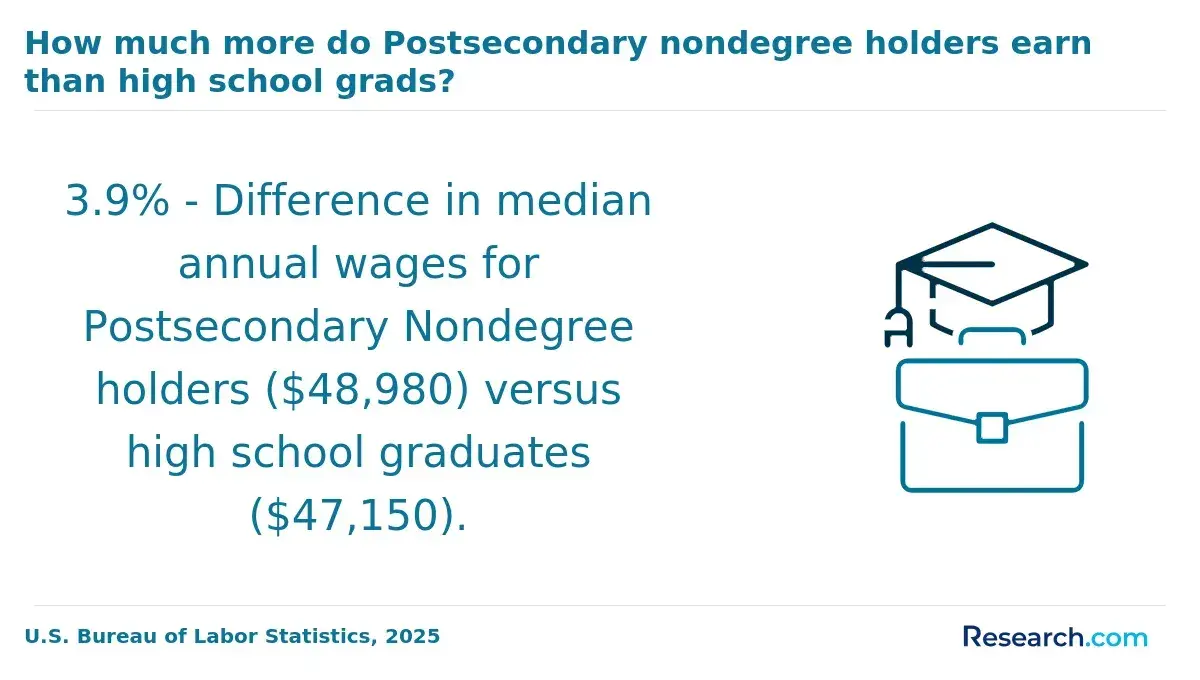
Federal financial aid for self-paced online logistics bachelor's programs often depends on the program's credit-hour reporting, particularly for competency-based education (CBE) models. The U.S. Department of Education requires these equivalencies for FAFSA qualification, which can affect the timing and amount of Pell Grants and federal loans compared to traditional credit-hour programs.
State grants and scholarships vary widely by location and frequently require residency or enrollment in approved institutions. Many universities also offer institutional aid such as scholarships and flexible payment plans aimed at adult learners and working professionals pursuing self-paced degrees, so contacting the financial aid office early is crucial to understanding specific deadlines and award conditions.
Professional organizations in logistics, including the Council of Supply Chain Management Professionals and the Warehousing Education and Research Council, provide scholarships targeting students committed to careers in this field. These discipline-specific awards can reduce education costs significantly.
According to the College Board's 2023 Trends in Student Aid report, about 86% of undergraduates receive some form of financial aid, with an increasing share benefiting online and non-traditional students. This reflects growing recognition and support for flexible educational pathways like self-paced online logistics programs.
- Federal Aid Requirements: Pell Grants and federal loans are available but depend on meeting credit-hour equivalency standards specific to competency-based education models.
- State-Level Assistance: State grants and scholarships differ by region, often requiring residency or enrollment in state-approved schools; verify local programs accordingly.
- Institutional Funding: Many schools provide scholarships and payment plans tailored for adult learners in self-paced online logistics programs.
- Industry Scholarships: Logistics associations offer targeted scholarships to support students pursuing careers within the field, lowering out-of-pocket expenses.
- Early Verification: Confirm your eligibility and understand disbursement schedules with your school's financial aid office before enrolling, as self-paced program structures can affect aid timing.
In competency-based education (CBE) models for self-paced online Logistics bachelor's degree programs, students advance by demonstrating mastery of specific skills through assessments such as projects, exams, or simulations rather than completing traditional credit hours based on seat time. This personalized approach enables learners to progress rapidly through material they have already mastered and spend more time on new challenges.
For financial aid eligibility, CBE programs convert demonstrated competencies into credit hours following federally approved guidelines. Direct assessment programs award credit strictly based on skill demonstration without tying it to seat time, while credit-hour-equivalent programs align more closely with traditional semester hours.
This difference affects both federal aid qualification and employer tuition assistance options.
Notable examples of CBE logistics programs include Western Governors University, which uses performance tasks and provides mentor support; Southern New Hampshire University, offering faculty-led virtual coaching alongside competency exams; and Capella University's FlexPath, allowing students to submit prioritized evidence for faculty review.
These programs are increasingly valued by employers for emphasizing measurable, practical job skills.
Success in CBE requires strong self-discipline and motivation, as students must independently manage their schedules without fixed class times. Prospective students should carefully evaluate if the self-directed nature of CBE fits their learning preferences before enrolling.
A recent Tyton Partners study shows that competency-based education enrollment rose by 15% in 2023, highlighting growing demand for flexible, skill-focused degree options among adult learners.
- Mastery Over Time: CBE emphasizes skill mastery through assessments rather than traditional classroom hours, enabling a personalized pace.
- Credit Hour Conversion: Programs translate competencies into credit hours, with distinctions between direct assessment and credit-hour-equivalent models impacting aid eligibility.
- Program Examples: Western Governors University, Southern New Hampshire University, and Capella provide CBE logistics degrees with structured assessments and faculty support recognized by employers.
- Self-Discipline Required: Students must be motivated and organized to succeed without scheduled classes, requiring active time management.
- Growing Popularity: Enrollment in competency-based education increased 15% recently, showing rising acceptance of flexible, outcome-focused programs.
Accreditation plays a crucial role when selecting a self-paced online logistics bachelor's program, affecting both the value of your degree and future career prospects. In the U.S., regional accreditation is the highest standard, granted by six recognized bodies: the Middle States Commission on Higher Education (MSCHE), New England Commission of Higher Education (NECHE), Higher Learning Commission (HLC), Northwest Commission on Colleges and Universities (NWCCU), Southern Association of Colleges and Schools Commission on Colleges (SACSCOC), and Western Association of Schools and Colleges Senior College and University Commission (WSCUC).
Regional accreditation carries more weight with most employers and graduate schools in logistics because it signifies rigorous academic standards and institutional quality. Many accredited competency-based logistics bachelor's programs incorporate this accreditation, often alongside programmatic accreditations from specialized organizations such as the Association to Advance Collegiate Schools of Business (AACSB) or the Accreditation Council for Business Schools and Programs (ACBSP), which further validate curriculum quality.
Conversely, nationally accredited or non-accredited programs may seem more affordable or flexible but present significant risks-credits earned often do not transfer to regionally accredited institutions, limiting options to pursue graduate studies or career advancement. Employers may also be more hesitant to recognize degrees from these programs.
To avoid such pitfalls, verify a program's accreditation using the U.S. Department of Education's accreditation database and CHEA's directory before applying.
Many self-paced programs also emphasize careful transfer credit policies and prior learning assessments to maximize flexibility for working professionals. Ensuring proper accreditation is essential for obtaining recognized credentials that advance logistics careers.
For those exploring related studies, consider reviewing credible resources on online MSW programs as well, which also highlight accreditation importance.
- Regional Accreditation: Considered the highest standard of academic quality, regional accreditation is recognized by most employers and graduate schools in logistics. It is granted by six agencies overseeing different U.S. regions.
- National Accreditation Risks: Programs with national accreditation or no accreditation often have low transfer credit acceptance and limited recognition, negatively impacting career and educational opportunities.
- Programmatic Accreditation: Some self-paced logistics programs hold specialized business accreditations like AACSB or ACBSP, highlighting additional curriculum quality verification.
- Verification Tools: Always use the U.S. Department of Education's database and CHEA's directory to confirm accreditation status before applying to any program.
- Career Impact: Accreditation influences how employers perceive your degree and can affect eligibility for graduate studies, licensure, or certifications in logistics-related fields.
- Flexibility and Quality: Properly accredited self-paced programs combine convenience with credibility, offering both flexibility for working professionals and assurance of a recognized education.
Transfer credit evaluation policies for self-paced online logistics bachelor's degree programs vary widely but generally serve to acknowledge prior academic work and reduce students' time and cost to graduation. Many of these programs accept up to 90 transfer credits-about two years of full-time study-aligned with the maximum transferable credits toward online logistics degree programs recommended by the U.S. Department of Education.
The specific limits often depend on each institution's residency requirements and involve a careful review of transcripts for course content, academic level, and accreditation of prior schools.
Some of the most generous transfer policies accept credits from community colleges through formal articulation agreements, guaranteeing smoother transitions for students holding associate degrees or technical certificates in related fields. Military training credits, endorsed through American Council on Education (ACE) guidelines, are also widely accepted, offering significant credit opportunities for veterans.
Prior learning assessments (PLAs) can further enhance credit totals by recognizing work experience, certifications, or relevant training.
Prospective students should always pursue a formal transfer credit evaluation before enrolling, as this clarifies the true remaining credit requirements and tuition costs. Several institutions maintain dedicated transfer credit pages or articulation databases to guide applicants through accepted courses and policies.
Understanding these factors early supports better planning, helping learners avoid surprises and optimize their educational investment.
- Maximum Transfer Limits: Many self-paced logistics programs allow up to 90 transfer credits, substantially reducing time to degree completion and costs.
- Military and ACE Credits: Programs commonly award credit for military training validated by ACE, benefiting veterans with relevant experience.
- Community College Articulations: Formal agreements with community colleges ensure seamless transfer of applicable coursework toward bachelor's degrees.
- Transcript Evaluation Process: Rigorous assessments determine equivalency and relevance of prior coursework, influencing total accepted credits.
- Pre-Enrollment Guidance: Requesting a transfer credit evaluation before beginning aids students in accurately estimating remaining credits and expenses.
For additional insights on flexible, affordable educational paths, consider exploring data science degrees that emphasize competency-based education models and flexible scheduling options suitable for working adults.
Prior Learning Assessment (PLA) offers students in self-paced online logistics bachelor's programs a valuable opportunity to earn credits for professional experience, military training, certifications, and independent study. This credit is awarded through portfolio evaluations, challenge examinations, or standardized tests such as CLEP and DSST, enabling students to accelerate degree completion without retaking familiar subjects.
Institutions known for affordable, flexible PLA policies include Western Governors University and Thomas Edison State University. Both universities allow submission of detailed portfolios documenting prior learning and typically award up to 30 credits based on the strength of supporting evidence.
Their evaluation systems adhere to the American Council on Education's guidelines, which standardize credit recognition nationwide, particularly benefiting veterans and working adults whose military or professional training aligns with academic requirements.
Maximizing PLA success involves careful documentation of learning outcomes, matching competencies with course objectives, and consulting academic advisors. Organized portfolios-comprising transcripts, certifications, work samples, and reflective essays-enhance credit approval and reduce redundant coursework.
Recent studies indicate nearly 70% of adult learners prioritize PLA availability when selecting online degree programs, reflecting its growing influence in adult education.
- Recognition of Diverse Experience: PLA accepts military, professional, and self-directed learning, promoting access and efficiency for non-traditional students pursuing logistics degrees.
- ACE Credit Recommendations: The American Council on Education provides a nationally recognized framework that supports credit transfer for service members and working professionals.
- Varied Submission Routes: Students can demonstrate knowledge via portfolios, challenge exams, or CLEP/DSST tests, with credit limits and procedures varying by institution.
- Strategic Documentation: Aligning evidence with program goals and obtaining advisor input enhances credit awards, saving time and tuition.
- Increasing Adult Learner Demand: The majority of adult students consider PLA policies essential when choosing self-paced logistics programs, underscoring its expanding role.
Self-paced online Logistics bachelor's degree programs commonly offer concentrations that target specific industry demands and career goals. Selecting the right specialization can affect how quickly you finish the degree, as some tracks involve more rigorous coursework, certifications, or required internships.
- Supply Chain Management: This specialization covers the flow of goods from procurement to delivery, preparing students for roles like supply chain analyst or manager. Median salaries are about $76,000 annually, with certifications such as APICS CPIM often recommended to improve employment prospects.
- Transportation and Distribution: Focused on managing transport networks and warehouse operations, this track readies graduates for jobs like transportation manager or operations coordinator. Salaries typically hover around $71,000, and some positions may require commercial driver's licenses or logistics-specific certifications.
- Logistics Technology and Data Analysis: Emphasizing skills in ERP systems and analytics, this path suits careers like logistics analyst or systems planner, with median earnings near $75,000. Certifications in data analytics or Six Sigma can enhance credentials but are not always mandatory.
- International Logistics: This area deals with global trade, compliance, and customs, preparing students for roles in trade compliance or freight forwarding. Salaries vary due to global factors, and knowledge of import/export laws plus additional certifications may be necessary.
- Warehouse and Inventory Management: Concentrating on inventory control and storage efficiency, this option supports career paths such as warehouse manager, with median pay around $65,000. Practical experience or internships are often advised to meet industry expectations.
What Graduates Say About Self-Paced Online Logistics Bachelor's Degree Programs
- Caleb: "I chose a self-paced online logistics bachelor's program because I needed the flexibility to balance work and school without sacrificing my income. The affordability was a huge factor-I managed to complete my degree without the burden of excessive debt. Since graduating, I've seen a clear boost in my career opportunities and confidence in negotiating better roles within the supply chain sector."
- Dennis: "Reflecting on my journey, pursuing a self-paced online logistics degree was the best decision for developing a solid foundation while managing personal responsibilities. The cost was surprisingly reasonable for the quality of education, making it accessible and worthwhile. Professionally, this degree opened doors to leadership positions that I previously thought were out of reach, truly transforming my career trajectory."
- Thomas: "My main reason for enrolling in a self-paced online logistics bachelor's program was to gain industry-relevant skills without sacrificing my full-time job. The program's cost-effectiveness made it an ideal investment in my future. Since completing the degree, I've advanced into more strategic roles, gaining respect from peers and supervisors alike."
Other Things You Should Know About Logistics Degrees
Many programs do not require an internship, but some ask for a supervised practicum or co-op totaling 120 to 240 hours before graduation. When required, the placement must usually be approved by the department and completed at an employer that handles supply chain, transportation, or warehouse operations.
Yes, self-paced online logistics bachelor's programs typically offer flexible schedules tailored for working adults and non-traditional students. This flexibility allows students to progress through the coursework at their own pace, fitting studies around their work and personal commitments.
Graduates with a self-paced online logistics bachelor's degree can pursue roles such as supply chain analysts, logistics coordinators, and operations managers. According to industry data, starting salaries typically range from $50,000 to $65,000 annually, with potential to exceed $80,000 in senior positions. Employers increasingly value the practical skills and adaptability gained through these flexible online programs, enhancing career advancement opportunities.
- Online Logistics Education: Benefits for Companies and Students https://www.supplychainsecrets.com/online-logistics-education-benefits/
- Can I transfer credits from another program towards RQF 4 Logistics Supply Chain Management part time? https://www.lsib.co.uk/2022/answers.aspx
- 2025 Most Affordable Supply Chain Management Degrees - SupplyChainGuide.org https://www.supplychainguide.org/degrees/most-affordable-supply-chain-management-degrees/
- Pathways to SCMP Designation | Supply Chain Canada https://www.supplychaincanada.com/education-and-training/pathways-to-scmp-designation
- Supply Chain and Logistics Management Degree Online Program https://www.rasmussen.edu/degrees/business/supply-chain-and-logistics-management/
- Search study programs in Europe | Study.eu https://www.study.eu/search
- What methods of Prior Learning Assessment (PLA) qualify for additional credits? https://online.wpunj.edu/faq/what-methods-of-prior-learning-assessment-pla-qualify-for-additional-credits/
- The Ultimate Guide for Online Logistics Degrees https://careerkarma.com/blog/ultimate-guide-logistics-degrees-online/