2027 Can You Study STEM Master's Programs Part-Time? Options & Duration

Co-Founder and Chief Data Scientist
Part-time study options for STEM master's programs present a complex landscape shaped by institutional structures and professional demands. Enrollment trends from 2024 highlight increasing variability in program duration and course sequencing across universities, affecting how students manage academic and work commitments. Trade-offs often emerge around internship scheduling, practicum completion, and research requirements, which can extend graduation timelines or disrupt cohort cohesion.
Employer expectations and licensure criteria add further constraints, meaning that mere access to a part-time format does not guarantee practical feasibility. This article evaluates these dimensions to guide students through realistic expectations and critical program differences in part-time STEM graduate education.
Key Benefits of Studying STEM Master's Programs Part-Time
- Part-time STEM master's programs often extend completion times by 50% or more, requiring students to balance prolonged academic commitments against opportunity costs and potential skill obsolescence in fast-evolving fields.
- Employers increasingly recognize part-time STEM degrees completed online but may prioritize candidates demonstrating concurrent professional application, underscoring the need for aligning coursework with current job responsibilities.
- Data from 2024 highlights that 42% of part-time STEM master's enrollees rely on employer tuition support, reflecting access barriers and influencing program selection based on financial and scheduling flexibility.
Can You Study a STEM Master's Program Part-Time?
Part-time study in a STEM master's program is most feasible when the curriculum accommodates flexible pacing through structured course sequencing and delivery methods such as evening, weekend, or asynchronous classes. The viability heavily depends on the nature of the discipline; fields with intensive project-based coursework, clinical rotations, internships, or mandatory research components may impose limits on how effectively students can stretch their studies without losing continuity or momentum. Balancing significant obligations-such as full-time employment or family care-requires programs that explicitly design part-time pathways rather than retrofit full-time models, since poorly aligned scheduling risks prolonging degree completion unnecessarily. Approximately 22% of STEM master's students now take advantage of part-time enrollment options, reflecting a growing share of programs that recognize these distinct constraints and the complex realities faced by working professionals pursuing advanced technical credentials.
The decision to pursue a part-time STEM master's involves critical tradeoffs related to extended time-to-completion and its downstream effects on networking, skill acquisition, and career trajectories. While flexibility can ease immediate workload pressures, stretching a program over several years may slow the pace of technical skill development and delay entry into advanced roles that often reward timely credential attainment. Workplace demands and evolving industry standards can shift during prolonged enrollment, potentially requiring adaptation to new technologies or methodologies before graduation. Moreover, employer expectations vary widely: some sectors prioritize full-time immersion as a marker of commitment, whereas others emphasize demonstrated expertise regardless of enrollment status. Recognizing these dynamics helps clarify that part-time study is not simply a more convenient option but a strategic pathway with measurable implications for professional growth and repositioning within STEM fields.
Part-time STEM master's programs often serve working professionals who must balance employment and personal commitments, yet the pathway also suits career changers seeking hands-on experience while slowly building academic credentials. Candidates without immediate financial or time flexibility might find a greater return on investment by enrolling part-time, especially if their roles already provide relevant technical exposure aligned with their studies. Conversely, students aiming for rapid reentry into specialized or competitive areas where continuous training accelerates promotion may find the tradeoffs less favorable. An alternative for those requiring intensive pace without sacrificing flexibility could be exploring accelerated bachelor's degree options earlier in their academic career to build a stronger foundation ahead of graduate work. Ultimately, the choice demands weighing the individual's professional context, educational goals, and tolerance for prolonged progression against the structural realities of STEM master's programs offered part-time in the United States.
How Long Does It Take to Complete a Part-Time STEM Master's Degree?
Completion times for part-time STEM master's degrees typically span three to six years, reflecting a broad range influenced primarily by enrollment intensity and program configuration. Unlike the two-year trajectory common to full-time study, part-time options inherently accommodate flexibility, allowing students to adjust course loads based on external commitments but resulting in longer completion windows. This duration is not standardized; institutions vary in how they structure part-time study, with some enforcing fixed semester credit requirements while others allow more self-directed pacing. According to recent data from the National Center for Education Statistics (2024), roughly 40% of part-time graduate students in technical fields complete their degrees within four years, illustrating significant diversity in student progress timelines.
Key factors affecting completion length include course scheduling patterns, prerequisite sequences, and program-specific experiential requirements such as internships or practicum hours. Because some essential courses may only be offered once or twice per year, students face potential delays that extend total time to degree. Balancing full-time employment remains a crucial variable; the number of credits a student can realistically carry each term often hinges on work and family obligations, making it difficult to accelerate graduation. Programs with rigid curricula or limited elective flexibility tend to prolong degree attainment compared to those with modular or online options, where students can better tailor pacing around professional demands.
Extended timeframes have nuanced implications beyond mere calendar calculations. Prolonged study periods may risk skill depreciation or reduced industry relevancy, especially within rapidly evolving STEM sectors, and postpone the financial and career impacts commonly associated with degree completion. This tradeoff between schedule flexibility and time-to-degree requires careful planning, particularly for those relying on academic credentials to transition or ascend in technical professions. Financially, stretched timelines can necessitate longer tuition commitments and delay salary enhancements tied to credential milestones, complicating long-term personal and professional budgeting.
One part-time STEM master's candidate recalled navigating the rolling admissions process as a source of uncertainty that affected their study timeline. The student hesitated to apply immediately, unsure if their undergraduate coursework met prerequisites and balancing the risk of losing a preferred start date. When the acceptance finally arrived weeks later, the limited enrollment capacity for the upcoming semester forced them to defer enrollment, stretching the overall time before actively beginning the program. This experience highlighted how timing nuances in application and matriculation can significantly shape the total duration of part-time study well before coursework commences.
How Are Part-Time STEM Master's Courses Structured?
Part-time STEM master's programs are carefully structured to balance the flexibility needed by working professionals with the demanding academic standards of advanced technical education. Variations in program design significantly affect how students manage their workload, engage with content, and apply learning to real-world challenges.
- Extended Program Duration: Spanning three to six years, these programs allow learners to absorb complex material without the intensity of full-time study. While this elongation accommodates external responsibilities, it requires sustained commitment and can delay the realization of degree-related career benefits.
- Hybrid Learning Formats: A mix of asynchronous modules and scheduled live sessions is common. Asynchronous content provides timing flexibility but may challenge students' motivation and depth of comprehension. Conversely, synchronous interactions foster immediate feedback and peer collaboration essential for mastering advanced STEM concepts.
- Academic Rigor and Practical Application: Despite a slower pace, part-time courses maintain expectations for comprehensive theoretical understanding complemented by applied projects or lab work. This dual focus ensures skill development remains relevant to workplace demands but can necessitate careful time allocation given competing priorities.
- Structured Progress Milestones: Regular checkpoints enforce steady academic progress and help mitigate risks of attrition. These milestones also encourage ongoing integration of learning, preventing knowledge gaps common in self-paced models.
- Work-Study Integration: Approximately 38% of part-time STEM master's students hold full-time employment according to recent data from the National Center for Education Statistics. Programs that consciously blend coursework with professional roles tend to enhance immediate applicability but can intensify workload and stress management challenges.
Can Students Work Full-Time While Earning a Part-Time STEM Master's Degree?
Balancing full-time employment with a part-time STEM master's degree is feasible under specific conditions, particularly when programs offer asynchronous learning and predictable scheduling that accommodate diverse work commitments. Prior professional experience in related fields can reduce the learning curve, enabling smoother integration of coursework and job responsibilities. Many part-time STEM programs require 15-20 hours per week, so employers providing flexible hours or remote work significantly enhance a student's ability to manage these demands. According to a 2024 report by the National Center for Education Statistics, almost 40% of graduate STEM students work full-time, reflecting growing demand for adaptable graduate education models that fit complex professional lives while supporting academic progress.
However, maintaining full-time employment alongside part-time STEM graduate studies often entails tradeoffs such as cognitive overload and diminished opportunities for networking and in-depth research collaboration. Slower academic progression and the risk of burnout increase when workplace pressures conflict with assignment deadlines or project milestones. These challenges underscore the need for effective time management and employer support to avoid stress-related attrition. Prospective students should carefully weigh these factors when considering balancing work and part-time STEM graduate programs, as real-world constraints can impact both academic success and career momentum. For individuals prioritizing financial stability while pursuing graduate education, exploring affordable master's degrees online may also offer practical alternatives to balance costs and workload.
Which Universities Offer the Best Part-Time STEM Master's Programs?
Choosing the best part-time STEM master's program is a strategic decision that shapes long-term employability, salary progression, and career flexibility. What qualifies as "best" depends heavily on a student's professional stage, workload limitations, and targeted skill development. Careful evaluation of qualitative and practical program features can distinguish options that genuinely support advancement from those that merely offer convenience.
- Curriculum Design and Practical Relevance: A program's value hinges on delivering up-to-date, industry-aligned content with hands-on projects or applied research. Curricula mirroring current workplace technologies and challenges ensure graduates acquire skills immediately transferable to their roles, enhancing job performance and promotion prospects.
- Faculty Expertise and Industry Engagement: Having instructors actively involved in research or professional practice bridges theory and real-world application. Programs where faculty maintain robust industry ties often provide students with networking channels and insights that boost employability in competitive STEM fields.
- Flexible Pacing and Asynchronous Delivery: Effective part-time programs accommodate diverse schedules without compromising academic rigor. Asynchronous courses and adaptable deadlines enable students balancing full-time employment or family duties to sustain steady progress, crucial for degree completion and minimizing burnout.
- Access to Internships and Applied Projects: Opportunities for remote internships or capstone projects integrated into the curriculum amplify experiential learning. Such engagements directly affect job market readiness and often correlate with higher starting salaries by demonstrating tangible skills to employers.
- Accreditation and Program Credibility: Accreditation from recognized bodies signals adherence to quality standards, protecting credential value and facilitating employer recognition. In STEM fields where credential inflation is a concern, verified program legitimacy impacts both hiring decisions and further academic pursuits.
- Alumni Outcomes and Employment Metrics: Transparent data on graduate employment rates, salary increases, and career trajectories reflect a program's real-world impact. The National Center for Education Statistics reports a 15% higher likelihood of salary growth within two years for part-time STEM master's graduates versus peers from less flexible or non-STEM programs.
One graduate shared hesitancy during the application process due to rolling admissions' unpredictability, initially applying to multiple programs out of necessity. Awaiting responses while managing ongoing work projects generated stress and uncertainty, complicating timing for necessary prep and financial planning. A late but decisive acceptance allowed the student to focus preparation effectively and enroll without losing momentum, illustrating how navigating admissions logistics can influence access to optimum program choices in part-time STEM education.
How Much Does a Part-Time STEM Master's Degree Cost?
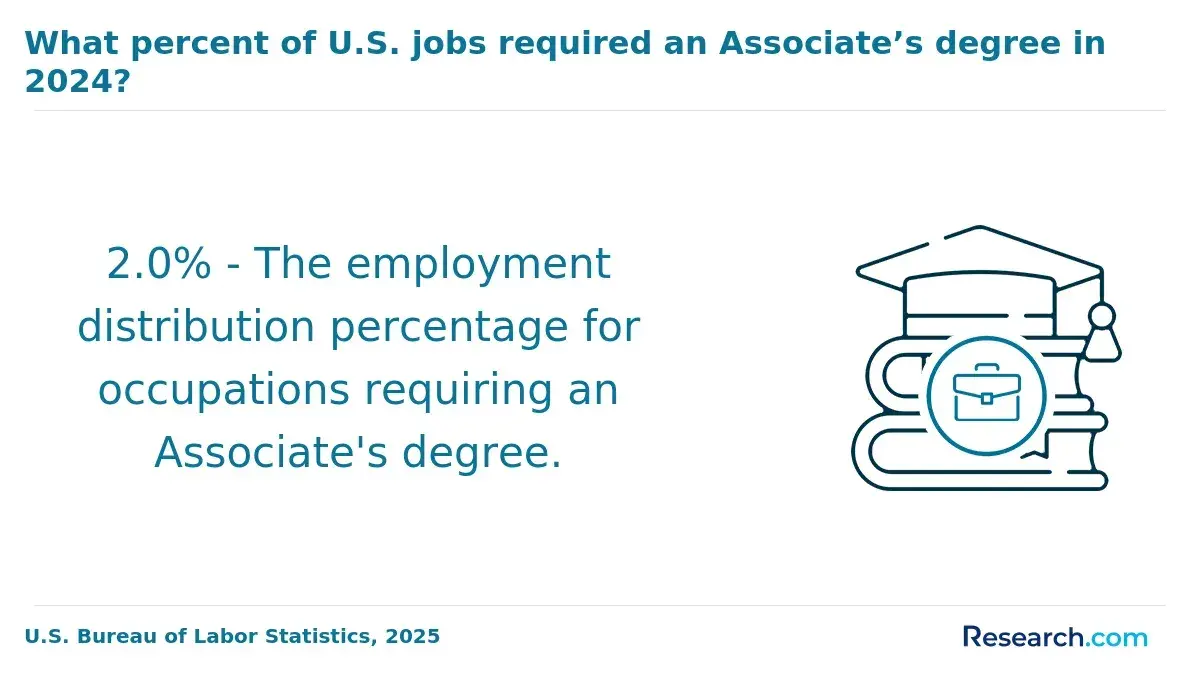
Tuition for part-time STEM master's degrees typically ranges from about $20,000 to $70,000, reflecting data drawn from institutional disclosures and workforce education reports. Public universities generally offer lower per-credit tuition, especially for in-state students, frequently falling between $400 and $1,200 per credit hour. However, the total cost depends heavily on the number of credits required and can be notably higher at private or out-of-state institutions. These figures illustrate average expenses for part-time STEM graduate programs but must be contextualized within the student's pace and program format.
Costs vary substantially due to pricing models based on credit hours, residency status, and program prestige, among other factors. Online and hybrid delivery might not always offer cost savings compared to on-campus formats, as many programs price these options equally or add specific fees for remote learners. Part-time pacing extends enrollment duration, which can increase cumulative costs from tuition and associated fees over time, offsetting the benefit of lower immediate payments. For working professionals balancing finances, these trade-offs are crucial when budgeting the full financial commitment of a part-time degree.
Spreading tuition payments across multiple years can ease short-term financial strain but may amplify total expenditure as fees accumulate. Additionally, employer tuition assistance programs, more common in some STEM fields, can help offset costs, though eligibility and coverage vary widely. Those considering a part-time STEM master's degree should also examine how different study rhythms impact both expenses and career progression, alongside how competition and employer scrutiny influence the practical value of specialized credentials. For comparative insights related to flexible graduate study, some may consider alternatives like an online PsyD, which shares some flexible learning cost considerations.
Do Programs Help Arrange Flexible Clinical Placements for Part-Time Students?
Part-time STEM master's programs typically facilitate flexible clinical placements through established partnerships with diverse healthcare providers or industry sites, offering a distributed network designed to accommodate varied schedules. These programs often employ dedicated placement coordinators who help align student availability with site capacities and employer needs, aiming to balance educational requirements with student work commitments. The degree of flexibility, however, hinges largely on the institution's organizational resources and the specific clinical components embedded within the curriculum, which can vary widely in structure and expectations.
Despite these support mechanisms, practical constraints significantly limit the availability and timing of placements. Placement sites may have fixed operating hours or limited openings for part-time students, and accreditation standards frequently mandate minimum clinical hours within a rigid timeframe, reducing scheduling options. Geographic restrictions and the necessity for qualified supervisors further narrow placement possibilities. Consequently, advertised flexibility often meets real-world rigidity, as programs must reconcile regulatory mandates and employer expectations that prioritize consistent, verifiable clinical experience.
Students seeking to optimize placement outcomes should proactively engage with programs that maintain formalized clinical pipelines or allow for employer-based placements, which can streamline scheduling and reduce friction between work and study obligations. Early planning and clear communication with placement coordinators are critical, as is selecting programs whose partnerships demonstrate a tangible commitment to accommodating part-time learners. According to a 2024 survey by the National Association of Colleges and Employers, nearly 68% of STEM master's programs with clinical requirements now offer some level of flexible scheduling or placement assistance, but this varies by institution and must be weighed carefully against personal and professional constraints.
What Challenges Do Students Face in Part-Time STEM Master's Programs?
Part-time STEM master's programs offer flexibility but impose distinct academic and logistical pressures beyond those seen in full-time tracks. Challenges stem from program design, the demanding nature of STEM coursework, and the juggling of professional and personal responsibilities. These factors combine to affect student experience, progress, and eventual career impact.
- Time Management Under Competing Demands: Balancing rigorous STEM assignments, often involving labs and collaborative projects, with ongoing work and family obligations creates significant scheduling conflicts. According to a 2024 report by the National Center for Education Statistics, 67% of part-time graduate students identify time management as their primary obstacle, highlighting how juggling roles can undermine consistent academic engagement.
- Extended Program Duration Increasing Skill Obsolescence: Part-time paths typically span 3 to 6 years, twice as long as full-time programs. This stretch risks students' technical knowledge becoming outdated amid rapid STEM innovation, potentially diminishing the credential's immediate value to employers prioritizing current, actionable skills.
- Reduced Networking and Mentorship Opportunities: Asynchronous pacing and limited in-person access make it harder to build professional relationships with faculty and peers. This isolation can weaken real-time mentorship, collaborative learning, and the informal exchange of insights critical for navigating advanced STEM fields and career pathways.
- Financial Implications of Extended Enrollment: Without access to certain full-time scholarships or employer tuition support, part-time students often incur higher cumulative costs. Limited eligibility for campus resources, such as research funding and career services, can further constrain the return on investment compared to full-time peers.
- Burnout and Mental Fatigue: Sustained pressure from managing concurrent responsibilities over multiple years intensifies the risk of burnout. This chronic stress can impair academic performance and workplace productivity, undermining both educational outcomes and professional stability.
Which Careers Benefit Most From Part-Time Graduate Education?
Part-time graduate education is less about convenience and more a strategic lever where experience, credentialing, and continuous upskilling intertwine to shape career trajectories. Its impact is most pronounced in occupations where practical skills must evolve alongside industry demands, and where formal qualifications unlock specific advancement or salary thresholds.
- Software Engineers: For mid-career software engineers, part-time study allows immediate application of advanced technical knowledge to ongoing projects, accelerating productivity and opening doors to leadership roles. A 2024 survey by the Computing Research Association noted that 62% of these professionals reported direct workplace benefits, reinforcing how real-time skill integration enhances career momentum without workforce interruption.
- Healthcare Technology Specialists: This group leverages part-time graduate programs to stay current with regulatory changes and innovations in medical devices or bioinformatics. Maintaining employment while studying enables them to adapt swiftly to industry shifts, fulfilling employer needs for specialists who blend clinical insights with technical expertise amid increasing demand across healthcare systems.
- Engineers in Civil, Electrical, and Mechanical Fields: Part-time master's education lets such engineers advance credentials that translate into a typical 15% salary premium, according to 2024 Bureau of Labor Statistics data. Continuing to work during study preserves income and often secures employer tuition support, letting professionals navigate promotion requirements and growing technical complexity without career disruptions.
Part-time STEM master's programs for working professionals thus target roles where balancing ongoing employment with credential advancement yields tangible competitive advantage, especially where educational upgrades directly influence employability and upward mobility.
Careers that benefit from part-time graduate education in stem fields often require juggling work and study demands without sacrificing career capital. For those evaluating pathways, assessing how their role aligns with such dynamics is crucial. For financial planning, prospective students may consider options among the best online masters in finance to compare tuition investment alongside STEM alternatives.
What Factors Matter Most When Comparing Program Flexibility?
Program flexibility in part-time STEM master's studies is a multidimensional concept that affects how well students manage workload, maintain career continuity, and optimize time-to-completion. Not all flexibility is equal; perceived adaptability varies based on program design features and individual circumstances, making a nuanced comparison essential for students balancing employment and family.
- Course Scheduling Structure: Programs offering diverse course schedules-such as evening, weekend, or intersession classes-permit better integration with professional duties. Limited scheduling options can force students into conflicts that hinder timely progress or increase stress.
- Asynchronous Versus Synchronous Delivery: Asynchronous components allow students to engage with materials on their own time, crucial for those with irregular or shifting work hours. A 2024 National Center for Education Statistics report highlights that 62% of working graduate students prioritize asynchronous learning to reduce scheduling conflicts.
- Credit Load Adaptability: The ability to adjust credit loads per term, including part-time enrollment options, enables pacing study intensity to match external demands. Fixed full-time enrollment requirements often necessitate sacrificing work hours or extending completion timelines.
- Program Pacing and Duration Flexibility: Extended timeframes or accelerated pathways impact practical outcomes differently; while longer durations accommodate life's unpredictability, prolonged engagement may delay labor market reentry or credential relevance.
- Practicum and Internship Requirements: Obligatory hands-on components with fixed schedules can limit flexibility, especially if employer support for time off is minimal. Programs that offer adaptable or virtual practicum options better serve working professionals.
- Administrative Responsiveness and Support Services: Efficient academic advising and technical assistance mitigate administrative barriers that can arise from complex schedules, helping students navigate adjustments without jeopardizing academic progress.
Evaluating these elements-course scheduling and delivery formats for STEM graduate programs-is critical for identifying part-time STEM master's program flexibility options that genuinely suit individual needs. Students should weigh how each factor influences their ability to balance full-time work commitments with academic demands while maintaining quality educational outcomes. More intensive expectations or fixed cohort models may limit flexibility and increase dropout risks under tight professional constraints.
For those investigating advanced degrees with demanding schedules, the availability of specialized tracks can affect adaptability; programs with broad electives tend to offer greater individual control over pacing and content relevance. Additionally, those interested in degree pathways without major dissertation components may consider reviewing doctoral programs online no dissertation as a comparative point for scheduling and workload expectations in graduate education.
What Graduates Say About Studying STEM Master's Programs Part-Time
- Vance: "After completing my part-time STEM master's, I quickly realized that having a strong portfolio and relevant internships mattered more to employers than the actual degree itself. The program was rigorous, but I had to supplement with certs and hands-on projects to stand out in the hiring process. It definitely opened doors, but the competition for my target roles is fierce, and practical experience remains king."
- Marvin: "I appreciated the flexibility of the part-time STEM master's program because it allowed me to keep working while upskilling. While my salary growth has been steady, I've encountered a plateau in advancement opportunities without pursuing additional licensure or specialized certifications. The balance between work, study, and family was tough, but gaining that advanced degree made transitioning into remote roles much easier."
- Trisha: "The decision to pursue a part-time STEM master's was driven by a career pivot rather than immediate job prospects. Post-graduation, I found that many employers favored candidates with direct industry experience or specific certifications over academic credentials alone. However, the program's emphasis on applied skills helped me land an internship that eventually led to a full-time job, even if the path wasn't as direct or fast as I initially expected."
Other Things You Should Know About STEM Degrees
Part-time STEM master's students often face fragmented learning schedules that can limit immersion in complex technical concepts. While extended duration may help absorb material over time, the reduced intensity can impede mastery of rapidly evolving technologies or advanced methods compared to full-time peers. Students prioritizing deep technical skill development should evaluate whether part-time pacing suits the specific skill demands of their field or if more concentrated study would yield stronger expertise and research opportunities.
Networking in part-time STEM programs is frequently constrained by fewer synchronous class interactions and limited access to extracurricular research groups or labs. These reduced touchpoints can hinder forming professional relationships and collaborations, which are crucial in STEM careers. Prospective students should weigh the tradeoff between schedule flexibility and the potential narrowing of their professional network, especially in subfields where industry connections or lab experience are critical for job placement or advancement.
Employer attitudes toward part-time STEM degrees vary by industry and role but often hinge on perceived rigor and the candidate's ability to manage concurrent professional responsibilities. In many technical sectors, practical experience gained alongside part-time study enhances employability, yet some employers may question the depth of learning or the candidate's research credentials. For those targeting roles requiring intensive lab work or innovation, full-time study may signal stronger technical readiness, while part-time paths can align well with employers valuing demonstrated time management and incremental skill acquisition.
Balancing a part-time STEM master's program in 2027 can be challenging due to the need to juggle studies with work and personal commitments. Effective time management, prioritizing tasks, and seeking employer support are crucial to managing the intense workload spread over a longer timeframe.
References
- How to choose a graduate program in STEM https://sueishaqlab.org/2021/01/12/how-to-choose-a-graduate-program-in-stem/
- How to Choose the Right Part-Time Master Degree https://www.hhl.de/blog/how-to-choose-part-time-master-degree/
- The challenges of the part-time student http://fionasaunders.co.uk/the-challenges-of-the-part-time-student/
- Thinking about graduate school? A STEM-focused guide https://orise.orau.gov/internships-fellowships/blog/stem-focused-guide-graduate-school.html
- How to Select the Best STEM Master’s Program in the USA for Your Career Goals https://www.imperial-overseas.com/blog/how-to-select-the-best-stem-masters-program-in-the-usa-for-your-career-goals/
- 7 Reasons to Study a STEM Degree in 2026 https://www.study.eu/article/7-reasons-to-study-a-stem-degree
- Top Careers with a STEM Master’s: Is It Worth the Upgrade? https://www.onlinemastersdegrees.org/careers/stem/
- Average Cost of a Master's Degree: 2025 Analysis https://educationdata.org/average-cost-of-a-masters-degree
- Full-time, part-time, online - which study mode is right for you? https://www.studentspace.pl/en/blog/post/studia-stacjonarne-zaoczne-wieczorowe---ktory-tryb-wybrac
- Working after studies for international students https://www.ukcisa.org.uk/student-advice/working/working-after-studies/