2027 Best Online Social & Behavioral Sciences Degrees for Community Outreach Careers

Co-Founder and Chief Data Scientist
Community outreach professionals often encounter a critical bottleneck: obtaining flexible, relevant education that aligns with irregular schedules and diverse participant needs. According to a 2024 National Center for Education Statistics report, online enrollment among adult learners increased 12% in two years, driven by the demand for accessible, career-advancing options without pausing full-time employment. This shift signals substantial changes in how social and behavioral sciences degrees must accommodate working professionals seeking to pivot into community-focused roles. Understanding which programs combine rigor, flexibility, and direct applicability shapes both employability and long-term impact.
This article evaluates the leading online social and behavioral sciences degrees designed to equip students effectively for community outreach careers, addressing those practical barriers decisively.
Key Things You Should Know
- Graduates from online social & behavioral sciences programs focused on community outreach face a 12% wage penalty compared to traditional formats, according to 2024 Bureau of Labor Statistics data, requiring critical evaluation of cost-benefit timing when prioritizing program delivery modes.
- Employers overwhelmingly prioritize applied research and community engagement experience, with 68% valuing internships more than GPA, per the National Association of Colleges and Employers 2024 survey, challenging students to seek programs with fieldwork integration over purely theoretical curricula.
- Program completion within 36 months correlates with a 25% higher job placement rate in public and nonprofit sectors, based on 2024 IPEDS outcome data, creating a strategic tension between accelerated degree options and comprehensive skill-building timeframes.
What are online social and behavioral sciences degrees for community outreach careers?
Community outreach roles demand more than theoretical knowledge; they require measurable skills in communication, cultural competence, and program evaluation within diverse environments. For example, professionals working with urban youth must combine behavioral health frameworks with interventions responsive to socioeconomic realities. This practical focus distinguishes online social and behavioral sciences degrees for community outreach from more general programs.
The rapid expansion of available online options-40 behavioral science degrees and over 4,600 social science bachelor's programs worldwide in 2025-2026-presents a challenge: selecting a program aligned with employer expectations for applied experience. Community outreach careers with social and behavioral sciences online programs often necessitate integrated practicum or internship components, as fieldwork proficiency is difficult to substitute. Public health agencies, for instance, prioritize graduates capable of performing data-driven needs assessments grounded in real-world community dynamics.
Key decision factors include accreditation, faculty expertise, and the presence of partnerships with nonprofits or simulated environments facilitating supervised practice. Students must weigh tuition costs against credential recognition and consider certifications that complement foundational degrees.
Prospective learners may also explore a 2-year psychology degree online as a focused, accelerated alternative to build essential behavioral science competencies efficiently.
How do online social and behavioral sciences programs compare to campus-based options?
Deciding between online and campus-based behavioral sciences programs hinges on balancing accessibility with direct experiential learning. Online social and behavioral sciences degree benefits include flexibility for working students or those with family commitments through asynchronous coursework. However, this format demands extra effort to secure local internships or practicum placements, which are essential for practical skill-building and employer recognition.
Employers, particularly in roles like social and community service managers-projected to grow 9.1% by 2032 with median salaries around $86,100-prioritize demonstrated competencies and relevant field experience over whether credentials come from online or campus programs. In contrast, campus students benefit more readily from institutional partnerships offering embedded internships, mentorships, and peer collaboration that bolster leadership readiness.
Online programs increasingly incorporate virtual simulations and community projects to address these gaps, though they may lack the immediacy of face-to-face networking crucial for nuanced communication in outreach careers. Ultimately, selecting a program requires aligning education with one's stage in life, local labor market conditions, and career goals.
For students considering efficiency and schedule adaptability, exploring an accelerated master's in psychology online can offer a strategic pathway within the broader Social & Behavioral Sciences field.
Which accredited online schools offer strong community outreach-focused social and behavioral sciences degrees?
Online social and behavioral sciences programs focused on community outreach present practical tradeoffs that impact students' career trajectories. Schools like Oregon State enforce rigorous community-based practicum requirements, which enhance skill acquisition but may strain those balancing work or family commitments. In contrast, Arizona State's asynchronous model offers scheduling flexibility but places the burden of arranging local field placements on students, posing logistical challenges, especially in remote locations. These factors are critical when selecting among the best online schools offering social and behavioral sciences degrees with a focus on community outreach.
The integration of applied research, policy analysis, and program development within these accredited online social and behavioral sciences programs for community outreach careers is fundamental to meeting employer expectations. Public health agencies and social service organizations increasingly prioritize candidates who can demonstrate measurable community impact through internships and project work. For example, health policy advisors typically require competencies in navigating health disparities and community resources, skills often developed through virtual internships tied to these programs.
Accreditation by recognized bodies such as the Council for Accreditation of Counseling and Related Educational Programs (CACREP) remains essential for aligning curricula with industry benchmarks and enabling licensure pathways crucial for long-term career mobility within community outreach fields. Salary data reflects tangible rewards for these roles, with health policy advisors averaging $128,250 annually according to Glassdoor and Kent State University's MPH career guide.
Prospective students should carefully evaluate program design, fieldwork demands, and institutional credentials alongside financial considerations-resources like the most affordable online psychology degree listings can provide useful cost benchmarks without sacrificing quality.
What concentrations and coursework prepare students for community outreach and advocacy roles?
Effectively preparing for community outreach roles demands more than foundational knowledge; it requires targeted concentrations that combine applied skills with analytic rigor. Specializations in social work, community psychology, and public policy stand out in practical utility, particularly because they integrate coursework essential for navigating funding, stakeholder dynamics, and outcome measurement-critical components often underestimated by candidates focused solely on theory. For instance, community psychology emphasizes data-driven evaluation methods essential for customizing interventions across diverse populations, while social work programs provide hands-on practicum experience, exposing students to real-world case management complexities within social service systems.
This emphasis on practical readiness extends into coursework addressing cultural competency and ethics, which equip students to engage responsibly and effectively with diverse and vulnerable populations. These are not merely academic topics but essential preparation for avoiding ethical breaches and maintaining community trust. Employers also expect proficiency in communication theories and digital advocacy tools, reflecting current demands for professionals adept at both face-to-face outreach and social media campaigning, integral to modern advocacy efforts in social and behavioral sciences careers in community outreach.
Given that many states do not require licensure, students must differentiate themselves through certifications or workshops in trauma-informed care or substance use counseling. Analytical courses-especially in statistics or behavioral research methods-are invaluable for interpreting assessment data and justifying program modifications, a skill increasingly prioritized in workforce studies. According to HumanServicesEdu.org data from 2024, a bachelor's degree in a social or behavioral science remains the baseline for most community outreach positions, highlighting the importance of deliberate course selection paired with practical experience.
For those exploring further specialization, online options such as an online mental health counseling masters offer avenues to deepen clinical expertise and expand career possibilities beyond entry-level roles.
What admission requirements and prerequisites do online social and behavioral sciences programs have?
Admission to online social and behavioral sciences programs for community outreach work increasingly hinges on verified academic foundation and relevant experience rather than solely on standardized tests. While a high school diploma or equivalent remains the baseline, many bachelor's programs demand official transcripts proving prior success in English and math fundamentals. Selective programs may request SAT or ACT scores, though rising flexibility favors candidates with documented collegiate performance or community-oriented work history.
Typical prerequisites include introductory psychology, sociology, or statistics, either before or during early coursework. For master's pathways, completion of a related bachelor's degree with a minimum 3.0 GPA is usually expected, alongside practical exposure to outreach or social services. This combination signals readiness for applied practice and research demands.
Nontraditional students should anticipate the need for remedial or bridging courses to meet core social science requirements, which can lengthen completion time and increase costs. For example, a registered nurse moving into community mental health outreach might first complete foundational sociology and ethics classes before accessing advanced modules.
Projected 12% occupational growth by 2030 for community and social services underscores employer preference for candidates blending academic credentials with practical experience. Because admission rigor varies widely, prospective students must carefully assess individual program requirements relative to their current work commitments and career timelines.
How long do online social and behavioral sciences degrees take, and what do they cost?
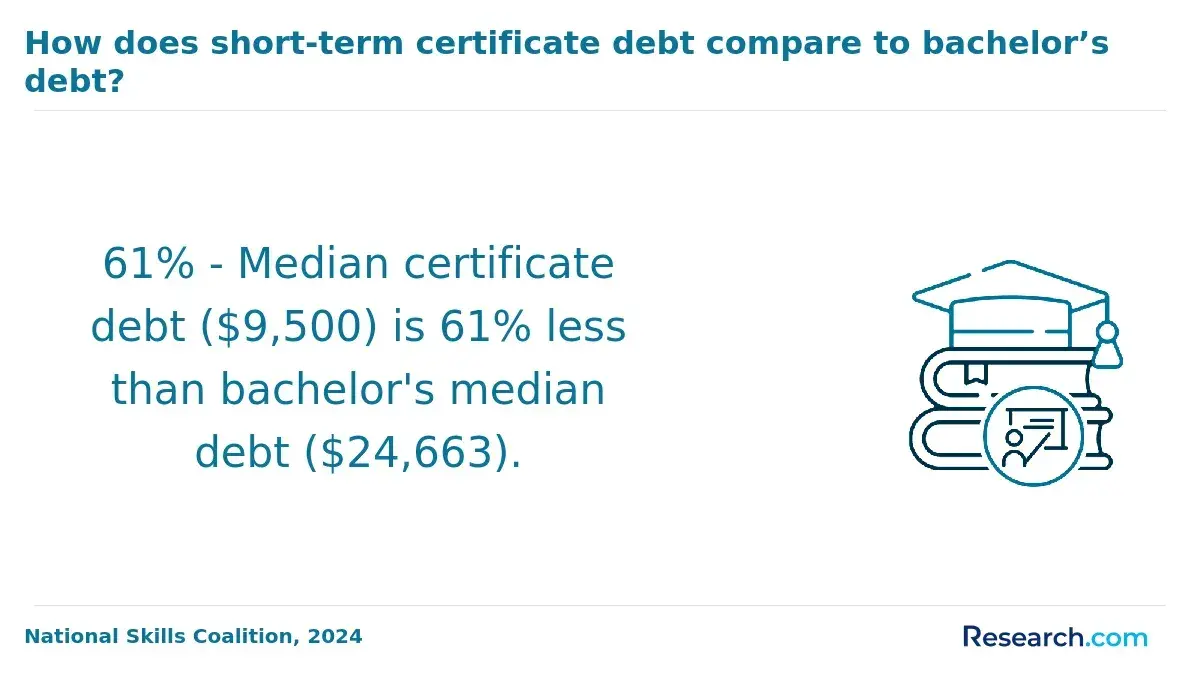
Degree duration and cost in social & behavioral sciences substantially affect career trajectories, especially for working adults balancing time and finances. Bachelor's programs generally span 2 to 4 years, with full-time students completing around 4 years and part-time learners often extending to 3-5 years depending on credit transfers and enrollment status. Master's degrees intended for specialization can take as little as 12 months but typically require 18 to 24 months for comprehensive preparation.
Financially, public university tuition tends to fall between $8,000 and $15,000 annually for in-state students, whereas private online programs frequently surpass $25,000 per year. Graduate tuition ranges from $15,000 up to $40,000 or more, exclusive of additional costs like books and technology fees-factors that can extend the total investment beyond sticker price.
A practical case involves community outreach professionals aiming for management roles, where graduate education is often essential. The U.S. Bureau of Labor Statistics via Kent State University cites a median salary of $74,240 for social and community service managers in 2022, presenting a tangible benchmark for weighing educational expenses against potential income.
- Time management challenges for full-time employees necessitate selecting flexible programs or competency-based credits to minimize opportunity costs.
- Variability in credit acceptance and pricing across institutions complicates financial and timeline planning.
- Intentional comparison of costs, duration, and outcomes aids strategic decision-making for advancing in social & behavioral sciences community outreach roles.
What careers can graduates pursue in community outreach, and what do those roles involve?
Community outreach degrees in social & behavioral sciences occupy a practical, multidisciplinary space where graduates balance direct client engagement with complex program administration. Roles such as community health workers, social service coordinators, education liaisons, nonprofit program managers, and behavioral health technicians demand strategic resource coordination, cultural competency, and adherence to regulatory frameworks.
For example, community health workers bridge underserved populations and medical services by navigating public health data and local support systems, while social service coordinators manage grant-funded initiatives that require continuous evaluation against performance metrics and compliance standards.
Key workforce realities include the need for credentials like Community Health Worker (CHW) certification and the ability to manage high caseloads-factors that intensify job stress and affect turnover. Employers prioritize skills in data-driven decision-making, advocacy, and culturally sensitive communication, especially as outreach roles expand beyond traditional nonprofit settings into business sectors focused on employee wellness and into education systems pushing evidence-based family engagement strategies.
A behavioral sciences bachelor's degree enables adaptability across healthcare, education, business, and social work sectors. However, this flexibility necessitates ongoing skill refinement and interdisciplinary knowledge, reflecting shifting economic conditions and evolving social needs.
- High practical value in roles requiring real-world program management and client interaction
- Certification and workload pressures shape employability and job conditions
- Growing demand for data competency and cultural agility across sectors
- Career mobility tied to continuous education and cross-sector relevance
What salary ranges and job outlook can community outreach professionals expect?
Entry-level salaries for community outreach roles requiring bachelor's degrees in social & behavioral sciences or human services tend to range between $38,000 and $48,000 annually, though this varies notably by location and employer funding. A 120-credit-hour curriculum commonly takes four years to complete, with tuition expenses heavily influenced by per-credit costs; this demands careful evaluation of the return on investment, particularly for students incurring significant debt. Employers in public health, education, and social service sectors drive a projected 10% job growth through 2032, yet nonprofit and government positions often fluctuate based on funding availability.
Mid-career professionals who develop certifications or specialize in fields like substance abuse counseling or youth program management may see salaries rise to between $55,000 and $65,000. Reaching supervisory or program director roles frequently requires graduate credentials and continuing education, with potential earnings exceeding $75,000. However, those working in rural or underserved regions often face lower pay, emphasizing how geography directly shapes compensation and career trajectories.
Given these realities, prospective students should balance tuition and opportunity costs against realistic salary outcomes. Integrating internships or part-time work during study not only reduces financial strain but also improves employability post-graduation. Making informed decisions involves analyzing these factors pragmatically rather than assuming uniform benefits across all social & behavioral sciences degree programs.
What certifications, licenses, or professional standards apply to community outreach roles?
Community outreach roles in social & behavioral sciences demand credentials that demonstrate operational competence and ethical engagement rather than mere academic credentials. Certifications such as the Certified Community Health Worker (CCHW) or National Association of Social Workers (NASW) credentials serve as practical validation of an individual's ability to manage client interactions, assess needs effectively, and implement evidence-based interventions. Licensure requirements differ significantly by state and job focus; for instance, clinical social workers require state licensure, while outreach roles often emphasize targeted certifications linked to specific populations like substance abuse or health education.
In publicly funded health initiatives, holding certifications in HIPAA compliance and cultural competence training aligned with federal standards is mandatory, underscoring how employer expectations hinge on regulatory compliance. Conversely, grassroots nonprofits might prioritize measurable community impacts and partnership experience over formal certifications. For prospective candidates, this signals the need to align certification choices with the job's regulatory context and organizational culture.
Graduate programs with strong reputations-shown by peer ratings such as Johns Hopkins University at 4.7 and UNC-Chapel Hill at 4.5-integrate licensure preparation and advanced practicum, enhancing graduates' readiness for leadership in outreach. However, these routes may also demand greater upfront investment and academic rigor. Without relevant certifications, advancement is frequently limited in structured organizations where standardization and accountability take precedence.
- Certification utility varies by state and sector.
- Federal programs require strict compliance credentials.
- Prestigious programs increase readiness but come with tradeoffs.
- Nonprofits may prioritize outcomes over formal certification.
How can students evaluate and choose a reputable, accredited online social and behavioral sciences program?
Choosing an online social and behavioral sciences program requires prioritizing accreditation and tangible graduate outcomes rather than brand recognition alone. Regional accreditation ensures institutional legitimacy, but specialized accreditation-such as from the Council on Education for Public Health (CEPH)-affects eligibility for federal aid, licensure pathways, and employer acceptance.
Graduation and post-completion employment rates provide critical metrics. Programs with placement exceeding 75% within six months post-graduation align with realistic workforce expectations, especially for roles in nonprofits or government agencies. For example, MPH social and behavioral sciences graduates commonly find employment in hospitals, international health organizations, and corporate wellness sectors, illustrating the value of programs with established industry linkages.
Curriculum must reflect employer demands by integrating competencies in data analysis, community health assessment, and behavioral intervention methods. Absence of applied practicums or internships is a significant red flag, as employers increasingly require hands-on experience.
Working students face a tradeoff between flexibility and depth; asynchronous formats facilitate continued employment but may limit cohort engagement. Robust career services and alumni networks can compensate by enabling effective career pivots.
Cost considerations remain essential, with tuition typically ranging from $20,000 to $40,000. Prospective students must weigh this against expected salary gains and sector-specific ROI to ensure sustainable returns.
Other Things You Should Know About Social & Behavioral Sciences
Employers in community outreach increasingly accept online degrees, provided the program is accredited and from a recognized institution. However, the reputation of the school and evidence of practical experience-such as internships or fieldwork-carry more weight than the delivery format. Candidates should prioritize programs that integrate real-world projects or community-based practicum components to strengthen employer trust and demonstrate applicable skills.
Choosing a program with a clear emphasis on community outreach typically accelerates career readiness by offering targeted skills like program planning, grant writing, and stakeholder engagement. Broader degrees might provide theoretical foundations but require additional learning or experience to qualify for outreach roles. Prioritizing outreach-focused curricula reduces the need for supplemental training and aligns coursework directly with employer expectations in the field.
Advancement in community outreach careers often depends on a combination of degree attainment and professional certifications tailored to specific roles or populations. While the degree establishes foundational knowledge, many employers expect certifications in areas such as case management or nonprofit leadership for supervisory positions. Graduates should plan to acquire relevant credentials post-degree to enhance promotion prospects and meet evolving professional standards.
References
- What does a Community Outreach Coordinator do? Career Overview, Roles, Jobs | NASWVA https://careers.naswva.org/career/community-outreach-coordinator
- Pathways into a community work career https://www.communitywork.org.au/about-community-work/career-pathways
- Social and Behavioral Health https://www.publichealthdegrees.org/specializations/social-behavioral-science/
- Online Degree vs. Traditional: Choosing the Right Path https://beal.edu/online-degree-vs-traditional/
- Community Outreach Specialist: Job, Salary & Requirements https://www.appliedbehavioranalysisedu.org/jobs-related-to-applied-behavior-analysis/what-is-a-community-outreach-specialist/
- Human Services Online - Saint Mary-of-the-Woods College https://www.smwc.edu/departments/social-behavioral-sciences/human-services-online/
- B.S. Behavioral & Social Science - Bethel University Online https://ags.betheluniversity.edu/degrees/bs-bachelors-behavioral-social-science/
- Community Outreach Specialist Job Description - Workello https://workello.com/community-outreach-specialist-job-description/
- Macro Social Work: A Guide https://www.onlinemswprograms.com/careers/macro-social-work/
- Master of Social Work: Top 10 Careers | Jobs with an MSW Degree https://www.pacificoaks.edu/voices/psychology/10-careers-paths-for-graduates-with-a-degree-in-social-work-sw/