2027 Psychology - Mental Health Specializations With the Strongest Long-Term Momentum

Co-Founder and Chief Data Scientist
Mid-career professionals aiming to switch specialties in psychology - mental health confront a maze of credentialing rules, uneven demand across subfields, and time-sensitive licensure requirements. The Congressional Research Service reports a 35% surge in demand for clinical and counseling psychologists through 2032, widening opportunities but intensifying competition for limited graduate seats with flexible formats.
Online enrollments for psychology-related degrees now make up over 20% of total graduate enrollments, indicating that accessibility shapes who can pivot successfully. Understanding which specializations possess sustainable employment momentum and adaptable program structures is pivotal for making informed educational investments. This article identifies those specializations and guides readers toward choices aligned with long-term career viability.
Key Things You Should Know
- Clinical psychology specialization job openings are projected to grow 19% through 2032, but the necessary 5-7 year doctoral commitment creates a steep barrier influencing retention and workforce entry timing, per BLS 2024 data.
- Employers increasingly prioritize master's-level counselors with trauma-informed and digital intervention skills, shifting demand patterns away from purely research-focused doctoral roles, complicating long-term credentialing choices.
- Rising educational costs and uneven insurance reimbursement rates for specialized therapists impose direct economic constraints on newer entrants, affecting geographic distribution and availability of in-demand subfields like neuropsychology.
Which psychology mental health specializations show the strongest long-term demand and stability?
Clinical psychology stands out among psychology mental health specializations with the highest long-term employment stability, projected to grow 11.7% by 2034 with approximately 18,000 new jobs. This growth surpasses most other psychology fields, supported by a median annual wage of $98,740 as of May 2024, according to Bureau of Labor Statistics data.
Its resilience persists despite shifts in healthcare policy and delivery models, making it a pragmatic choice for those seeking consistent national demand. The field's viability partly stems from its wide applicability across inpatient hospitals, outpatient clinics, private practices, schools, and corporate wellness programs.
For example, a hospital expanding psychiatric care will heavily depend on clinical psychologists, while corporations increasingly integrate them to address workplace mental health challenges like stress and burnout. Compared to other fields such as school psychology or counseling psychology, which often require additional licensure and face mobility constraints, clinical psychology offers broader employment flexibility and stability.
Students must weigh the demanding licensure path-typically including doctoral education, supervised clinical hours, and national/state exams-against stable salaries and clear career progression. Preparing for 6-8 years of training, along with financial investment, is necessary to align with employer expectations and long-term job security. This balance is crucial for those considering strategic pivots within psychology mental health fields showing consistent long-term demand.
Additionally, integration of mental health awareness and chronic disease management secures clinical psychologists' role on multidisciplinary care teams, often operating at the intersection of complex patient needs. For professionals exploring advanced mental health roles, researching online Psych NP programs can offer complementary pathways into psychiatric mental health specialization.
What degree pathways lead to in-demand mental health careers in psychology?
Success in psychology - mental health careers demands targeted graduate education aligned with licensure rather than solely academic credentials. For example, mental health counselors, including those focusing on substance use and behavioral disorders-fields projected to add 81,000 jobs by 2034 with a median salary near $59,190-must complete an accredited master's program in counseling, social work, or clinical psychology.
These master's programs integrate coursework with supervised clinical hours to meet stringent state licensing requirements, which generally include 2,000 to 4,000 post-degree hours. The typical progression starts with undergraduate degrees for mental health careers in psychology or related behavioral sciences, followed by graduate programs specializing in in-demand mental health psychology.
Without completing such specialized programs, obtaining credentials like Licensed Professional Counselor (LPC) or Licensed Clinical Social Worker (LCSW) is not possible, restricting employment largely to nonclinical roles. While doctoral degrees (PhD or PsyD) open doors to research or academic positions, their extended timeline and higher cost do not typically translate into higher clinical salaries compared to master's level licensure.
Employers primarily prioritize proven clinical competence and licensure status over advanced degrees. Career changers lacking relevant experience benefit from programs that offer integrated internships or cohort models that facilitate workforce entry. For those assessing various options, reviewing the fastest psychology degree paths can help balance time investment against market demand.
How do salaries compare across major psychology-based mental health specializations?
Choosing a specialization within psychology-based mental health careers fundamentally shapes income potential, educational investment, and employment context. For example, school psychologists earn a median annual wage of $87,550, supported by stable federal and local funding that fuels steady job growth. This role benefits candidates seeking a more predictable salary within public education systems, though it often limits earnings ceiling compared to private practice options.
Considering average earnings across psychology mental health career paths illustrates clear tradeoffs:
- Clinical psychologists typically surpass $100,000 annually but require doctoral degrees and extensive licensing, extending education costs and time.
- Licensed professional counselors and marriage and family therapists generally earn between $50,000 and $65,000, reflecting varied employer settings and regional demand.
For students weighing specialization choices, the salary comparison for psychology mental health specializations in the US reveals that hospital and private clinic employers expect advanced certifications, influencing salaries accordingly. Deciding between earlier career entry with more predictable wages versus long-term financial growth entails evaluating personal tolerance for debt and credentialing timeframes.
Those seeking actionable options might explore the most affordable online psychology degree programs to minimize education costs while positioning for in-demand roles.
What is the job outlook for psychology-focused mental health roles over the next decade?
Psychology-focused mental health roles in North America are poised for significant growth, with federal labor projections indicating a 14% expansion rate that outpaces many other fields. This growth reflects a shift in job demand trends for psychology mental health professionals, emphasizing multidisciplinary collaboration and advanced clinical skills.
Clinical neuropsychologists, who undergo longer education and licensure processes, command a median salary of $110,000, revealing employer preference for expertise in cognitive and neurological assessment, especially amid rising needs linked to post-COVID impairments. Tradeoffs between educational investment and career trajectory are critical.
Doctoral-level qualifications open doors to specialized roles in hospitals and rehabilitation centers, where neuropsychologists address cognitive decline. Conversely, entry-level mental health technician jobs require less training but present limited growth and salary potential. Community health organizations often seek broader counseling competencies, underscoring the importance of targeted clinical internships aligned with workforce demands.
For those weighing programs, understanding these distinctions is essential. Prospective students should consider rigorous curricula and practical training environments to enhance employability. Exploring options through cheapest CACREP-accredited programs online can reduce financial barriers while maintaining quality.
Strong clinical credentials, matched with real-world exposure, drive long-term job security in a landscape increasingly aware of the psychological and neurological dimensions of health.
What education and licensing are required for leading mental health specializations?
Licensure requirements for mental health professionals demand a strategic balance between educational timelines and workforce realities. Doctoral degrees (PhD or PsyD) remain mandatory for psychologists, accompanied by rigorous state licensure and specialized training, such as completing 2,000+ supervised hours in geriatric settings for those pursuing geropsychology. This track extends 6-8 years and includes competitive postdoctoral supervised experience.
In contrast, licensed clinical social workers and professional counselors typically obtain master's degrees plus supervised hours before licensure, enabling earlier entry but with restricted practice scopes-often excluding hospital or forensic roles. The federal shortage of mental health professionals, compounded by credentialing bottlenecks in specialties like geropsychology, means students must critically assess whether their chosen path aligns with job market demands and geographic workforce gaps.
Additional certifications in evidence-based therapies such as CBT and DBT are frequently required in clinical settings tied to hospitals or government programs, alongside ongoing license renewal through supervised practice. Choosing programs with integrated clinical placements and licensure preparation enhances employability by meeting practical employer expectations in psychiatry teams and community mental health centers.
Employers prioritize candidates who not only meet licensure criteria but demonstrate applied clinical competence with underserved populations, reinforcing the importance of targeted training over generalized credentials in the mental health workforce landscape.
How do online psychology mental health programs compare to campus options for training?
Choosing between online and campus-based psychology - mental health programs involves balancing clinical readiness with logistical realities. Campus programs embed students in in-person practicums, providing supervised hours critical for state licensure and hands-on diagnostic skill development. This advantage is particularly vital in fields like child and adolescent psychology, where demand outpaces provider supply, especially in underserved areas.
Online programs, while flexible, place the burden of securing quality field placements on the student, complicating the acquisition of supervised clinical experience. Licensing boards often mandate in-person verification of practicum hours, presenting a significant barrier for those relying solely on virtual training. Employers, notably in publicly funded or multidisciplinary clinics, generally prefer candidates with diverse and direct clinical exposure.
Pragmatically, prospective students must evaluate their capacity to independently arrange supervised hours and verify that their program's accreditation aligns with licensing requirements. Those targeting competitive or specialty roles benefit from campus pathways that streamline clinical partnerships and enhance networking opportunities, which remain difficult to replicate virtually.
- Campus programs emphasize supervised, diverse clinical immersion essential for licensure and employment.
- Online training offers flexibility but demands proactive placement strategies and may limit networking.
- Employers prioritize proven hands-on experience, often disadvantaging purely online graduates.
Given these dynamics, bridging the education-to-employment gap requires careful consideration of program structure relative to real-world workforce expectations and regional provider shortages outlined by CounselingPsychology.org.
What core courses and clinical experiences do mental health psychology programs include?
Students pursuing psychology - mental health programs face a critical choice in aligning clinical training with their intended career paths. Core curriculum centers on rigorous diagnostics, including mastery of the DSM-5 and standardized psychological testing across cognitive, personality, and neuropsychological areas. Ethical practice and multicultural competence are consistently emphasized to navigate diverse client contexts effectively.
Clinical practicum placements are a significant bottleneck, requiring a minimum of 1,000 supervised hours that cultivate skills in assessment, treatment planning, and therapies such as CBT and DBT. For those targeting clinical licensure, these immersive experiences in hospitals or community centers are non-negotiable for both skill acquisition and regulatory approval.
Conversely, professionals pivoting toward industrial-organizational psychology encounter a fundamentally different orientation. The emphasis shifts away from individual therapy to organizational assessment, workforce analytics, and data-driven interventions. This specialization demands coursework in quantitative methods and organizational development alongside placements in corporate or consultancy settings to develop relevant applied competencies.
The choice between clinical and industrial-organizational tracks significantly affects job readiness and licensure prospects. Prospective students must prioritize programs offering targeted hands-on experiences that correspond to their sector-specific demands, as clinical hours heavily influence eligibility for healthcare roles, while applied organizational projects drive opportunities in corporate environments.
How long do psychology mental health degrees take, and what do they typically cost?
Licensure and employment in psychology - mental health hinge largely on doctoral credentials, typically requiring 6 to 8 years post-secondary. The requirement to complete a PhD or PsyD reflects demand for practitioners who can navigate clinical complexities and meet accreditation benchmarks, especially in settings like hospitals and legal environments.
While master's programs shorten educational time to 2-3 years, they significantly limit independent practice and access to specialized roles such as forensic psychology, which commands a median salary near $82,000 but mandates doctoral training. This tradeoff affects both income potential and role eligibility.
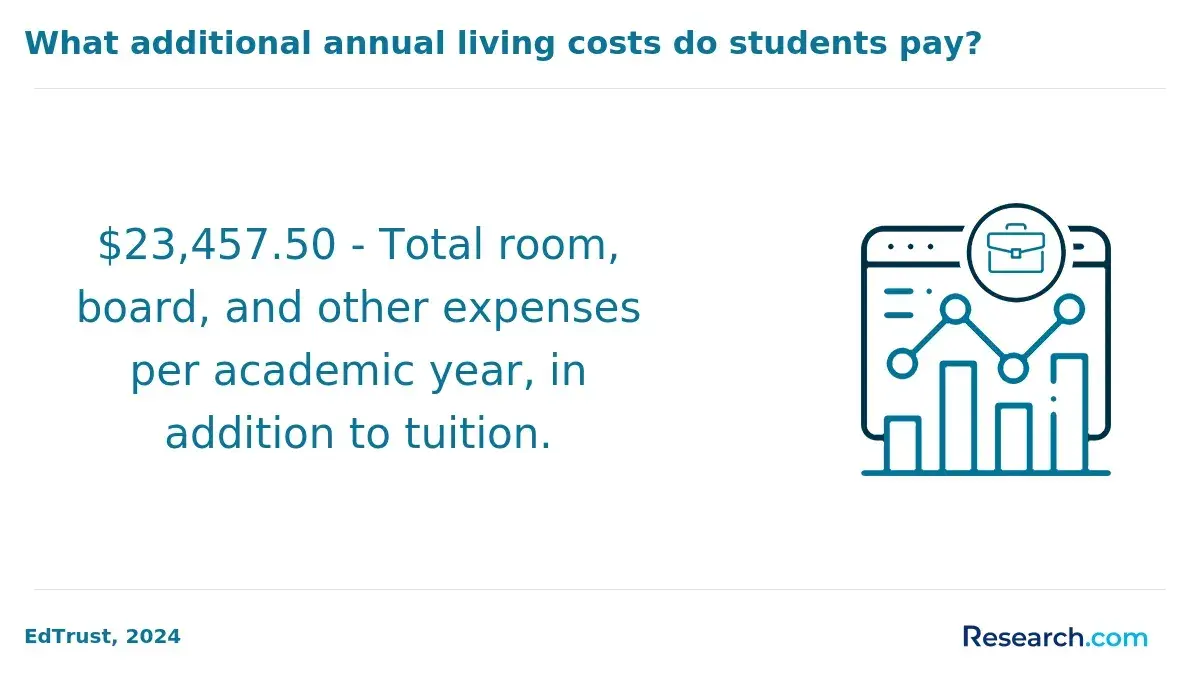
Financially, students confront substantial tuition costs: $30,000 to $60,000 for public undergraduate degrees and often over $100,000 at private universities, with doctoral studies adding $40,000 to $100,000. Additional expenses include licensing exams, supervised clinical hours, and living costs-elements frequently underestimated when planning timelines and budgets.
Program duration often extends beyond nominal years due to part-time study constraints, limited practicum sites, and mandatory supervised hours. Internship waitlists can delay workforce entry, amplifying financial strain and prolonging career transitions. Deciding between master's and doctoral pathways requires weighing immediate educational timelines against long-term employability, licensure scope, and income trajectory within psychology - mental health disciplines.
How can students evaluate accreditation and program quality in mental health psychology?
Accreditation remains the most reliable indicator of program quality in mental health psychology education. Graduates from programs accredited by the Council for Accreditation of Counseling and Related Educational Programs (CACREP) or the American Psychological Association (APA) are more likely to meet licensure criteria without delay and gain recognition from employers. Without these accreditations, candidates risk extended licensure processes and diminished job prospects.
However, accreditation alone does not guarantee workforce preparedness. Programs offering fewer than 600 supervised clinical hours often leave students undertrained for the realities of mental health counseling roles. Hiring managers increasingly favor graduates whose training includes substantial fieldwork integrated with classroom instruction and whose faculty members maintain active clinical practices or research engagement.
Given the projected 16.8% growth in substance use, behavioral disorder, and mental health counselor positions by 2034-resulting in roughly 81,000 new jobs-practical experience in community and healthcare settings is critical. Programs aligned with local health providers offer stronger pipelines to employment and more relevant hands-on learning.
Students weighing program flexibility, such as part-time or hybrid formats, must consider potential tradeoffs like reduced clinical exposure that can hinder licensure timing and employer appeal. Balancing cost, schedule, and the depth of training is essential for career changers targeting timely and sustainable entry into the mental health field.
What factors should you consider when choosing a psychology mental health specialization?
Selecting a psychology - mental health specialization requires prioritizing areas with tangible employability and adaptable credentials. For example, fields emphasizing telehealth have surged due to expanded remote care access; psychiatric technician and counselor roles rank among the fastest-growing occupations for 2024-2034, driven by digital platform integration.
Credential requirements vary widely: clinical psychology demands a doctorate, increasing education duration and cost, while counseling roles may only need master's-level certification, allowing earlier workforce entry but often with lower initial salaries. Such differences critically shape earning potential and career timelines.
Work environments also diverge significantly. Neuropsychologists typically work in hospitals or research institutions, involving structured clinical or scientific settings, whereas school psychologists operate in educational environments, which affects daily routines and employer demands. Geographic labor markets further influence opportunities; urban areas may saturate certain specialties, while rural zones often have acute provider shortages but require relocation flexibility.
Technology integration is a growing factor; specializations leveraging teletherapy and digital tools demand ongoing technical proficiency, altering skill maintenance and job performance expectations. Income potential aligns accordingly, with median wages around $80,000 for clinical psychologists versus approximately $45,000 for counselors, who often experience faster employment growth signaling differing advancement pathways.
Students should weigh credential investment against labor market fit, considering specialization relevance to evolving healthcare delivery models and regional workforce dynamics.
Other Things You Should Know About Psychology - Mental Health
Specialization in psychology enhances employability in both rural and urban settings by addressing specific community needs. In rural areas, generalist skills may be preferred due to limited resources, while urban centers value specialized expertise for diverse mental health issues, making specialized training beneficial in 2027.
A doctoral degree is not strictly required for all psychology mental health roles, but it expands access to leadership, research, and specialized clinical positions with higher earning potential. Master's-level credentials suffice for many licensed counseling or therapy roles with stable demand but often cap advancement and income growth. Candidates must weigh the extended time and financial investment of doctoral programs against the incremental career benefits in their chosen specialization, prioritizing doctoral studies if leadership or academic roles are a strategic goal.
Private practice offers greater autonomy and potentially higher earnings but requires additional business management skills and unstable client flow, which impacts income predictability. Institutional roles provide structured hours, steady salaries, and benefits but often come with limited clinical freedom and higher administrative workloads. Professionals new to the field benefit from gaining experience in institutional settings to meet employer expectations before transitioning to private practice, where long-term success demands a mix of clinical excellence and entrepreneurship.
References
- What Degree Do I Need to Become a Counselor or Therapist? https://paloaltou.edu/resources/blog/what-degree-do-i-need-become-counselor-or-therapist
- Types of Mental Health Professionals | NAMI https://www.nami.org/treatments-and-approaches/types-of-mental-health-professionals/
- Fastest Way To Become A Therapist Or Licensed Counselor https://www.psychology.org/careers/fastest-way-to-become-counselor/
- pioneer-healthcare.com: Verifying that you are not a robot... https://pioneer-healthcare.com/blog/therapist-vs-psychologist-salary/
- Student Mental Health and Education https://learningpolicyinstitute.org/product/student-mental-health-education-factsheet
- Home https://www.husson.edu/online/blog/2025/11/types-of-mental-health-counseling-specializations.html
- What Type of Therapist Do I Need? A Guide to Credentials and Mental Health Care - LifeStance Health https://lifestance.com/blog/therapist-types-credentials-explained-guide/
- How to Choose a Mental Health Specialization: Benefits, Challenges, and Career Growth | RipsyTech https://www.ripsytech.com/sit-and-stay-blog/choosing-a-specialization
- The 6 most in-demand jobs in mental health https://www.vu.edu.au/about-vu/news-events/vu-blog/the-6-most-in-demand-jobs-in-mental-health
- Mental Health Professional Average Salary Information - Psych Resources https://www.cmfgroup.com/knowledge-center/psychologist-mental-health-professional-malpractice/salary-information/