2027 Psychology - Mental Health Specializations for Case Management Careers

Co-Founder and Chief Data Scientist
Case managers in psychology - mental health confront escalating caseload complexity amid workforce shortages, where timely, specialized intervention can prevent costly hospital readmissions and community crises. Recent data from the Bureau of Labor Statistics projects a 13% employment growth for mental health specialists through 2032, signaling rising demand yet fierce competition for differentiated expertise and credentials. Additionally, the Lumina Foundation reported a 27% increase in adult learners seeking flexible, online programs since 2023, reflecting a shift toward part-time, career-integrated education.
This evolution complicates decisions on which specialization best aligns with evolving employer expectations and personal career mobility. This article evaluates core mental health specializations crucial for case management roles, focusing on labor market fit, educational access, and strategic enrollment choices to guide informed career advancement.
Key Things You Should Know
- In 2026, a pronounced shift toward integrated care models demands case managers with dual expertise in clinical psychology and social determinants, but extended training timelines inflate education costs by 25% compared to general psychology tracks.
- Employers increasingly favor certifications in trauma-informed care within mental health specialization, correlating with a 32% higher job placement rate, yet this narrows hiring pools, intensifying competition among candidates lacking such credentials.
- Government-backed funding cuts since 2024 reduce subsidized training availability by 18%, escalating out-of-pocket expenses and disproportionately impacting non-traditional and low-income students seeking mental health case management careers.
What psychology and mental health specializations best prepare you for case management careers?
Specializations in clinical psychology, counseling psychology, and social work with a mental health focus distinctly position graduates for case management roles by addressing different operational demands in care coordination. Clinical psychology graduates often fit hospital settings managing dual psychiatric and medical cases, while those with a master's in social work (MSW) emphasize community-based advocacy and service navigation. Counseling psychology bridges these with client-focused behavioral strategies crucial in outpatient and rehabilitation environments. These differences matter for candidates prioritizing specialization versus accessibility and for employers looking for specific competencies in managing vulnerable populations.
Employers value practical experience in systems navigation and multisector liaison work, often expecting practicum or internship exposure within integrated healthcare or public health agencies. Mental health case managers serve as a nexus between clients, medical providers, housing, and social services, requiring skills that extend beyond theory to hands-on coordination. The U.S. Bureau of Labor Statistics projects a 12% growth in mental health occupations between 2023 and 2033, highlighting the strategic advantage of choosing the best mental health fields preparing professionals for case management with an eye toward evolving workforce needs.
Prospective students should consider the balance between higher credential barriers in clinical psychology against broader credential access in counseling and social work, aligning their choices with their intended case management setting and scope of practice. For individuals evaluating pathways, exploring accelerated psychology programs online can offer practical routes to quicker deployment in this expanding sector.
What degree pathways in psychology and mental health lead to case manager roles?
Case manager roles in Psychology - Mental Health generally require degrees aligned with clinical responsibility and licensure. Employers typically mandate a master's degree-for example, an MSW or counseling master's with supervised clinical hours-for roles involving diagnosis, treatment planning, or direct client interventions. Meanwhile, a bachelor's degree in social work, psychology, or human services may qualify candidates for entry-level or support roles but often requires additional certifications or supervised experience to advance. This distinction reflects critical educational requirements for mental health case managers, especially in clinical settings.
The projected 19% growth in employment for substance abuse, behavioral disorder, and mental health counselors signals a rising need for professionals who couple relevant credentials with case management skills. For instance, an MSW with behavioral health specialization enables transition into complex case management roles in community health or corrections, supported by licensure like the Licensed Clinical Social Worker (LCSW), which demands clinical training. By contrast, psychology master's degrees without clinical licensure are more likely to lead to research or program coordination positions rather than direct client management.
Additional certifications such as Certified Case Manager (CCM) can further boost employability in healthcare and rehabilitation sectors, where regulatory compliance matters. Candidates must weigh the tradeoff between the efficiency of a bachelor's plus certification versus investing in a clinical master's degree for broader licensure and salary traction. Professionals exploring degree pathways in psychology and mental health for case manager careers should also consider programs offering supervised fieldwork to meet licensure prerequisites.
To evaluate affordable options with practical licensure pathways, prospective students might review resources like online masters in psychology that balance cost and clinical focus.
What are the education, licensing, and certification requirements for mental health case managers?
Progression in mental health case manager roles often hinges on educational credentials combined with state-specific licensing and certification requirements. While a bachelor's degree in psychology, social work, nursing, or related human services fields suffices for entry into many community-based programs, this level frequently caps advancement opportunities. For those targeting clinical supervision or more complex service coordination, employers typically prioritize master's level qualifications, notably a Master of Social Work (MSW) or a master's in counseling psychology. These degrees correspond directly to the competencies sought for higher responsibility roles.
Licensing demands vary but usually require credentials like Licensed Clinical Social Worker (LCSW) or Licensed Professional Counselor (LPC), granting broader clinical authority and enhancing employability in specialized behavioral health environments. Case managers without clinical licensure often pursue certification programs to bolster their professional standing and secure employment in reimbursement-dependent sectors such as substance abuse treatment. Key certifications include the Certified Case Manager (CCM) and State Certified Peer Support Specialist, both requiring documented supervised experience and passing rigorous examinations.
Because the median annual salary for substance abuse, behavioral disorder, and mental health counselors was $59,190 in May 2024, with a projected 17% employment growth from 2024 to 2034, pursuing advanced credentials directly influences salary potential and job security. However, candidates must weigh the tradeoff between additional schooling time and access to higher-tier roles.
Prospective students should also consider accredited online psychology degree options for flexibility. This approach aligns well with the multifaceted demands embedded in mental health case manager education and licensing requirements as well as certification criteria for mental health case management professionals.
How do online psychology-mental health programs for case management compare to campus options?
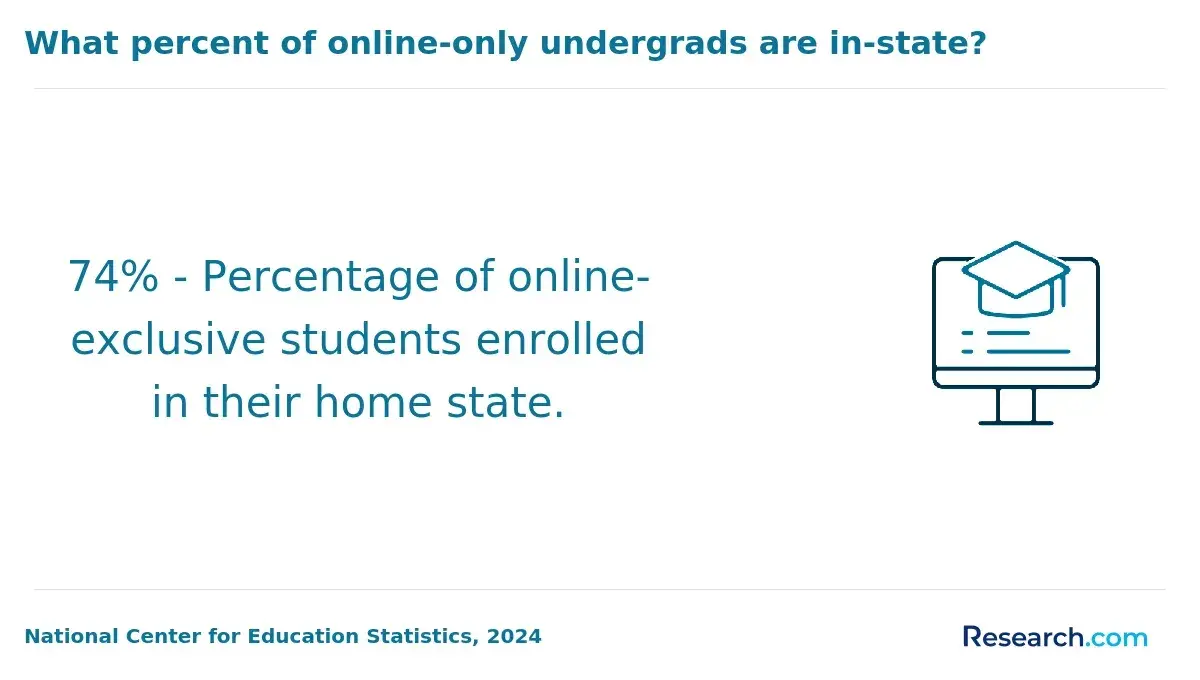
Choosing between online psychology mental health case management programs and campus-based training involves weighing clear tradeoffs in clinical experience and professional networking. Campus programs typically offer direct access to in-person internships and partnerships with healthcare agencies, which accelerates practical skill acquisition critical for roles like hospital discharge planning. Conversely, online programs provide the flexibility needed by working professionals or those constrained by location but often require students to independently arrange supervised clinical placements, delaying hands-on readiness.
Employers increasingly accept online credentials when paired with diligent fieldwork, yet the absence of integrated practicum experiences can affect time to credentialing and professional credibility. The U.S. Bureau of Labor Statistics anticipates 6% employment growth for psychologists and related mental health professionals from 2024 to 2034, with a median annual wage of $94,310, reflecting sustained demand for trained case managers.
Students evaluating campus versus online psychology mental health training should prioritize:
- Availability and quality of supervised clinical placements accessible via the program
- Integration with local healthcare or social service agencies
- Employer reputation and alumni outcomes specific to the program delivery mode
Understanding these factors helps balance flexibility with immediate clinical engagement. For many, pursuing the cheapest online master's in counseling might be appealing, but diligent consideration of practicum access and employer expectations remains essential for successful case management careers.
What core courses and skills are taught in case management-focused psychology programs?
Case management-focused psychology programs prepare students for complex roles requiring seamless coordination across clinical and social service sectors. Graduates must master clinical interviewing, crisis intervention, and interdisciplinary communication while navigating fragmented healthcare systems. This competency is critical because employers expect practitioners who can manage high caseloads efficiently, backed by hands-on practicum experience to bridge theoretical training with real-world demands.
Programs emphasize evidence-based methods like cognitive-behavioral techniques and motivational interviewing, alongside mandatory cultural competence and trauma-informed care training reflecting client diversity. Students also learn to interpret insurance frameworks and community resource networks essential for addressing social determinants of health and sustained client support.
Labor projections from Psychology.org, referencing U.S. Bureau of Labor Statistics data (2024-2034), show that roles tied to case management, including psychiatric technicians and substance use counselors, will grow sharply, by 20% and 16.8%, respectively. These figures highlight a market increasingly valuing professionals adept at outcome measurement, data documentation, and advocacy across agencies.
However, a tradeoff exists between depth and speed of study. Intensive programs enhance clinical readiness but delay labor market entry, while shorter pathways risk inadequate practicum exposure, impairing case load management skills critical in mental health and substance abuse recovery settings.
How long do psychology-mental health case management programs take and what do they cost?
Completing a credential in psychology - mental health case management requires careful consideration of time and cost relative to career goals and job market realities. Certificate and associate programs take 1 to 2 years, suiting individuals seeking rapid entry or immediate employer needs; bachelor's degrees generally need around 4 years, while master's degrees, especially those with clinical internships, require 2 to 3 years. For example, a working professional aiming to pivot quickly may choose an accelerated online certificate under one year, whereas those targeting supervisory or clinical roles often invest in longer master's studies.
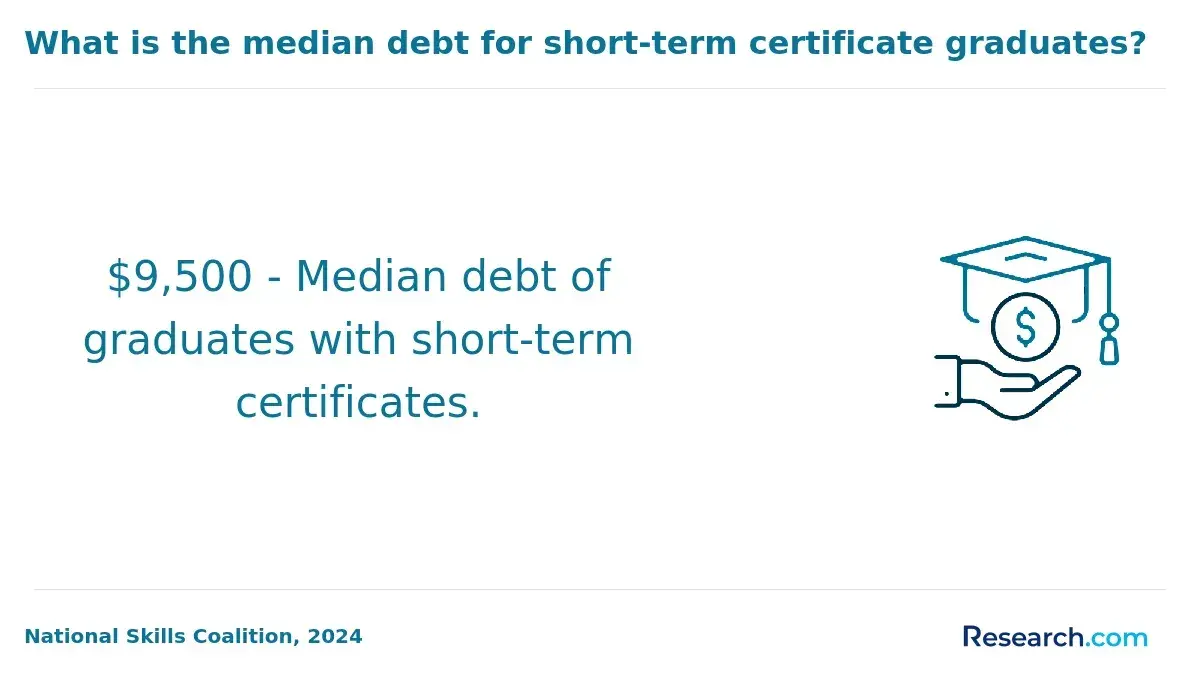
Financially, programs range widely: certificates usually cost $5,000 to $15,000, associate degrees $10,000 to $25,000, and bachelor's or master's programs-including private school options-can exceed $40,000 and $60,000 respectively. In-state public tuition can moderate these expenses, but budgeting must consider potential debt against career value and salary trajectories. Employers emphasize field experience, so programs integrating internships or supervised work improve employability but often extend completion time.
Balancing these factors presents a tradeoff: lower-cost, shorter certificates grant quick access to entry-level jobs but limit advancement and earning potential; more comprehensive degrees require greater investment but expand opportunities in clinical supervision and specialized settings such as hospitals. Given sustained shortages projected by the 2024 HRSA Behavioral Health Workforce Brief, strategic choices made now will impact long-term career stability and growth.
What are typical job duties and work settings for mental health case managers?
Effective mental health case management demands a blend of clinical insight, care coordination, and system navigation skills, with an increasing focus on technology-enabled service delivery. Case managers orchestrate personalized care plans integrating clinical treatment, housing, employment assistance, and social supports, while continuously monitoring progress and updating objectives to maintain client stability.
Settings vary widely-from hospitals and outpatient clinics to community centers and correctional facilities-each requiring specific expertise: hospital-based managers often coordinate post-discharge care to reduce readmission, whereas community case managers emphasize housing and vocational stability. These roles necessitate adept interprofessional communication and fluency in diverse funding structures.
Remote and telehealth case management positions can yield 10-15% higher compensation, reflecting greater demand for digital proficiency and data-driven performance metrics in outcomes-based reimbursement models. Consequently, prospective professionals face a tradeoff between traditional, in-person roles and emerging telehealth opportunities that require stronger technical competencies but offer better pay.
Key duties include biopsychosocial assessments, treatment monitoring, eligibility determination, and compliance documentation. Administrative tasks consume substantial time, demanding precision and regulatory knowledge alongside client advocacy.
What salary ranges and earning potential can mental health case managers expect?
Salary outcomes for mental health case managers are shaped profoundly by role specialization, geographic market, and credentialing. For instance, mental health and substance abuse social workers in New York City earn an average of $100,710, significantly outpacing related roles like psychiatric technicians at $58,187 and community health workers at $62,686, according to 2024 NYC Behavioral Health Career Roadmap data. These disparities illustrate how advanced degrees and licensure directly influence earning power within the psychology - mental health landscape.
Employers prioritize candidates with clinical expertise who can navigate complex cases, including co-occurring disorders. Entry-level positions typically start between $50,000 and $60,000, but experienced social workers managing urban caseloads can surpass $90,000 annually. Conversely, professionals in rural or underfunded areas often face salaries below $50,000, reflecting resource limitations and workforce shortages.
Prospective case managers must weigh the upfront cost and time commitment of advanced education-such as a master's degree-against the potential for higher income, increased job stability, and more demanding responsibilities. Licensed clinical social workers embedded in integrated care teams, for example, usually command better compensation and stronger job security than their less credentialed peers.
What is the job outlook and demand for psychology-trained mental health case managers?
The demand for psychology-trained mental health case managers reflects the growing complexity of care coordination, requiring candidates to master clinical knowledge alongside administrative skills. Employers give preference to those with advanced credentials in clinical or counseling psychology, as these professionals navigate multifaceted patient needs, insurance requirements, and interdisciplinary collaboration that basic psychology training alone does not address.
For example, working in a metropolitan community mental health center involves managing diverse populations with chronic mental illnesses or substance use histories, demanding tailored interventions informed by psychological assessment and social factors. Without specialized licensure or certification, candidates often face difficulty rising beyond entry-level roles.
Key operational challenges include proficiency with electronic health record (EHR) systems and understanding evolving insurance reimbursement protocols, which directly influence performance and advancement. Employers also value documented outcomes from clinical assessment and integrated case planning.
Successful navigation of this pathway often necessitates continuing education and credentialing to enhance employability and salary prospects, especially for professionals transitioning from more general psychology backgrounds. The balance between specialized training and practical experience determines long-term career trajectory in this field.
How can students evaluate and choose a reputable, accredited case management program?
Accreditation remains the foremost criterion in assessing case management programs, as it directly impacts licensure eligibility and employer recognition. Programs without accreditation from agencies acknowledged by the U.S. Department of Education or the Council for Higher Education Accreditation risk leaving graduates with limited professional mobility. For instance, behavioral health programs in metropolitan areas like New York City must offer curriculum that aligns tightly with workforce growth-projected at over 25% by 2030 per the NYC Behavioral Health Career Roadmap-emphasizing integrated care coordination and community resource navigation.
Choosing between fully online, hybrid, or traditional on-campus formats involves practical tradeoffs. While online delivery offers flexibility for working adults, limited synchronous clinical practicums may delay meeting supervised practice hours required for state licensure. Prospective students must verify how program format influences timely completion and credential acceptance by licensing boards.
Beyond accreditation and instructional delivery, transparent financial evaluation is critical. Total program costs often extend beyond tuition to include mandatory exam fees and internship expenses. Programs that maintain robust employer partnerships and clear internship pathways can markedly improve immediate post-graduation employment, which is a vital outcome metric often overlooked in promotional content.
Key factors to weigh include:
- Accreditation status validated by authoritative bodies
- Curriculum relevance to region-specific labor market projections
- Program delivery mode's impact on supervised clinical experiences
- Comprehensive cost assessment including ancillary fees
- Graduate employment rates grounded in employer alliances
This integrated approach balances educational rigor with pragmatic workforce requirements, enabling informed decisions for those pivoting or advancing within the Psychology - Mental Health sector.
Other Things You Should Know About Psychology - Mental Health
Workload intensity varies greatly by setting, with community and hospital-based case management positions frequently requiring high caseloads and administrative tasks, which can lead to burnout. Prioritizing programs with strong training in time management and crisis intervention prepares candidates to handle these pressures more effectively. Selecting roles in well-resourced agencies that offer supervisory support improves long-term career stability and job satisfaction.
Programs integrating interdisciplinary approaches position graduates for better outcomes by emphasizing collaboration with medical, social work, and psychiatric professionals. This focus aligns with employer expectations for holistic care coordination and enhances adaptability across diverse client needs. Prioritizing such programs expands employment options and can accelerate readiness for complex case management environments.
Early specialization streamlines entry into focused case management roles but may limit flexibility if career shifts become necessary. Broad foundational programs provide versatile skills applicable to multiple mental health careers but require additional targeted training to qualify for specialized case management jobs. Decision-makers must balance short-term employability against long-term adaptability, leaning toward foundational training when uncertain about niche commitment.
References
- Case Manager Salaries Show Strong Growth Trend | Case Management Institute https://casemanagementinstitute.com/case-manager-salaries-show-strong-growth-trend/
- BHCM Certification Steps https://oklahoma.gov/odmhsas/trainings/workforce-certification/behavioral-health-case-management/bhcm-certification-steps.html
- Quick Links https://www.acmaweb.org/acm/
- Behavioral Case Management Jobs | HealthCare Support https://www.healthcaresupport.com/behavioral-case-manager
- 10 Fulfilling Mental Health Careers You Can Train for Now | Palo Alto University https://paloaltou.edu/resources/blog/mental-health-careers-you-can-start-now
- Fastest Growing Careers In Psychology | Psychology.org https://www.psychology.org/resources/fastest-growing-careers-in-psychology/
- Making an Impact with Careers in Mental Health - ECCM https://www.eccm.org/blog/making-an-impact-with-careers-in-mental-health
- What is a Mental Health Case Manager? Duties, Clinical Team & Licensing https://www.mhaonline.com/faq/what-is-a-mental-health-manager
- How to Become a Certified Case Manager? Types of Case Manager https://www.planstreet.com/how-to-become-a-certified-case-manager
- Career Options in Mental Health and Psychology | Bridgewater College https://www.bridgewater.edu/academics/divisions/psychology/career-options-in-mental-health-and-psychology/