2027 Best Online Psychology - Mental Health Degrees for Social Work-Adjacent Careers

Co-Founder and Chief Data Scientist
Balancing full-time work with advancing education in psychology - mental health remains a pressing challenge for many professionals targeting social work-adjacent careers. The Bureau of Labor Statistics projects a 13% growth in mental health-related occupations over the next decade, intensifying competition and employer expectations for flexible yet rigorous credentials.
However, nearly 60% of online learners in 2024 are adults seeking career pivots, prioritizing programs that accommodate complex schedules without compromising accreditation or field relevancy. This growing demand underscores the importance of identifying online degrees that deliver both accessibility and tangible career mobility. This article evaluates top online psychology - mental health degrees designed to meet those practical career and life constraints effectively.
Key Things You Should Know
- Graduates of online psychology - mental health degrees often face credentialing bottlenecks delaying licensure by 12-18 months, with state-specific practicum mandates challenging portability across jurisdictions according to SAMHSA reports.
- Employer preference data from the National Association of Social Workers indicates 65% of social work-adjacent roles prioritize clinical experience over academic prestige, pressuring candidates toward hybrid models that integrate practicums.
- Cost analyses reveal fully accredited online programs average $18K-$24K, with delayed workforce entry due to internship requirements compounding opportunity costs, emphasizing timing tradeoffs critical for mid-career professionals.
What is an online psychology-mental health degree and how does it support social work-adjacent careers?
The practical value of online psychology and mental health degree programs for social work careers lies in their capacity to blend behavioral science foundations with applied skills that social services employers increasingly demand. Candidates equipped not only with theory but also with trauma-informed care, developmental psychology insights, and culturally competent communication stand out-especially when transitioning from general human services to youth case management or case documentation roles. This mix strengthens eligibility for roles where client mental states and social determinants are critical, an advantage over more generic social work pathways.
These programs generally require securing clinical practicum placements independently, an aspect often underestimated by students balancing professional and personal commitments. The necessity of onsite internships complicates the asynchronous online format and introduces a delay tradeoff: pursuing accredited clinical training for timely licensure versus entering the workforce sooner in supportive, paraprofessional positions that demand less formal credentialing.
The landscape now includes more than 1,000 accredited options for an online psychology and mental health degree, reflecting a 40% surge since 2019. Yet, beyond availability, evaluating program rigor, accreditation status, and clinical training relevance according to specific social work-adjacent aims remains essential for genuine career mobility. Practical realities in documentation, crisis intervention, and culturally sensitive outreach shape employer expectations within this evolving human services labor market.
For professionals seeking a strategic shift or advancement, understanding these dynamics alongside focused program choices-such as an online masters degree in mental health counseling-facilitates alignment with tangible job outcomes and workforce demands.
What social work-adjacent careers can you pursue with an online psychology-mental health degree?
Online psychology-mental health degrees open access to social work-adjacent careers with an online psychology mental health degree that emphasize applied skills over licensure. Roles such as behavioral health technicians, community outreach coordinators, and rehabilitation specialists capitalize on competencies in client assessment, crisis intervention, and care coordination without requiring full social work credentials. For instance, behavioral health technicians in hospitals support mental health treatment primarily through psychological knowledge, facilitating patient care alongside clinical teams without acting as licensed professionals.
Employers seeking candidates for these positions value practical experience within mental health environments, advanced communication skills, and proficiency with electronic health record systems. Consequently, internships and certifications in relevant software are common prerequisites. Compared to licensed social workers, these roles typically feature lower entry barriers and less regulatory supervision, appealing to professionals pivoting from unrelated fields who want to avoid the extensive commitments of full clinical licensure.
Career options for online psychology mental health graduates in social services remain stable due to a projected 6% growth in social worker employment from 2024 to 2034, underscoring rising demand for adjacent roles in nonprofit organizations, rehabilitation facilities, and community mental health centers. Prospective graduates must consider state-specific certification requirements and employer expectations, which occasionally mandate specialized training beyond the degree. Developing cross-disciplinary skills such as data collection, crisis management, and cultural competence improves job readiness in this nuanced workforce.
Those evaluating next steps should also explore related pathways such as jobs I can get with a masters in forensic psychology to map complementary career trajectories within the broader mental health and social services landscape.
How do online psychology-mental health programs compare to campus options for training and flexibility?
Choosing between online psychology mental health programs vs campus options fundamentally hinges on clinical training and networking pathways. Campus programs typically embed supervised practicums and local partnerships, providing direct access to field placements essential for licensure readiness. In contrast, online students must independently secure these opportunities, which can delay qualification and affect employer perceptions-especially in roles requiring verified applied experience.
Flexibility in online psychology mental health training is a significant advantage for professionals balancing work or caregiving, but this demands strong self-direction to meet rigorous practicum and internship requirements. Students in rural or underserved areas often find online programs their only option, though this comes with the challenge of proactively arranging quality clinical hours without institutional facilitation.
Workforce outcomes illustrate the practical consequences of these differences. For example, median salaries projected for 2026 show licensed psychologists earning $91,100 annually, whereas related positions like case managers and health educators average $65,900 and $56,800 respectively, reflecting the value of robust clinical experience and licensure.
Prospective students need to scrutinize practicum support and licensing alignment before committing. The degree's format interacts with employer expectations and career mobility; graduates lacking verified practical hours may face hiring barriers compared to campus-educated peers.
For a detailed comparison of investment required, the online psychology degree cost is a critical factor to consider alongside program quality and practical training availability.
What accreditation and program quality standards should online psychology-mental health degrees meet?
Selecting an online psychology and mental health degree requires prioritizing program accreditation beyond regional approval, focusing on specialized endorsements such as CACREP or COAMFTE that confirm curriculum rigor and alignment with licensure criteria. These accreditations are decisive when states assess eligibility for clinical roles and ensure graduates possess verified experiential and faculty-supervised practicum components.
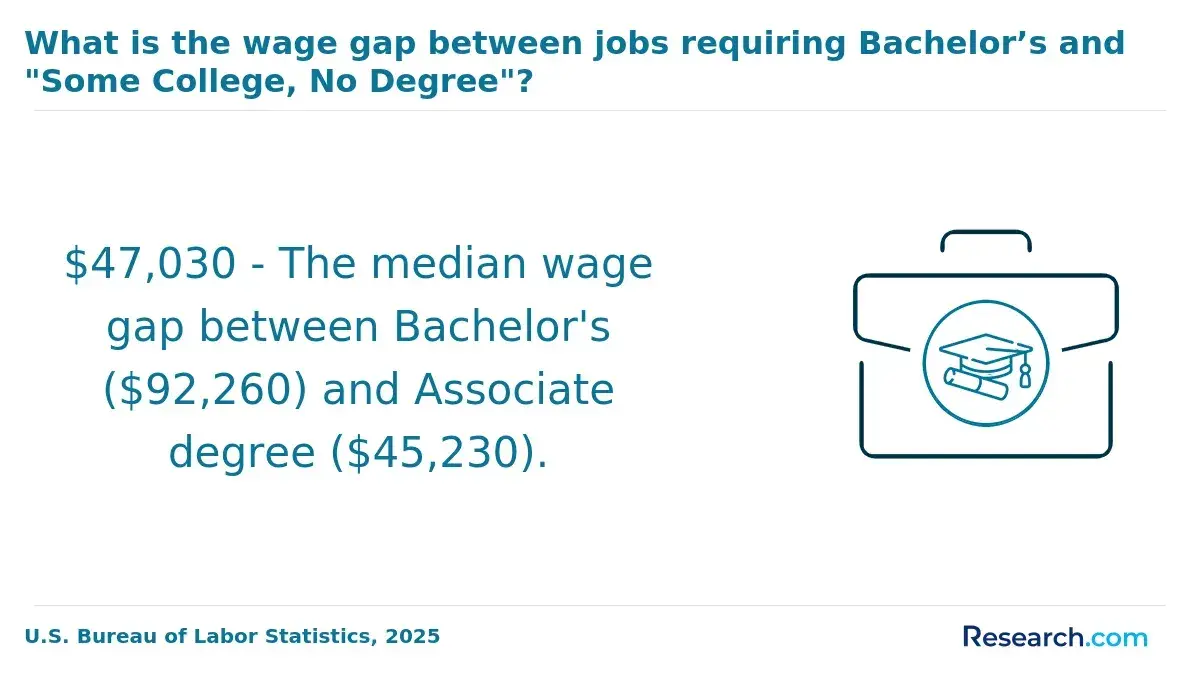
Program outcomes must be scrutinized through tangible metrics like graduation rates, licensure exam success, and employment data to avoid investing in degrees with limited workforce value. For instance, graduates from quality online human services bachelor's programs report median wages 27-30% above the typical $36,000 median for high school only workers, embodying a direct economic return linked to authentic skill acquisition.
Employers increasingly demand evidence-based credentials demonstrating that candidates have engaged in applied learning with credible agency partnerships. Without these elements, graduates face delayed licensure or additional certification requirements, which can stall career transitions or advancement in licensed social work or clinical settings.
Evaluating quality criteria for online psychology mental health programs in the US requires discerning these layered accreditation and outcome factors. Prospective students weighing cost should also reference resources like the cheapest counseling degree online listings to balance financial and professional priorities effectively.
What courses and specializations are typically included in online psychology-mental health programs?
Online psychology-mental health programs offer foundational courses including developmental psychology, cognitive behavioral therapy, and research methods, which are essential for social work-adjacent roles. Yet, program value largely hinges on specialization choices and practical training opportunities. For instance, a candidate pursuing school social work must understand distinct legal confidentiality requirements compared to those entering community mental health.
Programs increasingly require supervised practicum or capstone projects to bridge theory with applied skills; however, fully online students face significant challenges securing such placements, necessitating proactive coordination with local agencies and program advisors. This step is critical, as employers prioritize candidates who combine academic knowledge with documented experiential learning.
State authorization matters significantly for eligibility in licensure and employment, particularly for those targeting clinical mental health or substance abuse counseling. Meanwhile, electives in trauma-informed care, multicultural competence, and integrated behavioral health offer strategic advantages in workforce niches that demand specialized expertise.
Recent data projects growth to over 40 accredited online master's in psychology programs by 2025, doubling availability in five years. Prospective students should weigh the balance between program accessibility and the rigor of practicum support when selecting graduate training aligned with realistic career pathways.
What education, licensing, and certification steps are required for common mental health roles?
Decisions about pursuing education in psychology - mental health must weigh the significant time, cost, and regulatory demands against their impact on employability and career trajectory. Entry-level roles like mental health technicians or case managers generally require a bachelor's degree paired with supervised experience, positioning candidates for immediate but limited advancement without further licensure. In contrast, licensed clinical roles mandate at least a master's degree plus between 2,000 and 4,000 hours of supervised clinical practice, a significant investment with regional variation in licensing requirements.
Exams differ by specialization: Licensed Clinical Social Workers (LCSW) take the ASWB clinical exam, Licensed Professional Counselors (LPC) typically pass the National Counselor Examination (NCE), and psychologists pursue licensure through the EPPP exam. Maintenance of these credentials involves ongoing continuing education, reinforcing commitment beyond degree completion.
Cost disparities profoundly influence pathway choice, with annual tuition ranging from roughly $8,000 at public institutions to over $35,000 at private schools, emphasizing the need to balance debt against program alignment with licensure requirements. Working professionals recalibrating their careers should prioritize programs offering targeted curricula to reduce time-to-practice and financial burden.
Additional certifications, such as Certified Alcohol and Drug Counselor (CADC) credentials, can expand specialist opportunities but vary in demand by employer and state. Ultimately, candidates must strategically coordinate education, licensing laws, and clinical experience to navigate complex regulatory landscapes and ensure sustainable employment in psychology - mental health fields.
What are typical admission requirements for online psychology-mental health bachelor's and master's programs?
Admission into online psychology-mental health programs requires careful alignment with both academic standards and workforce demands. Bachelor's entry typically mandates a high school diploma or equivalent, plus a GPA near 2.5 to 3.0. Many programs have shifted to test-optional policies, but require personal statements and recommendation letters. Master's level enrollment expects a relevant bachelor's degree with at least a 3.0 GPA, official transcripts, and evidence of foundational knowledge in areas like statistics or abnormal psychology. This reflects employer expectations for candidates who can manage rigorous clinical and research tasks without remedial training.
Working professionals face added scrutiny regarding time management and technological preparedness. For example, a social worker transitioning to mental health counseling must confirm prerequisite coursework aligns with licensure pathways, avoiding redundant education and ensuring practical readiness. This gatekeeping serves to streamline candidate suitability for complex roles.
The surge in demand-evidenced by 37 online BSc programs worldwide in 2025 from Onlinestudies-intensifies competition. Prospective students should critically evaluate how admission requirements intersect with regional licensure and certification rules, as this decisively impacts their career trajectory within psychology-mental health fields.
How long do online psychology-mental health degrees take, and what do they cost?
Opting for an online psychology-mental health degree demands weighing time, cost, and credential value against specific career goals. Associate and bachelor's degrees typically span two to four years, offering foundational knowledge but limited licensure prospects. Master's programs, generally requiring two to three years, are necessary for many therapy-related licenses; however, extended part-time or accelerated options affect duration and affordability. Doctoral paths (PhD, PsyD) involve four to six years, including research or clinical internships, intensifying both time and financial commitments.
Financially, undergraduate costs at public institutions range widely from $15,000 to $40,000 for in-state students, while master's programs average $20,000 to $60,000. Doctoral degrees often exceed $60,000 when factoring clinical placements and ancillary fees. These figures exclude indirect expenses such as technology and textbooks, as well as income lost during full-time study.
For working professionals transitioning into psychology-adjacent roles like clinical social work therapy-projected to earn an average salary of $90,121 in 2025-the investment in longer licensure routes may be justified. Yet, those seeking rapid career pivots should consider that practical requirements, including supervised clinical hours, often complicate purely online formats and can lengthen completion times.
Key considerations include:
- Balancing time-to-degree with tuition costs and opportunity costs from extended part-time study
- Recognizing that bachelor's degrees rarely enable clinical licensure necessary for higher-paid therapy roles
- Planning for hybrid or local internship requirements that affect timeline and flexibility
- Aligning program choice with realistic workforce outcomes and licensing prerequisites
What salary ranges and job outlook can graduates expect in mental health and social services?
Choosing a career in mental health and social services involves weighing distinct trade-offs between salary, licensure demands, and sector-specific opportunities. Licensed professional counselors (LPCs) generally start near $50,000 with growth potential beyond $70,000, particularly in private practice settings where specialized skills command premiums. In contrast, social workers see a median wage around $58,000 but often encounter slower wage growth and more limited clinical autonomy, which can affect placement prospects and long-term earning capacity.
The labor market increasingly favors counseling credentials due to broader billing and treatment authority, making licensed counselor roles more accessible and often better compensated than comparable social work positions in community clinics or outpatient facilities. However, clinical psychologists, while earning above $80,000, require more extensive education and licensure investment, posing higher upfront time and financial costs.
Location and employer type further influence compensation: urban and private sector roles typically pay better than government or nonprofit jobs, which may offer greater job stability at lower wages. Graduate candidates should consider ongoing certification and specialized training as vital for advancing beyond entry-level roles and managing high-complexity caseloads.
Practical factors to assess include:
- Comparative earning trajectories between counselors and social workers across states
- Licensing requirements affecting time-to-employment and credential portability
- Sector-specific job security versus salary trade-offs
- Regional cost-of-living impacts relative to salary scales
Recognizing these variables is key for aligning educational choices with realistic employment outcomes in the evolving psychology - mental health landscape.
How can you evaluate and choose a reputable online psychology-mental health program?
Accreditation remains the non-negotiable baseline when selecting an online psychology - mental health program, as 67% of hiring managers prioritize degrees from regionally accredited institutions recognized by the Department of Education or CHEA. Choosing programs without this rigor risks students facing licensing hurdles and diminished employability.
Beyond accreditation, the curriculum's weight on clinical practice and research is pivotal. Licensure-dependent careers like counseling or social work require specific practicum or internship hours integrated with supervised fieldwork-online programs partnering locally to secure these experiences significantly reduce remote learners' logistical barriers.
Programs staffed by licensed clinicians or published researchers offer updated, evidence-based content that aligns with employer expectations. Graduation rates and employment alignment statistics reveal a wide gap-some online master's programs report placement rates below 50%, while others surpass 80%, illustrating the variability in outcomes that prospective students must critically evaluate.
Working professionals must balance schedules and technology constraints. Asynchronous courses with firm deadlines provide flexibility, but students needing live interaction for learning preferences or licensure mandates should confirm synchronous options.
Tuition cost cannot be assessed in isolation; less expensive programs often lack practical training or accreditation, diminishing long-term return on investment.
- Verify regional accreditation before application.
- Ensure practicum or internship components meet licensure requirements.
- Prioritize programs demonstrating strong graduate employment outcomes.
- Match course delivery methods with your professional and learning needs.
Other Things You Should Know About Psychology - Mental Health
Online psychology - mental health programs typically demand comparable workloads to campus programs but require greater self-discipline due to asynchronous pacing and limited direct faculty interaction. Students must manage readings, assignments, and internships independently, which can increase stress if time management skills are weak. Choosing programs with structured deadlines and accessible faculty support improves completion rates and practical readiness.
Theory-heavy online programs provide foundational knowledge but often fall short on applied skill development critical for social work-adjacent roles, such as assessment and intervention techniques. Programs prioritizing practical training with hands-on simulations, case studies, and community engagement better prepare graduates for immediate job performance. Prospective students should evaluate whether the curriculum aligns with employer expectations for entry-level competency over purely academic understanding.
Yes, an online degree can facilitate advancement in management, advocacy, or policy roles within social services that do not require clinical licensure. Employers in these fields value demonstrated understanding of mental health frameworks combined with leadership or organizational skills. Students targeting such roles should seek programs offering applied project opportunities or certifications that enhance nonclinical capabilities alongside psychology - mental health content.
References
- How to Become a Mental Health Social Worker https://www.saintmarys.edu/mental-health-social-work-careers
- Online Psychology Degrees | University of Phoenix https://www.phoenix.edu/online-psychology-degrees.html
- Mental Health Licensure, Certification & Degree Requirements https://www.publichealthonline.org/mental-health/
- Social Worker vs. Psychologist: Which Career is Right for You? | UMass Global https://www.umassglobal.edu/blog-news/social-worker-vs-psychologist
- Ultimate Guide to Mental Health & SUD Treatment Credentialing — Behavehealth.com https://behavehealth.com/blog/mental-health-substance-use-credentialing-guide
- BSW vs BA Psychology: Jobs, Salary & More – AU https://online.aurora.edu/program-resources/social-work-vs-psychology-degree/
- 9 Mental Health Careers You Can Pursue with a BA https://www.nec.edu/news/9-mental-health-careers-you-can-pursue-with-a-ba
- What Is Social Work? https://socialworklicensemap.com/become-a-social-worker/what-is-social-work/
- Careers In Social Work | Psychology.org https://www.psychology.org/social-work/careers/
- Social Work, Counseling, or Psychology: How to Pick Your Path https://www.degreesforgood.org/careers/social-work-counseling-or-psychology/