2027 Political Science Specializations for Legislative Affairs Careers

Co-Founder and Chief Data Scientist
Midcareer professionals aiming to transition into legislative affairs often face a crushing dilemma: finding political science specializations that reconcile rigorous, career-relevant curricula with scheduling demands and geographic constraints. Recent data from the National Center for Education Statistics reveal a 25% surge in online political science enrollment since 2023, signaling a shift toward flexible pathways tailored for adult learners balancing work and study.
This rise reflects broader labor market expectations for hybrid-ready graduates adept in policy analysis, lobbying strategies, and regulatory frameworks. This article will evaluate political science specialization options geared for legislative affairs careers, weighing their practical value against real-world constraints to guide strategic educational decisions.
Key Things You Should Know
- Legislative affairs roles demand expertise in comparative legislative processes, with 62% of employers preferring candidates with coursework in parliamentary procedure over general political theory, shaping specialization choices toward procedural fluency.
- Employers increasingly prioritize interdisciplinary skills-35% more legislative analyst job listings between 2023-2025 require data analytics proficiency-forcing strategic integration of quantitative methods in political science training.
- Graduate specialization pathways average two years and cost 20-30% more than general political science degrees, creating a critical timing and affordability tradeoff for mid-career professionals weighing rapid pivot versus long-term credential investment.
What are the main political science specializations that prepare you for legislative affairs careers?
Career-focused political science specializations for legislative affairs in the United States demand careful alignment of skills with employer expectations. Public policy analysis provides deep expertise in legislative crafting and regulatory assessment but may limit adaptability outside focused policy roles.
American government specialization covers the operational mechanics of U.S. institutions, essential for working directly with congressional processes and committee dynamics. Meanwhile, international relations caters to legislative roles involving foreign policy and multinational regulatory environments, making it valuable for lobby firms or corporate government affairs departments.
In practical terms, government agencies hiring for legislative affairs favor candidates blending American government knowledge with solid policy analysis capabilities. In contrast, multinational contexts require a broader grasp of international relations to anticipate global political pressures affecting domestic legislation.
This tradeoff between depth and breadth directly impacts employability and effectiveness across sectors, highlighting the importance of researching target employers to guide specialization choices.
Legislative affairs political science specializations in the United States demand more than theoretical knowledge; experiential learning, such as internships inside congressional offices or advocacy organizations, substantially enhance job readiness.
A key workforce implication is reflected in median annual wages for political scientists, which reached $139,380 in May 2024, demonstrating demand for specialists equipped with research, communication, and negotiation skills.
For prospective students assessing educational options, integrating practical legislative competencies with academic specialization is paramount. For those exploring degree affordability while making informed curriculum decisions, the best online animal science degree offers comparative insight into tuition and fees, illustrating broader considerations of investment in specialized fields.
Key areas of political science for careers in U.S. legislative affairs include:
- Policy analysis for legislative development and stakeholder impact evaluation.
- In-depth understanding of U.S. government structure, congressional procedures, and lawmaking.
- International relations emphasizing foreign policy, trade agreements, and global governance.
How do different political science degrees support pathways into legislative and policy roles?
Specializations within political science crucially determine the viability of pathways into legislative and policy roles by matching skill sets with employer demands. Focusing on American government or legislative processes imparts direct competencies in bill drafting, regulatory interpretation, and committee support-skills essential for Capitol Hill or state legislature positions.
Conversely, public policy analysis emphasizes quantitative methods and program evaluation, aligning graduates with analytic roles in think tanks or government agencies that require evidence-based policy development. This division highlights a practical tradeoff between proximity to legislative operations and analytic depth.
Specializing in international relations or comparative politics offers geopolitical insight and negotiation skills useful for committees focused on foreign policy or trade.
However, these areas necessitate supplemental internships or staff roles to translate international theory into the U.S.-centric legislative environment, signaling increased friction for candidates targeting domestic legislative careers.
Meanwhile, political theory or philosophy backgrounds demand additional policy internships or advanced credentials to compensate for less immediately applicable practical knowledge within legislative workflows.
Employers prioritize internships and real-world legislative exposure, a trend intensified by the Bureau of Labor Statistics' forecast of a 3% decline in political scientist jobs from 2024 to 2034, despite about 500 annual openings largely due to turnover. This contraction elevates the weight of applied legislative experience and measurable policy development in hiring decisions.
For example, a public policy specialization student securing a summer internship drafting state healthcare legislation gains tangible skills and networking advantages, positioning them ahead in the competitive federal legislative assistant pool compared to peers relying solely on theoretical study. Considering such practical distinctions is vital when navigating career pathways through political science in legislative and policy roles.
Prospective students evaluating a political science degree specialization should weigh specialization tradeoffs alongside experiential opportunities. This decision is as consequential as questioning whether is a masters in library science worth it for career pivots in related fields.
What skills and competencies do legislative affairs employers look for in political science graduates?
Legislative affairs employers set a high bar for political science graduates, demanding strong analytical capabilities with a sharp focus on policy evaluation and interpretation of quantitative data. Roles require candidates to synthesize complex legal frameworks into precise legislative language and offer actionable policy recommendations.
Mastery of government databases or legislative tracking software often distinguishes candidates, indicating readiness to manage fast-paced and detail-oriented workflows. These practical skills strongly influence hiring decisions and reflect workforce expectations for political science careers in legislative affairs.
Effective communication and negotiation strategies are essential when balancing diverse stakeholder interests-elected officials, lobbyists, and constituents. For example, a legislative analyst in a state government office must articulate policy risks clearly, tailoring messages for both technical colleagues and public advocacy groups, adapting style and urgency appropriately.
Organizational and project management skills underpin success amid shifting priorities and tight deadlines inherent in legislative environments. Candidates must demonstrate adaptability and sustained accuracy under pressure to remain viable long term.
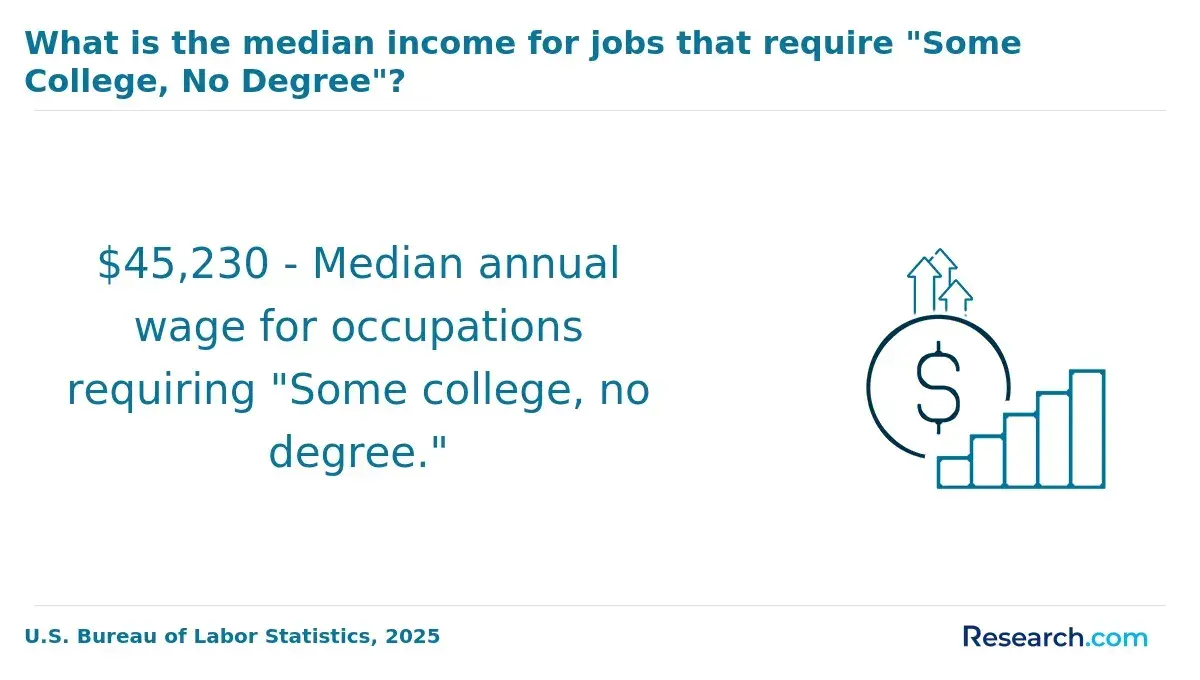
Labor statistics signal a tangible reward for specialized skills: workers with public policy or social services degrees, a common pathway into legislative affairs, earned a median annual wage of $63,000 in 2023, exceeding the bachelor's degree average of $60,000.
Those weighing educational options should also consider complementary fields such as a data science masters online to enhance competitiveness within political science employer expectations for legislative affairs.
Which political science concentrations best align with federal, state, and local legislative work?
Specializations in policy analysis, public administration, and American government directly align with the demands of federal, state, and local legislative roles by equipping candidates with critical expertise in lawmaking, regulatory frameworks, and governance.
For instance, public administration concentrations prepare graduates to address bureaucratic complexities and resource allocation challenges specific to state-level legislative agencies, a practical advantage in navigating diverse jurisdictional requirements.
Political science concentrations for federal legislative careers focus on skill sets like quantitative policy evaluation and statutory interpretation, essential for working with congressional committees or federal occupation series such as 0301 (Miscellaneous Administration and Program) and 0343 (Management and Program Analysis).
This adaptability underscores the broad span of over 50 federal occupation codes accessible to political science graduates, highlighting the importance of interdisciplinary proficiency.
State and local political science specializations for legislative work emphasize understanding intergovernmental relations and budget processes-areas often overlooked but vital for aligning proposals with sub-national political cultures and fiscal realities. Practical experience through internships in state capitols or local offices enhances the translation of theoretical knowledge into procedural fluency, improving employability.
Choosing concentrations that integrate data analysis tools with legal frameworks is critical when aiming for roles categorized under codes like 0905 (General Attorney) or 1102 (Contract Specialist), where legislative affairs intersect with legal expertise. For those balancing legal education options alongside political science pathways, exploring ABA paralegal programs can provide valuable complementary skills.
How do online political science programs for legislative affairs compare with campus-based options?
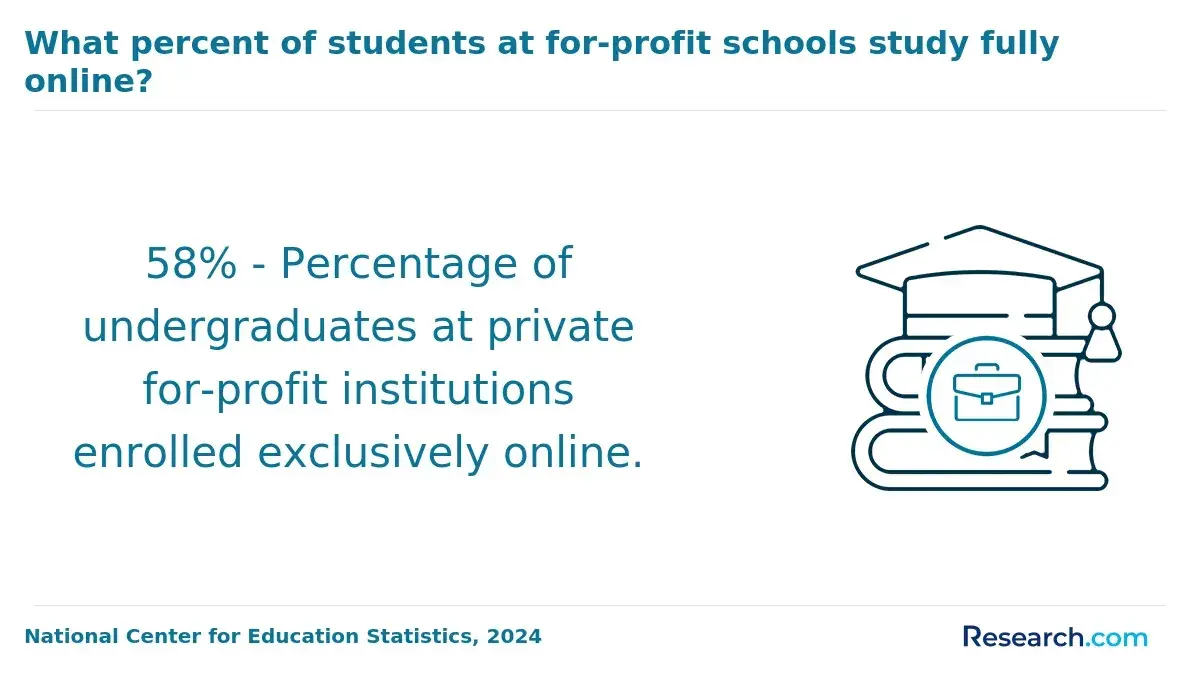
Legislative affairs roles demand more than theoretical knowledge; they require direct engagement and practical experience, which online political science programs often struggle to provide. The lack of embedded internships with legislative bodies limits online students' exposure to critical, hands-on policy work and constituent interaction-skills that frequently differentiate candidates in this competitive sector.
Without structured pathways to internships, many online learners must navigate the complexities of securing remote or local legislative opportunities independently, demanding a high level of initiative and networking savvy.
By contrast, campus-based political science programs maintain established connections with governmental offices and advocacy groups, allowing students immediate access to immersive internships that serve as gateways to employment. This embedded access dramatically improves job placement rates post-graduation, an advantage highlighted by reports that over half of political science grads face underemployment initially.
For working professionals, hybrid formats offering a mix of online coursework with on-site legislative residency components can bridge this experiential gap, enhancing readiness for roles in policy analysis and government relations.
From an employer's standpoint, demonstrated in-person engagement through campus-affiliated internships consistently correlates with stronger early-career outcomes in legislative affairs. Prospective students should carefully assess a program's connections to local or national legislative entities and their own capacity to secure meaningful internship experiences when weighing fully online versus campus or hybrid options.
What courses and experiential learning should a legislative affairs-focused political science curriculum include?
Political science curricula focused on legislative affairs must balance technical knowledge with strategic, experiential skills to meet employer demands. Core courses such as legislative drafting, constitutional law, and public administration build essential expertise, but graduates often face a gap between theory and the operational realities of government work.
Practical experience through internships or placements in legislative offices or policy think tanks significantly improves early career outcomes; Western Washington University reported a 9% higher employment rate and 20% higher wages for political science graduates with such experience.
Simulation coursework, including committee debates and bill negotiations, develops crucial skills in persuasion and strategy under pressure. Additionally, workshops on media relations and constituent engagement prepare candidates for public-facing responsibilities that are frequently underestimated in academic programs.
Specific career goals-federal versus state or local government roles-necessitate tailored course selections. Those targeting federal positions should integrate advanced data analytics and policy evaluation, as quantitative evidence underpins many federal decisions.
Conversely, state or local aspirants must prioritize understanding regulatory frameworks and grassroots organizing, reflecting differing legislative environments and stakeholder dynamics.
This curricular structure responds to employer expectations by addressing practical tradeoffs: students must sacrifice breadth for depth in specialized subjects or risk underpreparedness in navigating complex, real-world legislative settings.
What are the typical admission requirements and time to completion for political science programs focused on legislative work?
Admission into political science programs with a focus on legislative affairs often mandates a minimum 3.0 GPA and may require SAT or ACT scores starting in 2024, depending on the institution. Applicants typically need coursework in American government, economics, and research methods, while working professionals might access conditional admissions based on experience-though this can restrict financial aid eligibility.
Time to degree completion varies considerably: bachelor's programs generally take four years, whereas master's degrees specializing in legislative affairs or public policy average 18 to 24 months full-time. Part-time or online formats can extend duration to three or four years but allow employed students greater flexibility.
Employment data reveals policy analysts earn early-career salaries near $70,000, with senior roles surpassing $100,000 according to BestColleges.
This pay trajectory incentivizes timely graduate completion but requires balancing accelerated studies with experiential learning opportunities like internships, which strengthen employer appeal and networking. Public sector employers emphasize candidates with both academic rigor and applied legislative experience-a mismatch in either can hinder placement.
Prospective students should target programs integrating internships with legislators or advocacy groups and consider how graduation timing aligns with legislative cycles and local hiring trends. Program prestige and curriculum relevance play significant roles in government employment outcomes, necessitating informed decisions that weigh practical program aspects beyond surface-level features.
What is the salary range and earning potential for careers in legislative affairs with a political science background?
Earning potential in legislative affairs with a political science background varies widely and depends heavily on sector, experience, and role complexity. Entry-level positions such as legislative aides or analysts typically start between $55,000 and $75,000, primarily in government or nonprofit organizations.
Mid-career professionals in consulting, advocacy, or corporate government affairs see salaries between $80,000 and $130,000, while top specialists, especially those in federal lobbying or senior advisory roles, can exceed $190,000.
This salary spread reflects distinct career tradeoffs: public sector roles offer meaningful policy influence but often lower pay, whereas private sector roles demand continual skill enhancement and political savvy in exchange for higher compensation.
Candidates must weigh these differences carefully when planning educational pursuits and professional development. For example, pursuing a master's with a focus on legislative affairs or policy analytics may enhance competitiveness for roles involving legislative compliance and strategy.
Successful advancement relies on building expertise in policy influence combined with strategic networking and employer-aligned internships. Compensation packages frequently include bonuses and retirement benefits, altering total remuneration. These operational realities highlight the need for targeted educational choices geared toward measurable workforce outcomes rather than generic credential accumulation.
The Bureau of Labor Statistics reported that the top 10% of political scientists earned more than $189,850, confirming the potential gains of specialized or high-level roles within legislative affairs.
What is the job outlook for legislative affairs professionals, lobbyists, and policy analysts with political science training?
Legislative affairs and policy analysis roles grounded in political science demand more than academic knowledge; employers expect applied skills navigating complex government structures and regulatory environments.
Median earnings reported by Western Washington University show a significant income increase with experience-around $63,000 at mid-career, rising to nearly $100,000 after two decades-indicating strong long-term financial value for those who stay in the field.
Practical workforce considerations vary notably by sector and geography. For instance, lobbyists in energy policy rely heavily on industry-specific legal frameworks, while those in healthcare must balance rapidly evolving regulations with technical expertise.
Candidates in large hubs like Washington, D.C. face intense competition requiring robust professional networks, whereas smaller markets demand versatility and multitasking.
Graduate education often becomes a de facto requirement to access upper-level positions and extend salary potential. However, entry-level hiring may favor those with demonstrated experience via internships and mentorships. Students should weigh these factors against changing political landscapes and budgetary constraints, which can influence employment stability in nonprofit and public sectors.
How can you evaluate and choose an accredited political science program for legislative affairs careers?
Accreditation and curriculum relevance define the practical value of political science programs aimed at legislative affairs careers. Regional accreditation by recognized bodies such as CHEA or the U.S. Department of Education is essential for institutional credibility and access to federal aid.
While program-specific accreditation focused on legislative affairs is less common, its presence signals a curriculum that prioritizes legislative process fluency and policy analysis skills.
A crucial differentiator is the integration of legislative internships or practicum experiences, especially those embedded within congressional offices or government agencies. For example, a student studying in Washington, D.C. with direct congressional exposure gains tangible work experience employers consistently seek. This kind of immersive training dramatically improves employability compared to programs relying solely on theory.
Graduate outcomes provide measurable benchmarks: roles in legislative affairs typically start around $54,687 annually according to Indeed's data. Programs whose alumni surpass this salary demonstrate stronger industry alignment and practical preparation.
Program delivery format affects accessibility. Working professionals might favor online or hybrid options that offer synchronous legislative simulations, preserving interaction with faculty experts and real-world policy networks. These options address the tension between professional commitments and the need for hands-on learning.
Balancing these factors mitigates risks of investing in programs disconnected from legislative employment realities and supports informed career decisions within the field of political science focused on legislative affairs.
Other Things You Should Know About Political Science
While deep specialization in areas like public policy or international relations offers technical expertise, legislative affairs roles often demand broad understanding across multiple political domains. Prioritize programs that blend focused study with interdisciplinary coursework, as this balance enables better adaptability to diverse legislative issues employers face. Over-specializing risks limiting career flexibility in a field that values versatile problem-solving skills.
Political science programs with a legislative focus typically require substantial reading, writing, and critical analysis, demanding consistent time investment. Working professionals pursuing these degrees must prioritize time management and may need to opt for part-time or evening classes to maintain performance. Overloading on full-time work and a rigorous academic schedule can reduce learning quality and delay graduation, affecting career timing.
Undergraduate degrees provide a foundational knowledge base sufficient for entry-level legislative roles, often supplemented by strategic internships or networking. Advancement beyond entry-level positions increasingly favors candidates with graduate degrees due to the complex policy expertise and research skills required. Prospective students should assess their career goals carefully; investing in graduate education is recommended for those targeting senior legislative affairs roles or specialized policy analysis.
References
- 15 early career jobs that map well to political science majors https://students.inroads.org/blog/2025/04/02/15-early-career-jobs-that-map-well-to-political-science-majors/
- 10 Top Degrees for a Career in Politics: Explore Your Best Options https://www.degreesforgood.org/features/degrees-for-a-career-in-politics/
- Online Bachelor's Degree: Political Science https://www.umgc.edu/online-degrees/bachelors/political-science
- Policy Analyst: Job Description and Salary https://claremontlincoln.edu/news-blog/policy-analyst-job-description-and-salary/
- Examining Career Paths for Political Science Majors | Houston Christian University https://hc.edu/articles/examining-career-paths-for-political-science-majors/
- Political Science - Admissions - University of Victoria https://www.uvic.ca/undergraduate/programs/undergraduate-programs/pages/political-science.php
- Public Policy Analyst Salary and Job Outlook https://teach.com/online-ed/short-courses/online-public-policy-courses/public-policy-analyst-salary-career-outlook/
- Political Science Careers https://www.citadel.edu/political-science/political-science-careers/
- Exploring the Graduate Employability in Political Science: Expected Sectors and Early Career Outcomes https://jocw.ittc.edu.bd/index.php/jocw/article/view/211