2027 Best Online Political Science Programs for Professionals Seeking Community Affairs Careers

Co-Founder and Chief Data Scientist
Mid-career professionals aiming to transition into community affairs face a critical bottleneck: finding flexible, rigorous Political Science programs that accommodate demanding schedules without sacrificing depth or credibility. With nearly 40% of adult learners enrolling online as reported by the National Center for Education Statistics in 2024, access and timing have become key decision factors. This shift reflects the growing need for programs to balance work, family, and education while providing actionable skills aligned with evolving public sector roles. This article evaluates top online Political Science programs suited for professionals targeting community affairs, focusing on flexibility, employer recognition, and practical outcomes to guide strategic educational choices.
Key Things You Should Know
- Employers prioritize candidates with quantitative methods proficiency for community affairs roles; recent Department of Labor data shows 67% of job postings require advanced data analytics skills, pressuring programs to integrate these despite curricular tradeoffs.
- Three-year longitudinal outcomes from NCES reveal online political science graduates experience a 15% salary growth lag versus hybrid peers, influencing workforce entry timing and subsequent negotiation power in public sector roles.
- Tuition inflation averaging 5.2% annually per College Board restricts access, disproportionately affecting mid-career professionals without employer tuition support, reshaping enrollment patterns toward less costly regional online options.
What is an online political science degree and how does it support community affairs careers?
An online political science degree benefits for community affairs professionals by providing targeted skills that address public administration, legislative frameworks, and policy development essential to nonprofit and government sectors. Graduates frequently apply nuanced policy evaluation abilities to secure funding and tailor programs that meet local needs, a practical edge in community development roles. For instance, a candidate working in nonprofit organizations can navigate stakeholder priorities more effectively through analytical competence derived from this degree.
Employment growth projections for community and social service jobs are above average, reflecting higher demand for expertise that bridges political and social issues. However, success depends on a balance between theoretical knowledge and real-world experience. Students pursuing an online political science degree must often seek additional engagements with grassroots organizations or government offices to validate their credentials in competitive job markets.
Key practical factors when selecting a program include the availability of internships or capstone experiences that demonstrate applied policy and ethical leadership skills. The online format offers essential flexibility, but effective self-management and proactive networking efforts are crucial for building the relationships and communication skills valued by employers in community affairs.
Employers notably prize strong analytical and communication skills honed through political science studies for roles in community engagement and resource negotiation. Understanding how a political science degree supports careers in community affairs is vital for making informed educational choices aligned with workforce realities.
Prospective students evaluating cost and value might also consider comparative fields; for example, data on the online animal science degree salary indicate differing market dynamics that affect financial outcomes post-graduation.
How do online political science programs prepare professionals for community and public affairs roles?
Online political science degrees for community affairs professionals focus on developing practical skills essential for managing public resources within complex social systems. Graduates often apply program evaluation and policy analysis techniques directly to municipal or nonprofit settings, addressing real-world constraints such as budget limits and diverse stakeholder interests. For example, a community social service manager might use quantitative research methods taught in these career-focused political science programs for public affairs roles to design more effective outreach initiatives.
Key competencies include legislative literacy, coalition leadership, and communication strategies tailored to varied populations. Employers expect candidates to convert policy into actionable programs while navigating bureaucratic and political challenges. The asynchronous nature of most online programs enables students to juggle professional duties and coursework but demands disciplined time management and intentional networking to compensate for the lack of traditional in-person mentorship.
Labor market data from the U.S. Bureau of Labor Statistics reports that community and social service managers earned a median of $77,030 annually, with the top 10% exceeding $127,120. This wage spectrum reflects the premium on specialized expertise cultivated by comprehensive curricula designed for public affairs careers. Prospective students weighing an academic pivot should also consider adjacent fields-for instance, evaluating whether is a library science degree worth it aligns better with their career goals-since interdisciplinary knowledge can enhance public service effectiveness in evolving social contexts.
Which types of online political science degrees are best for working professionals in community affairs?
Online political science degrees for working professionals in community affairs must prioritize relevant applied skills to meet employer demands in local government and nonprofit sectors. A mid-career manager spearheading a neighborhood revitalization initiative, for example, requires an advanced understanding of governance frameworks and outcome measurement not typically covered in general social science programs.
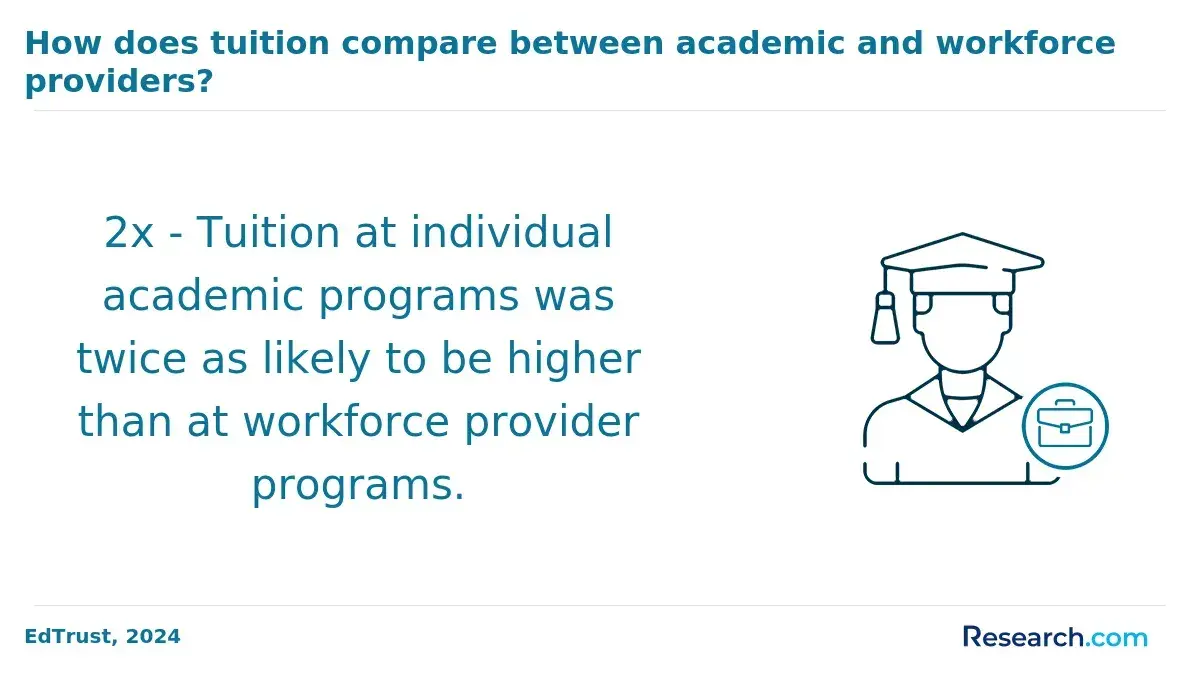
Cost remains a pivotal consideration. The average annual tuition for an online social science bachelor's degree, which encompasses political science, hovers around $13,400-a figure considerably lower than many traditional public universities, enabling a pragmatic balance between investment and potential income gains in community affairs.
Programs that blend asynchronous coursework with part-time enrollment support full-time employment while integrating internships or practicum elements that concretize community-sector experience. Degrees coupling quantitative methods, such as statistics or data analysis, with policy studies have stronger alignment with employer expectations.
Choosing the best online political science programs for community affairs careers means scrutinizing curricula for explicit focus on urban policy, civic engagement, and nonprofit management. Without this, graduates risk limited practical applicability. Evaluating tuition costs against regional salary prospects is essential for gauging return on investment.
For professionals considering interdisciplinary shifts, comparing costs with adjacent fields may offer insights; for example, an online library science degree can present different employability and cost trade-offs worth exploring.
How do online political science programs compare with campus options for flexibility and quality?
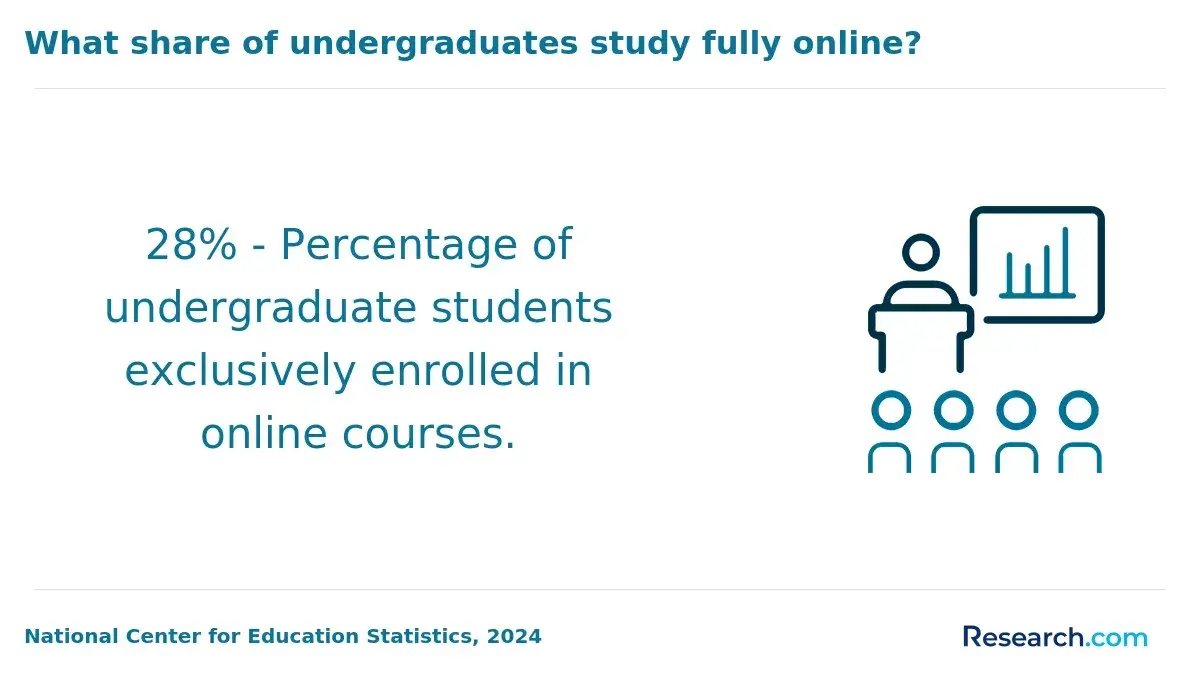
Online political science programs have expanded rapidly, now numbering 69 in North America according to Educations.com, offering flexible pacing that suits working professionals juggling irregular hours. This growth supports those prioritizing part-time study and asynchronous coursework, although such flexibility introduces tradeoffs in informal mentorship and local networking opportunities that campus programs naturally provide.
Quality differences between online and campus political science degrees are narrowing as accredited online options incorporate synchronous seminars and experiential learning through virtual internships and simulations. Yet, in fields reliant on local connections like community affairs, on-campus programs still provide superior access to peer interaction and faculty engagement critical for relationship building.
Employers in public and policy roles typically emphasize demonstrable analytical skills and practical application over program format. For example, an online student employed in local government can integrate academic concepts directly into their daily work, reinforcing learning with immediate career impact.
Students should weigh the flexibility of online political science programs against limits in interpersonal engagement and campus resource availability. Strategic decision-making also involves proactively pursuing digital networking, live discussions, and local practicums to augment the remote learning experience.
To understand financial considerations alongside these factors, prospective students may review the average cost of MLIS degree US, recognizing that cost structures vary and influence overall program value.
What accreditation and institutional quality standards should online political science programs meet?
Accreditation remains a pivotal factor for online political science programs aimed at professionals balancing work and study. Regional accreditation vetted by the U.S. Department of Education or the Council for Higher Education Accreditation validates an institution's academic standards, faculty competence, and curriculum relevance-critical for government or nonprofit employment eligibility. Programs lacking proper accreditation often face difficulties with credit transfer, financial aid access, and employer recognition, risking diminished career mobility in politically regulated environments.
Beyond accreditation, measurable outcomes such as graduation and job placement rates in public sector roles are strong indicators of value. Employers prioritize candidates who emerge from programs with proven connections to local government or community organizations, as these internships or partnerships translate to practical skills and networking advantages. Programs without this experiential component often fall short in preparing graduates for the dynamic demands of community affairs and regulatory contexts.
Online delivery infrastructure must accommodate asynchronous and synchronous formats to serve working adults without sacrificing instructional quality. Tuition costs for reputable programs typically range from $7,000 to $15,000 annually in-state, balancing affordability against academic rigor. Decision makers should weigh this investment against the return in professional opportunities and realistic progression timelines, especially when facing stringent hiring criteria in political or administrative fields.
- Regional accreditation ensures institutional legitimacy and employer recognition.
- Practical internships with government agencies enhance career-readiness.
- Programs must demonstrate robust online delivery for working professionals.
- Tuition range reflects realistic investment limits for career pivots.
What courses and concentrations in online political science programs focus on community and civic engagement?
Political science programs centered on community and civic engagement must balance theory with tactical skill development. Graduates often enter roles like policy analysts or government affairs directors, professions that require both comprehensive policy knowledge and practical abilities in advocacy and program evaluation.
For working professionals, the choice of concentration can dramatically affect workforce relevance. For example, a nonprofit professional transitioning into government affairs gains more utility from courses in regulatory policy or intergovernmental relations than from broad foundational political science topics. Employers prioritize candidates who demonstrate proficiency in coalition building, public communication, and an understanding of community demographics.
Programs emphasizing applied coursework-such as stakeholder analysis, participatory governance, and conflict resolution-better prepare students for community-focused roles. However, selecting programs with strong internship or capstone project components tied to local government agencies or nonprofits often means accepting fewer theoretical courses.
Key considerations include:
- The tradeoff between comprehensive curriculum breadth and practical engagement opportunities
- Alignment of course content with targeted career pathways
- The importance of experiential learning in developing actionable workforce skills
BestColleges data illustrates sustained demand in public policy and public affairs roles, driving curricular emphasis toward applied legal frameworks and ethical governance. Prospective students must critically evaluate how well a program's structure supports tangible career pivot or advancement goals within diverse political science applications.
What are typical admission requirements for online political science programs for mid-career professionals?
Admission to online political science programs aimed at mid-career professionals hinges on a blend of academic qualifications and relevant professional experience, reflecting employer preferences in government and nonprofit sectors. While a bachelor's degree with a minimum GPA of 3.0 is standard, some programs accept lower GPAs (around 2.7) if the applicant demonstrates significant work achievements. Importantly, admissions committees expect three to five years of practical engagement in public affairs, nonprofit leadership, or similar fields-a requirement aligned with American Political Science Association data showing these sectors' growing dominance as employers of political scientists.
Applicants must prepare comprehensive documentation: official transcripts, resumes emphasizing community or public service roles, and personal statements detailing career goals tied to political science applications in governance or nonprofit contexts. Letters of recommendation from supervisors or colleagues familiar with the candidate's analytical and leadership capabilities in public sector environments are typically required. Although GRE scores remain a criterion in some cases, many programs waive this for candidates with stable, demonstrable professional histories.
Balancing coursework with ongoing employment remains a significant logistical challenge for mid-career learners. Programs offering asynchronous formats and recognizing prior professional learning or certifications provide tangible acceleration opportunities. For example, a local government community affairs officer may convert prior experience into academic credit, reducing time to degree completion. This approach mitigates financial strain and aligns academic progression with workforce realities in public service domains.
How long do online political science programs take and what do they typically cost?
Choosing an online political science program requires weighing time investment, tuition costs, and workforce relevance, especially for those targeting clear career outcomes. Certificate programs, spanning 6 to 12 months, suit professionals needing rapid skill upgrades or targeted specialization but offer limited experiential learning. Bachelor's degrees typically demand 3 to 4 years full-time-or up to 6 part-time-to master foundational knowledge, accommodating those balancing employment. Master's degrees aim for 18 to 24 months full-time, yet part-time tracks often exceed two years; the choice here impacts how swiftly one can pivot roles or deepen subject expertise.
Cost variability often reflects institutional type and program scope:
- Public universities charge roughly $8,000 to $20,000 annually in-state, with out-of-state tuition potentially doubling.
- Private institutions generally range between $25,000 and $50,000 per year.
- Master's tuition frequently totals $15,000 to $40,000, influenced by program reputation and support offerings.
For example, a public affairs professional transitioning into local government might prioritize programs incorporating internships or community service, even if tuition is higher, to facilitate placement and practical exposure. Conversely, a policy analyst seeking remote roles may prefer a shorter, less expensive certificate without hands-on components, trading depth for flexibility. Employers value these distinctions, making alignment between program structure and career objectives critical. Balancing these factors mitigates the risk of overspending on mismatched credentials or elongating education unnecessarily.
What jobs, titles, and advancement paths can political science graduates pursue in community affairs?
Community affairs roles for political science graduates often begin with outreach-focused positions such as community liaison or public affairs specialist, where success hinges on measurable community engagement and effective stakeholder management. Employers distinctly prefer candidates from regionally accredited programs, as detailed in OnlineU's 2024 analysis, which finds regional accreditation mitigates employer skepticism toward online credentials at critical hiring and promotion junctures.
The practical trajectory from entry-level to leadership-such as moving from program coordinator to community development director-requires not only demonstrating impact through data-driven results but also navigating regulatory frameworks and building cross-sector partnerships. For example, a city government coordinator's ability to secure grant funding and improve local initiative outcomes often dictates readiness for advancement, frequently necessitating graduate education or specialized certifications to remain competitive.
For professionals transitioning from other fields, initial roles may prioritize advocacy or outreach coordination, leveraging political science analytical and communication skills to build relationships and influence policy implementation at the local level. Internships or volunteer engagements with municipal or nonprofit organizations can offset the limited practical exposure commonly associated with online political science degrees, complementing academic credentials and increasing employability.
Ultimately, choosing a program with applied learning opportunities and regional accreditation is crucial, as these factors directly influence long-term career flexibility and the ability to meet employers' expectation for practical, verifiable experience in community affairs.
What salary ranges and job outlook can community affairs professionals with political science degrees expect?
Starting salaries for community affairs roles with political science degrees vary significantly by sector and location, typically between $45,000 and $65,000. Positions in local governments and nonprofits generally anchor the lower end, while metropolitan or federal agencies offer higher starting pay. Advancement beyond entry level usually hinges on additional qualifications, such as graduate degrees in public administration or law. Without these, professionals often encounter slower progression and limited access to senior roles, which can surpass $100,000 but commonly require leadership experience coupled with specialized credentials.
Employers exhibit a marked preference for candidates demonstrating relevant internships or graduate training, making undergraduate-only applicants face steeper competition and longer timelines for meaningful salary growth. This creates a practical tradeoff: investing time and resources in advanced studies versus remaining in the workforce with constrained upward mobility. Additionally, nonprofit salary ceilings frequently restrict earnings compared to government or corporate counterparts.
Mid-career salaries with five to ten years of experience typically range from $70,000 to $95,000, reflecting increased responsibility but still dependent on sector and geographic factors. The projected 5% job growth through 2032 signals steady demand yet steady competition, especially in preferred urban markets.
- Starting salaries depend heavily on employer type and region
- Graduate degrees accelerate access to strategic, higher-paying roles
- Nonprofit roles often have lower earning potential versus government or corporate
- Internships and credentials carry substantial weight in hiring decisions
Other Things You Should Know About Political Science
Most programs require a bachelor’s degree from an accredited institution and no specific political science major. Some ask for 12 to 18 undergraduate credits in social science or statistics, a minimum 3.0 GPA, and transcripts. GRE scores are often optional or waived for applicants with professional experience.
Online political science programs designed for professionals often provide asynchronous coursework, but the intensity of core classes and research assignments can vary significantly. To avoid burnout, prioritize programs with flexible deadlines and clear modular structures rather than fixed weekly schedules. Planning for peak workload periods during less demanding work phases and selecting programs with dedicated support services improves the likelihood of maintaining professional responsibilities alongside academic demands.
Career services vary widely, and many online political science programs do not offer specialized support for community affairs roles unless explicitly stated. Prospective students should evaluate whether the program facilitates connections with government agencies, nonprofits, or civic organizations. Those lacking targeted career support should supplement studies with external networking and professional development to secure relevant job opportunities.
References
- Political Science Careers https://www.concordiacollege.edu/academics/programs-of-study/political-science/careers/
- The Rise of Online Degrees: Your Path to a Flexible Future https://matchtocollege.com/blog/why-online-degrees-flexibility-affordability-future-ready
- What Can You Do With a Political Science Degree? https://www.ucumberlands.edu/blog/what-can-you-do-with-a-political-science-degree
- Standards for Accreditation and Requirements of Affiliation | Fourteenth Edition - Middle States Commission on Higher Education https://www.msche.org/standards/fourteenth-edition/
- Choose a Career in Political Science to Make a Difference - International Career Institute Australia https://ici.net.au/blog/choose-a-career-in-political-science-to-make-a-difference/
- How to Start a Career in Public Policy: Courses, Skills & Opportunities https://rebouncecareers.com/how-to-start-a-career-in-public-policy-courses-skills-opportunities/
- Social Leaders or Political Followers? : Institutional Accreditation and the Rise of State Regulations https://ojed.org/hepe/article/view/5829
- Online Political Science Degree | Programs & Career Options https://www.learnhowtobecome.org/best-online-bachelors-in-political-science-degree-programs/
- Online Political Science Degrees: Find Your School https://www.degreesforgood.org/online-degrees/political-science-degrees/
- 4 Public Affairs Jobs for Applied Politics & Public Affairs Diploma | MaKami College https://makamicollege.com/news/exploring-public-affairs-top-jobs-you-can-get-with-an-applied-politics-and-public-affairs-diploma/