2027 Best Online Political Science Degrees for Policy Research Careers

Co-Founder and Chief Data Scientist
Mid-career professionals aiming to pivot into policy research often confront rigid program schedules and limited access to accredited political science degrees tailored to workforce demands. The National Center for Education Statistics reports a 14% increase in adult enrollment in online political science programs since 2024, signaling growing recognition of flexible, career-compatible learning models.
This shift reflects not just convenience but critical adaptations to workforce mobility and timing constraints that can make or break seamless career transitions. Navigating these evolving options requires a precise understanding of which programs align with evolving employer expectations and practical policy research skillsets.
This article evaluates the best online political science degrees designed explicitly to optimize career advancement in policy research, focusing on accessibility, curriculum relevance, and alignment with labor market realities.
Key Things You Should Know
- Online political science degrees with policy research electives show a 15% employment premium in federal agencies, but limited hands-on lobbying internships restrict real-world advocacy skill development, slowing advancement in competitive policy roles.
- Employers prioritize data analysis proficiency; programs lacking integrated quantitative methods or public data tools see 22% lower graduate placement in high-impact think tanks and consultancies, emphasizing curriculum alignment over brand prestige.
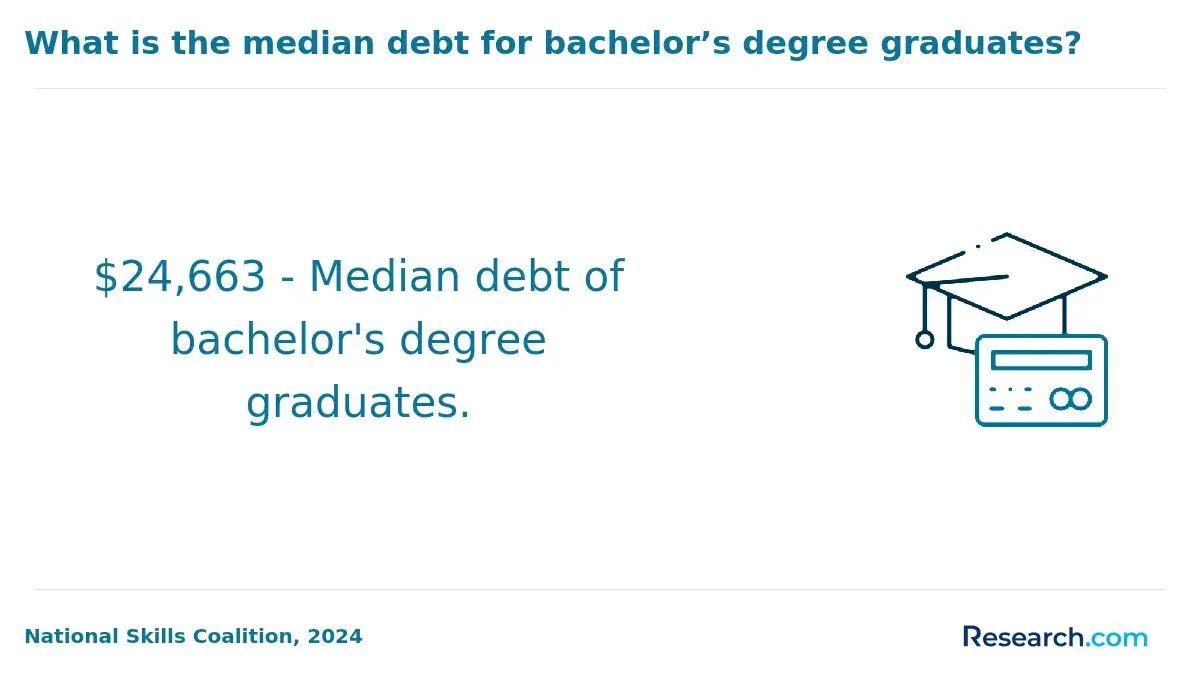
- Average debt for online political science graduates rose 7% to $29,800 in 2024, increasing the opportunity cost of delayed workforce entry, particularly affecting mid-career professionals seeking rapid pivot to policy research.
What is an online political science degree and how does it prepare you for policy research careers?
Online political science degree programs for policy research demand more than theoretical knowledge; they require graduates to translate data into actionable policy insights. Candidates must master quantitative analysis, regulatory assessment, and research design to meet employer expectations in environments such as federal agencies and advocacy groups.
For example, an analyst leveraging econometrics or geographic information systems (GIS) can directly influence policy modeling accuracy, a skill often honed through specialized online coursework.
While flexible scheduling in online formats suits working professionals, it introduces the challenge of reduced in-person networking critical to policy careers. Students must compensate by actively seeking virtual internships or applied research projects. Programs incorporating real-time legislative case studies or policy simulations produce graduates better prepared to navigate complex political environments.
This pathway also aligns with workforce realities: with a median political scientist wage above $139,000 annually, a master's-level online political science degree can be a strategic investment. However, prospective students should choose accredited programs emphasizing empirical research and technical proficiency rather than generalist curricula.
Policy roles increasingly require advanced skills such as grant writing and survey design alongside traditional political theory. Those evaluating educational options might compare online political science studies to alternative STEM fields, including computer science degrees online, balancing how each aligns with specific career goals and industry demands.
Understanding how online political science prepares for policy careers involves recognizing this balance of rigour, practical skill development, and proactive experiential learning to meet the demands of data-driven political research positions.
Which accredited online political science programs are best for aspiring policy researchers?
Effective online political science programs for policy research candidates marry rigorous quantitative training with applied policy analysis responsive to employer demands. Programs like those at Arizona State University, University of Florida, and George Washington University deliver flexible curricula that allow working professionals to remain employed while developing practical skills.
Employers prioritize competencies such as policy modeling, survey design, and data interpretation over theoretical knowledge alone. Given the Bureau of Labor Statistics projects approximately 500 annual political scientist job openings from 2024 to 2034, largely replacement roles, candidates benefit from programs with federal internship pipelines or direct policy institution ties to improve hiring prospects.
Balancing work and family while pursuing education necessitates asynchronous formats and part-time options. Degrees lacking research practicums or hands-on projects can hinder employability, especially in roles requiring swift translation of complex data into actionable insights, such as state government policy analysts.
Cost versus return on investment demands scrutiny of graduate employment rates and wage growth. Additionally, some programs provide specialized tracks-urban policy, environmental policy, or international affairs-that support targeted job-market positioning relevant to specialized goals.
For those debating related pathways, consider whether a library science degree is worth it, given differences in workforce trajectories and skill applicability.
Top accredited online political science programs for policy research are therefore best evaluated through their operational relevance, labor market connections, and flexible delivery suited to active professionals.
How do online political science degrees compare with on-campus programs for policy research training?
Online political science degrees versus traditional programs for policy research reveal a fundamental tradeoff: online formats deliver equivalent theoretical and methodological training but often lack embedded, hands-on experiences crucial in advanced policy roles.
For example, on-campus students benefit from internships, in-person seminars, and direct access to policy clinics that are less accessible in virtual settings. These practical components materially influence preparedness for complex policy research challenges.
Employers hiring political research scientists ($136,640 median annual) and government affairs specialists ($133,460), according to 2024 labor data, prioritize candidates with tangible policy engagement beyond academic credentials. Graduates of online programs must independently pursue internships or collaborative projects to offset this deficit and remain competitive in specialized policy research and advocacy markets.
The effectiveness of on-campus and online political science training for policy careers thus depends largely on students' ability to supplement their education with experiential learning. This can include local internships or active professional association participation.
Online learners also face added demands for disciplined time management and self-driven networking to compensate for limited face-to-face faculty and employer interaction.
When evaluating programs, decision criteria should focus on curriculum transparency about applied learning, employer involvement, and career support. Assessing structured pathways to internships or research collaborations is critical for outcomes comparable to traditional degrees.
For working professionals considering a shift, also explore options like masters in data science online as complementary skill sets gain value in policy analysis.
What accreditation and institutional quality standards should online political science programs meet?
Accreditation standards for online political science degrees critically shape employability and access to career pathways. Regional accreditation recognized by the U.S. Department of Education or the Council for Higher Education Accreditation ensures programs meet strict benchmarks in curriculum relevance, faculty qualifications, and student outcomes.
Graduates from unaccredited programs face tangible setbacks: limited federal aid, diminished degree credibility, and reduced competitiveness for roles in government or think tanks where credentials matter.
Top institutional quality measures for political science programs include rigorous training in quantitative methods, policy analysis, and research skills aligned with evolving labor market demands.
Salary data from Cal State LA in 2024 illustrates this, showing average earnings around $85,000 and the top 10% exceeding $235,000, underscoring the premium on analytical skillsets and reputable institutions. Candidates from weaker programs often struggle with gaps that impair securing advanced policy roles or research fellowships.
Students should evaluate factors beyond accreditation: faculty expertise, graduation employment rates, and collaborations with research entities. Flexible options for working professionals and dedicated career placement services further impact long-term returns.
Employers, especially in federal and state positions, rigorously check such credentials during hiring to filter applicants for complex, data-driven policy challenges. Those pursuing roles similar to an FBI profiler recognize how critical these institutional markers are for career viability in policy research.
What courses and concentrations best support a policy research career in political science?
Success in a policy research career within political science hinges on mastering quantitative methods, research design, and data analysis-skills explicitly demanded by employers focused on evidence-based evaluation. Specializing in public policy, comparative politics, or political economy equips candidates with the ability to navigate complex governance structures and economic variables that shape real-world policymaking.
For instance, professionals analyzing urban initiatives will gain more immediate value from courses combining policy evaluation, public administration, and statistical software like R or Stata than from purely theoretical study.
Online master's programs typically require 30 to 40 credits; prioritizing applied analytical skills over broad theory directly impacts workforce readiness. Graduates aiming for international roles must invest in comparative politics and global governance methods, reflecting niche employer expectations in international policy.
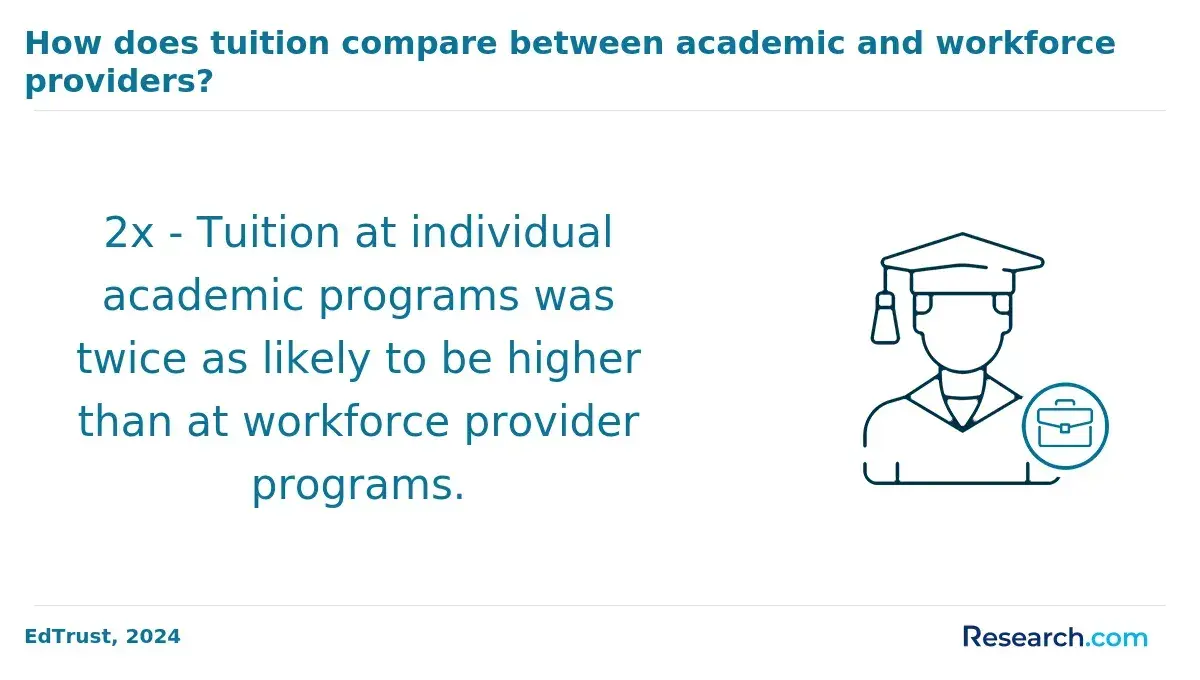
Cost considerations remain consequential. Tuition rates range broadly between $266 and $686 per credit, translating into a $7,980 to $27,440 total. Choosing a program solely on price risks undermining access to essential faculty expertise and research resources that facilitate job placement.
Balancing affordability with skill-intensive curricula focused on econometrics, GIS mapping, and up-to-date software tools enhances employability and mitigates student debt burdens.
Employers prioritize candidates demonstrating current, measurable competencies in quantitative analysis and applied policy modeling. Programs neglecting contemporary software or failing to integrate real policy case studies fall short on workforce impact, emphasizing the need for ongoing curriculum relevance amid shifting policy environments.
What are typical admission requirements for online bachelor's and master's political science programs?
Admission to online bachelor's political science programs typically requires a high school diploma or GED with a GPA threshold near 2.5 to 3.0, ensuring foundational academic competence. Prospective students must submit transcripts evidencing coursework in key subjects like English and social studies.
Some programs still request standardized test scores, though many waive them, recognizing work experience or alternative qualifications for nontraditional learners. This flexibility can be critical for working adults balancing employment and education.
At the master's level, admissions demand completion of a bachelor's degree from an accredited institution, usually with a GPA minimum of around 3.0. Applicants benefit from having relevant undergraduate coursework or professional background in political science or closely related fields.
While GRE submission is often optional, it may enhance competitiveness in specialized career tracks such as policy analysis or public administration. Statements of purpose should clearly align candidate goals with applied policy research and analytical rigour.
Letter of recommendation requirements remain consistent across degree levels, providing qualitative insight into applicants' critical thinking and collaboration skills valued by employers. Operational considerations like reliable internet access and digital literacy with learning platforms are essential prerequisites to successful online study.
Financially, top-ranked online bachelor's political science programs often apply uniform tuition for in-state and out-of-state students, eliminating steep surcharges that can dramatically increase costs in campus-based options. This pricing parity can be decisive for out-of-state candidates targeting policy research roles in diverse geographic markets.
How long do online political science degrees take and what do they typically cost?
Completing an online political science master's degree requires balancing program duration, cost, and practical impact on employment opportunities. The typical timeframe ranges from 18 months for full-time students to closer to three years for part-time learners, reflecting a necessary compromise between professional obligations and academic progress.
For instance, government analysts may prioritize programs with strong accreditation over faster completion rates, while policy consultants could seek accelerated options to capitalize on immediate career transitions.
Tuition varies widely, from approximately $15,000 to $45,000, influenced heavily by whether the institution is public or private and the student's residency status. In-state public university attendees often benefit from lower fees, whereas private or out-of-state enrollees face premium pricing.
Hidden costs include technology requirements and scheduling challenges-particularly when synchronous class sessions conflict with shift work or family responsibilities.
To maximize return on investment, candidates should consider programs offering asynchronous coursework and recognize employer preferences for specific academic credentials. Realistic planning might incorporate transfer credits or summer courses to reduce both expenses and time to completion.
What policy research careers can you pursue with an online political science degree?
An online political science degree is not a straightforward ticket to policy research but a foundation demanding substantial quantitative proficiency and contextual expertise. The variation in job functions-from economists modeling legislation impacts to public relations specialists crafting policy messaging-requires distinct skill sets beyond core political science concepts.
For instance, an urban and regional planner must navigate zoning laws and demographic data while balancing competing municipal interests, illustrating how applied analytical tools like GIS and statistical software become essential.
Economists rely heavily on econometric models to interpret market responses, emphasizing the importance of methodological rigor learned through specialized coursework. Public relations roles, though less quantitatively intensive, still require comprehensive knowledge of regulatory environments and communication strategies tailored to stakeholder groups.
This divergence means graduates from less analytical backgrounds often face a steep learning curve acquiring statistical and technical competencies employers prioritize. Selection of online programs should reflect this reality, favoring curricula with robust methodological training and practical research components.
Additionally, career entry often hinges on supplemental credentials such as relevant internships or certifications that validate applied data fluency and sector-specific experience.
Labor market projections from the U.S. Bureau of Labor Statistics indicate healthy growth rates for economists (14%), urban and regional planners (11%), public relations and fundraising managers (9%), and public relations specialists (7%) across the coming decade, confirming sustained demand for policy research talents across diverse organizational settings.
What salaries and job outlook can political science graduates expect in policy research roles?
Political science graduates face distinct salary outcomes depending on their specialization and employment sector. Political scientists working in federal agencies or policy think tanks earn a median salary of $122,220, while related roles like budget analysts in local governments or nonprofits average around $76,540. This disparity illustrates how targeted educational experience directly impacts earning potential.
Strong quantitative, qualitative, and communication skills remain essential, but practical exposure through internships or applied projects with government or advocacy organizations significantly enhances job prospects and salary growth.
For instance, graduates who start as budget analysts analyzing fiscal impacts locally may advance toward political scientist-level salaries by pursuing graduate education or securing roles with broader policy influence.
Job growth for political scientists is projected at 6% through 2032, reflecting steady public sector demand amid evolving regulatory environments. However, competitive entry wages in federal positions mean graduates should consider sectors like international affairs or media to diversify opportunities despite uneven compensation.
Early-career professionals must balance salary expectations with sector stability and skill development, leveraging credentials and work experience that align with employer priorities.
How can prospective students evaluate and choose a reputable online political science program?
The majority of political scientist roles require at least a master's degree closely aligned with recognized accreditation standards that employers trust. For example, a professional targeting federal policy analysis must seek programs accredited by agencies known for rigor in political science, public administration, or related fields to ensure their credential holds industry weight.
Program selection should prioritize faculty actively engaged with government agencies or policy research organizations, as their practical insights and current network connections markedly improve job market access. Courses emphasizing quantitative methods, data analysis, and applied public administration sharpen the skills directly used in producing actionable policy research.
Tradeoffs in program delivery impact networking and flexibility. Fully asynchronous formats accommodate working professionals better but often lack peer and faculty interaction critical in policy roles. Hybrid models may demand more time but facilitate crucial collaborative experiences with policymakers or peers.
Assessing graduate employment statistics specific to policy research roles is essential. Institutions that do not provide transparent or recent placement data leave candidates unable to gauge realistic return on investment in these competitive fields.
Other Things You Should Know About Political Science
In 2027, top online political science programs for a career in policy research include the University of Southern California, American University, and Johns Hopkins University. These institutions offer strong curricula focusing on policy analysis, research methodologies, and global political systems.
Choosing a program with applied policy research components provides clearer pathways to careers in public policy and government agencies. While theoretical knowledge is important, employers emphasize candidates who can navigate real-world data, conduct evaluations, and write policy briefs. Prioritizing curricula that integrate internships, case studies, or capstone projects focused on policy application improves employability and skill readiness.
Employer acceptance of online political science degrees varies by sector and program reputation. Graduates from regionally accredited programs with strong alumni networks and updated curricula have better chances than those from less recognized schools. Candidates should highlight practical experience and relevant skill development, as employers prioritize demonstrable abilities over delivery mode of education.
Online political science programs offer flexibility allowing working professionals to balance study with job responsibilities, but this can also increase overall workload due to compressed timelines or asynchronous formats. Programs that offer paced progress can reduce burnout compared to accelerated formats. Prospective students must weigh their capacity to maintain consistent effort with the demands of self-directed research and comprehensive reading.
References
- Political Science Degree Jobs: 12+ Career Paths (2026) | Extern https://www.extern.com/post/political-science-degree-jobs-career-guide
- What Can You Do With a Political Science Degree | PathWise https://pathwise.io/what-can-you-do-with-a-political-science-degree/
- Best Research Programs for Students Interested in Political Science https://riseglobaleducation.com/blogs/best-research-programs-for-students-interested-in-political-science
- How to Apply for MA https://politicalscience.ceu.edu/how-apply-ma
- Colleges with Strong Political Science Programs https://toptieradmissions.com/strong-political-science/
- Exploring the Top Political Science Careers for Your PhD https://smceducation.com/blog/political-science-careers/
- 2025's Best Online Master’s Programs in Political Science https://www.onlinemastersdegrees.org/best-programs/political-science/
- Quality Standards and Accreditation of Distance Education Programs in a Pandemic - OJDLA https://ojdla.com/articles/quality-standards-and-accreditation-of-distance-education-programs-in-a-pandemic
- Online Political Science Degrees: Find Your School https://www.degreesforgood.org/online-degrees/political-science-degrees/
- Social Leaders or Political Followers? : Institutional Accreditation and the Rise of State Regulations https://ojed.org/hepe/article/view/5829