2027 Best Online Political Science Degrees for International NGO Careers

Co-Founder and Chief Data Scientist
Professionals targeting international NGO roles face the challenge of balancing career advancement with the rigid schedules of traditional political science programs. Nearly 60% of graduate students in 2024 pursued online degrees, according to the National Center for Education Statistics, signaling a shift toward flexible learning models that accommodate working adults.
This trend evidences a growing demand for programs that integrate rigorous political science theory with practical, accessible formats, critical for those aiming to influence global policy from diverse locations.
Navigating program quality, accreditation, and relevance to NGO employers remains a complex task. This article analyzes the best online political science degrees designed specifically to optimize career mobility and impact in international NGOs.
Key Things You Should Know
- Programs emphasizing quantitative methods yield 23% higher NGO employability per a 2024 Brookings analysis, but often extend degree duration by 18 months, raising opportunity costs for career switchers.
- NGO hiring increasingly demands specialized regional expertise. East African and Latin American focus areas increased by 30% in job postings in 2024, favoring candidates with aligned academic concentrations over generalists.
- International students face up to 40% higher total costs due to extended visa processing times and compliance requirements noted by the U.S. Department of State in 2024, posing significant barriers despite strong online degree access.
What is an online political science degree, and how does it prepare you for international NGO work?
Online political science degrees aligned with international NGO careers emphasize applied skills within governance, policy analysis, and human rights frameworks, adapted for remote learning. A political science degree prepares you for global nonprofit work by developing competencies in data interpretation, legal comprehension, and cross-cultural communication, essential for navigating complex geopolitical contexts that NGOs face.
Remote programs demand strong digital literacy and self-motivation, as students must independently engage with asynchronous case studies reflecting current international crises. For example, a professional managing humanitarian aid remotely synthesizes political risk assessments alongside local policy restrictions, often without direct supervision. These conditions differ significantly from in-person degree experiences that offer more hands-on, experiential learning and on-site networking.
Employers in international development prioritize candidates demonstrating analytical rigor and cross-border policy acumen rather than institutional prestige alone. However, the scarcity of networking opportunities in online formats requires proactive pursuit of virtual internships and global collaboration projects to bridge early career gaps.
The increased availability of online political science degrees, 10 in Europe and 10 full-time programs in North America, indicates growing acceptance but also demands careful evaluation of program quality and curriculum relevance to maintain employability in competitive NGO sectors. Prospects considering this path may also explore the best online animal science degree information as a comparative approach to online program cost and structure.
Which online political science degrees are best for launching an international NGO career?
Choosing the best online political science degrees for international NGO careers requires prioritizing programs that integrate applied international relations with hands-on experience in global governance contexts. Degrees embedding internships or practicums in recognized NGOs help students move beyond theoretical knowledge toward acquiring skills in diplomatic negotiation, cross-cultural communication, and international development strategies.
Programs emphasizing international politics modules provide distinct advantages by covering human rights law, sustainable development, and multilateral institutions. With over 40 master's degrees focused on International Politics as of 2025, students face a competitive landscape, making accreditation and faculty NGO experience critical evaluation factors.
Balancing program cost against network access can determine long-term career leverage since alumni connections in global nonprofit work often surpass initial financial savings.
The top online political science programs for global nonprofit work commonly accommodate full-time professionals through asynchronous coursework combined with optional live interactions, fostering mentorship opportunities. Language instruction and regional expertise embedded in the curriculum also prepare graduates for NGOs' multifaceted operational demands.
For example, professionals pivoting into NGO roles benefit by selecting degrees that demonstrate tangible project management and leadership outcomes tied to global nonprofit frameworks. Alongside these pathways, those investigating interdisciplinary degrees may explore masters in library science to complement their strategic knowledge with information management skills.
How do you choose an accredited online political science program that employers and NGOs respect?
Employers and NGOs frequently prioritize accredited online political science degrees for international careers that demonstrate institutional recognition by bodies acknowledged by the U.S. Department of Education or CHEA. Selecting programs endorsed by relevant professional associations can enhance credibility and open networking channels, a critical factor when competing for limited roles in international development.
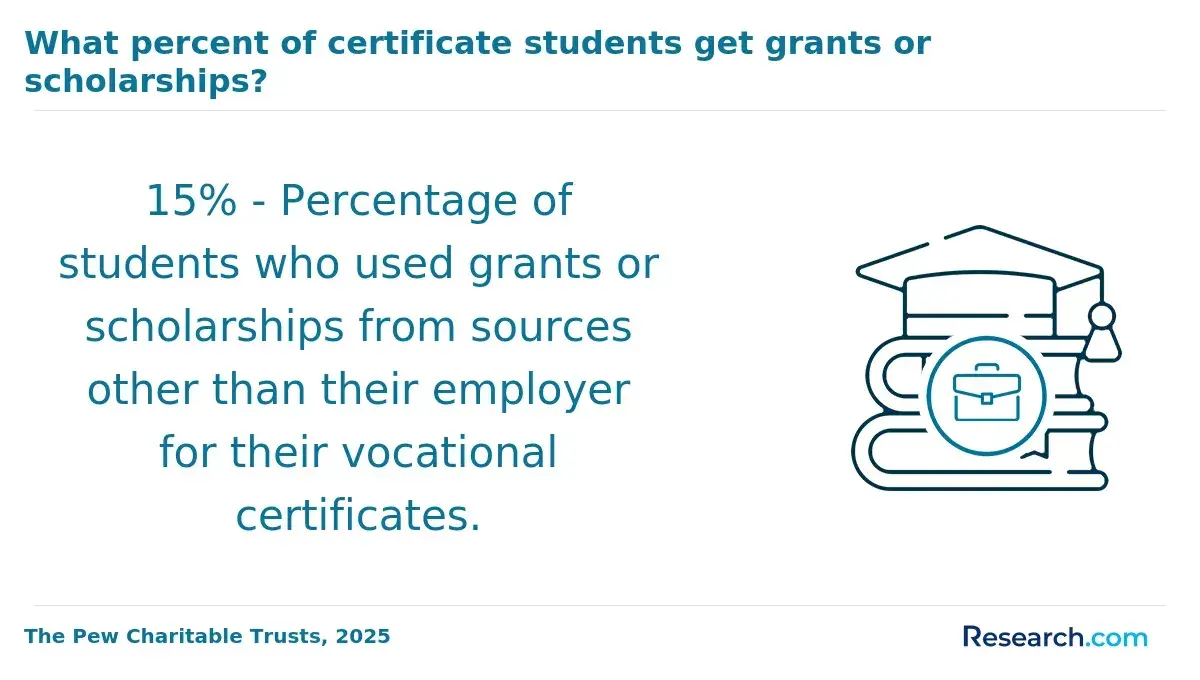
Tuition rates have significant consequences on your long-term financial flexibility. For example, reports show that online political science tuition ranges from $525 per credit to as low as $189 per credit for in-state residents, a disparity that can affect your debt levels and capacity to engage in unpaid internships or NGO projects.
Successful navigation of this field demands alignment with curricula that emphasize applied skills valued by top online political science programs recognized by NGOs, including policy analysis, global governance, and research methods. Prospective students should verify the quality of experiential learning or virtual internships offered, as the equivalency of low-credit or degree-completion options is often scrutinized, impacting employability.
Practical considerations such as program length, asynchronous coursework, and support for international or remote learners influence your ability to transition careers without income loss. Prioritize institutions with transparent graduate employment data indicating outcomes in NGO sectors. For comparative tuition metrics and alternative degree pathways, consider reviewing online MLIS programs for insight into affordability and value.
What courses and specializations in political science are most valuable for international NGO roles?
Specializations in international relations, comparative politics, and public policy analysis provide a targeted foundation for roles in international NGOs, particularly in political science fields focused on Africa. These areas equip candidates to navigate complex global governance and development systems critical to NGO efficacy.
Quantitative methods and data skills are indispensable for designing and assessing development initiatives, with median salaries around $97,449 for foreign affairs analysts and $91,253 for global development coordinators reflecting these competencies' market value.
Choosing to specialize in human rights policy or environmental governance broadens employment opportunities and aligns with NGO priorities like sustainability and regulatory compliance, often in agencies managing international environmental treaties and negotiations.
However, candidates must balance theoretical knowledge with applied skills, as programs that embed internships or field experiences in conflict zones or humanitarian environments enhance practical readiness substantially.
Pragmatic considerations also include mastering languages such as French, Spanish, or Arabic, which remain pivotal for cross-cultural communication in NGO work. Degree seekers should prioritize curricula incorporating public policy evaluation, risk assessment, and institutional analysis to meet NGO demands for strategic planning and reporting. This approach supports career resilience and upward mobility within international development sectors.
Among options relevant to NGOs and broader policy work, evaluating pathways that include practical exposure and specialized skills remains critical. Additionally, prospective students might review studies on ABA-approved online paralegal programs for comparative insights into accessible educational pathways.
How do online political science programs compare with campus-based options for NGO-focused students?
Online political science programs create a distinct challenge for students targeting NGO careers due to limited built-in experiential opportunities. Unlike campus programs that embed internships and international study components into their curriculum, online learners must independently secure relevant field experience.
For example, a U.S.-based student aiming for a global development project management role often faces the difficult task of finding international internships or practicum placements without institutional support.
Employers in international NGOs typically prioritize candidates who combine academic credentials with tangible project management experience. Northwest Missouri State data shows international project managers earn around $79,839 annually, reflecting the premium on practical skills alongside theory. Campus students gain an advantage from direct faculty interaction and peer collaboration, which enhance their readiness for policy analysis and fieldwork roles.
Online students should therefore adopt a proactive strategy:
- Secure internships early through NGO outreach or virtual placements
- Engage actively in professional political science associations with international focus
- Pursue credential enhancements such as language proficiency or project management certifications
- Prioritize programs offering synchronous seminars or cohort models to foster peer engagement
This approach helps mitigate gaps inherent to asynchronous learning by building networks, hands-on skills, and credentials that are critical for breaking into competitive NGO roles despite geographic or scheduling constraints.
What are the typical admission requirements for online political science bachelor's and master's programs?
Admission into online political science bachelor's programs often hinges on more than just a minimum GPA of 2.5 to 3.0; candidates must demonstrate competence in foundational academic areas like social studies and English, typically through transcripts.
While some schools still request SAT or ACT scores, the rise of test-optional policies reflects shifting admission dynamics. For working professionals, acceptance of transfer credits or recognition of relevant work experience can soften traditional barriers, effectively prioritizing demonstrated skills over formal credentials.
Master's level entry criteria generally require a bachelor's degree with a GPA around 3.0 or higher, supported by official transcripts and letters of recommendation. A statement of purpose must clearly align with career ambitions in international relations or policy analysis.
Some institutions mandate GRE scores, yet many waive this for applicants with substantial professional backgrounds. International candidates face additional requirements such as TOEFL or IELTS to verify English proficiency.
Graduates entering fields like international trade, where the average salary is $63,790 according to Northwest Missouri State, encounter employer expectations for rigor in critical thinking and data literacy. Admissions evaluate applicants' communication and analytical skills, often serving as an early filter for workplace readiness.
Prospective students should anticipate tailoring applications to emphasize these competencies, especially when targeting roles in NGOs or global markets where practical policy knowledge outweighs academic pedigree.
How long do online political science degrees take, and what do they cost overall?
Completing an online political science degree requires balancing time, cost, and career goals, especially for those targeting international NGO roles. A full-time bachelor's degree typically takes four years, but accelerated programs can shorten this to three, while part-time study often extends to five or six years. This extended timeline increases indirect costs, such as delayed salary growth and additional fees beyond tuition.
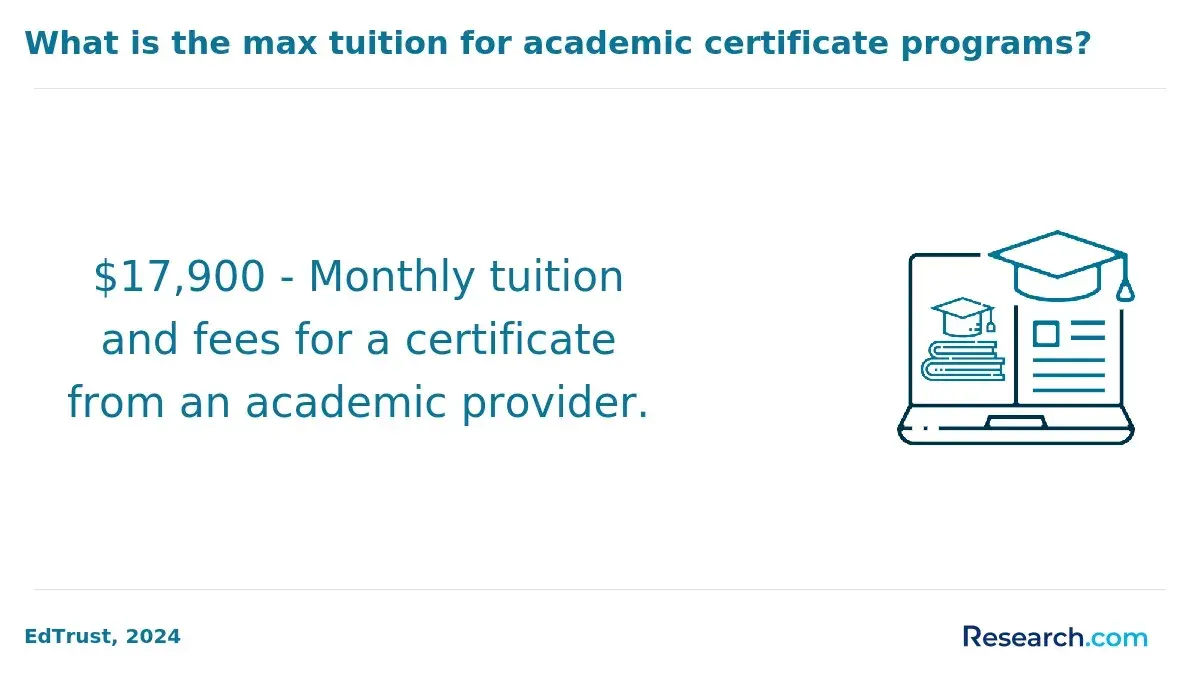
In-state tuition at public universities usually ranges from $15,000 to $25,000, whereas private institutions charge between $30,000 and $50,000, excluding expenses like technology and proctoring fees. Part-time students juggling employment must plan carefully, as longer program durations can compound overall expenses and postpone workforce entry in policy or NGO-focused roles.
Employers prioritize demonstrated analytical skills, internships, and relevant experience over mere degree completion time. Specializing in areas like statistics and policy analysis creates a practical advantage. For example, financial risk experts linked to political science earn median salaries around $106,090, reflecting the sector's demand for quantitative competencies.
Prospective students should weigh whether accelerated paths truly reduce total cost when factoring in workload intensity and quality of learning. Strategic course selection aligned with career objectives is critical to minimizing time out of the workforce and maximizing marketable skills essential for compliance, finance, or policy roles within international NGOs.
What entry-level and advanced careers in international NGOs can a political science degree support?
Political science degrees open doors to entry-level positions demanding analytical rigor and cultural fluency, such as research analyst, advocacy coordinator, and policy aide within international NGOs. Early-career roles focus on data collection, stakeholder engagement, and drafting policy briefs, skills essential to establishing a professional foothold but often insufficient alone to access senior responsibilities.
Progression to roles like program manager or senior policy advisor requires a nuanced grasp of donor relations, geopolitical risk, and multi-country project leadership. For example, a program manager must translate political risk assessments into operational strategies while maintaining compliance with diverse regulatory frameworks. This complexity necessitates combining academic knowledge with practical skills such as grant writing and impact evaluation.
Financially, graduates in political science can expect a median salary near $85,000 nationally, with top earners surpassing $235,000. However, reaching higher compensation brackets often depends on acquiring regional expertise, foreign language proficiency, certifications in global governance, and hands-on field experience.
Employers emphasize candidates who integrate theoretical grounding with tangible competencies and networks in international organizations. This dynamic highlights an important tradeoff: political science degrees provide broad frameworks but require complementary skills and strategic specialization to enhance employability and meaningful career growth.
What salary ranges and job outlook can political science graduates expect in international NGOs?
Entry-level salaries for political science graduates targeting international NGOs typically range between $40,000 and $60,000 annually, with limited immediate financial return on master's degrees that carry high tuition costs. Mid-career roles can reach $70,000 to $90,000, while senior positions involving policy analysis or program management may pay up to $130,000.
This salary range highlights a key tradeoff: high U.S. tuition fees, often between $18,000 and $62,000 annually, can delay return on investment compared to more affordable programs in Canada or the UK, where tuition runs significantly lower.
Job growth in NGO-related political science positions is moderate, around 5% through 2030, primarily centered on human rights, development, and international policy sectors. Strong practical skills in analytics, languages, and fieldwork increase employability and salary potential, emphasizing the importance of targeted electives and internships over general coursework.
For example, a graduate investing $60,000 yearly in a U.S.-based master's program who accepts a $45,000 entry-level NGO salary faces slower ROI and might experience competitive pressures due to stagnant local salary scales. By contrast, a graduate from a Canadian institution paying CA$20,000 annually may secure comparable NGO roles with better salary scaling, enabling earlier financial gains.
Cost, regional job markets, and skill alignment are critical variables that prospective students must weigh carefully when selecting a political science pathway focused on international NGOs.
What additional skills, languages, or certifications help political science graduates stand out to international NGOs?
Political science graduates aiming for international NGO roles confront stringent requirements beyond academic theory, demanding specific, job-relevant skills. For field-based positions in multilingual environments, fluency in a United Nations official language such as Spanish, French, Arabic, Chinese, or Russian directly impacts operational effectiveness and employability.
Certifications in project management frameworks like PMP or PRINCE2 signal an ability to coordinate diverse stakeholders and complex initiatives common in humanitarian and development sectors.
Additional competencies in data analysis and Geographic Information Systems (GIS) provide a quantifiable advantage for NGOs prioritizing evidence-based program evaluation. Practical abilities in grant writing and fundraising often determine candidate viability for resource-focused roles.
Aligning these with expertise in international humanitarian law or standards, such as those outlined in the Sphere Handbook or ICRC guidelines, addresses sector-specific expectations and ethics. For instance, NGOs operating in crisis zones favor professionals who combine language skills with legal and certification credentials to navigate operational challenges effectively.
The financial burden of pursuing certifications alongside formal education remains a crucial factor. U.S. international students must plan for roughly US$12,000-US$24,000 in annual living expenses, which can constrain supplemental skill acquisition like language immersion or additional courses. This budgetary constraint influences the timing and scope of credential-building efforts, affecting overall readiness and competitiveness in the NGO labor market.
Other Things You Should Know About Online Political Science Degrees
A political science degree offers broad analytical and research skills, but its versatility depends on the program's focus. Degrees emphasizing international relations, policy analysis, or human rights tend to align more directly with NGO needs. Choose programs with practical internships or case study work, since theoretical-heavy curricula may limit immediate applicability in diverse NGO settings.
For senior roles, a master's degree in political science or related fields usually provides a competitive edge through advanced policy analysis and leadership training. However, real-world NGO experience and sector-specific knowledge can sometimes outweigh a master's if the bachelor's program included targeted internships or fieldwork. Prioritize graduate programs that offer applied research or practicum components closely tied to NGO operations.
Employers in international NGOs expect strong data analysis, project management, and cross-cultural communication skills alongside political science knowledge. Seek programs integrating quantitative methods, GIS mapping, or foreign language training to bridge gaps between theory and applied work. Hands-on experience managing real projects or participating in simulations enhances a graduate's ability to contribute immediately and adapt to NGO environments.
References
- Examining Career Paths for Political Science Majors | Houston Christian University https://hc.edu/articles/examining-career-paths-for-political-science-majors/
- Online Political Science Degree | Programs & Career Options https://www.learnhowtobecome.org/best-online-bachelors-in-political-science-degree-programs/
- International College, Accredited Online Master’s, PhD & Fellowship Program ,UK Distance Learning https://internationalcollege-online.uk/
- Online Political Science Degrees: Find Your School https://www.degreesforgood.org/online-degrees/political-science-degrees/
- Grad School Programs: International Affairs - National Peace Corps Association https://www.peacecorpsconnect.org/gsg-program-type-international-affairs/
- Political Science Degree Online - MSU Denver https://www.msudenver.edu/online/political-science-ba/
- 2025's Best Online Master’s Programs in Political Science https://www.onlinemastersdegrees.org/best-programs/political-science/