2027 Best Online Political Science Degrees for Civic Leadership Careers

Co-Founder and Chief Data Scientist
Professional and adult learners pursuing careers in civic leadership increasingly confront rigid academic formats that clash with work schedules, family commitments, and geographic constraints. The National Center for Education Statistics reports a 32% surge in online enrollment for social science degrees since 2020, underscoring a shift toward flexible learning tailored to nontraditional students.
However, the challenge remains in identifying programs that balance accessibility with rigor and practical relevance to contemporary political environments. This article evaluates top online political science degrees specifically designed to align with career goals in civic leadership, helping readers navigate program quality, flexibility, and employability to make informed educational choices.
Key Things You Should Know
- Employers demand analytical and quantitative specialization within political science; programs lacking data-centric curricula produce graduates 25% less likely to secure roles in policy analysis or public administration, per 2024 Bureau of Labor data.
- Opaque credit transfer policies and varied online program accreditations create costly delays, extending typical degree completion from 4 to 6 years and increasing debt burdens for working professionals, based on NCES findings.
- Public sector hiring growth lags private consulting by 15%, shifting graduate job market leverage; prioritizing programs with strong industry partnerships enhances immediate post-graduation placement odds, according to the 2024 Georgetown University report.
What is an online political science degree and how does it prepare you for civic leadership?
Employers seeking civic leaders increasingly demand candidates with practical skills in policy evaluation, communication, and governance analysis. An online political science degree benefits for civic leadership manifest when graduates apply quantitative methods and legislative understanding to complex roles. For example, a remote policy analyst working for a state government might rely on these competencies to generate data-driven policy recommendations that influence public programs.
How an online political science program prepares civic leaders goes beyond theoretical frameworks by integrating experiential learning components like internships or capstone projects, which are essential for distinguishing candidates in competitive environments. The curriculum covers comparative politics, international relations, and ethics-foundations crucial for roles ranging from legislative advising to community organizing.
Still, remote learning demands rigorous self-discipline and effective time management to ensure mastery and professional readiness.
Cost factors are a significant tradeoff, with average online bachelor's tuition around $13,416 annually and a projected average net price of $8,171 in 2026, forcing prospective students to balance financial investment against long-term employability. Graduates can expect challenging environments where political navigation and stakeholder communication skills are vital.
Sources emphasize the need for applied experience to meet employer expectations, as those lacking real-world practice often face hurdles securing leadership roles. For insights into related career pathways with strong earning potential, see the analysis of high paying jobs in forensics.
How do you choose an accredited online political science program in the United States?
Selecting accredited online political science programs in the United States requires prioritizing both regional accreditation and specialized social science approvals to ensure programs meet rigorous standards valued by employers and facilitate credit transfer. Candidates targeting civic leadership roles should scrutinize curriculum relevance, focusing on practical skills like policy analysis, government relations, and ethical governance rather than generic political theory alone.
Employment projections indicate a 7% growth for political scientists through 2032, emphasizing the advantage of programs that integrate data analysis, research methodology, and applied theory to align with evolving workforce demands.
Working professionals often need asynchronous course structures combined with career support tailored to sectors such as public administration and nonprofits. Internships or applied projects connected to government agencies or think tanks significantly enhance employability.
Program outcomes, especially graduation and job placement rates in civic leadership, must be weighed against tuition costs. Less expensive programs may lack robust networking or quantitative training needed for roles like policy analysts shifting from the private sector. Transparency around credit transfer policies and technology capabilities also influences long-term flexibility for advanced degrees.
Prospective students evaluating the best online political science degrees for civic leadership careers in the US should also consider cross-disciplinary options, including fields like nutrition science, which intersect with public health policy. For example, exploring an online dietitian degree may complement public policy expertise in health-related governance contexts.
What are the key differences between online and on-campus political science degrees?
Choosing between online vs on-campus political science degree benefits requires weighing flexibility against experiential depth critical for civic leadership roles. Online programs suit working adults or caregivers by offering scheduling adaptability, but they often lack the rich interpersonal engagement found in traditional political science programs.
Most employers in social and community service management prioritize candidates with applied teamwork and field-based problem-solving skills, often cultivated through on-campus internships and local agency partnerships.
For example, an online student in a rural setting may find it difficult to secure relevant internships or community engagement that enhance practical readiness, a barrier less common for campus students positioned near nonprofit and government hubs. This gap affects employability, especially since the job market for social and community service managers is expected to grow 9% from 2022 to 2032, demanding candidates with proven, applied competencies rather than theoretical knowledge alone.
The differences between online and traditional political science programs also extend to curricular opportunities: on-campus degrees often provide direct access to guest lectures, live debates, and active research roles that sharpen communication and analysis skills. Online learners must self-initiate these enrichments, which can be a hurdle for those targeting leadership paths requiring public advocacy and policy influence.
Prospective students should consider hybrid formats or augment online study with local internships to mitigate these experiential shortcomings. For cost-conscious students exploring alternatives, research into the cheapest online computer science degree may offer insight into balancing affordability and practical exposure within digital learning environments.
What admission requirements and application materials do online political science programs typically expect?
Admission requirements for online political science programs reflect a balance between academic readiness and professional applicability, which can directly impact employability and leadership opportunities. For undergraduate candidates, verification of a completed high school diploma or bachelor's degree with transcripts showing a GPA near 2.5 to 3.0 is typical, emphasizing skills in writing-intensive or social science subjects.
Graduate applicants often face stricter scrutiny, needing a relevant bachelor's degree plus transcripts demonstrating sustained academic rigor.
Standardized test scores like the SAT, ACT, or GRE have become less critical in many programs, replaced by evaluations of professional experience and alternative qualifications, shifting the admission focus toward practical competencies.
A well-crafted personal statement must articulate civic leadership ambitions and career trajectory, while two to three recommendation letters should confirm analytical acumen and leadership potential. Including a detailed resume that highlights roles in government, policy, or nonprofits offers concrete evidence of sector-specific skills, which admissions weigh heavily.
Additional assessments, such as interviews or writing samples, are often required for master's level applicants to verify critical reasoning abilities relevant to policy impact.
Demonstrated technological proficiency is essential to successfully navigate online learning environments, which aligns with employers' expectations of digital communication skills.
Those evaluating online political science program admission requirements also benefit from comparing outcomes with the practical financial implications, as exploring affordable program options akin to a library science degree can inform cost-sensitive decisions.
How long does it take to earn an online political science degree and what does it cost?
Pursuing an online political science degree generally demands a commitment of about four years full-time, totaling approximately 120 credit hours. Tuition costs vary dramatically-ranging from $250 to $550 per credit hour-resulting in overall expenses between $30,000 and $66,000. These figures depend heavily on factors such as institution type and residency status, demanding careful scrutiny beyond sticker prices.
Students balancing employment often choose part-time study to maintain income, extending program duration but easing immediate financial strain. For instance, a government worker aiming for promotion might opt for this approach, prioritizing salary continuity while advancing education. Conversely, accelerated programs shrink completion to three years or less but require intense course loads and year-round study, presenting challenges for those with family or job obligations.
Cost analysis should also factor in additional expenses like textbooks, technology fees, and proctored exams, which can collectively add thousands of dollars.
Employers in public administration and nonprofit sectors typically weigh experiential background and internship quality in tandem with degree timelines and costs. Candidates focused on expedient workforce entry or constrained budgets often opt for regionally accredited programs that prioritize affordability but might limit networking possibilities.
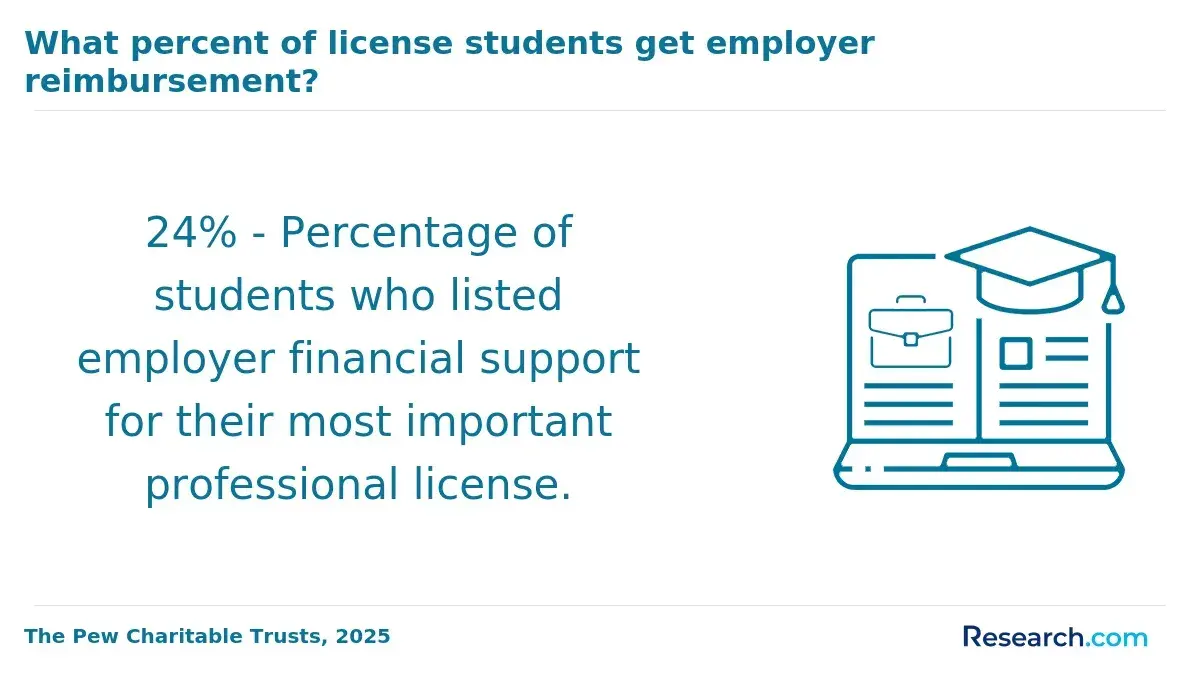
Financial aid profoundly alters real cost structures. Early consultation of FAFSA options, institutional scholarships, and employer tuition reimbursement plans can lessen dependence on high-interest loans and improve return on investment.
What courses and specializations are common in online political science programs focused on civic leadership?
Online political science programs that emphasize civic leadership combine foundational theory with specialized tracks geared toward immediate applicability in governance and advocacy. Core coursework typically includes political theory, comparative politics, public policy analysis, and research methods-skills essential for public sector roles requiring both analytical rigor and data fluency.
Specializations focus on discrete leadership realities such as community organizing, urban policy, nonprofit management, electoral systems, and ethics, aligning training with the varied demands of government or nonprofit sectors.
Practical skill-building around policy drafting, stakeholder negotiation, and strategic communication frequently differentiates candidates, especially in municipal or nonprofit leadership pipelines. For instance, mastering urban policy alongside budget oversight prepares students for city government roles, whereas nonprofit trajectories benefit from grant writing and organizational management curricula.
Cost considerations matter: fully online political science degrees often charge around $525 per credit compared to $600+ for in-person or out-of-state options, an important factor for working professionals balancing financial constraints with meaningful specialization.
Equally critical is assessing whether programs integrate experiential learning opportunities, such as virtual internships or capstone projects, because employers prefer candidates who demonstrate applied leadership experience over purely academic knowledge.
Prospective students should confirm institutional connections with local government or civic organizations to ensure access to hands-on training that supports employability and career progression in complex policy and leadership environments.
What careers in government, nonprofits, and advocacy can an online political science degree support?
An online political science degree equips graduates with skills applicable to government, nonprofits, and advocacy, but its market value depends heavily on context and additional experience. For instance, a policy analyst in local government frequently employs both quantitative and qualitative research to evaluate regulatory impacts, requiring proficiency beyond academic knowledge.
Meanwhile, roles like nonprofit program coordinators often provide faster entry into the workforce but come with lower starting salaries and less clear promotion pathways.
Employers prioritize candidates capable of translating complex political data into actionable strategies, which means hands-on experience with data analysis tools, legislative processes, or grant writing adds significant advantage. The reported median wage of $59,300 for public relations specialists, based on recent labor data referenced by Hiram College, reflects the tangible economic return of these communication and advocacy skills but also signals the competitive nature of such roles.
Choosing this degree without planning for internships or networking may limit access to federal or state governmental roles, where supplementary credentials and connections often dictate hiring. Prospective students should weigh:
- The need for specialized skillsets beyond curriculum to handle competitive job markets
- Tradeoffs between nonprofit roles offering quicker employment and government jobs that provide higher pay but require extensive experience
- The importance of strategic networking and continuous skill development during and after studies
This analytical approach grounds decision-making in realistic employment outcomes rather than institutional appeal, helping clarify whether an online political science degree aligns with one's long-term professional objectives.
What salary ranges and earning potential can political science graduates in civic roles expect?
Salary prospects for political science graduates entering civic leadership vary widely with sector, experience, and location, often reflecting tradeoffs between compensation and mission-driven work. Entry-level wages in local government or nonprofit roles generally fall between $40,000 and $60,000, whereas federal government positions report median earnings around $130,000 annually. However, those higher salaries typically demand advanced specialization or years of experience.
Professionals focusing on policy analysis or governmental affairs may accelerate into the $80,000 to $120,000 range within 5 to 10 years, benefiting from targeted skills and strategic networking.
Conversely, nonprofit and community advocacy roles often cap below $75,000 due to restricted funding, which should influence calculations about return on investment for an online political science degree. Career pivots leveraging flexible online education alongside part-time internships or fellowships offer a pragmatic route to build experience that employers prioritize.
Geographic factors compound these realities: urban centers can provide higher salaries but also entail increased living costs, affecting net income and long-term financial stability. Employers now increasingly value applied experience and digital proficiency, suggesting that internships or civic projects integrated within degree programs enhance marketability more than credentials alone.
What is the job outlook for political science majors pursuing public service and civic leadership careers?
Advancing beyond a bachelor's degree is often essential for political science majors seeking meaningful roles in public service and leadership. Without graduate credentials, salary growth and upward mobility tend to stagnate, with entry-level government or nonprofit salaries averaging around $45,000 annually as reported by the U.S. Bureau of Labor Statistics.
Positions demanding complex regulatory or legislative expertise typically require specialized education such as a juris doctorate or master's in public policy. For instance, a legislative aide with only a bachelor's may face slow career progression, while a counterpart holding a law degree or MPA is more likely to reach senior policy advisor roles earning between $80,000 and $100,000.
This reality presents a clear tradeoff: the time and cost of graduate programs versus significantly higher lifetime earnings and broader opportunities. Prospective students should rigorously evaluate program flexibility, alignment with public sector hiring trends, and networking potential before committing.
Early internships or fellowships play a critical role by bridging academic credentials with practical experience, improving employability in competitive job markets. Sustained demand for political science expertise persists, but high-responsibility roles increasingly require graduate-level credentials combined with targeted experience for competitive compensation and job security.
How can internships, networking, and professional certifications strengthen your political science career path?
Direct exposure through internships remains a critical determinant in political science career trajectories, particularly for those aspiring to civic leadership. An internship in a city council office, for instance, offers firsthand experience navigating legislative workflows and constituent communication-insights often absent from academic settings. This advantage outweighs candidates relying solely on theoretical knowledge.
Notably, increasing availability of fully online master's programs enables remote or local internship placements, expanding practical access for distance learners.
Networking acts as a strategic channel providing access beyond advertised roles. Government and nonprofit employers frequently prioritize candidates with established professional networks, evidenced by 62% of hiring managers' preference according to workforce surveys. Political science professionals focused only on credentials risk missing unadvertised positions and mentorship opportunities essential for sustained trajectory shifts.
Professional certifications validate applied competencies-policy analysis, public administration, or data interpretation-that signal readiness for specific roles. However, candidates must align certification choices with targeted career paths; managerial tracks favor credentials like Certified Public Manager, while campaign specialists might benefit more from digital organizing certifications.
The time and financial investment require careful assessment against expected role demands and employer expectations.
In combination, internships, targeted networking, and judicious use of certifications form a pragmatic toolkit. This equips political science candidates to maneuver evolving civic leadership challenges and leverage increasing online educational pathways documented in OnlineU's 2026 data.
Other Things You Should Know About Political Science
Online formats limit in-person interaction, which poses challenges for acquiring negotiation and public speaking skills critical to civic leadership. Programs that integrate synchronous sessions, interactive simulations, or require presentations offer a better environment for these skills. Prospective students should assess how a program structures communication-focused learning, as weaker integration may necessitate external training for career-critical competencies.
Balancing online political science coursework with full-time employment creates significant time management challenges, especially in programs with fixed synchronous components or heavy writing and research requirements. Students must evaluate program flexibility, including asynchronous options and deadline leniency, to avoid burnout or compromised academic performance.
Prioritizing programs with robust support services and reasonable workload expectations improves completion likelihood and career application.
Career changers aiming for civic leadership should weigh their specific career goals when selecting specializations. A policy analysis focus is valuable for roles requiring data-driven decision-making and strategic planning, but it may underemphasize grassroots organizing or community engagement skills. It is advisable to prioritize programs offering balanced curricula or elective flexibility to align training with the practical demands of intended leadership positions.
References
- Applying to Political Science PhD Programs | Mariana Carvalho https://www.maricarvalho.com/post/application-polsci/
- How to Apply for MA https://politicalscience.ceu.edu/how-apply-ma
- Internships and Career Preparation - Political Science and Philosophy - Areas of Study - School of Humanities and Social Sciences | University of Missouri-Kansas City https://shss.umkc.edu/areas-of-study/political-science-and-philosophy/internships.html
- Political Science Careers https://www.concordiacollege.edu/academics/programs-of-study/political-science/careers/
- Is an Online Degree Different from an On-Campus Degree? - GradLime https://gradlime.com/online-degree-campus-degree-difference/
- 2025's Best Online Master’s Programs in Political Science https://www.onlinemastersdegrees.org/best-programs/political-science/
- Political Science Degree Online - MSU Denver https://www.msudenver.edu/online/political-science-ba/
- Online Political Science Degrees: Find Your School https://www.degreesforgood.org/online-degrees/political-science-degrees/
- Online Political Science Degree | Programs & Career Options https://www.learnhowtobecome.org/best-online-bachelors-in-political-science-degree-programs/
- What Can You Do With a Political Science Degree | PathWise https://pathwise.io/what-can-you-do-with-a-political-science-degree/