2027 Best Online Political Science Degrees for Advancement in Government and Policy Leadership

Co-Founder and Chief Data Scientist
Aspiring government officials and policy analysts often confront the challenge of advancing careers without interrupting ongoing employment due to rigid class schedules and geographic constraints. The demand for professionals adept in political science analysis has grown, yet over 60% of adult learners now prefer online modalities for flexibility, according to the National Center for Education Statistics 2024 report.
This shift signals that accessible, time-adaptive degree programs are becoming pivotal for timely career progression in public service and policy leadership roles. This article evaluates top online political science degrees tailored to facilitate strategic advancement while balancing professional and personal commitments.
Key Things You Should Know
- Graduates from accredited political science programs see a 12% higher likelihood of federal policy roles according to 2024 OPM workforce data, but increased specialization narrows transferable skill sets for broader government positions.
- Employers prioritize candidates with quantitative analysis proficiency, with 68% of public sector hiring managers in 2024 demanding demonstrated data literacy, pressuring programs to balance theory with practical skills.
- Average program costs rose 7.3% since 2023, per NCES, forcing mid-career professionals to weigh accelerated online degrees against lost income and credential market saturation in federal and local government recruitment.
What is an online political science degree and how does it prepare you for government and policy leadership?
Online political science degree programs designed for government careers offer a distinct advantage by integrating analytical rigor with practical policy applications. These programs emphasize core areas such as public administration, constitutional law, and international relations, reinforced by empirical research and data analysis skills. Graduates are expected to navigate legal frameworks and stakeholder interests adeptly-skills crucial within government agencies and policy institutions.
Employers increasingly prioritize candidates who translate theory into actionable policy strategies. For instance, a municipal government employee applying regulatory policy skills to reform local housing codes demonstrates direct impact on urban development. Similarly, nonprofit analysts often deploy quantitative research techniques to evaluate program effectiveness and secure funding, illustrating the necessity of policy leadership preparation through political science degree coursework.
Flexible online formats accommodate working professionals' schedules without compromising academic standards but verifying access to faculty mentorship and internships remains critical. Practical experience and networking significantly influence outcomes in public sector employment.
Labor data show political science degree holders earn a median salary of $73,000 compared to $65,000 across all disciplines, reflecting the value of specialized skills in governance and policymaking. For individuals exploring career shifts, these programs provide an evidence-based path-but students should weigh employer expectations and experiential components carefully.
Those convinced by the intersection of policy and research might also investigate related fields such as a forensic science career, which similarly demands analytical precision and practical application.
How do online political science programs compare with on-campus programs for flexibility, rigor, and outcomes?
Online political science programs versus on-campus flexibility and rigor reveals distinct tradeoffs relevant to working professionals navigating government or policy careers. Online formats deliver asynchronous schedules critical for those balancing unpredictable demands, like federal analysts managing live projects.
Yet, replicating campus-level rigor requires disciplined self-direction since online students lack direct access to faculty mentorship and immersive internships common on-site. This format suits students prioritizing flexible pacing and real-world integration but demands proactive engagement for networking or practicums.
Employment outcomes for online and traditional political science degrees increasingly align when programs maintain robust accreditation and curriculum standards. The U.S. Bureau of Labor Statistics projects a 6% growth in political scientist roles from 2022 to 2032, underscoring demand for candidates skilled in policy analysis, data interpretation, and political theory-competencies attainable through either mode if training is thorough.
Prospective students should assess programs on career services, alumni networks, and practical training availability, as these elements heavily influence placement success in government or policy leadership.
Consider an early-career professional seeking advancement as a federal policy analyst. An online program with focused quantitative methods and virtual internships might enable continued employment while acquiring relevant skills, unlike rigid on-campus schedules that may disrupt work commitments. However, less structured online programs risk inadequate support for underprepared candidates.
Adopting a strategic lens also benefits those weighing parallel options such as a library science master's, which can complement policy expertise by broadening analytical and information management capabilities useful in political contexts.
Which online political science degrees are best for advancing into government and policy leadership roles?
Effective political science degrees for government careers prioritize applied skills over theory, especially in policy analysis, data analytics, and public administration. Graduates aiming for federal or state roles benefit most when curricula emphasize empirical research methods and legislative processes, providing direct alignment with government employer expectations.
For example, programs incorporating realistic policy simulation and internships enhance decision-making capacities crucial for competitive federal positions.
The median annual wage for political scientists was $136,640 in 2024, but salary growth hinges on rigorous programs with experiential elements.
Degrees that include capstone projects in partnership with government agencies significantly improve job placement outcomes, reflecting workforce realities beyond mere credentialing. Those pursuing advancement in specialized sectors like intelligence or homeland security should seek programs offering focused instruction in national security or cybersecurity governance.
Tradeoffs between program flexibility and access to internships shape choices for working professionals. Online master in data science programs that combine asynchronous coursework with robust alumni networks in government demonstrate higher success in career transitions than purely theoretical degrees, which often require supplemental certifications. The best online political science degrees for government careers provide:
- Advanced data literacy for evidence-based policymaking
- Clear pathways to internships or fieldwork with government entities
- Faculty with current government or policy consultancy experience
- Recognition and accreditation aligning with federal hiring standards
Choosing top online political science programs for policy leadership advancement demands attention to these practical elements. Omitting them risks stagnation in entry-level roles despite the field's lucrative median earnings reported by government labor data. For candidates evaluating pathways with a quantitative or data focus, reviewing affordable, rigorous options such as online master in data science degrees can supplement traditional political science expertise effectively.
What accreditation should online political science programs have to be recognized by employers and graduate schools?
Regional accreditation from recognized U.S. agencies such as the Middle States Commission on Higher Education, Southern Association of Colleges and Schools, or Western Association of Schools and Colleges is a non-negotiable standard for online political science degrees that aim for credible employer and graduate school recognition.
A degree without this recognized accreditation often disqualifies candidates from federal employment or competitive fellowships, limiting practical career advancement. This reflects core accreditation standards for online political science degrees in the United States and how employers operationalize academic quality.
Costs and logistics further complicate decision-making. Forbes Advisor notes the average annual in-state tuition for online political science bachelor's programs ranked in 2024 is about $9,000-modestly cheaper than the $10,000 average for on-campus public options.
Choosing regionally accredited programs preserves eligibility for federal financial aid and simplifies credit transfers crucial when pursuing graduate degrees. For professionals balancing time and tuition, these factors materially influence program selection.
Non-accredited or diploma mill programs, while sometimes marketed as affordable or flexible, generally fail to meet recognized standards set by recognized accreditation agencies for political science programs in higher education. They risk leaving students in dead ends where credentials are undervalued or outright rejected. For those making a decisive career shift, verifying accreditation upfront prevents costly employment or educational gaps.
The following points clarify key tradeoffs:
- Regional accreditation ensures transferability and federal recognition but may come with somewhat higher tuition versus unaccredited options.
- National or programmatic accreditation alone rarely suffices for federal jobs or graduate study in policy fields.
- Accreditation-compliant programs qualify students for important supports like federal aid and recognized credit transfer.
- Professionals seeking advanced opportunities must weigh accreditation compliance as a central decision factor, not a formality.
For a comparative reference in affordable credentialing frameworks, see ABA-approved paralegal programs, which also emphasize strict regional and national accreditation balance in online formats.
What courses and specializations in an online political science degree best support careers in government and policy?
An online political science degree must align course selections with the realities of public sector work, particularly federal and local government roles that demand immediate applicability. Key coursework in public administration, comparative politics, and policy evaluation lays groundwork, but specialization in areas like public policy implementation or legislative studies is often necessary to navigate regulatory complexities effectively.
Data fluency is increasingly non-negotiable. Federal agencies prioritize candidates proficient in statistics, econometrics, and data analysis tools to handle large datasets essential for evidence-based policy-making. The impending retirement of over 30% of the federal workforce by 2027 intensifies demand for graduates who can reduce onboarding time with analytic competencies.
Legal studies and ethics should not be sidelined; they equip graduates to manage compliance and uphold public accountability, crucial in roles overseeing regulatory frameworks. Those targeting foreign service or defense careers benefit from advanced study in international relations or security policy, where geopolitical and strategic thinking directly influence policy outcomes.
Practical exposure via internships or practicum opportunities is a significant differentiator. Programs lacking government engagement risk producing graduates ill-prepared for operational constraints, which can weaken employability despite academic rigor. Prospective students must balance curriculum content with real-world training and faculty expertise on contemporary federal issues.
What are the typical admission requirements for online bachelor's and master's degrees in political science?
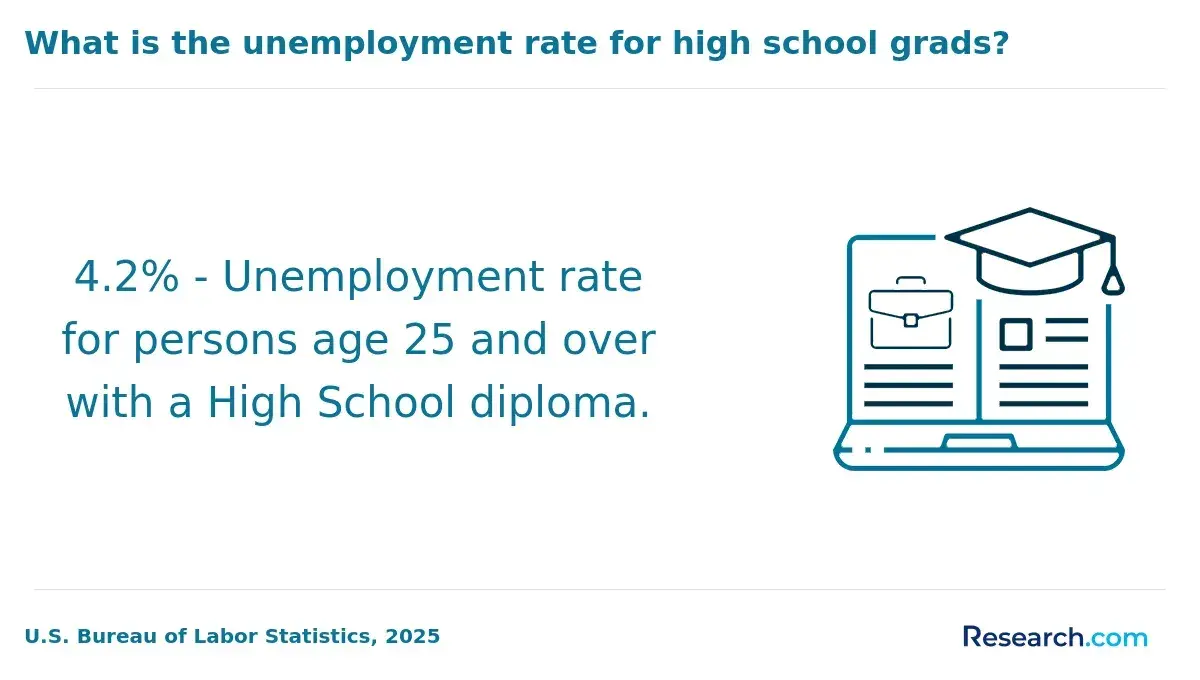
Admission criteria for online bachelor's programs in political science often require a high school diploma with minimum GPAs around 2.5 to 3.0; however, the true hurdle lies in demonstrating commitment to asynchronous learning alongside work or personal responsibilities.
Applicants generally submit transcripts, SAT/ACT scores, and personal statements, but competitive programs may additionally request recommendation letters or proof of pertinent extracurricular activities like debate or internships. The tradeoff for working students is balancing rigorous course expectations without extending time-to-degree.
Graduate admission hinges on more defined academic and professional credentials, usually mandating a bachelor's degree with a minimum 3.0 GPA, GRE scores-unless waived for substantial experience-and well-aligned statements of purpose.
Relevant employment in analysis, policy research, or government bolsters applications and can offset testing requirements. Program flexibility versus academic rigor is a critical consideration for mid-career professionals aiming to pivot or escalate their roles in policy leadership.
- The BLS projects a 9% employment growth for social and political science analysts from 2022 to 2032, adding roughly 281,000 jobs.
- This upward market demand pressures admission standards, emphasizing candidates with practical skills alongside academic knowledge.
- Applicants must realistically assess how program demands intersect with their career schedules to avoid prolonged completion times.
How long do online political science degrees take to complete and what do they typically cost?
Completing an online political science degree within four years full-time effectively matches traditional timelines but neglects the nuanced tradeoffs between speed, cost, and practical experience. Accelerated paths can reduce duration to two or three years, especially for those with prior credits, yet they often increase per-credit costs and intensify workload, posing challenges for working professionals.
Employers prioritizing specialized knowledge increasingly demand candidates with concentrations in areas such as public policy, international relations, or public administration. Over 60% of top-ranked online political science bachelor's programs in 2026 include these focus areas, reflecting market expectations for targeted expertise critical to policy and leadership roles.
Cost considerations vary significantly by institution type, with public universities generally offering lower tuition than private schools. Total expenses typically range from $20,000 to $45,000, though employer tuition assistance or GI Bill benefits can substantially lower out-of-pocket costs. Working adults must weigh the accelerated format's higher per-credit fees against potential time savings and quicker workforce reentry.
Balancing education with employment frequently extends part-time program completion to six years or more, which may maintain income but delays full qualification. Programs incorporating internships or practicums enhance applied learning and employer appeal but often prolong degree duration, creating a strategic choice between immediate job continuity and long-term career positioning.
Which careers in government, public policy, and advocacy can you pursue with an online political science degree?
An online political science degree equips graduates with analytical skills essential for roles in government, public policy, and advocacy, but practical application often hinges on combining academic knowledge with hands-on experience.
For example, a policy analyst assessing municipal regulations leverages quantitative methods learned in coursework to guide effective policy changes. However, many entry-level positions demand familiarity with legislative procedures and regulatory environments that coursework introduces but must be reinforced by internships or volunteer engagements.
About 20% of law school candidates have political science backgrounds, reflecting its status as a foundational pre-law discipline. This connection underscores the degree's relevance in careers requiring constitutional and governmental expertise, such as lobbying or nonprofit leadership, where strategic negotiation and communication are critical. Employers favor candidates who supplement theoretical understanding with exposure to case studies, simulations, or real-world policy challenges.
Prospective students face tradeoffs between program specialization options-like international relations versus public administration-and the availability of experiential learning opportunities remotely.
Virtual internships or local placements must be proactively pursued to offset the lack of in-person options. Additionally, career progression and salary in public sector roles vary widely; obtaining graduate credentials such as a Master of Public Administration alongside a political science degree often enhances prospects for leadership roles.
What salary ranges and job outlook can political science graduates expect in government and policy roles?
Political science graduates face distinct salary dynamics shaped by sector and experience. Entry-level roles such as legislative assistants typically start between $50,000 and $75,000, while mid-career positions like federal policy analysts or state public affairs directors often earn from $75,000 up to $110,000 annually. These figures reflect not only job title but also geographic factors and organizational size.
Employment growth for related social science fields is projected at 7% through 2032, slightly outpacing average occupation growth. However, career progression often hinges on specialized skills employers demand, including data analysis, legal research, and public communication.
Graduates who juggle full-time work with studies - statistically about 76% of online political science students - can leverage their current roles into upward mobility by applying newly acquired knowledge practically, though first-generation students at 55% of this group may face additional hurdles in networking and experience.
Salary tradeoffs vary by sector: federal positions generally offer higher starting wages but slower advancement, whereas nonprofit or local government roles may pay less initially but afford earlier leadership opportunities. Strategic decisions to pursue certifications or graduate education often influence long-term outcomes in competitive policy leadership tracks.
How can you choose a reputable online political science program that matches your career goals and budget?
Accreditation from recognized bodies such as the Council for Higher Education Accreditation is a critical filter, guaranteeing academic rigor recognized by employers. Selecting a political science program requires aligning course content with your career target, emphasizing specializations like public policy analysis or government relations that offer direct applicability.
Programs that embed experiential learning-internships, capstone projects, or applied research-deliver measurable skill enhancements improving employability. For example, a government affairs specialist benefits from training in public data systems and digital governance tools beyond generic theory.
Pricing decisions must go beyond tuition to include fees, technology, and materials. The landscape's 40% growth in online political science options introduces variability in quality. Some low-cost programs may lack comprehensive career services or alumni outcomes, reducing ROI.
Tradeoffs between asynchronous flexibility and synchronous networking affect professional integration. A working policy support professional may prefer evening live sessions for real-time engagement over purely self-paced formats. Transfer credit policies and accelerated tracks also shape opportunity costs and timeline feasibility.
Other Things You Should Know About Political Science
Yes. For federal jobs and many graduate programs, the degree should come from a regionally accredited institution recognized by the U.S. Department of Education or CHEA. Some employers also prefer programs accredited by the school’s college or university, and financial aid usually requires accreditation.
The asynchronous nature of many online political science programs allows working professionals to balance coursework with full-time jobs, but time management remains a significant challenge. Programs with heavy reading, writing, and research components require consistent weekly dedication, making it impractical for those without a disciplined schedule or employer support. Prospective students should choose programs with clear workload expectations and flexible deadlines to reduce burnout risk.
Programs that integrate applied policy analysis, data-driven research methods, and real-world case studies better prepare students for leadership. Prioritizing courses involving public administration, ethics, and international relations provides practical skills valued in government roles. Students should prioritize programs that offer capstone projects, internships, or partnerships with public sector organizations to build relevant experience and professional networks.
References
- What Can You Do With a Political Science Degree | PathWise https://pathwise.io/what-can-you-do-with-a-political-science-degree/
- Online Political Science Degrees https://mycollegeguide.org/online-political-science-degrees/
- 2025's Best Online Master’s Programs in Political Science https://www.onlinemastersdegrees.org/best-programs/political-science/
- Political Science Degree Jobs: 12+ Career Paths (2026) | Extern https://www.extern.com/post/political-science-degree-jobs-career-guide
- 10 Top Degrees for a Career in Politics: Explore Your Best Options https://www.degreesforgood.org/features/degrees-for-a-career-in-politics/
- Online MA Political Science (Master of Arts in Political Science) https://www.lpuonline.com/ma-political-science-course-online
- How to Apply for MA https://politicalscience.ceu.edu/how-apply-ma
- Best Research Programs for Students Interested in Political Science https://riseglobaleducation.com/blogs/best-research-programs-for-students-interested-in-political-science
- Who can do a Masters in Political Science? https://www.esce.fr/en/faq-all-the-answers-to-your-questions/who-can-do-a-masters-degree-in-political-science/