
2026 Online Library and Information Science Degrees That Prepare Students for Research Support Roles

Co-Founder and Chief Data Scientist
Professionals aiming to pivot into research support roles within library and information science frequently encounter barriers related to program accessibility and timing. With over 70% of adult learners juggling employment-as reported by the National Center for Education Statistics in 2024-traditional, on-campus instruction often proves impractical. The growing shift toward online education mirrors this demand, yet not all programs align with employer expectations or provide the hands-on skills vital for advanced research facilitation. This article evaluates online library and information science degrees designed to bridge this gap, focusing on program flexibility, curricular relevance, and career-readiness to aid informed enrollment decisions.
Key Things You Should Know
- Online library & information science degrees in 2026 reveal a tradeoff: cost savings on commuting contrast with a 15% longer average program duration, increasing opportunity costs for mid-career professionals, per NCES data.
- Employers prioritize candidates with practical data management skills; 73% of research support roles require specific experience with digital curation tools, indicating curriculum gaps in many online offerings, according to ALA workforce surveys.
- Regional accreditations affect licensure transferability and access to federal aid, contributing to uneven enrollment growth, with underserved populations facing a 20% higher attrition rate in programs lacking standardized state recognition, per 2024 HEFCE reports.
What are online library and information science degrees for research support roles?
Online library and information science degrees for research support roles cater to a distinct set of competencies that extend beyond traditional archival or cataloging skills. These programs emphasize practical mastery of systematic literature review, research data management, and digital curation tailored for research-intensive environments. As 72% of LIS practitioners engage in research tasks and 64% have conducted research recently, programs must equip graduates to navigate both scholarly databases and evolving compliance standards effectively.
A focused online library and information science degree can vary based on targeted sectors. For instance, supporting biomedical research demands fluency in clinical trial databases and regulatory frameworks, while humanities research support requires expertise in metadata interoperability and digital humanities tools. Such degrees often include elective tracks or capstone projects that reflect these specialized workflows, proving essential for working professionals seeking to pivot or deepen their skill set.
However, program selection requires scrutiny of accreditation, faculty expertise, and flexibility for part-time study because employer expectations shift between generalist information skills and specialized research support capabilities. Prospective students should critically assess how well a program aligns with specific job markets and practical challenges, such as mediating between researchers and IT teams or balancing new digital tools with regulatory demands.
Given this complexity, a relevant question for those evaluating educational options is is library science a good degree for their intended research support career trajectory. Seeking the best online degrees in library and information science for research support roles thus demands a nuanced appraisal of program outcomes versus personal career goals.
Are online library science programs accredited and respected?
Employers hiring for research roles in academic libraries or government agencies prioritize candidates from programs that meet established online library science program accreditation standards, particularly those recognized by the American Library Association (ALA). Accreditation not only validates curriculum rigor but directly affects eligibility for positions requiring federal clearance or public trust, where unaccredited degrees may be disqualifying. For instance, a research librarian candidate at a government agency often must prove credentials from a regionally and ALA-accredited program to clear these barriers.
The reputation of accredited library and information science degrees stems from their comprehensive training in information organization, digital curation, and research methodologies. Research data confirm this value: a 1998 survey by Santos, Willett, and Wood found that 71% of graduates recommended their programs, signaling sustained employer alignment with accredited graduates' competencies.
Choosing programs requires weighing flexibility against substantive components such as supervised practicum or research opportunities, which correlate strongly with employer preference. Convenience or cost alone should not determine program selection, as insufficient accreditation or practical exposure can limit advancement in research-intensive roles.
Students pursuing advanced study should also consider how degree choices fit labor market realities and their professional schedules. Asynchronous offerings can support working professionals but must not compromise accreditation or practical training. Those seeking a strategic pivot in library science should examine these criteria carefully.
For those exploring complementary fields, resources like the best online nutrition degree listings demonstrate how accreditation standards translate across disciplines.
How do online and campus LIS programs compare?
The core distinction between online and campus library and information science programs lies in balancing accessibility with the depth of immersive learning, a critical factor for those aiming at research support roles. Campus programs provide significant advantages in hands-on practicum opportunities and direct access to institutional resources like archives, which are essential for roles involving physical handling of collections. In contrast, online programs cater to working professionals and geographically remote students by offering flexibility but demand greater self-discipline and proactive local networking to match the experiential benefits of traditional settings.
Employers prioritize candidates demonstrating applied competencies and professional connections, elements more organically developed through on-site practicums and embedded career services. Data from Syracuse University iSchool reveals a 96% job placement rate for MLIS graduates and highlights the advantage of early employment through integrated fieldwork. Students should weigh their professional context-such as a full-time information specialist in a rural public library benefitting from the flexibility of an online model but needing to secure practicums independently.
Those exploring differences between online and traditional library and information science degrees should consider these tradeoffs carefully. An online program may best fit those balancing work and study, but campus programs often better prepare recent graduates pursuing research librarian roles through structured networking and immersive access.
For comparison of affordability and options in related fields, consider an online computer science degree, which similarly weighs flexibility against practical exposure.
What courses prepare students for research support work?
Stronger emphasis on advanced information retrieval offers a competitive advantage in environments where precision searching across complex databases is essential, such as university libraries or research institutes. Additionally, integrating instructional design or user experience coursework aligns with practical needs to facilitate researcher autonomy in resource utilization-a commonly undervalued skill set.
Effective skills development for research support roles in library science now demands fluency in data management and research data services. Handling large datasets with attention to regulatory compliance is critical in scientific and health research libraries. This focus reflects workforce realities where roles intersect heavily with data governance, often more so than traditional librarian functions.
Given a median librarian salary of $64,370 (U.S. Bureau of Labor Statistics, May 2024), students must weigh specialization tradeoffs carefully. For example, those aiming to support biomedical research benefit from courses in data management and compliance, while those targeting humanities research should emphasize archival and metadata expertise. Operational challenges include mastering multiple database platforms and software tools, and developing soft skills for effective collaboration between researchers and technical staff.
Prospective students evaluating this pathway should also consult data science degrees affordability and outcomes to benchmark interdisciplinary options supporting research data literacy and analytics competencies.
What admissions requirements do LIS programs usually require?
Admission to LIS programs requires more than a bachelor's degree; it demands evidence of relevant aptitude and clear career direction. Most programs expect a minimum cumulative GPA around 3.0, although some flexibility exists for candidates with strong professional experience. Applicants typically must provide transcripts, a statement of purpose outlining their information management goals, and professional references verifying research or data-handling skills. This set of requirements functions as an early filter for candidates suited to specialized technical tasks, such as managing digital catalogs or electronic metadata systems.
International students face added scrutiny via English proficiency tests like TOEFL or IELTS, ensuring communication skills meet workplace standards. Unlike fields that rely heavily on GRE scores, LIS admissions only occasionally consider them, reflecting the priority placed on demonstrated practical skills versus standardized exam performance. Resumes detailing library-related or technical work experience often tip the scale for candidates prepared to handle emerging challenges in information curation.
Employers expect LIS graduates to navigate complex information environments efficiently. For example, a medical research library technician must master metadata intricacies and electronic resource management under pressure. The growing wage premium for top performers-earning over $101,680 annually per U.S. Bureau of Labor Statistics data-reflects this demand for specialized skill sets and justifies the nuanced admissions emphasis on practical and analytical abilities.
How long do online LIS degrees take and what do they cost?
Graduating within two to three years is common for library and information science degrees, but duration directly impacts employability, especially for those targeting K-12 roles where timely credentialing is critical. Full-time enrollment accelerates completion, yet many professionals must balance work and study, often extending timelines beyond three years. This delay can affect both practical experience acquisition and meeting school certification standards, which employers actively prioritize.
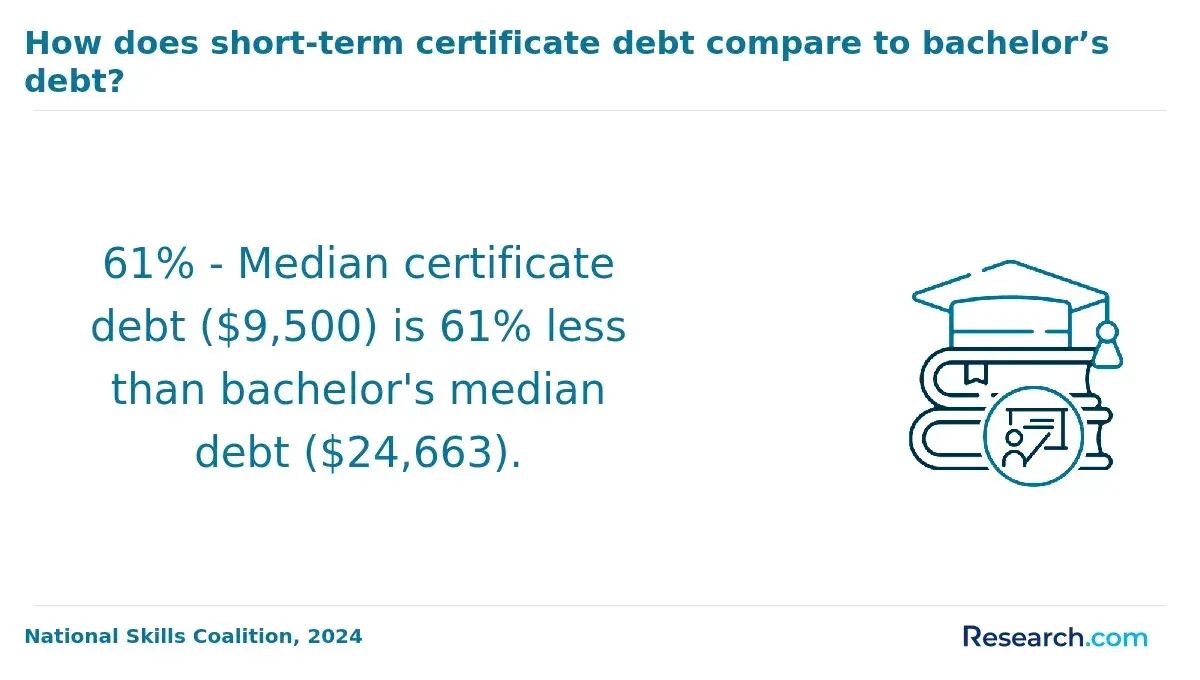
Cost considerations diverge sharply across public and private programs and residency status. Public universities typically range from $15,000 to $30,000 for a master's degree in LIS, whereas private institutions may double that. Candidates must also budget for certification prep, practicum fees, and essential technology access-components that affect total investment as much as tuition. Accelerated pathways reduce time but raise per-term fees and workload, often limiting simultaneous employment.
For educators focusing on elementary and secondary school libraries-the sector with the highest LIS demand per the Bureau of Labor Statistics-programs emphasizing practical skills and alignment with state certification requirements deliver the most direct routes to employment. Decision-makers should weigh the tactical tradeoffs between accelerated graduation, cost savings from part-time study, and securing relevant school-based experience to remain competitive.
Which research support jobs can LIS graduates pursue?
The shift toward integrated research support roles for LIS graduates reflects evolving employer demands that extend well beyond traditional library tasks. Employers increasingly seek professionals who can relieve researchers' time constraints-62% in a recent study identified insufficient researcher time as a top barrier-making roles such as research data managers and digital scholarship librarians pivotal within academic and corporate environments.
These roles translate complex skills into operational impact: research data managers develop rigorous data management plans aligned with funder and institutional mandates, while digital scholarship librarians enable streamlined access to computational and open science tools. Metadata specialists accelerate literature reviews by enhancing discoverability, effectively cutting project timelines.
Grant support coordinators reduce administrative overhead by managing submissions and documentation, allowing researchers to concentrate on scientific inquiry. Information analysts further bridge gaps by synthesizing data and tailoring literature scans to project needs, reducing common bottlenecks in knowledge acquisition.
Professionals in these positions must balance technical competencies-including metadata standards and data privacy-with domain-specific knowledge. For students and professionals considering lis programs, an emphasis on research data science or informatics is essential to meet these multifaceted role expectations. The tradeoff often involves balancing specialized technical training with adaptability in diverse research settings where roles may blur.
What salaries do research support professionals earn?
Salary variations for research support professionals in library and information science reflect sector demands, geographic factors, and specialized skills. Entry-level roles in academic or public libraries typically start near $50,000, whereas government or corporate research positions often surpass $80,000 due to a premium on technical expertise and project management. For instance, a federal agency research support librarian with advanced data management credentials may earn $90,000 or more, although achieving these positions requires significant investment in ongoing certification beyond formal degrees.
Employer demand increasingly favors practitioners who blend traditional LIS knowledge with competencies in data curation, digital scholarship, and grant facilitation. Yet, a majority of professionals-58%, according to a 2024 study by Partridge, Given, and Murphy-depend on informal learning rather than structured employer-supported research training. This gap indicates a tangible advantage for candidates possessing formal research credentials aligned with employer needs.
Smaller nonprofits and institutions generally offer salaries between $55,000 and $65,000 but compensate with broader job responsibilities. Prospective candidates should weigh these salary ranges against local living costs and benefit packages such as tuition reimbursement. Graduate programs with a clear focus on applied research methods and employer-relevant skills can facilitate access to better-compensated roles by closing the formal training shortfall identified in workforce analyses.
What is the job outlook for library research support roles?
Demand for library research support staff remains closely tied to practical research skills rather than general information management, reflecting how employers prioritize candidates able to immediately contribute to decision-making and service enhancement. For instance, medical library specialists must efficiently navigate clinical trial registries and interpret results to support healthcare teams, while public library research coordinators analyze local data to adapt programs without relying on extended onboarding.
This focus creates distinct workforce implications: professionals must balance acquiring technical competencies like data analytics and digital curation alongside traditional research methodologies, often while facing limited funding that constrains sector growth and heightens competition. Consequently, demonstrating tangible research impact often outweighs formal credentials in hiring decisions.
Students considering library and information science degrees for research support roles should carefully evaluate program curricula for emphasis on hands-on projects that bridge both qualitative and quantitative methods aligned with current industry demands. Career changers, in particular, need education that equips them to navigate evolving digital tools and emerging standards, ensuring readiness to meet employer expectations for evidence-based services.
Which certifications help LIS graduates qualify for research support work?
The real value of certifications for library & information science (LIS) graduates lies in differentiating specialized skills relevant to research support roles, particularly where compliance, data stewardship, and project oversight intersect. For instance, the Certified Data Management Professional (CDMP) credential boosts an LIS graduate's employability in federal research libraries by signaling proficiency in managing datasets aligned with government regulations. Without these certifications, graduates often find themselves confined to generalist positions despite their specialized training.
Employers in academic and corporate research environments increasingly prioritize candidates with formal credentials that demonstrate both technical aptitude and leadership capabilities. The Academy of Certified Archivists (ACA) credential serves those managing proprietary research collections, while project management certifications like PMP are vital in cross-disciplinary, institution-wide research projects. Additionally, advanced bibliometric and digital curation certificates, available from entities such as the Research Data Alliance and the Data Curation Network, add measurable advantage in handling complex, multi-format research outputs.
Decision-makers should weigh certification costs and maintenance against sector-specific demands, notably in health sciences, government research, or university libraries. Practical evidence of certified competence often dictates whether an LIS graduate can secure roles that influence institutional policy or data-sharing practices, as reflected by employment trends documented by Santos, Willett, and Wood (1998). Importantly, these credentials can mark the difference between leadership-track research support positions and routine library jobs.
Other Things You Should Know About Library & Information Science
A master's degree remains essential for most advanced research support roles, as employers prioritize candidates with formal LIS credentials for their comprehensive training in information management and research methodologies. However, practical experience and specialized certifications can supplement but not fully replace the degree for mid- to senior-level positions. Students should prioritize programs that offer a strong balance of theory and applied skills relevant to research support to maximize employment prospects.
Employers in research support emphasize practical, hands-on experience alongside theoretical knowledge, especially in digital tools and database management. Online LIS programs that incorporate practicums, internships, or project-based learning provide a significant advantage. When evaluating programs, prioritize those offering structured experiential components that simulate real-world research environments over purely lecture-based curricula.
Graduates from reputable online LIS programs with accreditation and experiential learning often perform comparably to traditional program graduates in securing research support roles. However, networking opportunities may be more limited online, which can affect access to certain job openings. Candidates should actively engage in professional organizations and seek internships to offset this and demonstrate comparable readiness.
General LIS degrees offer broader flexibility across various library roles, but specialized research support programs provide targeted skills that align closely with employer expectations in research institutions. Choosing specialization can reduce time spent on unrelated topics and improve job market alignment, but it may limit career flexibility if future interests shift. Candidates should assess their long-term goals and prioritize specialization when a clear research support career path is the objective.
References
- Best Online MLIS Programs 2026 | ALA-Accredited Master's https://www.mastersinlibraryscience.org/mlis/
- Prerequisites and Application Tips for MLS Programs https://www.librariancertification.com/prerequisites-and-application-tips-for-mls-programs/
- Most Affordable MLIS Programs Online, Updated for 2025 https://www.librarysciencedegrees.org/programs/online/most-affordable-mlis
- 75+ Library Science Degree Programs Online [2025 Updated] https://librarysciencedegreesonline.org/home/
- Compensation for civil servants - CNRS Careers https://carrieres.cnrs.fr/en/remuneration-of-civil-servants/
- library careers https://acrlog.org/categories/library-careers/
- Salary https://www.research-in-germany.org/plan-your-stay/finances/salary.html
- Online Vs On Campus Study: Which is Right For You? https://studee.com/guides/online-vs-on-campus-study-which-is-right-for-you
- Researcher Career Development Tools & Supports | EURAXESS https://www.euraxess.ie/ireland/researcher-career-development-tools-supports
- Information Science & Library Science Degree Programs https://www.academicinfo.net/infosci