
2026 Online Library and Information Science Degrees That Prepare Students for Public and Academic Library Roles

Co-Founder and Chief Data Scientist
Professionals seeking to transition into public or academic library roles confront a complex dilemma: how to earn a credential that meets evolving employer standards without sacrificing current work and life commitments. Recent data from the U. S. Department of Education shows a 22% rise in graduate-level online enrollment for information science programs between 2022 and 2024, signaling a shift toward more flexible, accessible pathways. However, not all programs equally address accreditation, practical skill development, or networking opportunities critical for library careers. This article evaluates current online library and information science degrees, guiding prospective students in selecting programs that align with their career goals and real-world constraints.
Key Things You Should Know
- Hybrid online LIS programs reduce relocation costs but extend typical completion from 2 to 3 years, creating a time-investment tradeoff that delays entry into public and academic library roles, per NCES completion data.
- Employers increasingly prioritize digital archiving and data curation proficiencies, with ALA surveys showing 62% of academic libraries require these skills, pressuring curriculum alignment over traditional cataloging emphasis.
- Tuition variance-ranging $15K to $45K-significantly shapes applicant pools, limiting advanced credential access for nontraditional candidates and influencing workforce diversity in critical public-serving institutions, per 2024 IPEDS finance reports.
What is an online library and information science degree and how does it prepare students for public and academic library careers?
Employment in library and information science increasingly demands advanced expertise, primarily at the master's level, with 93.7% of U.S. degrees awarded in this field reflecting this trend. A bachelor's degree or certificate program rarely positions graduates competitively for roles in public or academic libraries. Online library and information science degree programs must therefore provide accredited, ALA-aligned curricula that integrate practical elements such as remote internships or practicum experiences to bridge theory and workforce readiness.
Candidates pursuing academic library roles should develop skills in research data services, scholarly communication, and instructional support. By contrast, public library positions prioritize competencies related to literacy advocacy, community engagement, and program planning, especially for outreach to underserved populations. This divergence shapes curricular focus and influences career trajectories.
The evolving digital landscape adds complexity. Employers expect graduates to demonstrate fluency in integrated library systems, digital preservation, and technology platforms that support equitable access to information. Graduates lacking hands-on experience in these areas may face limited advancement.
The value of flexibility in online programs caters to working professionals; however, careful scrutiny is essential to confirm the program's accreditation and practical relevance. For those weighing options, examining masters in library science programs with demonstrated career preparation for public and academic library roles can guide informed decisions grounded in long-term employability.
Are online library and information science degrees respected like on-campus programs by employers and universities?
Employers and academic institutions generally treat online library and information science degrees with parity to traditional on-campus credentials when accreditation and practical skills align. Accreditation by recognized organizations like the American Library Association remains the pivotal hiring standard, overshadowing the degree's delivery format. For example, academic libraries recruiting for digital collections management prioritize demonstrated portfolio work and relevant experience over where a degree was earned, reflecting broader trends in academic acceptance of online library and information science programs.
Nonetheless, some selective academic libraries continue to prefer graduates with in-person education due to informal networking and on-site internships, which online students must intentionally supplement by securing local field placements. Public libraries, anticipating a 3% employment growth and 13,000 annual job openings through 2032 per the U.S. Bureau of Labor Statistics, regard both modalities equally if candidates meet accreditation and experience criteria.
Tradeoffs include the need for disciplined self-direction and remote collaboration skills in online programs, balanced against greater scheduling flexibility for working professionals. Prospective students should weigh internship support, alumni outcomes, and specialization options instead of focusing solely on delivery method. Given that employers emphasize digital literacy, ongoing skill development and professional engagement strongly influence employability, sometimes more than the physical classroom experience itself.
An insightful comparison point for those considering an online CS degree is the value of practical experience combined with accreditation rather than modality, a principle holding equally in library and information science education.
What accreditation should library and information science programs have to qualify graduates for librarian roles?
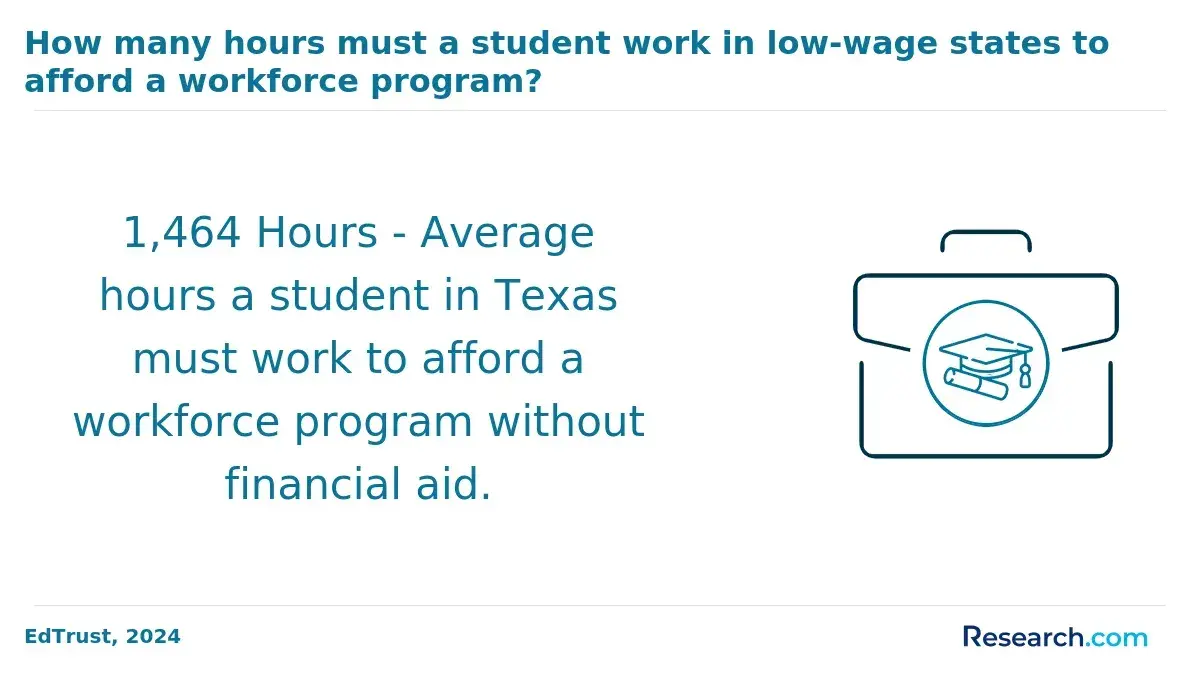
The U.S. hiring landscape for librarians heavily prioritizes degrees from programs accredited by the American Library Association (ALA). Without this specific accreditation, graduates often face notable barriers to entering professional librarian roles, with many constrained to assistant or support positions earning markedly lower median wages-$37,120 versus $64,280 for certified librarians, according to the U.S. Bureau of Labor Statistics. This wage gap reflects employer preferences grounded in standardized competencies recognized only through ALA accreditation.
Accreditation requirements for library and information science programs in the United States fundamentally shape which curricula align with professional expectations. Employers in public and academic libraries typically demand a master's from an ALA-accredited institution to validate proficiency in areas like information management, cataloging, digital literacy, and reference services. Non-accredited degrees generally lack these critical elements, limiting both hiring eligibility and long-term advancement potential.
Key practical implications include state certification portability, access to internships, and professional networks tied to accredited schools. Students must verify accreditation status, especially for online or hybrid programs, to avoid costly detours. The inclusion of ethics, research methods, and emerging technologies in ALA programs directly influences employability and salary trajectories.
Understanding recognized accrediting bodies for academic and public librarian degrees supports informed decisions in a crowded educational market, where cost considerations also matter. For perspective on financial planning, prospective students might compare their pathway against data like the computer science cost, acknowledging that investment in an ALA-accredited LIS credential tends to yield measurable workforce returns.
What courses and skills do online library and information science programs typically include for public and academic library work?
Online library and information science degree courses for public and academic libraries focus on practical skills such as cataloging, metadata standards, and reference services essential for managing diverse collections. Core coursework trains students to apply classification systems like Dewey Decimal and Library of Congress, directly supporting consistent resource organization and retrieval in real-world institutional settings. Employers seek graduates proficient in digital literacy tools, including integrated library systems (ILS) and content management platforms, reflecting the hybrid nature of contemporary library environments.
Programs emphasize information retrieval, database management, and community engagement strategies, aligning skill development with service design that meets academic research needs or public literacy goals. Ethical and legal issues such as intellectual freedom and copyright law prepare students for professional challenges that arise frequently. Strong research methodology and data analysis components equip graduates to participate in evidence-based collection development and operational improvements.
Cost is a significant consideration; the median annual tuition for online master's-level library science degrees was $7,305 in 2020, considerably lower than the average for other master's programs. Prospective students must evaluate this savings against factors like program accreditation and experiential learning opportunities that influence employability in specialized library roles. For those seeking alternatives with affordability in mind, examining options such as an affordable data science degree may also be relevant.
Ultimately, successful graduates demonstrate adaptability through hands-on assignments like virtual reference simulations and metadata projects, reflecting employer expectations for functional readiness in evolving library systems and community-focused services.
How do online and campus-based library and information science programs differ in format, flexibility, and learning experience?
The crucial decision between online and campus-based library and information science programs hinges on how students balance flexibility against immersive, hands-on experience. Online formats offer asynchronous access, ideal for working professionals or those constrained geographically, providing recorded practica and digital resources around the clock. A national survey in the ERIC Journal of Education for Library and Information Science found over 90% student satisfaction with virtual learning, especially applied components, which mitigates some concerns about remote skill acquisition.
In contrast, campus-based programs demand consistent on-site presence, emphasizing direct peer and faculty interaction, physical library exposure, and in-person internships. This approach suits candidates targeting specialized roles in archival collections or preservation where tactile experience with materials is indispensable. However, such programs reduce scheduling flexibility and may conflict with employment or family obligations.
Employers increasingly prioritize demonstrated competencies over delivery mode, but many still prefer candidates with campus practicum experience for archival or technical library functions. Prospective students must critically evaluate program structures and the availability of strong virtual practica or internship networks if opting for online pathways.
What are the typical admission requirements for online library and information science bachelor's and master's programs?
Admission requirements for online library and information science bachelor's and master's programs reflect distinct expectations tied closely to workforce demands. Bachelor's applicants typically must present a high school diploma with a GPA near 2.5 to 3.0 and may encounter optional standardized testing policies. Beyond academics, programs prioritize demonstrated interest in library science through personal statements and relevant volunteer or work experience. Letters of recommendation focus on communication and organizational skills vital for public and academic library roles.
Master's level programs require a completed undergraduate degree with a GPA of at least 3.0 and increasingly emphasize practical aptitude over standardized tests like the GRE. Applicants strengthen their candidacy by providing statements of purpose aligned with their career goals and supplying two or more recommendations from academic or professional contacts who can attest to their skills in information management or leadership. Coursework or experience in research and service sectors enhances admission prospects.
The application process mirrors hiring realities in fields where close to half of Master's graduates serve community-facing roles, particularly in public or school libraries. Admissions thus heavily weigh evidence of civic engagement and interpersonal competence, requiring applicants to detail employment or volunteer positions that demonstrate readiness for such environments. For candidates pursuing a strategic pivot or advancement, understanding these nuanced expectations can meaningfully impact both acceptance and subsequent employability.
How long do online library and information science degrees take, and what do they cost compared with campus programs?
Online master's degrees in library & information science commonly mirror traditional programs in duration, typically requiring two years full-time. Yet, important financial tradeoffs arise due to the lower tuition rates and elimination of expenses such as commuting and housing in online formats. Public in-state tuition averages about $20,000 for an MLIS, but private institutions can exceed $50,000, affecting both affordability and long-term return on investment.
Practical skills remain the cornerstone of employability in academic and public libraries. However, a notable deficiency exists in statistics and research methods training within many MLIS programs. For example, students typically complete only one research methods course, dedicating 19% of instructional hours to statistics-far less than the 64% seen in sociology-related graduate programs. This gap influences readiness for roles requiring quantitative rigor, especially in academic library settings focused on data analysis and research support.
Working professionals transitioning careers must weigh program length, cost, and curriculum depth carefully. Online options offer scheduling flexibility but may fall short on critical research competencies increasingly demanded by employers. Prospective students targeting research-intensive positions should prioritize programs with robust methods courses to align their skill sets with workforce expectations effectively.
What public and academic library jobs can graduates of online library and information science programs pursue?
Online library and information science programs prepare graduates for roles demanding both technical and interpersonal competencies, such as public librarian, academic librarian, digital archivist, metadata specialist, and information services manager. Each role requires a different skill set: public librarianship prioritizes community engagement and literacy programming, while academic librarianship focuses on research support and digital resource management, often necessitating advanced subject expertise.
Employers emphasize proficiency in emerging digital platforms and evolving metadata standards, a direct response to the hybrid workflows combining physical and digital collections. This is particularly relevant in metropolitan areas like San Jose, CA; Denton, TX; and Boston, MA, where LIS degree output intersects with concentrated job markets. Such geographic patterns suggest candidates should weigh online program choices against local employment ecosystems to optimize career entry.
Practical experience remains a key differentiator. Employers prefer candidates with tangible internship or practicum work woven into online curricula, addressing common concerns about remote learning's ability to provide hands-on training. Additionally, public libraries may favor professionals with bilingual skills or community-specific expertise, underscoring the need to tailor educational preparation to diverse institutional contexts.
Advancement in academic library environments often requires further certification or master's-level specialization in areas like data curation or special collections, illustrating how initial LIS training must be complemented with ongoing credentialing for strategic career growth.
What salary ranges and job outlook can library and information science graduates expect in public and academic libraries?
Graduates entering library and information science roles face a clear divide between public and academic sectors that impacts starting salaries and job expectations. Public libraries typically offer starting salaries ranging from $45,000 to $60,000 with stable municipal benefits but limited upward salary mobility due to budget restrictions. In contrast, academic libraries tied to research institutions often provide higher initial pay and specialized positions, particularly for expertise in digital resource management or special collections, pushing experienced salaries into the $60,000 to $75,000 range.
Employment growth for librarian-related roles aligns with national averages at about 6% through 2034, yet retirements and expanding digital information services fuel steady demand. Candidates must navigate evolving employer priorities emphasizing equity-centered, community-based services alongside technical skills like digital archiving and data curation. Those targeting public systems should anticipate tradeoffs, including lower wages but stronger local engagement opportunities, while academic pathways require continuous skill updates and credentialing.
Strategic geographic mobility and credential enhancements are critical due to funding variability across institutions. National salary surveys highlight that certifications in data science or multilingual services can define clear salary tiers. Adapting to evolving library technology and aligning skills with institutional priorities substantially affect long-term career sustainability in this field.
How can students evaluate and choose a reputable online library and information science program in the United States?
Selecting an online library and information science program demands prioritizing accreditation, career outcomes, and the real cost-benefit ratio rather than superficial rankings or brand recognition. Programs accredited regionally by entities recognized by the U.S. Department of Education carry significant weight with employers, especially in public and academic libraries, while ALA accreditation is essential for graduate credentials targeting librarian positions. Absence of specialized accreditation may limit employment prospects.
Cost considerations extend beyond sticker price. For example, a student choosing between a public university charging roughly $7,800 annually and a private institution with tuition exceeding $37,000 must weigh debt load and time to workforce entry. Those balancing employment during study should identify programs with online coursework from public schools or affordable private options that demonstrate strong job placement and practical skill development.
Key factors include:
- Inclusion of practicums, internships, or library partnerships that build relevant experience.
- Curriculum transparency covering contemporary digital cataloging, information policy, and technology integration.
- Delivery formats offering flexible scheduling and accessible faculty support suited for working professionals.
- Regional employer demand and salary data aligned with specific career goals in public versus academic library settings.
Students who assess these elements realistically position themselves for sustainable employment transitions rather than confronting graduation with limited options or excessive debt. The practical alignment of outcomes, cost, and program structure ultimately determines whether an LIS degree advances a career strategically or becomes a financial and professional bottleneck.
Other Things You Should Know About Library & Information Science
Specialized programs often provide in-depth training tailored to specific library sectors like archives or digital curation, which can improve job fit but may limit flexibility if career goals shift. General LIS programs offer broader skills for multiple library roles but may require additional certification for niche positions. Prospective students should prioritize alignment with long-term career plans and employer preferences in their target library type, balancing specialization with versatility based on job market demands.
Many public and academic libraries require hands-on experience, such as internships or practicum placements, alongside degree completion. Online programs that integrate or facilitate these practical components provide an advantage in job readiness. Students should verify if their program mandates or aids in securing applicable experience since completing coursework alone often does not meet employer hiring criteria in the field.
Part-time study offers flexibility for working professionals but extends time to completion, which can delay entry or advancement in competitive job markets. Full-time enrollment accelerates graduation but demands significant time commitment that may not be sustainable for all. Consider program pacing against your current employment situation and how timing of degree completion aligns with career opportunity windows in the library sector.
Theoretical programs deepen understanding of information science principles but may lack immediate practical application valued by employers, especially for entry-level library positions. Applied-skills programs prepare students with tools and workflows essential for daily library operations but might underprepare for advanced research or leadership roles. Most students benefit from programs blending both elements, but prioritizing depends on whether immediate employability or long-term academic advancement is the main goal.
References
- Online Master of Library and Information Studies https://www.ualberta.ca/en/school-of-library-and-information-studies/programs/online-mlis.html
- Librarians and information specialists – ALIA Accredited Course https://alia.org.au/Web/Web/Careers/Becoming-An-Information-Professional/Librarians-and-information-specialists.aspx
- Library Science vs. Information Science: Key Differences https://www.mastersinlibraryscience.org/articles/difference-between-mls-and-mlis/
- Choosing the Right Library Science Program: Factors to Consider https://www.librariancertification.com/choosing-the-right-library-science-program-factors-to-consider/
- Most Popular Online Library Science Degrees 2025 https://www.onlineu.com/degrees/library-science
- Library and Information Science: More Critical than Ever https://www.libraryjournal.com/story/library-and-information-science-more-critical-than-ever-lj221017
- Gradify Edu https://www.gradifyedu.com/courses/distance-blis/
- Best Online Library Science Degrees, Updated for 2025 https://www.librarysciencedegrees.org/programs/online
- 2025's Most Affordable Library Science Degrees (MLIS) Online https://librarysciencedegreesonline.org/affordable-library-science-programs/
- Online Master’s in Library Science https://www.mastersindatascience.org/programs/masters-in-library-science/