
2026 Library and Information Science Career Paths With the Strongest Salary Growth

Co-Founder and Chief Data Scientist
Facing a rapidly evolving job market, library and information science professionals must choose career paths that promise not only stability but substantial salary growth to justify time and financial investment. Yet, deciphering which specializations will yield the strongest returns amid shifting employer demands presents a critical challenge. Recent data from the National Center for Education Statistics reveals that online and flexible program enrollments have surged, accommodating adult learners balancing work and study-an indicator that career pivots in this sector are increasingly accessible but also competitive. This analysis identifies emerging roles with the highest compensation trajectories, helping candidates make informed, strategic decisions aligned with actual workforce trends.
Key Things You Should Know
- Data from the Bureau of Labor Statistics shows digital archivists in Library & Information Science roles growing 12% through 2030; this sharp demand favors candidates with advanced technical certifications but limits immediate entry-level salaries.
- Employers emphasize interdisciplinary expertise in data privacy alongside traditional cataloging, reshaping LIS hiring to prioritize candidates fluent in both compliance frameworks and metadata ontology.
- Master's degree timelines and costs average 2 years and $30,000, creating a substantial upfront investment that trades off quicker workforce entry for higher mid-career salary potential in emerging LIS specializations.
Which library and information science careers offer the strongest salary growth today?
The most significant wage gains in library and information science careers with highest salary increase are found at the intersection of traditional LIS skills and emerging technologies. Median annual pay for librarians reached $64,320 in May 2024, but specialists in digital asset management and AI-driven metadata roles earn substantially more, often surpassing $100,000. This premium reflects employer demand for competencies beyond standard LIS education, including coding, database expertise, and project management.
For example, an information systems analyst moving into healthcare enterprise content management may see a 20-30% salary increase due to specialized regulatory and data management skills. This illustrates how top library and information science jobs with fastest wage growth are concentrated in niche areas where hybrid tech-literacy credentials meet sector-specific complexities.
Employers increasingly prioritize candidates who blend LIS fundamentals with data analytics and IT integration skills. Those pursuing this path must weigh the tradeoff of supplementing foundational knowledge with often self-directed learning or certifications to access roles outside slower-growing public library systems. Prospective students considering this career pivot should carefully evaluate the practical benefits of online pathways, such as ALA accredited MLS programs, to align credentials with these hybrid demands.
This evolving landscape underscores the imperative for strategic planning in educational and professional development, targeting digital and knowledge management roles that reflect both market value and realistic employability trajectories.
What is the current salary range and earning potential for LIS professionals?
Salary range for Library and Information Science professionals in 2026 diverges sharply depending on specialization and sector. Entry-level public librarians typically start between $45,000 and $55,000 annually, constrained by municipal or institutional budget limits. By contrast, LIS roles demanding advanced skills in user experience (UX) research, data curation, and information management commonly offer salaries above $100,000 for master's-level graduates. This disparity illustrates that library and information science careers aligned with technology and data analytics substantially outperform traditional librarian positions in earning potential.
For instance, an MLIS graduate transitioning into UX research at a tech or healthcare firm will often see starting offers near $85,000, quickly rising with experience. Conversely, academic or public library roles tend to cap near $60,000 due to slower sector growth and limited funding. Government and corporate library positions usually fall between $60,000 and $80,000, balancing pay with greater job stability.
The earning potential of library and information science careers in the US increasingly reflects employer emphasis on proficiency in metadata standards, user behavior design, and digital librarianship diversity. This reality demands ongoing reskilling, influencing time and cost considerations for career pivots.
Prospective students should weigh these income differentials carefully against the educational investment required. Specializations in technology-driven LIS sectors maximize return on a master's degree and align with sectors experiencing rapid salary growth, a consideration also relevant when researching online degrees in computer science.
How is job demand changing for library and information science roles in the U.S.?
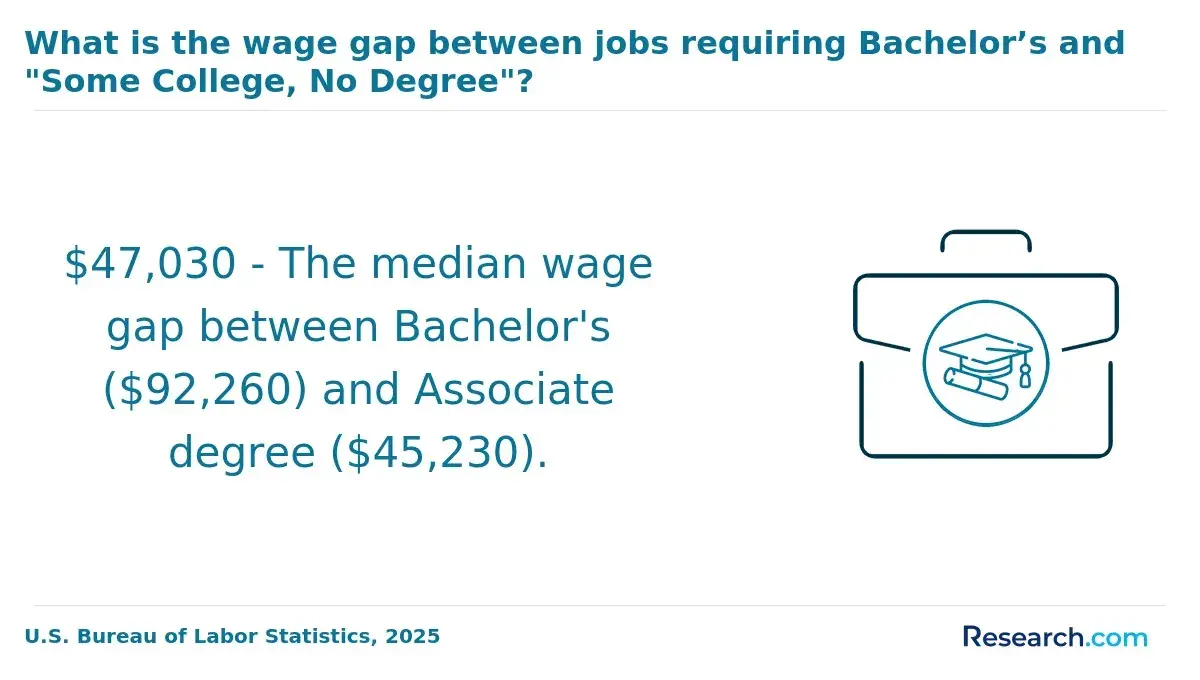
The job outlook for library and information science professionals in the U.S. varies significantly by sector and skill set. Entry-level salaries for new graduates typically fall between $47,000 and $58,000, but advancing beyond generalist librarian roles often demands specialized expertise in areas like digital curation, metadata, or information architecture-skills that yield faster salary growth, commonly reaching the $60,000-$75,000 range within three to seven years.
Employers increasingly value competencies in data analytics, digital asset management, and user experience design over traditional cataloging knowledge. Candidates without these technical proficiencies may find fewer opportunities for advancement, especially in public library settings constrained by budgets and evolving community usage patterns. Conversely, sectors such as federal agencies, academia, and healthcare show steadier demand, driven by expanded digital repositories and compliance requirements, where roles may involve navigating complex electronic health records and stringent data privacy rules.
Geographic disparities further influence the library and information science employment trends in the United States: metropolitan areas offer more positions and higher pay, while rural regions provide greater stability but limited growth. Job seekers must therefore weigh tradeoffs between location, sector, and role specialization when planning career trajectories.
Furthermore, prospective students should align educational choices with workforce realities, including continuous skill development to remain competitive. Comparing this field with adjacent disciplines may also be strategic; for example, some may explore computer science degrees for broader technology roles targeting data-intensive environments.
What degrees or certificates are needed for high-paying LIS career paths?
High-paying library and information science careers hinge on obtaining a master's degree accredited by the American Library Association (ALA), which remains the baseline credential for entry and leadership roles. Employers in this field consistently prioritize candidates holding an MLS or MLIS combined with professional experience and, increasingly, specialty certifications. Senior positions-such as library directors or academic deans-often require not only this graduate degree but also demonstrated competencies in areas like budget management and strategic leadership, with salaries commonly ranging from $85,000 to $120,000+.
Professional certificates addressed toward emerging LIS specialties-such as digital archives, data curation, or cybersecurity-offer targeted skills but rarely substitute for the degree in terms of salary growth or promotion. Candidates who pursue these certifications alongside their MLS/MLIS gain advantages in technical leadership roles, like data librarianship within research universities. This combination reflects the practical need for integrated graduate training and specific technical competencies to compete effectively.
Without an accredited master's degree, prospective professionals face significant barriers to upward mobility in this sector. A public librarian seeking a director position cannot bypass the MLS requirement, and must also accumulate management experience to justify salary increases.
Considering degrees required for high-paying library and information science careers involves evaluating tradeoffs between educational rigor, time investment, and long-term promotion pathways. For related interdisciplinary roles, exploring the best data science master's programs can complement LIS credentials, especially for data-intensive specialties.
Certifications for top salary growth in library and information science supplement but do not replace comprehensive graduate education, underscoring the priority employers place on robust academic foundations combined with relevant experience.
How do online LIS programs compare to campus-based options for career outcomes?
Program delivery mode in library & information science significantly influences access to key career advantages, especially in competitive urban markets. Campus-based programs often provide superior networking through internships, on-site events, and live cohort interactions, which employers at high-paying firms in cities like New York or San Francisco value for roles in law firms and corporate information services. These advantages can support salaries ranging from $80,000 to over $110,000 at senior levels, compared to a national median librarian salary in the low-$60,000s.
Online learners must actively offset the physical absence of network-building opportunities by engaging in virtual internships, targeted collaborations, or connections through local chapters. While many accredited online programs integrate experiential learning, graduates sometimes face barriers accessing informal referrals and exclusive pipelines common in campus programs.
Key factors to evaluate in choosing a program include the strength of practical placement support, mentorship quality, and alumni networks. For professionals aiming to quickly penetrate lucrative LIS tracks in dense job markets, campus programs typically reduce friction and accelerate advancement. Remote students need to invest in strategic, independent networking and skill mastery to parallel these outcomes.
Which accredited LIS specializations lead to the fastest salary advancement?
Specializations that merge information science with technology, such as data curation and digital asset management, are central to the fastest salary growth within accredited library and information science programs by 2026. Employers in corporate, healthcare, and academic sectors demand professionals skilled in managing expansive digital repositories and deploying AI tools, driving compensation beyond traditional LIS roles.
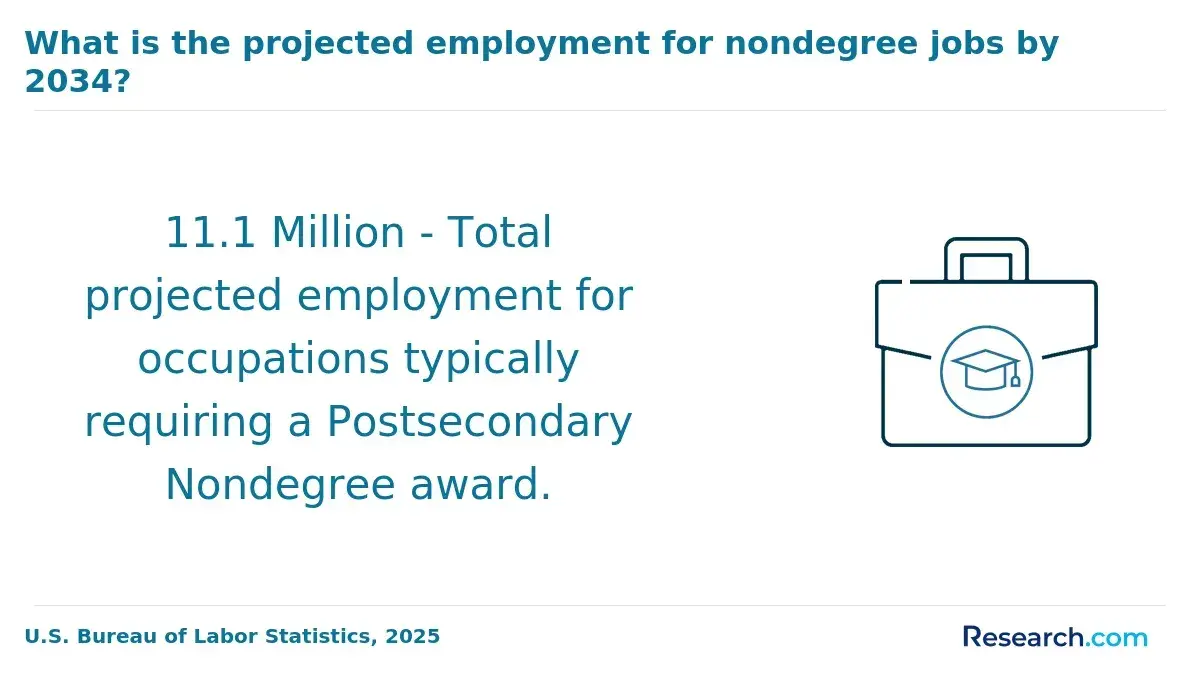
By contrast, conventional librarian positions in public or school settings face limited wage growth, consistent with the U.S. Bureau of Labor Statistics' forecast of just 2% employment expansion from 2024 to 2034, largely fueled by retirements rather than new roles. Students targeting accelerated income improvement must therefore weigh pursuing IT-focused LIS specializations, which require additional training in database management, metadata standards, and analytics software.
For example, a data curation specialist at a biomedical research center will typically outpace a general public librarian in both salary and responsibility, reflecting the technical complexity and research importance of the role. However, these career paths come with higher educational investments and demand interdisciplinary proficiency that extends beyond core LIS theories.
Prospective students evaluating accredited LIS programs should prioritize curricula with robust computational and data management components alongside foundational LIS knowledge. These combined competencies better position graduates to compete for a portion of the roughly 13,500 annual national job openings and help mitigate wage stagnation trends found in traditional library settings.
What core courses and skills prepare students for data- and tech-focused LIS jobs?
Programs that emphasize technical competencies in library & information science prioritize data management, programming, and analytics to meet employer demands for specialized skills. Core coursework typically covers database design, metadata standards, programming languages like Python and SQL, and digital preservation-foundations necessary for roles managing big data or maintaining digital archives. These technical skills intertwine with practical knowledge in data governance, privacy compliance, and ethical information stewardship. For instance, a health informatics librarian must navigate HIPAA regulations while handling electronic health records, requiring both legal understanding and technical fluency.
Employers value candidates who can complement their technical acumen with real-world experience such as internships or projects involving applied data systems. Notably, MLIS graduates in the USA and Canada report salaries ranging from $55,000 to $95,000, demonstrating substantial demand for these skills. Globally, remuneration remains competitive across regions like the UK and Australia.
Students must weigh tradeoffs: technology-focused tracks often demand more time and prior tech familiarity but accelerate salary growth and access to data-driven roles. Traditional LIS paths may offer less immediate exposure to these opportunities, potentially delaying progression into specialized sectors. Integrating statistical methods and data visualization within a program further enhances ability to interpret and communicate complex datasets to stakeholders-an increasingly vital capability in information professions.
How long do LIS programs take, and what are typical tuition and total costs?
Pursuing a master's in Library & Information Science (LIS) involves a critical assessment of time investment versus career outcomes. Full-time programs generally last 1 to 2 years, while part-time options can extend beyond 3 years to accommodate working professionals. This length impacts not only tuition-which varies from around $15,000 to $45,000 depending on institution type and residency-but also opportunity costs related to income loss or delayed entry into the workforce.
Programs incorporating practical fieldwork or digital labs often require sequential internships, potentially lengthening completion time but providing valuable hands-on experience. For example, a working librarian balancing part-time study might avoid income interruption but spend 2.5 to 3 years completing the degree.
Beyond tuition, students should budget an additional $2,000 to $5,000 for books, technology, and professional fees. Entry-level LIS salaries in the U.S. start between $45,000 and $55,000, but specialization can raise earning potential, mirroring data from Indian institutions where senior roles yield ₹6 to ₹15 lakh annually. This highlights the importance of evaluating program rigor and scope relative to one's targeted role and geographic market.
Employers increasingly prioritize MLS/MLIS credentials from accredited programs, especially in academic and corporate environments. Skimping on program quality or duration risks competitive disadvantage, which makes strategic program selection essential for aligning time, cost, and career trajectory within the evolving LIS labor market.
Are licenses or professional certifications required for advanced LIS positions?
Licenses have limited relevance in library and information science roles, except for certain states' school librarianship, where regulatory requirements apply. Instead, professional certifications serve as critical differentiators, particularly in academic, public, legal, and health information sectors. For example, possession of an American Library Association (ALA) accredited master's degree sets a baseline, but certifications like Certified Archivist or Medical Library Specialist distinctly improve candidate marketability and signal domain-specific expertise.
Employers increasingly seek proficiency in managing digital assets, data governance, and compliance-skills often validated by certifications in data analytics or information systems security rather than traditional licenses. This trend reflects a shift toward technological fluency over formal licensure in corporate and digital curation roles.
Freelance LIS professionals, including those in markets like Pakistan, highlight a significant salary range (PKR 40,000 to 200,000+ monthly) that can outperform institutional librarian positions, illustrating the value of targeted certifications coupled with demonstrable outcomes in independent contracting. This reinforces that measurable skills often outweigh formal credentials alone.
Professionals must weigh the cost and time investment in multiple certifications against the limited utility of traditional licenses. Prioritizing credentials aligned with sector-specific employer demands or emerging competencies offers a clearer path to relevancy and opportunity than pursuing generalized licensing.
How can students evaluate and choose reputable, accredited LIS programs?
Choosing an accredited LIS program approved by the American Library Association or comparable regional bodies directly impacts a graduate's readiness and eligibility for licensure. Accreditation ensures that core competencies like information management, archival science, and digital literacy align with employer expectations. Since the median librarian salary holds steady near $64,320, per U.S. Bureau of Labor Statistics data reported by MastersInLibraryScience.org, students must weigh program outcomes such as graduation rates and job placement against tuition costs.
A critical decision factor is how well a program's specializations match one's targeted library sector-for example, health sciences librarianship demands specialized coursework in medical informatics versus more generic LIS curricula. Programs that offer internships or partnerships with employers provide a tangible competitive advantage, as direct experience often influences hiring decisions.
Delivery modes-fully online, hybrid, or in-person-also affect time-to-employment and must be balanced against personal schedules and work commitments. Students should consult third-party employment data to assess actual post-graduation salary ranges and sector-specific growth prospects rather than rely solely on institutional claims. Ultimately, a cost-to-value approach is essential, particularly in subfields exhibiting slower job growth, ensuring program fees correlate with realistic career trajectories.
Other Things You Should Know About Library & Information Science
LIS professionals work in diverse settings, from public and academic libraries to corporate archives and government agencies. Salary growth strongly correlates with environments that integrate advanced technology, data management, or specialized knowledge services. Choosing roles in tech-forward or research-intensive institutions usually offers better compensation and promotion opportunities compared to traditional library positions focused solely on circulation or public service.
Experience with digital tools, data curation, and analytics significantly accelerates career advancement in LIS. Employers in fast-growing sectors expect candidates to handle digital asset management and apply data-driven decision-making. Prioritizing these skills during education or early career stages increases competitiveness for high-salary roles, particularly in corporate and specialized research libraries.
Depth of specialization in high-demand LIS areas-such as digital archives, metadata management, or data science integration-tends to produce stronger salary outcomes than broad generalist knowledge. Employers favor candidates with clear expertise that aligns with evolving institutional needs. Therefore, students should prioritize focused specializations that match market trends rather than trying to cover all LIS topics superficially.
Advanced degrees often unlock leadership and specialized technical roles with higher salaries but require time and financial investment before employment. Entering the workforce earlier allows immediate income and practical experience but may limit advancement potential without further credentials. An optimal strategy balances gaining relevant work experience while pursuing credentials part-time or through targeted certifications to minimize income disruption and maximize long-term earnings.
References
- Tuition + Finance https://www.ualberta.ca/en/school-of-library-and-information-studies/admissions/tuition-fees.html
- Stats and Graphs: Biases Against Online Library School https://hiringlibrarians.com/2013/09/28/stats-and-graphs-biases-against-online-library-school/
- What is the Best Data Science Course for High Schoolers? — Data Science for High School https://blog.nobledesktop.com/data-science-course-for-high-schoolers
- Online vs. In-Person Library Science Programs https://www.librariancertification.com/online-vs-in-person-library-science-programs/
- Library Careers - Texas Library Association https://txla.org/tools-resources/retention-recruitment/library-careers/library-careers/
- Library Science Degrees | Best MLIS Programs, Updated for 2025 https://www.librarysciencedegrees.org/
- Explore Librarian Salary, Jobs, and Careers in Library Science https://teach.com/online-ed/education-degrees/online-masters-library-science/librarian-careers/
- How To Choose Your Library School | LIS Education https://www.libraryjournal.com/story/how-to-choose-your-library-school-lis-education
- Certifications & Licenses on a Resume: Where and How https://www.resumemate.io/blog/certifications-licenses-on-a-resume-where-and-how/
- The Career Impact of Earning Professional Licenses and Certifications https://yulys.com/blog/career-impact-of-earning-professional-licenses-and-certifications