2027 Online Marketing Degrees With Strong Multi-Channel Strategy Training

Co-Founder and Chief Data Scientist
Marketing professionals confronting the need to lead integrated campaigns across multiple platforms often find their traditional degrees insufficient for emerging demands. The Bureau of Labor Statistics projects a 10% growth in digital marketing roles, yet many programs lag behind in multi-channel strategy training essential for coordinating social, mobile, email, and content initiatives holistically.
Compounding the challenge, a recent National Center for Education Statistics report shows that 40% of marketing students opt for online programs, valuing flexible schedules that accommodate full-time work but raising concerns about curriculum depth and real-time project collaboration. This article evaluates online marketing degrees with robust multi-channel strategy components, aiming to help prospective students identify programs that align educational rigor with practical, career-impacting skill development in a fragmented digital ecosystem.
Key Things You Should Know
- Programs integrating multi-channel strategy tend to cost 15%-25% more, driven by advanced analytics and platform-specific training, creating critical ROI tensions for career switchers balancing cost versus immediate upskilling.
- Employer adoption of data-driven marketing tools surged 34% through 2025 per BLS, elevating demand for graduates with cross-channel attribution expertise, reshaping hiring filters beyond traditional digital marketing skills.
- Graduates with hands-on multi-channel campaign experience command 18% higher starting salaries according to the National Association of Colleges and Employers 2024 data, pressuring prospective students to prioritize experiential curricula over theoretical foundations.
What is an online marketing degree with multi-channel strategy training and who is it best for?
The strategic value of an online marketing degree programs with multi-channel strategy focus lies in its ability to prepare students for managing interconnected digital campaigns where understanding channel interplay is vital. For instance, a retail marketer synchronizing Instagram ads with email promotions must know how to allocate budgets, assess cross-channel metrics, and optimize performance holistically rather than in isolation.
Employers increasingly seek professionals adept at navigating diverse platforms, as reflected in over half the top LinkedIn job postings emphasizing digital and social media skills. Programs emphasizing multi-channel campaign management provide practical competencies in digital analytics tools for attribution and agile content planning tailored to distinct audiences. However, this breadth comes with a tradeoff: heavier learning demands covering multiple tools and metrics compared to specialized tracks.
Students with single-channel experience face a learning curve integrating data fluency and strategic coordination, while those new to digital marketing confront steeper technical challenges. Successful candidates demonstrate disciplined multi-disciplinary expertise aligned with evolving marketing functions projected through 2026.
Those evaluating options should also consider how this pathway compares to focused alternatives like an online degree in finance for pivoting into data-driven roles outside traditional marketing. Understanding these distinctions can inform more deliberate career decisions.
How do online marketing degrees compare with on-campus programs for multi-channel training?
Online marketing degree programs versus on-campus training for multi-channel strategies reveal distinct practical tradeoffs that influence career trajectories. On-campus programs integrate immersive team projects and live campaign management, offering real-time collaboration opportunities valued by employers seeking candidates adept in swift cross-channel execution. Conversely, online formats emphasize flexibility, allowing professionals in tech, retail, or media sectors to apply coursework directly to active roles.
Employers prioritize demonstrated results such as measurable campaign ROI over the degree format itself, reflected in the US average salary of $170,646 for digital marketing managers. However, online marketing degree programs must counterbalance reduced face-to-face mentorship with robust virtual labs, synchronous sessions, and industry-aligned projects to maintain equivalency in preparing for multi-channel strategy roles.
Practical constraints diverge: online learners face limited immediate networking and potential delays in feedback, which can dampen agility in dynamic markets, while on-campus students incur relocation costs and less scheduling flexibility. Decision-making hinges on weighing the value of direct collaborative experience against the ability to embed learning in workplace contexts. For those evaluating program options, understanding these differences is essential.
For professionals considering accelerated pathways outside marketing, exploring the fastest online project management degree can provide complementary leadership skills in managing cross-functional initiatives.
What types of online marketing degrees are available and which level should you choose?
Employers increasingly prioritize candidates with multi-channel strategy expertise, placing a bachelor's degree as the minimum credential to enter strategic marketing roles. This level balances training in foundational consumer behavior, data analytics, and campaign execution across platforms like social media, email, and retail. For professionals pursuing leadership or specialized skills-especially in omnichannel strategy-master's degrees provide deeper analytical rigor and brand management training.
According to the London School of Business & Analysis, demand for omnichannel marketing professionals has surged 15%, outpacing overall digital marketing growth of 10%, reflecting a clear workforce preference for comprehensive, cross-platform mastery. Choosing an associate degree generally limits candidates to entry-level tactical roles, often missing required skills for integrative strategy development.
Certificate programs upgrade specific competencies but rarely suffice without broader credentials when attempting significant career pivots. For example, a retail marketer moving into omnichannel roles benefits from a master's degree that focuses on data-driven consumer journey mapping and attribution modeling. Conversely, newcomers can effectively start with a bachelor's, supplemented by internships and practical projects to build relevant experience.
When evaluating online marketing degree programs with multi-channel strategy focus, consider faculty expertise, hands-on learning, and program quality to align with evolving industry standards. For those contemplating advanced credentials, programs like the MBA in healthcare management illustrate specialized pathways blending strategy with sector-specific expertise.
Understanding the best degree levels for comprehensive online marketing training means balancing immediate job market demands with long-term flexibility across digital ecosystems.
What multi-channel strategy skills and courses are typically included in these online programs?
Multi-channel marketing strategy courses online equip students with skills to navigate complex buyer behaviors across diverse platforms, balancing platform-specific content with unified brand messaging. These essential skills for multi-channel marketing programs include data analytics for refined audience segmentation and real-time A/B testing, enabling marketers to adjust tactics dynamically in volatile digital channels.
Practical challenges arise from overcoming data silos that obscure attribution and ROI measurement, issues often encountered in retail and B2B technology sectors. Programs that integrate project-based learning on marketing automation and CRM tools better prepare graduates to meet employer expectations for scalable, multi-touch engagement strategies.
Strategic content development spans multiple media types-video, influencer partnerships, and paid ads-while growing emphasis on data privacy compliance shapes how campaigns target and track users across channels. The industry's market size is projected to grow from $6.96 billion in 2023 to $28.6 billion by 2030, increasing demand for marketers proficient in multi-channel ecosystems.
Those considering a fast pivot may explore a fast-track project management degree online to bolster operational leadership alongside marketing tactical expertise, aligning with employer needs for coordination in multi-channel campaigns.
How can you verify accreditation and program quality for an online marketing degree?
Accreditation's practical impact on online marketing degrees often determines how well graduates transition into relevant roles. Regional accreditation ensures baseline academic rigor and credit transferability, but specialized recognition from bodies like the Accreditation Council for Business Schools and Programs (ACBSP) or the Association to Advance Collegiate Schools of Business (AACSB) often matters more to employers focused on up-to-date marketing competencies.
Employers increasingly expect graduates versed in current digital marketing tactics such as SEO, content marketing, and multichannel analytics. For example, programs partnered with digital marketing firms or e-commerce companies can offer internships that translate directly to job readiness, a key factor when retail brands or B2B service providers differ significantly in their training needs.
Given the global digital marketing courses market's projected growth-from a $2.98 billion valuation in 2025 expanding at an 11.8% CAGR through 2030-students should weigh program quality beyond credentials. Look for evidence of graduate placement rates, employer connections, and access to platforms like Google Analytics, HubSpot, or Facebook Business Manager integrated into the curriculum, since technological fluency impacts early career outcomes.
Prospective students should rely on official government databases to verify accreditation status to avoid wasting resources on non-transferable or low-value credentials. Evaluating delivery methods alongside outcome metrics helps ensure the program's practical relevance aligns with fast-evolving marketing industry demands.
What are the typical admissions requirements for online marketing degree programs?
Gaining admission to online marketing degree programs often hinges on meeting baseline academic criteria such as a high school diploma with a GPA typically between 2.5 and 3.0, alongside transcripts that reflect competence in core subjects like English and mathematics. These foundational skills support essential data analysis and communication abilities crucial for multi-channel strategies.
While some programs require standardized test scores, an increasing number opt for holistic reviews where relevant professional experience or prior college coursework can offset testing mandates. An illustrative case: a professional transitioning from retail management into digital advertising should strategically showcase projects involving customer segmentation or social media campaigns.
Such practical experience aligns with employer demands driven by the digital advertising sector's rapid growth, projected to reach $700 billion by 2025 per Statista data referenced by Columbia Business School Digital Marketing Intensive. Applicants must also often submit personal statements connecting their career goals with program content, especially multi-channel strategic expertise.
Technical prerequisites-such as familiarity with Excel or introductory statistics-are common to ensure readiness for interpreting cross-channel performance metrics. Reliable internet and access to appropriate technology remain practical necessities, particularly for synchronous sessions and collaborative projects. International students frequently face additional proof of English proficiency requirements via tests like TOEFL or IELTS.
Admissions committees increasingly prioritize candidates with clear plans for leveraging data-driven marketing capabilities to secure roles in digital advertising, analytics, or brand management.
How long do online marketing degrees take and what do they usually cost?
Online marketing degrees in the United States typically take 18 months to four years to complete, depending on the degree level, enrollment status, and transfer credits. An associate degree generally requires 60 credits and takes about two years full time. A bachelor's degree requires 120 credits and typically takes four years, though students with transfer credits or year-round enrollment can finish in two to three years. An online master's degree usually requires 30–36 credits and can be completed in 12–24 months.
Tuition varies widely by institution. Community colleges often charge $100–$250 per credit for online associate programs, while public universities typically charge $300–$600 per credit for online bachelor's degrees. Private nonprofit universities commonly charge $500–$900 per credit, with some nationally recognized institutions exceeding $1,000 per credit. As a result, total tuition generally falls within these ranges:
- Associate degree: $6,000–$18,000
- Bachelor's degree: $25,000–$70,000
- Master's degree: $12,000–$35,000
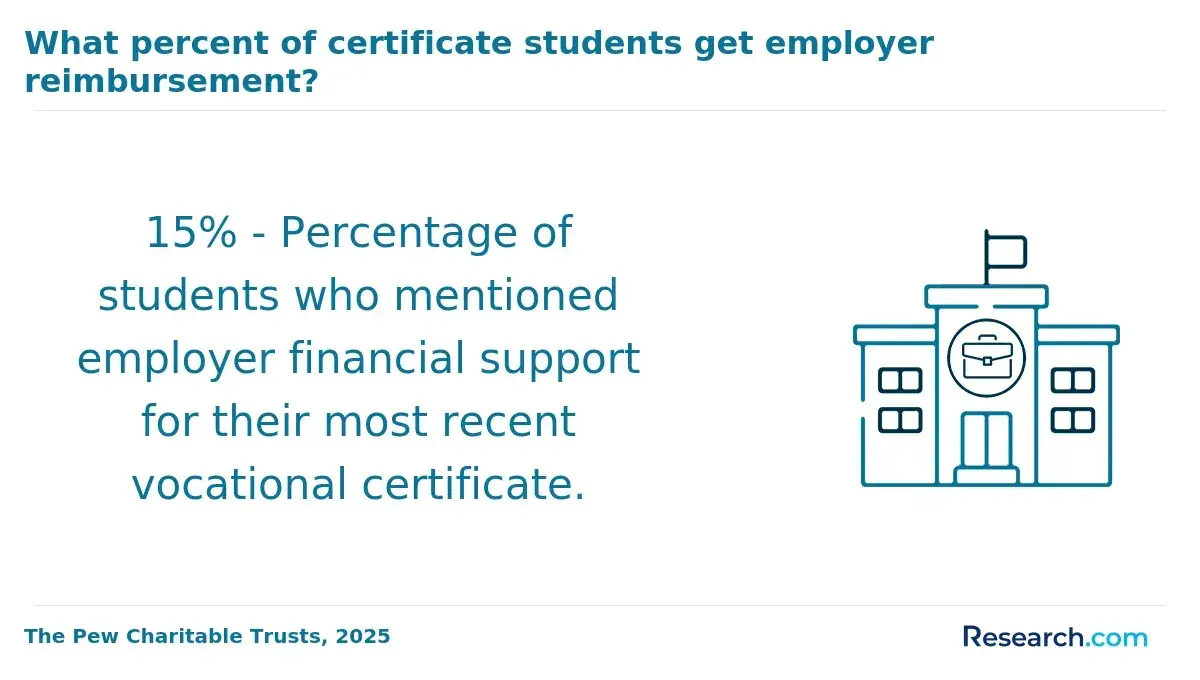
Many online programs also charge technology, graduation, or course material fees, although students often save money by avoiding commuting, housing, and other campus-related expenses. Financial aid, employer tuition reimbursement, scholarships, and transfer credits can further reduce the overall cost.
What careers can an online marketing degree with multi-channel training prepare you for?
Graduates with an online marketing degree focused on multi-channel strategy face complex operational demands beyond fundamental knowledge. Employers expect proficiency in integrating SEO, paid media, email, and social channels into a cohesive funnel while adjusting campaigns responsively to real-time data. For example, a B2B software marketer must simultaneously manage LinkedIn ads, email nurtures, and webinar promotion with sharp analytics oversight, balancing performance and budget across platforms.
This contrasts with retail or consumer packaged goods roles, where effective omichannel management requires combining in-store and digital touchpoints, emphasizing attribution accuracy and seamless customer journeys. Such diversity in channel management highlights a tradeoff: specialized tactical skills versus broad strategic coordination.
Hiring trends confirm that digital marketing and social media functions rank among the most sought-after globally, rewarding candidates who demonstrate agility with analytics tools like Google Analytics, HubSpot, or Salesforce Marketing Cloud. However, this agility comes with ongoing challenges-professionals must continuously update their skill sets due to evolving algorithms and privacy constraints.
Ultimately, the degree's value depends on a graduate's investment in layered, practical competencies that employers prize: tactical fluency, channel synergy, and rapid data interpretation. Those unable to extend learning beyond theoretical study may find themselves at a disadvantage in a marketplace where adaptability and execution drive ROI.
What salary ranges and job outlook can graduates in multi-channel marketing expect?
Starting salaries for graduates with multi-channel marketing degrees in 2026 typically range between $60,000 and $85,000, highly dependent on the industry and geographic region. Mid-career professionals in sectors like e-commerce and tech-driven consumer goods often earn between $95,000 and $130,000, driven by employer demand for advanced skills in automation, AI-driven analytics, and multi-metric performance evaluation.
Employers increasingly seek candidates who can synthesize data from diverse digital and offline touchpoints to adapt strategies dynamically. For example, a retail brand manager using AI-powered attribution models to optimize ad spend across social media and email campaigns directly influences revenue growth, a capability that commands premium pay. This trend extends hiring timelines and elevates expectations for proficiency in platforms such as Google Analytics 4, Tableau, and marketing automation tools.
The U.S. Bureau of Labor Statistics projects a 10% job growth rate for marketing management through 2030, exceeding average occupation growth. However, staying competitive requires ongoing upskilling in AI-assisted analytics and cross-channel integration; those who fail to demonstrate measurable impact risk stagnation as automation displaces traditional roles.
- Advanced statistical competence and automation skills are essential for optimizing conversions and retention.
- Real-world employer preferences favor multifaceted data integration over surface-level campaign management.
- Continuous learning, including certifications, will likely influence long-term salary progression.
How do certifications and portfolio projects enhance an online marketing graduate's employability?
Certifications and portfolio projects function as critical gatekeepers in online marketing careers, distinguishing candidates capable of contributing immediately to complex digital strategies. Certifications validate proficiency with platforms such as Google Analytics or CRM tools, which employers increasingly demand for managing integrated multi-channel campaigns that span social media, email, and paid advertising.
For example, a graduate showcasing a portfolio featuring data-driven Facebook ad optimization or detailed cross-channel content calendars offers tangible proof of strategic competence valued in sectors like retail and financial services. Despite their importance, obtaining certifications requires significant time and financial investment, often without consistent industry-wide recognition. Portfolio development also poses challenges.
Employers weigh these tradeoffs carefully, often preferring candidates who combine multiple certifications with measurable portfolio achievements rooted in real-world scenarios. Such candidates are more likely to secure strategic positions rather than entry-level tasks. Graduates should therefore adopt a dual approach, balancing continuous certification renewal with ongoing project development to maintain market relevance and improve upward mobility within the evolving multi-channel marketing landscape.
Other Things You Should Know About Marketing
Yes, workloads vary substantially based on program structure and level of specialization. Programs emphasizing practical, project-based learning with real client work demand more time than those centered on theory or lectures alone. Students should prioritize programs with manageable workloads that incorporate hands-on experience, as employers value demonstrated ability to execute multi-channel campaigns over theoretical knowledge.
Prioritize broad multi-channel training if you aim for strategic roles requiring oversight across platforms, as specialization can limit adaptability in changing market conditions. Employers expect marketers to coordinate integrated strategies rather than isolated channel management. Narrow focus degrees might suit those targeting specialist roles, but for long-term career flexibility and advancement, comprehensive curriculum coverage provides more value.
Yes, many programs accept up to 60 transferable semester credits from regionally accredited colleges, usually requiring a 2.0 GPA or higher. Schools often evaluate each course individually, and core marketing or business classes transfer more easily than specialized digital strategy courses.
References
- Degree in Online Marketing - Updated 2026 https://uniscopio.com/en/bachelors-degrees/online-racing/online-marketing/
- What Is Multi-Channel Digital Marketing? | Wrike Guide https://www.wrike.com/digital-marketing-guide/faq/what-is-multi-channel-digital-marketing/
- Why Choose a Career in Multi-channel Marketing? - EMA Training https://www.ematraining.co.uk/blog/why-choose-a-career-in-multi-channel-marketing/
- How do 100% Online Degrees impact employability in today's job market? https://www.emerging.fr/post/how-do-100-online-degrees-impact-employability-in-todays-job-market
- How Much Do Digital Marketing Courses Cost? https://blog.nobledesktop.com/learn/digital-marketing/how-much-is-a-digital-marketing-course
- Marketing Communications Salary: What Can You Expect to Earn? https://online.sbu.edu/blog/marketing-communications-salary
- What’s the Difference Between Online vs. On-Campus Digital Marketing Master’s Programs? | Digital Marketing Institute https://digitalmarketinginstitute.com/blog/whats-the-difference-between-online-vs-on-campus-digital-marketing-masters-programs
- Online Bachelor's Degree Marketing https://www.umgc.edu/online-degrees/bachelors/marketing