2027 Best Online Legal Studies Degrees for Adults With Some College but No Degree

Co-Founder and Chief Data Scientist
Professionals with some college credits but no degree often face a bottleneck when seeking advancement in legal support roles, where employers increasingly require formal credentials alongside practical experience. The National Center for Education Statistics reports adult learners now comprise over 40% of online program enrollments, reflecting a shift towards flexible, career-compatible pathways. This trend underscores a persistent demand for programs that accommodate part-time schedules and prior learning while delivering marketable skills quickly.
Navigating this landscape requires discerning which online legal studies degrees balance academic rigor, credential recognition, and accessibility. This article examines top online programs tailored to adults with prior college experience aiming to complete their degree and enhance legal career prospects efficiently.
Key Things You Should Know
- The median wage for paralegals and legal assistants rose just 2.5% from 2022 to 2024 despite a 15% increase in program graduates, indicating saturated entry-level labor markets that depress immediate ROI for many students.
- Employer surveys from the National Association for Legal Career Professionals show 62% prioritize hands-on course components and internships over mere credit accumulation, pressuring programs with no experiential learning to limit graduate hireability.
- Community college-based legal studies programs reduce total direct costs by 40% compared to four-year institutions, but extended time-to-completion averages 3.2 years versus 2.5 years, creating a tradeoff between cost savings and delayed workforce entry.
What are the best online legal studies degrees for adults with some college?
Accelerated credit transfer and practical certification alignment distinguish the best online legal studies degrees for adults with some college but no degree, particularly those tailored for career pivots into paralegal work or legal administration. Programs targeting adults returning to school must balance flexible pacing with curricula that emphasize core competencies like legal research, ethics, and technology-skills directly demanded by employers across law firms, corporate compliance, and government sectors.
Key operational tradeoffs arise from credit recognition policies: programs that maximize transfer credits reduce redundant coursework and compress time-to-completion, often spanning 1.5 to 3 years part-time. However, shorter durations may limit practicum or internship opportunities, which are vital for real-world legal exposure and bridging the skills gap in areas such as case management and law office technology. This practical experience frequently correlates with meeting job requirements tied to certifications like the Certified Paralegal (CP).
For adults transitioning from clerical or administrative roles, targeted legal studies programs often yield immediate employability improvements, given that many job listings specify a degree plus certification. Specializations, including healthcare compliance, can create niche advantages within regulatory affairs. Graduates should weigh program structure against workforce expectations, with median legal occupation wages exceeding $82,000 as a baseline for evaluating return on investment.
Prospective students seeking cost efficiency and accreditation can explore ABA-approved online paralegal programs, a subset often embedded in top accredited online legal studies programs for adults returning to school that meet stringent quality and affordability criteria.
How do you choose an accredited online legal studies program?
Accredited online legal studies programs for adults must be scrutinized beyond accreditation status, emphasizing how curriculum relevancy and delivery formats affect working professionals. Flexibility in asynchronous courses, clear credit transfer policies, and targeted academic advising are vital for those balancing existing careers. In comparing options, note that accelerated programs may shorten degree timelines but often increase weekly study demands, creating a tradeoff between speed and workload stability.
The best online legal studies degrees for students with some college experience often incorporate concentrations such as paralegal studies, compliance, or legal technology, which better align with industry roles in government, corporate, or nonprofit sectors. Understanding how credits map to state certifications or licensure is essential when pursuing paralegal or legal assistant qualifications to avoid delays in career entry.
Programs that include career services and internship support tend to yield tangible salary growth; the U.S. Department of Education's College Scorecard reports an average $19,700 increase in earnings within three years post-graduation for online bachelor's alumni. These outcomes underscore the importance of evaluating not only cost but also post-graduate employability. Students should also consider evolving curriculum components like cybersecurity law and digital evidence to remain competitive in a dynamic job market. Support services such as technology assistance and professional networking underpin persistence and job mobility.
For those exploring intersections between legal studies and other fields, reviewing related forensic career paths may reveal additional opportunities and skill set applications.
Can you finish a legal studies degree online after some college credits?
Finishing a legal studies degree online after some college credits requires careful evaluation of credit transfer policies and program alignment to avoid prolonging completion time. Most accredited online legal studies programs accept 30 to 60 semester hours, but acceptance hinges on how well prior coursework matches foundational legal concepts. For example, credits from general education or introductory legal courses typically transfer more smoothly than vocational or unrelated classes, which can affect students pursuing specialized roles such as court administration or associate paralegal positions.
Students considering online legal studies degree completion programs for adults with prior coursework should rigorously compare course content and anticipate gaps in essential subjects like legal research and ethics. Employers in legal administration often prioritize demonstrated competencies over total credits, so selecting programs with robust transfer frameworks and flexible formats (including accelerated or competency-based options) can be crucial for timely entry or advancement in the workforce.
Steps to optimize credit transfer include:
- Requesting official credit evaluations from target institutions before enrollment.
- Aligning prior course descriptions with the new curriculum to ensure equivalency.
- Accounting for financial aid and employer tuition assistance impacts when transferring credits.
As legal studies programs expand-over 40 accredited online degrees exist nationwide, a 30% increase in five years-prospective students can find diverse pathways. However, working professionals should weigh the practical tradeoffs involved in credit acceptance and course relevance. Those with prior credits in related fields, such as business, may find leverage using specialized tracks like compliance-focused online paralegal programs.
For those exploring interdisciplinary options, comparing this educational path alongside a criminology degree online can offer insights into legal frameworks and public safety career intersections.
What courses are included in an online legal studies degree?
Online legal studies degree courses incorporate core and specialized classes to efficiently prepare students for evolving employer demands in legal environments. Common classes in legal studies programs such as civil litigation, contract law, and legal research and writing develop critical analytical skills for case law and drafting tasks. This foundation is essential for paralegals and legal assistants who must produce precise documents under pressure or assist in trial preparations, where procedural knowledge of evidence and court protocols is invaluable.
Programs often offer targeted coursework in areas like family law, real estate law, or intellectual property law, allowing students to align their credentials with sectors showing stable employment prospects. Realistic exposure to practical legal technology, including computer-assisted legal research and case management software, bridges the gap between textbook knowledge and actual workplace functions-a deciding factor in immediate job-readiness.
Employment growth projections for legal occupations, estimated at 5% over the next decade, reflect demand for adaptable staff able to handle traditional legal support duties alongside emerging technological tools. Balancing work and study means that program flexibility and asynchronous delivery can facilitate effective advancement for adults with some college but no degree.
Prospective students facing time constraints or aiming for strategic transitions might also explore short Spanish degrees as an alternative path with flexible returns; more details appear at short Spanish degrees.
What admission requirements do online legal studies programs usually have?
Admission criteria for online legal studies programs generally favor applicants with at least a high school diploma or GED, though some accept partial college credits, allowing working adults to leverage prior coursework for accelerated progress. A minimum GPA around 2.0 to 2.5 is typical, but exceptions based on professional experience can affect this benchmark. Unlike traditional law schools, standardized tests such as the SAT or ACT are rarely required, reducing barriers for those balancing work and education.
Applicants usually must submit official transcripts and often a personal statement outlining their legal interests and career aims, which serves as a screening tool reflecting motivation and ability to self-manage the demands of remote study. Letters of recommendation are less common but may appear in highly competitive or specialized programs focused on workforce readiness.
This admission structure has direct implications for working professionals seeking mid-career pivots: while prior credits can hasten completion and reduce costs, extra requirements like essays or placement tests especially in writing or research may introduce delays and added effort. Practical prerequisites such as computer literacy and reliable internet access further steer enrollment outcomes.
Considering per-credit tuition rates ranging approximately from $179 to $496-with some in-state annual costs near $4,478-this pathway offers a cost-variable route into legal-related roles but requires careful timing and documentation management for optimizing the transition process.
How long does an online legal studies degree take to complete?
Completion time for an online legal studies degree varies considerably depending on enrollment status and individual circumstances, which directly affects employability and return on investment. Full-time students typically finish in 2 years, while part-time learners-often working adults-may take up to 4 years. Accelerated paths shorten this to 18-24 months but demand rigorous study schedules that may conflict with ongoing job responsibilities.
Credit requirements-commonly between 60 and 90 semester credits-anchor program length, with transfer credits potentially reducing duration by up to a year. However, the practical challenge lies in verifying credit applicability early to avoid delays or unexpected course loads.
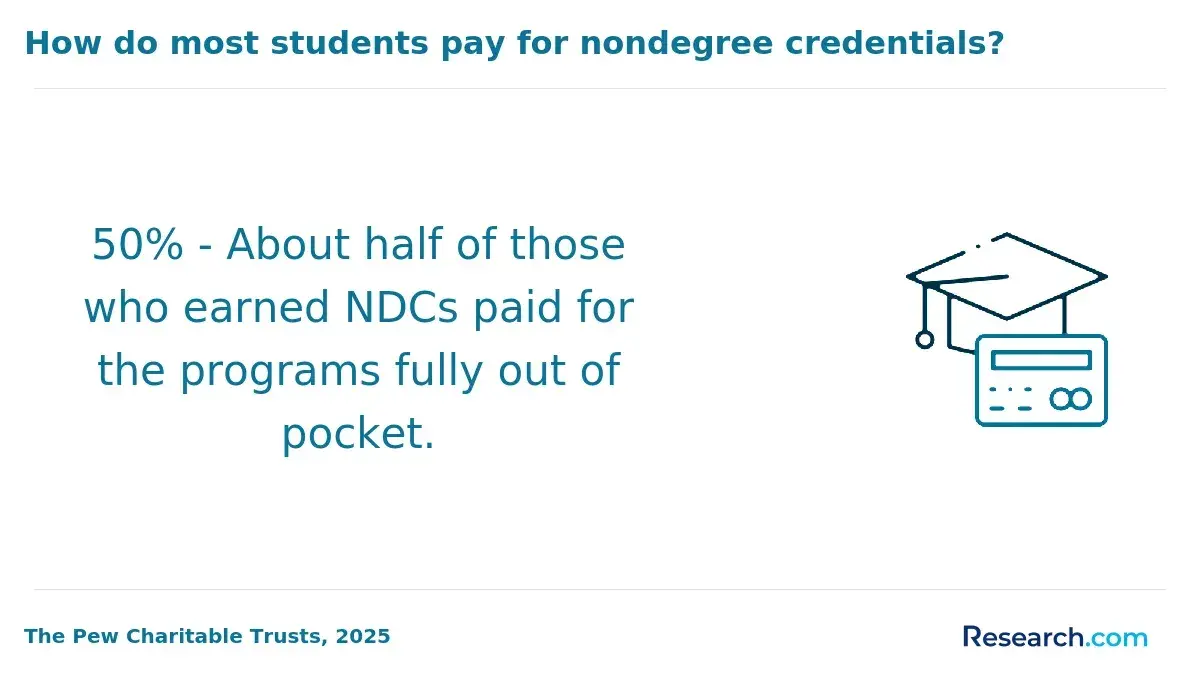
Financial strategy strongly influences pacing. Almost half of adult students rely on grants while others use federal loans or employer tuition assistance, which often comes with limitations on course load and requires longer enrollment periods. Conversely, completing credits faster increases short-term costs but can speed up career advancement and salary gains.
- Working adults balancing employment and family often select part-time enrollment, extending program duration but maintaining income stability.
- Employers typically value credentials completed within traditional timeframes, affecting time-to-hire and promotion prospects.
- The evolving legal field increasingly favors candidates whose education aligns tightly with current workforce demands and timelines.
Choosing between accelerated versus extended timelines requires weighing personal resilience, financial flexibility, and employer expectations in sectors like paralegal services, court administration, or compliance roles.
How much do online legal studies degrees cost?
Cost expectations for an online legal studies bachelor's degree typically range between $15,000 and $45,000, shaped heavily by institution type and residency status. Public in-state tuition costs per credit hour ($250-$500) contrast notably with private rates ($400-$900), which can more than double total expenses. The flexibility of online part-time pacing allows spreading costs over multiple years, yet candidates must also anticipate additional annual fees-between $500 and $1,200-for technology and course materials.
The decision to invest in online legal studies hinges on more than tuition. Accredited program completion carries meaningful weight in hiring, particularly for mid-career professionals pivoting toward or within paralegal and legal support roles. Employment growth in legal-related bachelor's degrees outpaced criminal justice by 9 percentage points over the last decade, implying stronger labor market demand but often requiring acceptance of higher upfront educational investment.
Choosing between accelerated progression and extended part-time study presents practical tradeoffs: rapid completion raises immediate costs but shortens the path to leveraging credentials in the workforce; slower pacing manages cash flow but risks delayed earnings and uncertain final costs without flat-rate tuition models.
Effective financial planning includes:
- Confirming eligibility for federal aid and employer tuition reimbursement
- Seeking scholarships targeting legal studies or paralegal students
- Ensuring credit transferability to avoid redundant coursework and expense
Such strategic measures mitigate risks of overspending while aligning educational choices with realistic career timing and employer expectations.
What jobs can you get with a legal studies degree?
Graduates holding a legal studies degree typically enter roles focused on support and compliance rather than direct legal representation, a distinction critical for realistic career planning. Positions such as paralegals, legal assistants, compliance coordinators, and court clerks leverage detailed knowledge of legal terminology and procedural workflows but generally lack authority for courtroom advocacy. For example, paralegals actively prepare case materials and liaise with clients, offering a practical alternative for those prioritizing workforce entry over law school.
Employers frequently favor candidates with some prior college credits, particularly for mid-level roles where experience remains limited. Data indicates transferring 30+ credits accelerates degree completion by over a year, enabling working adults to return to the job market faster with credentials that balance education and experience.
Beyond traditional legal offices, compliance roles in regulated sectors like finance and healthcare expand employment options but require understanding complex regulations and sometimes supplemental certifications. However, these roles often remain advisory due to restricted legal authority.
Key employability factors include strong organizational skills, case management software proficiency, and potential state-specific certification requirements. Salary prospects typically trail licensed attorneys, emphasizing the importance of weighing whether further qualifications or related experience can enhance career mobility and offset inherent pay limitations.
How much can you earn with a legal studies degree?
Holding a master of legal studies typically raises median salaries by about 22% over bachelor's-only holders in compliance, regulatory, and policy roles, translating to $10,000-$20,000 extra annually. For instance, healthcare and financial sector compliance officers with this degree may earn over $85,000, compared to around $70,000 for those without. This wage gap highlights the degree's practical impact on compensation, especially when aligned with industries enforcing strong regulatory standards.
The credential expedites access to roles involving higher responsibility and managerial duties, particularly in corporate compliance, government policy analysis, and regulatory affairs. Mid-career pivots from unrelated fields find their legal competence validated, enabling faster entry than relying on experience alone. Employers prioritize applied legal knowledge fused with managerial insight, setting graduates apart from candidates without legal backgrounds.
Yet, this wage premium depends heavily on sector choice. Fields without clear regulatory frameworks or small business contexts frequently lack measurable salary benefits despite advanced study. Geographic factors also affect outcomes-metropolitan regions with concentrated regulatory environments offer the most substantial returns.
For those with some college but no degree, hurdles include prerequisite completion and bachelor's degree admission standards. Alternatives like certificates or associate degrees may serve as initial steps but often fall short of the financial advances seen with a master's. Planning for 2-3 years of part-time study while working is essential to maximize the investment.
Do legal studies careers require licensing or certification?
Licensing and certification requirements in legal studies vary significantly by role and influence career trajectories more than degree attainment alone. Paralegals and legal assistants generally do not require mandatory licensing, but voluntarily securing certification from entities like the National Association of Legal Assistants can improve competitive positioning and earning potential. In contrast, roles such as lawyers necessitate passing the state bar exam-mere completion of a legal studies degree is insufficient for licensure or official practice.
Employers hiring candidates with an online legal studies degree often expect practical skills or supplementary qualifications. For example, a paralegal role may demand proficiency with e-discovery platforms or court filing processes, which go beyond academic knowledge. Without formal certification, graduates face a crowded labor market where clearly demonstrated capabilities and specialized training serve as differentiators.
Long-term income data from the U.S. Bureau of Labor Statistics 2024 shows that legal professionals with over a decade of experience earn median salaries 40 to 60 percent higher than early-career peers, reflecting the premium placed on experience and additional credentials rather than initial licensing. For many adults pursuing legal studies without law school plans, focusing on certificate programs or professional development in industry-relevant software, compliance, or paralegal credentials offers more pragmatic value than full licensure.
- Certification can improve job security but requires weighing its cost and time investment against realistic earnings boosts.
- Experience and skill mastery often outweigh formal licensing for non-lawyer legal careers.
Other Things You Should Know About Legal Studies
Transferring prior credits reduces time to completion and lowers tuition expenses, but programs vary widely in the number of allowable transfer credits and the applicability of those credits to key legal studies courses. Students should prioritize programs with generous credit transfer policies and clear articulation of how previous coursework fits into their degree plan to maximize efficiency and avoid redundant classes.
Many online legal studies programs require official transcripts, a minimum GPA of 2.0 to 2.5, and a criminal background disclosure for internships or field placements. Some schools also ask for a writing sample or interview before admission, especially when transferring 24 to 60 semester credits.
Many programs offer asynchronous courses, which benefit working adults by allowing flexible study times. However, some require synchronous sessions or have rigid deadlines that can disrupt work-life balance. Prospective students should confirm the balance between flexibility and academic rigor and select programs that integrate realistic pacing with employer-aligned skills development.
References
- 10 things you can do with a legal studies degree - One Legal https://www.onelegal.com/blog/10-things-you-can-do-with-a-legal-studies-degree/
- Best Online Master of Studies in Law Programs for 2025 https://www.princetonreview.com/law-school-rankings/best-online-master-studies-in-law-programs
- Homepage https://onlinemasteroflegalstudies.com/
- Bachelor of Science in Legal Studies - Colorado State University Global https://csuglobal.edu/academic-programs/undergraduate-degrees/bachelors-degree-legal-studies
- What Can You Do With a Legal Studies Degree? - Trinity Law School https://www.tiu.edu/law/questions/what-can-you-do-with-a-legal-studies-degree/
- Interested in Law Without Becoming a Lawyer? Start Here. https://www.trade-schools.net/legal-studies/
- Online Bachelor's Degree: Legal Studies https://www.umgc.edu/online-degrees/bachelors/legal-studies
- Online Bachelor in Legal Studies (BSLS) Degree https://www.southuniversity.edu/online/degrees-programs/criminal-justice-and-legal-studies/legal-studies-bs