2027 Online Kinesiology Degrees With Community Wellness Career Alignment

Co-Founder and Chief Data Scientist
Health practitioners and aspiring community wellness professionals face a narrowing window to upskill amid growing workforce demands that prioritize interdisciplinary expertise. With labor statistics showing a 12% projected increase in exercise physiologist roles through 2032, many candidates struggle to balance scheduling constraints and career commitments while accessing relevant programs.
The rise of online education-which saw a 14% enrollment growth in adult learners in 2024 according to the National Center for Education Statistics-reflects a critical shift toward flexible, accessible credentials that align with evolving job markets. This article examines online kinesiology degrees tailored to community wellness careers and how they address access, scheduling, and practical training challenges for career advancement.
Key Things You Should Know
- Online kinesiology degrees reduce relocation and commute costs but often extend time-to-completion by 20% due to limited in-person practicum availability, affecting entry into workforce pipelines within community wellness roles.
- Employers in community wellness increasingly seek candidates with hands-on certifications alongside degrees; purely online kinesiology programs may require supplementary credentials to meet practical skill expectations, impacting immediate job prospects.
- State licensing and certification disparities create barriers for online kinesiology graduates aiming for credential portability, compelling students to prioritize programs aligned with regional regulatory frameworks to avoid employment delays.
What are online kinesiology degrees?
The strategic value of online kinesiology degree programs in the United States hinges on their ability to blend scientific rigor with applied expertise tailored to workforce realities. Graduates enter fields where employers expect not only foundational knowledge in anatomy, biomechanics, and exercise science but also demonstrated skills in community wellness and injury prevention.
Candidates should anticipate arranging local clinical or lab experiences to fulfill practicum requirements, a frequent hurdle that can delay certification or employment eligibility.
Projected job growth rates between 6% and 28% reflect varying demand intensity across wellness-related roles, underscoring the importance of selecting programs with aligned accreditation and certification pathways. For those evaluating accredited community wellness kinesiology courses online, factoring in career services and employer recognition often outweighs tuition cost alone.
Unlike degrees focusing solely on theory, effective programs incorporate real-world case studies enabling graduates to design initiatives applicable to corporate wellness or rehabilitation contexts. Decision-making must also consider how coursework emphasis supports intended career pivots, whether toward athletic training, occupational health, or population-based health strategies.
Working professionals might also compare this pathway to alternative health degrees; for example, an online nutritionist degree offers a different skill portfolio and client focus that could complement or substitute a kinesiology credential depending on professional goals.
Are online kinesiology degrees accredited?
Accreditation determines the practical value of an online kinesiology degree program accreditation in the US, especially for students aiming for community wellness careers where certification and licensure are mandatory. For example, a prospective physical therapy assistant must ensure the program is recognized by state boards to qualify for relevant exams.
Most accredited online kinesiology degrees for community wellness careers come from institutions validated by regional agencies such as the Higher Learning Commission or Middle States Commission on Higher Education. This accreditation directly influences credit transferability, employer recognition, and eligibility for internships or advanced study. Without it, graduates face significant hurdles in professional acceptance and mobility.
Cost considerations also factor prominently: on average, online bachelor's kinesiology programs save students approximately $2,247 annually compared to traditional on-campus options, without compromising accredited status when properly verified. This difference can lessen long-term debt burden while maintaining quality.
Employers in fitness, rehabilitation, and wellness increasingly accept accredited online kinesiology degrees on par with traditional degrees. However, students should be aware that some specialized positions require additional certifications beyond the degree. Additionally, those considering related healthcare pathways should research relevant options such as online PMHNP programs for mental health-focused advanced practice.
Which kinesiology careers align with community wellness?
Community wellness roles within kinesiology emphasize program design and leadership that prioritize prevention over treatment. Positions like community health coordinators and health promotion specialists require nuanced understanding of human biomechanics integrated with strategies to reach at-risk populations effectively.
For example, these professionals develop outreach campaigns targeting chronic disease reduction by leveraging kinesiology insights on physical activity patterns.
Medical and health services managers blending kinesiology principles with administrative oversight are projected to grow 28% from 2022 to 2032, reflecting robust demand for expertise in optimizing public health resources.
However, candidates must balance technical knowledge with practical constraints such as funding limitations and interdisciplinary coordination. For instance, a health promotion specialist in a municipal department often navigates budget restrictions while crafting scalable physical activity initiatives that maintain community engagement.
Employers increasingly expect skills in grant writing and management alongside kinesiology coursework, a critical tradeoff for students considering online kinesiology degrees for community health careers. Securing internships or practicums within public health agencies can bridge the theory-practice gap by aligning academic learning with operational challenges in wellness program management.
Those evaluating costs should note that specialized fees may apply, as detailed in hospital administration course fees, which influence the total investment required for training aligned to these career paths.
How do online and campus kinesiology programs differ?
Online kinesiology degree programs vs campus programs present tradeoffs critical to workforce integration and field readiness. Campus-based enrollment enhances immediate access to practical labs, physical resources, and mentoring, which aligns closely with employer preferences for candidates with verifiable field experience.
In contrast, online students benefit from schedule flexibility, making this path suitable for professionals balancing employment or personal commitments, but must independently coordinate clinical internships - a hurdle that can extend time-to-completion and complicate skill development in biomechanics and exercise physiology.
Employers focusing on community wellness career opportunities with online kinesiology degrees tend to value hands-on competencies demonstrated through practicums.
For example, graduates from campus programs often leverage institutional partnerships to secure timely internships, facilitating quicker access to the median community health worker salary of $51,030, as reported by the Zilber College of Public Health at UW-Milwaukee. Meanwhile, those pursuing online pathways should proactively establish local clinical affiliations to remain competitive in this wage bracket.
Deciding between these modalities involves weighing nuanced factors:
- Immediate workforce entry with well-supported experiential learning favors campus enrollment.
- Online study suits individuals requiring flexible scheduling but may incur hidden costs related to externship placements.
- Overall cost efficiency often leans toward online programs due to eliminated commuting or relocation expenses.
Those evaluating this pathway should also review the cheapest BSN to MSN online options, as financial considerations impact feasibility for many prospective kinesiology students.
What courses are in an online kinesiology program?
An online kinesiology program's curriculum fundamentally shapes career positioning, with core courses in anatomy, physiology, biomechanics, motor learning, and exercise physiology anchoring clinical and wellness expertise.
Students face a tradeoff: those who concentrate on biomechanics and physiology typically prepare for more research-driven or clinical roles, whereas emphasizing public health and wellness promotes entry into community-focused positions.
Applied coursework offers vital hands-on experience through case studies and virtual labs, crucial for roles like physical therapy assistants or rehabilitation specialists. For instance, occupational therapy support demands fluency in kinesiology research methods and therapeutic exercise, mirroring employer expectations around evidence-based interventions.
Public health integration ensures graduates can design population health programs and apply behavior change theories, skills increasingly valued in community wellness leadership where measurable health outcomes outweigh individual fitness gains. This divergence impacts job market readiness and professional scope, with each pathway reflecting distinct workforce demands.
Notably, Arizona State University's 2024 BLS-based data reports physician assistants-a common advanced career step-earn a median wage of $133,260 and project 28% growth from 2023-2033, highlighting tangible economic incentives tied to advanced practice roles.
Key practical considerations:
- Core sciences underpin clinical readiness but require substantial study commitment.
- Applied labs and case work build transferrable intervention skills but may lack uniform availability online.
- Public health coursework broadens impact potential but may narrow clinical employability.
- Strategic course selection aligns with realistic employment and long-term specialization.
What are the admission requirements for kinesiology degrees?
Admission to kinesiology programs in 2026 demands more than a high school diploma; it requires targeted academic preparation in biology, chemistry, and mathematics to meet employer and program expectations.
Bachelor's pathways insist on these foundations, while associate degrees, especially online ones, offer more flexible entry points suitable for working adults or career changers. Transfer students face the practical necessity of completing introductory science and anatomy courses to align with workforce competency demands.
Standardized test requirements, once near-universal, continue to decline post-pandemic, but many traditional campuses still expect SAT or ACT scores, influencing applicant strategy. Letters of recommendation and personal statements emphasizing a commitment to community wellness remain differentiators, specifically in programs where outcome-driven client care is central.
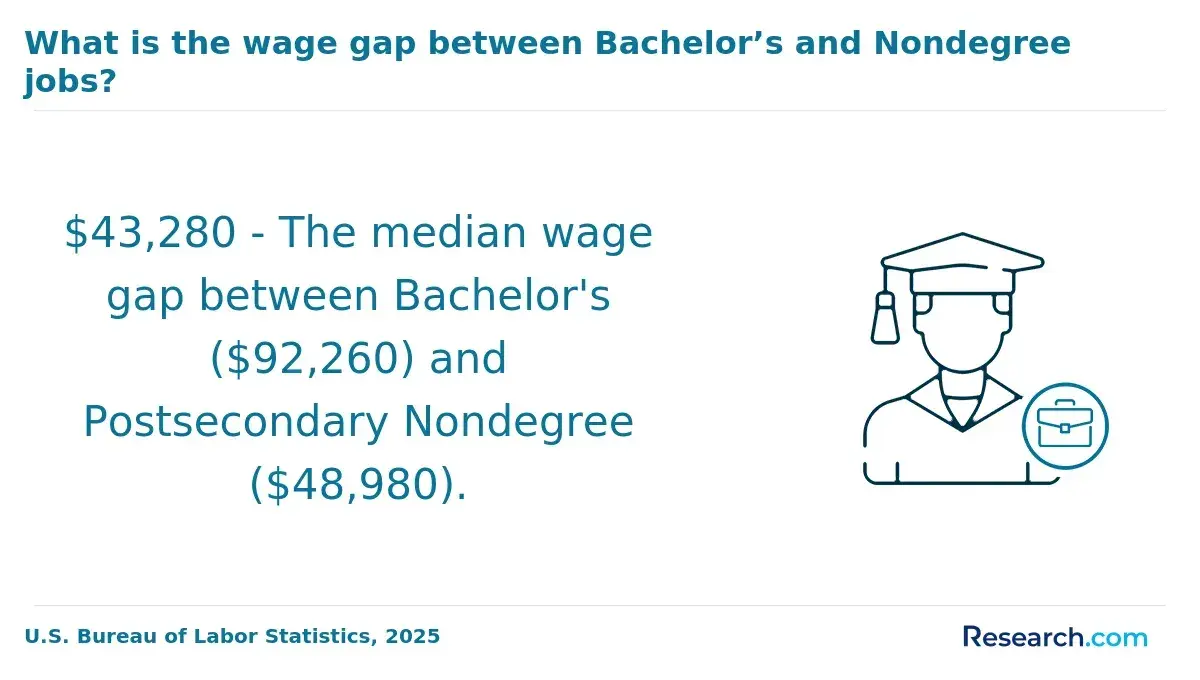
Financial considerations profoundly shape access: a bachelor's kinesiology degree averages $50,000 in tuition over four years, a significant investment that not all can justify given uncertain job market returns. In contrast, a two-year online associate degree costs under $2,500, providing a practical, lower-cost entry to community wellness roles but often limits upward mobility without further education.
Logistics like technology access and in-person practicum requirements impose additional barriers, particularly for those balancing employment or geographic constraints. Prospective students must weigh these operational factors alongside cost and academic prerequisites to select programs that realistically match their circumstances and career goals.
How long does an online kinesiology degree take?
The typical 3 to 4-year timeline for completing an online kinesiology bachelor's degree masks significant variability tied to program structure and career targets. Students aiming for community wellness roles involving cardiac rehab or chronic-disease management must anticipate additional months for practicums or internships.
These hands-on clinical hours are often mandated by employers and crucial to securing positions in these growing niches.
Choosing a faster or fully online pathway frequently means sacrificing integrated applied training, which can undermine employability in healthcare settings demanding supervised experience. For instance, a working professional transitioning into cardiac rehabilitation will face scheduling challenges balancing flexible coursework with required in-person clinical hours.
The Bureau of Labor Statistics projects a steady 6% growth for exercise physiologists through 2032, supporting the practicality of investing time in kinesiology degrees that include relevant applied components. However, variations in program accreditation and alignment with certification standards directly impact qualification for certain roles.
Prospective students should weigh these factors:
- Programs with clinical practicum provide competitive advantage despite longer duration.
- Accelerated or part-time options may extend degree time but offer flexibility.
- Employers prioritize candidates with validated, supervised skills over purely academic credentials.
Managing time-to-degree is less about speed and more about mapping education onto workforce realities in community cardiac rehabilitation and chronic disease roles.
How much do online kinesiology degrees cost?
Online kinesiology degrees impose a distinct cost-benefit tradeoff: they offer flexibility for working adults but often come at a premium compared to in-person public institutions.
Tuition for a full bachelor's degree typically spans from $15,000 to $40,000, with public universities charging approximately $300 to $500 per credit hour for in-state students, while private schools command $600 to $1,200 per credit.
Graduate programs, especially master's degrees, frequently exceed $20,000 to $50,000. This disparity challenges budget-conscious learners deciding between accelerated, competency-based formats and traditional credit-heavy programs.
Besides tuition, students should anticipate additional expenses such as technology fees, course materials, and clinical placement costs that can significantly increase the overall investment. These hidden costs often surface after enrollment and impact the true affordability of online kinesiology training.
From a workforce and employability perspective, practical training pathways like health promotion and coaching are pivotal, with documented Canadian analyses showing these as dominant career trajectories connected to kinesiology education.
Choosing a program with hands-on experience or industry partnerships can materially influence post-graduation opportunities and earning potential.
Key considerations for decision-making include:
- Evaluating tuition per credit and total time to completion relative to local labor market demand.
- Balancing flexible scheduling against potential higher costs in an online format.
- Accounting for additional fees and certification expenses not included in base tuition.
- Ensuring program content aligns with career pathways emphasizing community health, coaching, or wellness roles.
Prospective students must weigh these variables carefully to ensure their investment aligns with realistic employment outcomes rather than nominal credential acquisition.
What salaries do kinesiology graduates earn?
Graduates with online kinesiology degrees moving into community or corporate wellness roles often encounter salary prospects comparable to those in health services management, where median wages approach $107,500, based on Houston Christian University's review of Bureau of Labor Statistics data.
This wage level typically applies to positions that extend beyond fitness instruction to include managing wellness programs, overseeing budgets, and directing staff, emphasizing leadership over direct client engagement.
Professionals in healthcare or corporate settings who develop administrative and strategic competencies tend to secure higher compensation than entry-level fitness trainers.
Conversely, kinesiology graduates working in non-profit community wellness may face slower salary growth, yet benefit from steady demand driven by the occupation's 28% projected growth between 2022 and 2032. This reflects a labor market increasingly valuing structured wellness initiatives and data-informed program design.
For those pivoting careers via kinesiology studies, supplementing core knowledge with certifications in health management or corporate wellness markedly improves prospects for managerial roles.
Employers prioritize candidates skilled in program development and measurable wellness outcomes, frequently requiring practical, applied training embedded within online curricula. The tradeoff often lies in balancing the breadth of kinesiology theory with targeted leadership skills to maximize employability in competitive environments.
What certifications help kinesiology graduates advance?
Licensure as a physical or occupational therapist remains the most decisive credential for kinesiology graduates aiming for clinical roles, offering not only pay advantages but also greater job security and mobility. The 2024 median salaries reported by the Zilber College of Public Health, $101,020 for physical therapists and $98,340 for occupational therapists, reflect this premium, alongside projected employment growth rates of 14% and 11%, respectively.
These licenses require passing the NPTE (National Physical Therapy Examination) or NBCOT (National Board for Certification in Occupational Therapy), which act as essential gateways to sustainable careers within healthcare systems.
Conversely, specialty certifications such as Certified Strength and Conditioning Specialist (CSCS) or Certified Exercise Physiologist (ACSM-EP) enhance employability in wellness or sports performance but do not substitute for clinical licensure. Employers often expect these certifications for roles beyond entry-level technician positions, making them valuable add-ons rather than primary qualifications.
In nonclinical areas like corporate wellness or ergonomic consulting, credentials such as Certified Ergonomics Assessment Specialist (CEAS) align more closely with industry demands where scope-of-practice limitations restrict clinical licenses' relevance. For example, physical therapy assistants with PTA certification face narrower advancement paths compared to licensed physical therapists.
Ultimately, kinesiology graduates must weigh costs, time investment, and sector-specific credential requirements carefully. Prioritizing state licensure unlocks higher earning potential and clinical roles, while specialized certifications support niche domains in fitness and wellness, influencing long-term career options and employer expectations.
Other Things You Should Know About Kinesiology
Yes, practical experience is often essential. Many online kinesiology programs include internships or fieldwork components that are crucial for gaining hands-on skills and understanding the real-world applications of coursework, which is vital for community wellness careers.
Specialization significantly shapes job opportunities and advancement potential. For community wellness, focusing on areas like exercise physiology, health promotion, or rehabilitation leads to more direct involvement in public health initiatives and client interaction roles. Programs with flexible specialization tracks offer better alignment with evolving workforce demands; prioritize degrees that allow concentration options relevant to community-based rehabilitation or preventive health.
Online kinesiology degrees often have heavy workloads due to science-intensive coursework combined with application-based projects. For working professionals, balancing study and employment requires careful scheduling and time management. Selecting programs with asynchronous classes and extended course completion options can reduce pressure, but students should expect rigorous assignments, especially during lab simulations or research projects integrated into the curriculum.
Online programs typically offer fewer spontaneous networking moments, which can affect community wellness career development. However, some schools compensate with virtual clubs, group projects, and industry webinars. When choosing a program, prioritize those with active alumni networks and direct connections to community wellness organizations to enhance job placement chances and professional relationship building.
References
- What Can You Do with a Kinesiology Degree? https://www.nec.edu/news/what-can-you-do-with-kinesiology-degree
- Explore UM | University of Manitoba - Kinesiology (BKin) https://umanitoba.ca/explore/programs-of-study/kinesiology-bkin
- What Can You Do With a Kinesiology Degree? – ECU Online https://online.ecok.edu/program-resources/what-can-you-do-with-a-kinesiology-degree/
- Is a Kinesiology Degree Right for You? | Corban University https://www.corban.edu/is-a-kinesiology-degree-right-for-you/
- Graduate Certificates https://www.ualberta.ca/en/kinesiology-sport-recreation/continuing-professional-education/graduate-certificates/index.html
- 2026 Best Online Kinesiology Degrees https://www.onlineu.com/degrees/kinesiology
- Kinesiology - Admissions - University of Victoria https://www.uvic.ca/undergraduate/programs/undergraduate-programs/pages/kinesiology.php
- Best Online Kinesiology Degree Programs, Updated for 2026 https://www.kinesiologydegrees.org/programs/online
- Kinesiology (Online), B.S. https://www.nccu.edu/academics/undergraduate-programs/kinesiology-online-bs
- Online Bachelor’s in Kinesiology and Exercise Science Programs https://teach.com/online-ed/healthcare-degrees/online-bachelors-kinesiology-exercise-science/