2027 Online Kinesiology Degrees for Wellness Program Builders

Co-Founder and Chief Data Scientist
Mid-career professionals aiming to transition into wellness program design often confront rigid scheduling and limited access to specialized education in kinesiology, hindering timely career advancement.
The National Center for Education Statistics reports a 17% increase in online degree enrollment among adult learners since 2023, highlighting a shift toward remote study options that accommodate work-life balance without sacrificing credential credibility. This trend signals growing employer recognition of flexible, accredited online programs as viable qualification pathways. However, navigating program quality, accreditation, and curriculum relevance remains a critical barrier.
This article examines current online kinesiology degree options tailored for wellness program builders, focusing on accessibility, rigor, and career impact to guide informed decision-making.
Key Things You Should Know
- Online kinesiology degrees report a 15% higher time-to-completion versus on-campus counterparts, driven by varied practicum access; this delays workforce entry, impacting salary trajectory for program builders balancing speed against applied experience.
- Employers report 42% preference for graduates with hybrid clinical exposure, highlighting online-only kinesiology degrees' potential underperformance in job placement and role advancement within wellness ecosystems.
- Average tuition for online kinesiology surged 12% in 2024 per NCES, forcing candidates to weigh escalating costs against uncertain licensure recognition and uneven interstate credential portability.
What is an online kinesiology degree and how does it prepare wellness program builders?
Employers increasingly expect wellness program developers to combine scientific knowledge with applied skills, a demand met by online kinesiology degree programs for wellness professionals. These programs deliver comprehensive education in biomechanics, physiology, and health promotion through digital coursework, but the necessity to complete clinical hours at local facilities remains a critical barrier for some working adults seeking flexibility. This hybrid model ensures practical competency, which many employers prioritize in hiring decisions.
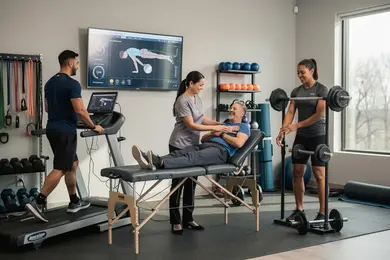
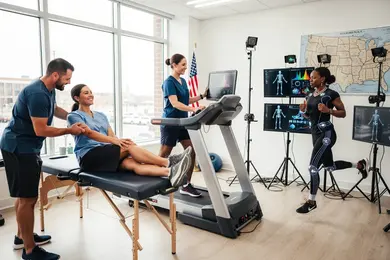
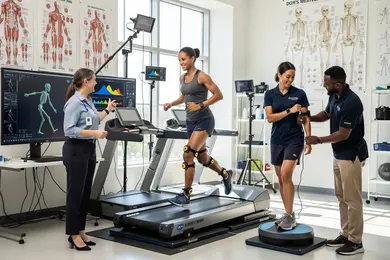
Graduates typically use their training to design and evaluate interventions across occupational health, sports performance, and clinical rehabilitation settings, with a growing emphasis on mastering wellness technologies and data collection methods. This practical focus aligns with workforce needs but requires candidates to balance asynchronous learning with hands-on requirements.
Prospective students should weigh tuition costs against realistic career outcomes. The median annual salary for exercise science and kinesiology graduates is approximately $50,705, with median tuition near $15,150—a ratio favorable for those targeting roles in preventive care and health promotion. This balance is crucial when assessing the value proposition of an online kinesiology degree for wellness program development.
For those evaluating credential options and wishing to explore verified pathways, kinesiology certification online offers insight into programs that combine flexibility with strong employer recognition.
How do online kinesiology programs compare with on-campus options for wellness-focused students?
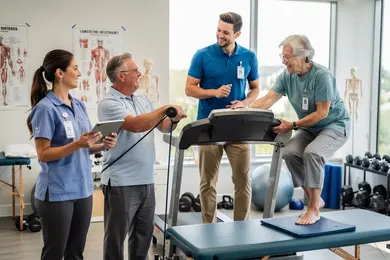
Choosing between online and on-campus kinesiology programs hinges on the tangible differences in practical training and professional integration. On-campus programs embed on-site labs, fitness centers, and faculty-arranged clinical internships, ensuring direct mentorship and guaranteed exposure to specialized equipment.
By contrast, online kinesiology degree benefits for wellness students primarily involve flexibility but require independently securing local practicum sites, which can restrict access to employer-standard clinical environments and complicate documentation of hands-on experience.
Employers in preventive care and exercise physiology prioritize demonstrated patient interaction skills and real-time assessments, reflected in the projected 10% job growth rate through 2032.
Graduates from traditional programs often have stronger practical resumes because of embedded, supervised experiences, whereas online students face added administrative burdens to verify equivalent competencies, potentially delaying employment. This dynamic particularly affects those aiming for clinical or physical therapy roles.
That said, for those pursuing wellness program development in corporate or community settings that de-emphasize direct patient care, online formats can be sufficient if aligned with targeted internships and employer relationships. Candidates must critically weigh clinical placement support and networking opportunities rather than tuition or convenience alone.
For professionals considering advanced credentials, exploring options such as a PhD healthcare can complement kinesiology expertise to better position them for leadership roles in health management.
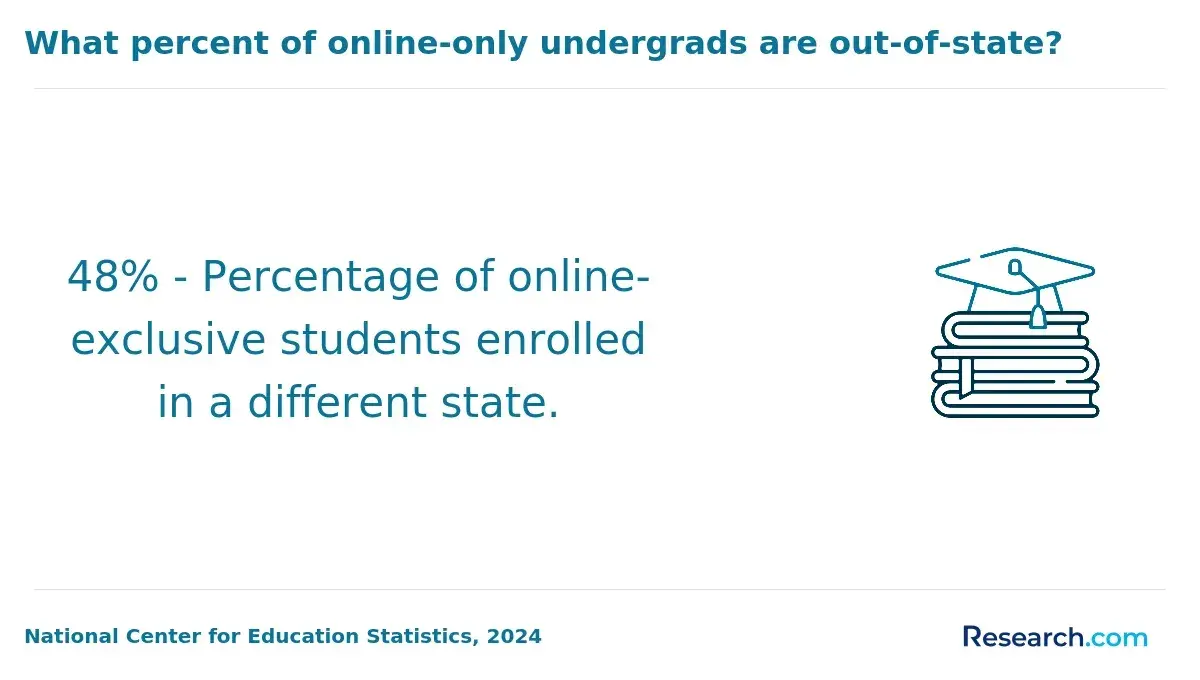
What types of online kinesiology degrees are available for future wellness program builders?
The choice between bachelor's, master's, and certificate formats in online kinesiology degree programs for wellness professionals hinges on balancing immediate employability against long-term leadership capacity. Bachelor of science degrees equip candidates with broad expertise in human movement and health behavior, positioning them effectively for corporate wellness roles that demand implementing physical health and motivational strategies.
However, these programs often require additional experience to meet employer expectations for measurable program impact.
Master's degrees expand graduates' capabilities with management, program evaluation, and research methods, aligning better with requirements for directing wellness initiatives and adapting programs based on data analysis. This level suits those targeting strategic leadership or community health interventions.
Given that 52% of U.S. employers have expanded their well-being programs and 77% plan to maintain or increase investment, mastery of data-driven assessment underpins employability for these roles.
Certificates serve as accelerated options for professionals shifting into wellness program design but typically lack the depth necessary for leadership positions. They are best interpreted as credential enhancers for roles like wellness coordinators or health coaches rather than comprehensive training.
The demand landscape suggests distinct tradeoffs: bachelor's degrees provide a practical entry point with room to upskill, while master's credentials address the rising employer priority on strategic, evidence-based wellness leadership. Prospective students should consider time investment and career trajectory when evaluating accredited kinesiology degrees for building wellness programs.
For professionals assessing educational costs alongside outcomes, exploring options such as the cheapest master's in healthcare administration may offer comparative insights on affordability and curriculum rigor.
How can you verify that an online kinesiology program is properly accredited and reputable?
Accreditation verification for online kinesiology degrees directly affects employability and licensure prospects, particularly when selecting programs recognized by regional or national bodies such as the Higher Learning Commission. Without this, graduates risk investing in credentials that neither transfer smoothly nor satisfy professional certification standards.
Identifying reputable online kinesiology programs in the US entails scrutinizing outcomes like graduation rates and job placement to avoid costly programs with minimal market impact.
Graduates from well-regarded online exercise science programs often benefit from tuition savings averaging nearly $6,000 below typical private four-year institutions, paired with mid-career salaries exceeding $50,000. This balance underscores the importance of assessing the cost-to-ROI ratio rather than relying solely on program reputation.
Students should also request detailed syllabi and faculty credentials to confirm educational rigor, especially if targeting roles requiring specialized skills in wellness or rehabilitation.
Practical readiness hinges on access to internships or clinical partnerships, which purely online curricula sometimes lack, potentially leaving graduates underprepared. Additionally, it is critical to consult state licensing boards related to exercise science and kinesiology to ensure the program aligns with credentialing requirements in the desired employment location, as accreditation alone does not guarantee licensure eligibility.
For comparison with other health-focused online degree pathways, consider the detailed Chamberlain vs Capella RN to BSN program analysis, which illustrates evaluation frameworks valuable across allied health education choices.
What courses and specializations are common in online kinesiology programs focused on wellness?
Programs in kinesiology that emphasize wellness must balance theoretical foundations with applied skills directly aligned to workforce demands. Core courses typically cover exercise physiology, biomechanics, motor learning, and health behavior change, yet their practical value depends heavily on integration with community health promotion, occupational wellness, and lifestyle management. These specializations address tangible employer needs, particularly in sectors focused on chronic disease prevention and population health impact.
Wellness-focused curricula often extend beyond physical training to incorporate nutrition, public health, and stress management. This multidisciplinary approach prepares graduates for real roles requiring behavior modification and health communication expertise—skills essential for sustained lifestyle improvements in diverse settings.
For instance, a professional engaged in corporate wellness must master workplace ergonomics and program evaluation alongside kinesiology fundamentals to meet employer expectations effectively.
The U.S. Bureau of Labor Statistics projects a 7% growth rate in health education specialist and community health worker roles through 2032, equating to roughly 11,700 new jobs. This data signals a strategic advantage for candidates who pair kinesiology studies with public health or education concentrations, leveraging dual-competency to improve job prospects and sector flexibility.
Evaluating program accreditation and certification alignment remains critical, particularly regarding Certified Health Education Specialist (CHES) prerequisites. Students should also prioritize internships or practicums that offer applied experience in nonprofit or healthcare environments, as these enhance employability and transition theoretical learning into practice within different wellness-related career paths.
What are the typical admission requirements for online kinesiology bachelor's and master's programs?
Online kinesiology bachelor's programs impose concrete academic thresholds that shape candidate pools and impact workforce readiness. A high school diploma or equivalent is foundational, with transcripts highlighting competency in biology, chemistry, and math due to the program's scientific rigor.
These programs assume students will juggle professional responsibilities—evidenced by 84% of enrollees working while studying and an average learner age of 32, according to data sourced from the National Center for Education Statistics.
At the master's level, admissions are more selective, requiring a bachelor's degree—often in kinesiology or a related discipline—and typically a minimum GPA around 3.0. Applicants frequently must demonstrate prior coursework in anatomy, physiology, biomechanics, or research methodologies. Letters of recommendation surface as critical for those without a direct kinesiology background, reflecting an emphasis on both academic history and professional fit.
Career changers pursuing roles in wellness program design face the dual challenge of meeting prerequisites and managing time-intensive clinical or lab commitments. Many programs mitigate this with conditional admission and integrated bridging coursework, which slows but broadens access.
Admissions essays must convey clear career objectives linked to healthcare, rehabilitation, or coaching to underscore professional intentions beyond academic credentials.
Employers increasingly prioritize graduates who combine theory with practical experience, making the ability to balance work, study, and applied internships a decisive factor in successful entry and advancement in kinesiology-related fields.
How long do online kinesiology degrees take and what do they usually cost?
Choosing an online kinesiology degree requires careful consideration of time investment against practical experience that hands-on elements demand. Associate degrees typically take about two years, whereas bachelor's degrees require closer to four years, with limited scope for acceleration due to mandatory clinical or practicum hours. This duration difference impacts workforce entry timing and financial planning, especially for working professionals balancing jobs with study.
Cost variation reflects institution type and residency status, with public universities charging roughly $8,000 to $15,000 annually for in-state students and private options exceeding $25,000. Additional expenses like lab kits and clinical fees add $1,000 to $3,000, pushing total costs between $16,000 for associate degrees and upward of $60,000 for bachelor's programs.
Financial strategies such as employer tuition assistance can alleviate burden but require weighing extended timelines against upfront affordability.
Admissions data show over 60% of programs accept most applicants, and graduate employment rates surpass 80% within a year, indicating practical value in the labor market. However, students aiming for swift transitions should seek programs offering flexible clinical placements or credit for prior relevant experience.
For example, a wellness program builder may opt for part-time enrollment to maintain client commitments, prolonging completion but preserving steady income. Such tradeoffs illustrate the importance of tailoring education pace to individual career and financial realities rather than prioritizing minimum duration alone.
What careers can an online kinesiology graduate pursue in wellness and health promotion?
Graduates of online kinesiology degree programs must navigate a complex intersection of physical science expertise and emerging digital health technologies to remain competitive. Over 70% of these programs now incorporate wearable fitness trackers, demanding skills beyond traditional exercise science, particularly in data analysis and remote monitoring.
For example, a corporate wellness coordinator doesn't just design fitness initiatives but leverages real-time biometric data from employee wearables to tailor interventions that reduce health risks. This requires fluency in technology platforms and a nuanced understanding of how digital tools amplify health outcomes, a skillset not standardized across all online kinesiology programs.
In clinical environments, professionals collaborate with licensed practitioners to create rehabilitation plans integrating remote patient monitoring. Here, mastery of privacy compliance and evolving data security protocols becomes essential, elevating the role beyond exercise prescription to include health informatics literacy.
Community health promoters increasingly rely on large datasets from wearables to track population health trends, emphasizing analytical capability and public health regulation familiarity. Advancement into leadership roles typically depends on acquiring specialized certifications and ongoing education tailored to these fast-evolving digital frameworks.
Prospective students must weigh the gap between program curricula and employer expectations, especially regarding technology integration, if they aim for sustainable career trajectories in kinesiology-related fields.
What salaries and job outlook can kinesiology graduates expect in wellness-related roles?
Starting salaries for kinesiology graduates in wellness roles vary widely based on sector and credentials, typically ranging from about $45,000 for entry-level fitness specialists to over $85,000 for experienced wellness directors in corporate or healthcare environments. This disparity reflects the value employers place on additional certifications and quantifiable program success, such as cost reduction or productivity gains.
The wellness industry's rapid expansion—from a $5.6 trillion valuation in 2023 to an estimated $8.5 trillion by 2027—drives demand, but wage growth and position advancement remain uneven. Graduates in clinical settings often access higher initial pay but face steeper credentialing requirements to progress beyond coordinator roles, while those in corporate or midsize companies may need to develop interdisciplinary and data evaluation skills to increase earnings.
Geographic factors further influence salary potential; urban areas with biotech hubs or corporate wellness programs tend to offer more competitive compensation and advancement opportunities than rural regions. Consequently, selecting a kinesiology program with practical experience and industry ties can provide a tangible advantage in employment and salary trajectory.
Job growth in wellness fields is projected at 8% to 12% over five years, outpacing many traditional healthcare roles. However, growth in income and career mobility hinges on strategic skill acquisition and demonstrable outcomes rather than credentials alone.
What certifications and licenses support careers in kinesiology and corporate wellness?
Licensing and certification decisions shape employability and career clarity in kinesiology and corporate wellness. For practitioners seeking clinical roles, holding a Certified Kinesiologist (CK) credential is often a non-negotiable requirement in states like California and Texas, where licensure is legally mandated.
By contrast, corporate wellness professionals benefit most from certifications such as Certified Corporate Wellness Specialist (CCWS) or Certified Wellness Program Manager (CWPM), which are targeted toward health program design, outcome measurement, and risk management in workplace settings.
Employers in clinical rehabilitation and exercise prescription prioritize credentials like Certified Strength and Conditioning Specialist (CSCS) or Registered Clinical Exercise Physiologist (RCEP), both demanding specific academic and continuing education commitments. These distinctions mean that pursuing a clinical-focused certification without employer alignment can lead to wasted time and financial resources.
For example, a candidate targeting a hospital-based kinesiology role should emphasize licensure and clinical exercise credentials, while one aiming for corporate wellness management should invest in relevant workplace certifications.
Geographic variability further complicates this landscape. States enforcing formal licensure embed stricter professional standards and influence salary premiums, unlike regions relying solely on voluntary credentials.
Students and professionals must also consider employer tuition assistance options—survey data from the Society for Human Resource Management indicates about 48% of large U.S. employers provide such support, but eligibility and accreditation requirements vary.
Other Things You Should Know About Kinesiology
Employers in wellness program management often prioritize practical experience in addition to formal education. While an online kinesiology degree delivers foundational knowledge, graduates should seek internships or applied projects to demonstrate hands-on skills. Programs that integrate virtual labs or community partnerships enhance readiness, whereas strictly theoretical curricula may limit immediate job placement.
Online kinesiology degrees vary in intensity, but students balancing full-time jobs should expect a significant time commitment, especially in programs with synchronous elements or lab work. Self-paced offerings reduce conflict but may extend time to completion. Prospective students should prioritize programs with flexible scheduling and well-structured modules to maintain productivity at work while pursuing advancement.
In 2027, prospective students should prioritize online kinesiology degree programs that offer certification pathways. Certifications can enhance career prospects by validating expertise in wellness program management, offering graduates a competitive edge in a growing field where credentials may influence hiring decisions.
Programs that integrate recognized certifications-such as health coaching or exercise specialist credentials-offer clear advantages in employability and career progression. Students should prioritize these to reduce additional time and expense post-graduation. Without built-in certification options, graduates face extra steps that delay workforce entry and increase costs, weakening their competitive positioning for wellness roles.
References
- What Is a Kinesiology Degree? https://www.nec.edu/news/what-is-a-kinesiology-degree
- Bachelor's in Kinesiology Program Online | Montreat College https://www.montreat.edu/online/kinesiology/
- 12 Health-Conscious Careers 2025: Salaries & Requirements https://www.nutritioned.org/12-fulfilling-health-counscious-careers/
- Is Your Online Degree Legitimate? How to Verify Private University Approval https://matchtocollege.com/blog/verify-private-university-online-degree-approval
- Wellness Careers: Paths, Skills, and Opportunities https://www.shms.com/en/news/wellness-careers/
- Online Kinesiology Degree Programs: Review Top Schools https://www.edumed.org/online-schools/kinesiology-degrees/
- Online Bachelor of Science in Kinesiology https://calbaptist.edu/academics/programs/online-bachelor-of-science-kinesiology/
- Five Online Degrees For Students With A Passion For Fitness https://www.academicinfo.net/blog/2023-02-16-five-online-degrees-for-students-with-a-passion-for-fitness/
- Best Masters in Kinesiology Degree Programs Online for 2026 https://www.kinesiologydegrees.org/programs/degree/masters
- Best Exercise Science Careers - Let's Find out! https://www.ptpioneer.com/personal-training/exercise-science-careers/