2027 Online Kinesiology Degrees for Corporate Wellness Roles

Co-Founder and Chief Data Scientist
Mid-career professionals seeking to transition into corporate wellness roles face a tight window to balance continuing employment with acquiring relevant credentials. Traditional on-campus kinesiology programs often require rigid schedules, limiting access for adults needing flexibility.
Given that the National Center for Education Statistics recently reported a 19% rise in online degree enrollments among working adults in just two years, this shift overtly signals a growing preference for adaptable, career-compatible learning models.
This article examines current online kinesiology degree options specifically designed for corporate wellness careers, focusing on program structure, accessibility, and alignment with employer expectations to inform timely, strategic enrollment decisions.
Key Things You Should Know
- Online kinesiology degrees, averaging $18,000 total cost per NCES 2024 data, enable career entry but often lack hands-on practicum, necessitating employer-sponsored training for corporate wellness roles.
- Employers prioritize candidates with verified biomechanics and ergonomics competencies, not just degrees; 62% of wellness program directors cite applied skill gaps in digital kinesiology graduates (SHRM 2024).
- Completion times vary widely. Accelerated programs shorten job market reentry but can reduce mastery, complicating applicants' ability to meet evolving corporate wellness certifications that surged 25% in demand since 2023 (IBWA report).
What is an online kinesiology degree and how does it prepare you for corporate wellness roles?
Choosing an online kinesiology degree program for corporate wellness careers entails balancing theoretical knowledge with applied skills that employers demand for measurable workplace health outcomes.
Graduates must navigate a landscape where corporate wellness spending exceeds $61 billion globally and is growing steadily, placing a premium on expertise in physical activity assessment, behavior modification, and ergonomic risk evaluation within diverse organizational contexts.
Practical competence in designing tailored fitness plans and analyzing wellness data directly impacts an employer's ability to reduce absenteeism and healthcare costs, making hands-on experience a critical hiring factor. Employers often expect candidates to supplement online coursework with internships, certifications, or collaborations that demonstrate applied proficiency.
Training typically includes:
- Assessing physical activity levels and crafting role-specific fitness programs from sedentary office workers to active field employees
- Applying behavior change theories to sustain employee engagement and health outcomes
- Identifying ergonomic risks in workplace environments and integrating corrective policies
- Utilizing health data analytics to evaluate program ROI and report to business stakeholders
While online delivery offers flexibility, potential students should weigh the limitations on hands-on learning unless programs incorporate local clinical experiences. Selecting programs with embedded industry partnerships or applied projects enhances employability in corporate wellness roles that require translating kinesiology principles into cost-effective, scalable health initiatives.
For those exploring health fields, pathways like ASN nursing online may also provide complementary workforce opportunities.
Understanding how an online kinesiology degree supports corporate health and wellness roles helps candidates align their education with real-world employer expectations and evolving market demands.
How do online kinesiology programs differ from campus-based options for corporate wellness careers?
Online kinesiology programs for corporate wellness careers present a distinct set of tradeoffs compared to campus-based kinesiology degrees. While offering flexibility for working professionals through asynchronous coursework, these programs typically do not include hands-on laboratory training or direct client interaction that traditional campus settings provide. This creates a significant gap, especially for roles demanding applied skills in ergonomics assessments or in-person wellness interventions.
Students pursuing online kinesiology degrees must often arrange their own internships or practical experiences, which introduces variability in the quality and relevance of their hands-on training. Campus programs, by contrast, embed structured labs and mentorship, fostering stronger peer networks and faculty relationships, factors critical for job placement and professional references within competitive corporate health environments.
Employer acceptance of online credentials in kinesiology varies widely by geographical region and corporate culture. Graduates should assess if their remote practicums align with requirements for state licensure or corporate certifications, particularly when targeting health education or community health roles, both forecasted to grow substantially according to the U.S. Bureau of Labor Statistics.
For example, a student working in manufacturing wellness may find their ability to conduct on-site assessments constrained if trained solely online.
For professionals balancing work with study, online pathways allow immediate application of new knowledge on the job but demand increased initiative to obtain practical exposure and verification of employer acceptance. Individuals considering advanced credentials may also explore options like PhD healthcare degrees for expanded leadership roles within health management domains.
What types of online kinesiology degrees best support a corporate wellness career path?
Online kinesiology degree programs for corporate wellness professionals that focus on workplace health combine applied human movement science with practical behavioral and ergonomic strategies, directly aligning with employer expectations in corporate wellness roles. Such focused programs typically emphasize health behavior, exercise physiology, and program evaluation to enable graduates to design measurable wellness initiatives.
Real-world payoff often requires supplementing core kinesiology coursework with certificates or minors in health coaching or wellness program management to improve readiness for intervention delivery and employee engagement.
Advanced credentials like master's programs specializing in health promotion and corporate wellness further sharpen skills by incorporating organizational behavior, risk management, and data analytics training, which employers increasingly prioritize. Students benefit most from programs including practicum or capstone experiences tied to actual companies, offering hands-on exposure to corporate complexities and program return-on-investment measurement.
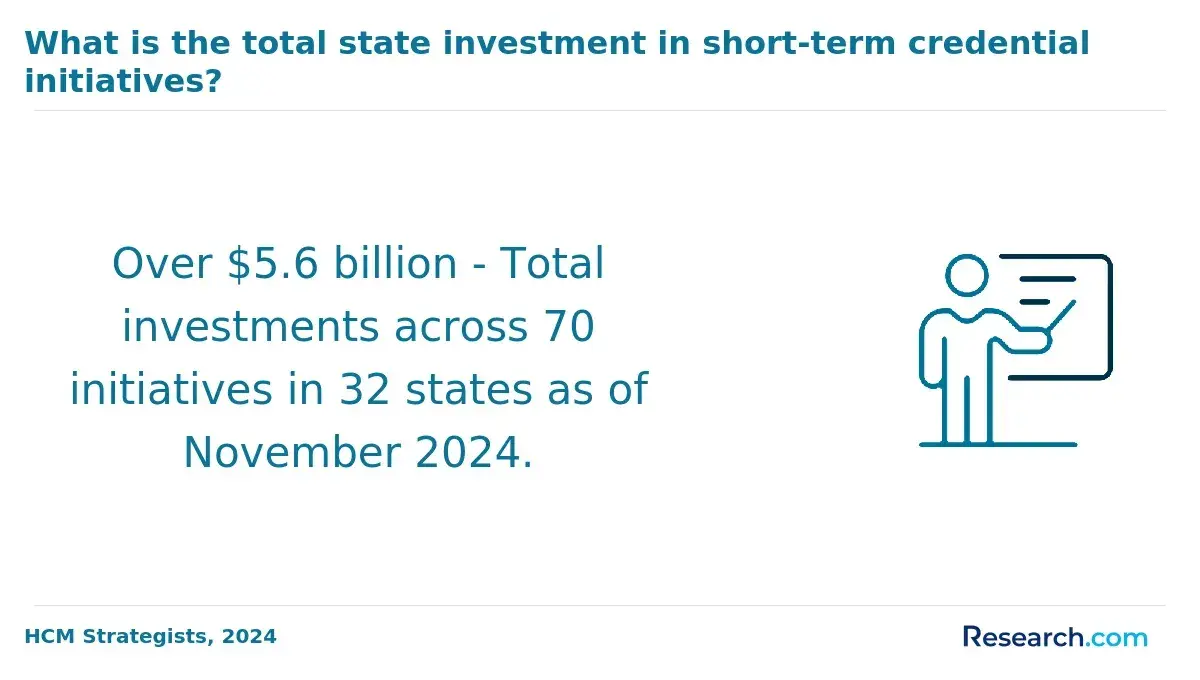
Most salaries in U.S. corporate wellness jobs range from $52,500 to $82,000 annually, with an average around $71,319, reinforcing that specialized kinesiology education with practical wellness and data competencies adds tangible value over general kinesiology degrees.
Flexibility is essential since working professionals often require asynchronous coursework and clear specialization paths. Those unable to pursue graduate degrees should consider industry-recognized certifications such as NACW or CHWL to improve employability. Also consider exploring options like a health care administration degree for roles intersecting health management and corporate wellness.
Integrating the best kinesiology degrees for careers in workplace health and wellness with targeted certifications and hands-on experience remains the most strategic approach for career advancement in this competitive sector.
Which accreditation and institutional approvals should online kinesiology programs have for corporate wellness work?
Programs offering online kinesiology program accreditation for corporate wellness must go beyond generic recognition by holding regional accreditation acknowledged by the U.S. Department of Education or the Council for Higher Education Accreditation. This baseline ensures degrees maintain market credibility and satisfy employer standards, a non-negotiable when shifting into corporate wellness roles.
For example, a healthcare professional pivoting to a wellness program manager role must verify that their approved kinesiology degrees recognized for corporate wellness careers include institutional approvals such as those from the Higher Learning Commission or WASC, which also safeguard eligibility for federal financial aid.
Specialized accreditation or endorsements from entities like the Commission on Accreditation of Allied Health Education Programs (CAAHEP) add practical value, aligning curriculum with applied kinesiology and wellness industry requirements. Employers in sectors such as technology and insurance often prioritize candidates whose programs clearly demonstrate adherence to contemporary health science and workplace wellness competencies.
Critical program features include verified practicum or clinical components conforming to state licensure or certification prerequisites, especially for tracks in exercise physiology or occupational health. Overlooking these details risks post-graduation credentialing gaps that can impede professional advancement. Integration of certifications recognized by national wellness organizations enhances immediate employability within corporate wellness settings.
Data from the National Association of Colleges and Employers and summarized by Concordia University Chicago reveal an 85% job placement rate within six months for kinesiology bachelor's graduates in 2025, with 90% employed in health-related fields. Students should vet programs for transparent accreditation claims, documented practicum pathways, and employer-aligned affiliations.
Additionally, prospective students might investigate related health-related degrees with career utility, such as BSN online, to expand their strategic options.
What core courses and specializations in online kinesiology degrees align with corporate wellness jobs?
Online kinesiology degrees selective for corporate wellness roles must pivot away from generic coursework to emphasize applied expertise in ergonomics, behavior modification, and occupational health. Employers expect graduates to not only understand exercise physiology and nutrition but also to translate these into actionable workplace programs that reduce injury and boost morale.
For instance, a kinesiology specialist in a tech firm redesigning workstations based on ergonomic principles can directly lower repetitive strain injuries, a common cause of lost workdays.
The practical value of programs offering integrated internships or capstone projects cannot be overstated; students without real-world experiential learning often struggle to implement theoretical concepts effectively in corporate environments.
Additionally, given the rising prevalence of workplace wellness initiatives, up from 75% to 83% among U.S. employers, proficiency in wellness program administration, biometric data analysis, and motivational interviewing differentiates candidates competing for limited roles.
A strategic focus on specializations such as chronic disease prevention and mental health aligns with the diverse risk profiles found in sectors like finance and manufacturing. However, weighing tradeoffs between breadth and depth is essential: programs heavy on theory with limited practical components may delay employability and limit immediate impact within evolving corporate wellness frameworks.
What are the typical admission requirements and prerequisites for online kinesiology programs?
Online kinesiology programs demand a blend of scientific readiness and practical know-how, reflecting employer expectations in corporate wellness roles. Candidates typically need a high school diploma or equivalent, alongside foundational college coursework in biology, anatomy, and physiology.
These prerequisites are critical because corporate wellness positions require a nuanced grasp of human movement to effectively influence health outcomes and return on investment.
Standardized test scores like the SAT or ACT are often optional, replaced by GPA or prior college-level credits, which correlate better with success in accelerated online environments. Work experience or certifications in health and fitness bolster applications but rarely substitute academic requirements.
Programs typically enforce a minimum GPA of 2.5 to 3.0, underscoring the importance of consistent academic discipline to handle research-focused and data-driven content. Letters of recommendation or statements of purpose may be required, especially for advanced roles emphasizing leadership or specialized wellness strategies.
Given the high-stakes financial impact, where companies can see $1.50-$3.00 savings per dollar invested in wellness, the curricula emphasize statistics and health data literacy to equip students with quantitative skills necessary for program design and evaluation. Additionally, logistical constraints such as reliable internet access and ability to participate in synchronous labs or local practicums must be weighed realistically by applicants.
How long do online kinesiology degrees take and what do they typically cost?
The typical duration for online kinesiology degrees ranges from 18 to 36 months, shaped largely by whether students choose a full-time or part-time pace. Master's programs usually demand 30 to 40 credit hours, a volume suited to professionals balancing education with ongoing employment.
For example, a human resources professional transitioning into corporate wellness might prioritize a 24-month program costing around $15,000, which provides a manageable balance between depth of study and work commitments.
Tuition generally falls between $10,000 and $20,000, with per-credit costs from $230 to $475 based on recent EduMed data. These figures typically reflect accredited programs valued by employers expecting robust credentials in health and occupational wellness settings. Additional expenses, such as textbooks, tech fees, and occasional on-site practicums, can increase total investment and should not be underestimated.
Choosing a faster-paced route often requires accepting higher per-credit rates and a heavier workload, risking burnout and potentially compromising learning quality. Employers increasingly demand evidence of rigorous preparation, which often aligns with accredited programs in this price range rather than lower-cost alternatives that may lack comprehensive training.
Prospective students must weigh the tradeoff between duration, cost, and program rigor to ensure alignment with their long-term career objectives within kinesiology-related wellness roles.
What corporate wellness roles can you pursue with an online kinesiology degree?
Roles stemming from an online kinesiology degree range widely, from corporate wellness coordinator to medical and health services manager, each requiring distinct skill sets and operational focus. For instance, a corporate wellness coordinator concentrates on designing and managing employee fitness initiatives within industries like technology or manufacturing.
In contrast, medical and health services managers take a broader organizational view, handling budgeting, compliance, and multi-staff coordination. This differentiation impacts the choice of specializations within kinesiology programs, as those emphasizing health promotion or management offer a stronger foundation for navigating administrative responsibilities and business-oriented challenges.
According to Houston Christian University's summary of Bureau of Labor Statistics data, related fields like medical and health services management are projected to grow by 28% between 2022 and 2032, signaling sustained demand.
Practical employment success increasingly demands competencies beyond kinesiology fundamentals, including data analysis and proficiency with wellness technologies, to demonstrate quantifiable improvements in health outcomes. Without these skills, candidates may face obstacles entering upper-level roles focused on wellness program effectiveness and cost management.
Cross-sector differences further shape workforce readiness; healthcare settings require clinical insights, whereas corporate offices prioritize engagement strategies and budget control.
Choosing an online kinesiology program should involve scrutiny of curricula that integrate applied training in wellness program design, health policy, and leadership. Graduates need competencies that mirror evolving employer expectations, blending evidence-based interventions with operational management to convert kinesiology knowledge into tangible organizational impact.
What salary ranges and job outlook can kinesiology graduates expect in corporate wellness?
Starting salaries for kinesiology graduates in corporate wellness typically fall between $45,000 and $65,000, influenced by factors such as location and employer scale. Career advancement is evident, with mid-to-senior roles like wellness program managers earning $78,153 to $137,244, according to the 2023 U.S. Wellness Professional Compensation Report.
However, graduates entering smaller firms or non-profits may encounter slower wage growth and fewer leadership opportunities, which can constrain long-term advancement.
Employers seek candidates with concrete skills in health assessment, program design, data analytics, and behavior change methods. Graduates without these competencies often require additional certifications or practical training to progress, which delays salary increases.
For instance, a new wellness coordinator might start below $50,000, but integrating kinesiology background with project management can raise earnings beyond $80,000 within three years.
Industries such as technology, finance, and healthcare are more likely to offer higher pay and leadership tracks. The growing corporate emphasis on employee well-being supports job demand, yet competition for senior roles necessitates deliberate skill development, continuous education, and networking.
How do certifications and continuing education strengthen a kinesiology-based corporate wellness career?
Certification and ongoing education function as practical differentiators in kinesiology-related corporate wellness roles, where validated expertise increasingly dictates employability and compensation. Professionals lacking credentials in areas like biometric analytics or virtual wellness design face real risks of marginalization as the sector rapidly incorporates digital solutions.
According to data from the Grand View Research Digital Corporate Wellness Report, the market grows at over 10% annually through 2030, reflecting sustained employer demand for tech-savvy specialists.
Consider a wellness coach versed in wearable technology: this expertise supports hybrid workforce initiatives more effectively than peers without such skills, directly impacting program outcomes and salary negotiations. Employers expect demonstrable, current knowledge to justify expanded roles especially when wellness solutions depend on interpreting complex health data.
Practical tradeoffs involve balancing certification time and costs against immediate job pressures, making targeted credentials, for example, ergonomic certification for manufacturing or mental health first aid for tech sectors, more strategically valuable.
Key operational benefits include:
- Clear demonstration of competency to employers
- Access to specialty networks and leadership tracks
- Ability to customize interventions for diverse corporate environments
Without these qualifications, kinesiology professionals risk stagnation amid fast-evolving workplace health technologies and shifting employee needs.
Other Things You Should Know About Kinesiology
Employers in corporate wellness increasingly value practical experience alongside academic credentials. An online kinesiology degree can meet educational expectations if it includes hands-on components like internships or applied projects. Programs lacking these experiential elements may require supplementing with additional workplace training or certifications to match employer standards.
Online kinesiology programs vary in intensity, but most require 10-15 hours weekly for coursework, labs, and assignments, which can be challenging alongside full-time employment. Students should prioritize programs offering flexible pacing or part-time options to balance work and study without compromising learning outcomes. Overloading can risk delays in graduation and reduced absorption of critical skills.
In 2027, online kinesiology programs are increasingly emphasizing both exercise science and health promotion. They adapt curricula to include holistic wellness strategies, digital health tools, and corporate wellness programming to address the industry's evolving demands. This balance ensures graduates are well-prepared for varied corporate wellness roles.
Accelerated kinesiology programs reduce time to degree but intensify the learning pace, potentially limiting opportunities for practical application and networking. While faster completion aids quick entry into the workforce, traditional timelines allow deeper mastery and professional relationship building. Prospective students should weigh immediate workforce needs against the long-term value of comprehensive preparation.
References
- The Best Education Pathway for Success in the Fitness Industry - IDEA Health & Fitness Association https://www.ideafit.com/the-best-education-for-success-in-the-fitness-industry/
- What Can I Do in My Career With a Master’s in Kinesiology? https://www.pointloma.edu/resources/health-sciences/what-can-i-do-my-career-masters-kinesiology
- ACE - Certified: Special Career Issue - The Future of Corporate Wellness: A Guide for Health and Exercise Professionals https://www.acefitness.org/continuing-education/certified/special-career-issue/7359/the-future-of-corporate-wellness-a-guide-for-health-and-exercise-professionals/
- Online Kinesiology Degree Programs: Review Top Schools https://www.edumed.org/online-schools/kinesiology-degrees/
- Continuing Education for Professional Growth https://acsm.org/continuing-education-for-professional-development/
- Continuing Education https://www.corporatewellnesscertification.com/continuing-education
- Kinesiology - Wellness Management (BS) | Houston Christian University https://hc.edu/nursing/degrees/kinesiology-wellness-management/