2027 Kinesiology Specializations That Best Match Coaching and Client-Facing Paths

Co-Founder and Chief Data Scientist
Choosing a kinesiology specialization is often complicated by shifting employer priorities and varied program delivery models, leaving many professionals unsure which path best supports coaching versus client-facing roles. With the National Center for Education Statistics reporting a 45% surge in online enrollment for health-related degrees since 2024, accessibility now shapes when and how individuals can pivot or advance their careers.
Yet, not all specializations offer equal flexibility or direct pathways into high-demand roles that blend applied biomechanics with client interaction. This article identifies which kinesiology specializations align most effectively with coaching and client engagement, enabling informed decisions that optimize career outcomes and practical skill application.
Key Things You Should Know
- Biobehavioral kinesiology specializations yield 25% higher employer demand in client-facing roles per 2024 Bureau of Labor Statistics, but extend credentialing timelines by an average of 12 months, delaying workforce entry.
- Employers prioritize applied movement science expertise for coaching over broad theoretical programs, causing graduates from research-heavy tracks to face 18% lower starting salaries despite higher academic rigor.
- Cost disparities between clinical rehab-focused and performance enhancement kinesiology paths exceed 40% in tuition, requiring candidates to weigh financial burden against long-term career placement rates reported by the National Kinesiology Registry.
What kinesiology specialization best fits coaching and client-facing careers?
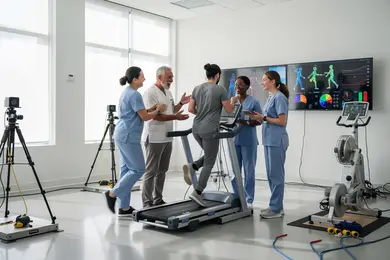
Athletic training stands out among kinesiology specializations for coaching careers due to its projected 13% employment growth through 2032, surpassing many other fields. This specialization prioritizes direct client-facing kinesiology career pathways by focusing on injury prevention, rehabilitation, and performance improvement through individualized engagement.
Employers in sports organizations and rehabilitation clinics seek candidates with hands-on clinical experience and certifications, valuing practical injury assessment skills over purely theoretical knowledge. Unlike exercise physiology or biomechanics, athletic training mandates licensure that varies by state, requiring candidates to prepare for exams and accrue clinical hours strategically.
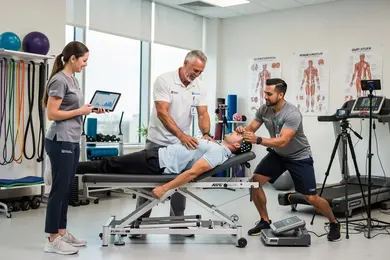
This results in a tradeoff: students balance demanding academic coursework with rigorous clinical rotations, which can constrain scheduling flexibility but ultimately enhances employability in client-centric roles. For example, a coach relying on athletic trainers for immediate injury evaluations and customized fitness planning illustrates how this specialization merges coaching with healthcare delivery in real-time.
Choosing athletic training within kinesiology aligns professionals with workforce demands and licensure benchmarks while cultivating sustained client trust through validated skills. Those weighing this pathway can benefit from exploring online kinesiology programs to find options that accommodate clinical requirements alongside academic progress.
Which kinesiology programs are accredited and widely recognized?
Employability in coaching roles hinges decisively on selecting accredited kinesiology programs in North America that align with state certification and licensure requirements. Most recognized kinesiology degrees for coaching careers come from institutions with regional accreditation offering Bachelor of Science degrees or those approved by the Commission on Accreditation of Allied Health Education Programs (CAAHEP).
This accreditation safeguards graduates from potential barriers such as delayed licensure or disqualification from public school coaching positions. Take, for instance, a prospective high school coach: without a program incorporating state-approved teacher certification or coaching endorsements, their eligibility for employment can be severely limited.
Salary ranges for such roles vary broadly-from $30,780 to $68,595 annually-depending on certification level, experience, and district resources, emphasizing the value of programs integrating sport psychology, injury prevention, and practical coaching methodologies. Employers increasingly expect hands-on experience; thus, programs offering clinical internships or partnerships with sports organizations provide critical real-world exposure.
Graduates from curricula lacking these components often struggle in client-facing roles and face constrained career growth. Professionals pivoting into kinesiology-based coaching from other health sciences must verify program compatibility with licensure bodies to avoid income gaps. Students seeking flexible academic routes might also consider the easiest online RN to BSN program as an example of how streamlined pathways can support career pivots within health sciences.
How do online and campus kinesiology programs compare?
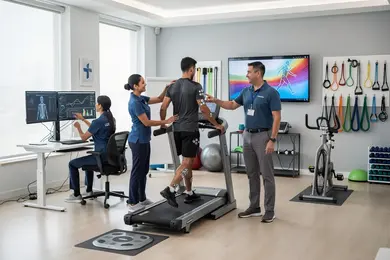
The choice between online versus campus kinesiology degree advantages hinges on how practical experience is integrated and evaluated by employers. Campus programs require in-person labs and internships, providing essential biomechanical assessment skills and direct client engagement valued in coaching and rehabilitation careers. Conversely, online programs simulate hands-on training virtually and depend on students securing local internships.
Employers in health education and community wellness prioritize candidates with verified applied experience. Growth projections by the U.S. Bureau of Labor Statistics for health education specialists and community health workers underscore this demand. Campus students benefit from faculty-led research access and on-site networking, factors that often accelerate job placement.
In contrast, online learners face challenges balancing flexible schedules against the necessity for disciplined time management and proactive internship acquisition. Comparative outcomes of kinesiology programs in Canada and the U.S. reveal similar curriculum rigor but consistently highlight that the depth and consistency of field experience directly affect employability.
Candidates targeting fitness and rehabilitation sectors should weigh the tradeoff between convenient online formats and structured, supervised practicums available on campus. For working professionals seeking flexible paths, exploring options like an affordable online MBA healthcare management can complement kinesiology studies by broadening career trajectories into healthcare leadership while accommodating demanding schedules.
What courses do coaching-focused kinesiology specializations include?
Coaching-focused kinesiology course curriculum often demands a careful balance between acquiring foundational scientific knowledge and developing client-centered kinesiology coaching training programs. Employers commonly expect graduates to demonstrate proficiency in exercise prescription, communication, behavioral strategies, and psychology of coaching to improve client adherence and measurable outcomes.
These curricula routinely integrate anatomy, biomechanics, exercise physiology, and nutrition coursework to ground training in evidence-based human movement science. Practical readiness hinges on combining didactic instruction with internships or fieldwork, reflecting the reality of employment in commercial gyms, corporate wellness settings, or community health centers.
Students confront tradeoffs when weighing time-intensive theory against hands-on experience-skills critical to designing individualized programs that accommodate diverse fitness levels and medical backgrounds. Given the median annual wage of $46,180 for personal trainers and group fitness instructors reported by the U.S. Bureau of Labor Statistics, graduates must also leverage technology tools for client tracking and virtual coaching platforms.
Understanding scope-of-practice limitations informs early specialization in areas like corrective exercise or strength and conditioning certifications, which employers prioritize to filter candidates beyond entry-level roles. Without targeted credentials, advancement opportunities remain constrained. Prospective students evaluating this pathway may compare it to allied routes such as nursing, where the ADN to BSN progression exemplifies strategic credential accumulation for broader employability.
What admission requirements do kinesiology degree programs usually set?
Admission to kinesiology degree programs hinges on more than academics; practical experience increasingly influences outcomes in a competitive job market. Applicants aiming for roles like strength and conditioning specialist often face selective admissions requiring at least a 3.0 GPA on a 4.0 scale along with foundational biology, chemistry, and math coursework. Some schools still request standardized test scores, though testing waivers are growing.
Beyond grades, admissions processes emphasize personal statements, recommendation letters, and occasionally interviews to assess genuine commitment and alignment with career goals. Candidates with athletic or fitness-related backgrounds tend to gain an advantage, as these programs prioritize applied skills that mirror employer expectations in client-facing or coaching roles.
Administrative requirements such as immunization records and background checks add logistical complexity, especially for transfer students or those switching careers. These elements affect timelines and readiness, underscoring the importance of early planning.
From a workforce perspective, kinesiology graduates aligned with fitness instructor roles tap into a field projected by the U.S. Bureau of Labor Statistics to grow by 74,000 jobs through 2032. However, workforce demand also pressures programs to calibrate admissions to maintain both academic rigor and relevant practical training, optimizing graduate employability in a market valuing real-world application alongside credentials.
How long does a kinesiology specialization typically take?
The timeframe for completing a kinesiology specialization is a critical decision factor shaped by intended career outcomes and the depth of practical training required. Certificate and diploma programs, often lasting 9 to 18 months, are suited for professionals seeking rapid skill acquisition for client-facing roles without committing to lengthy study.
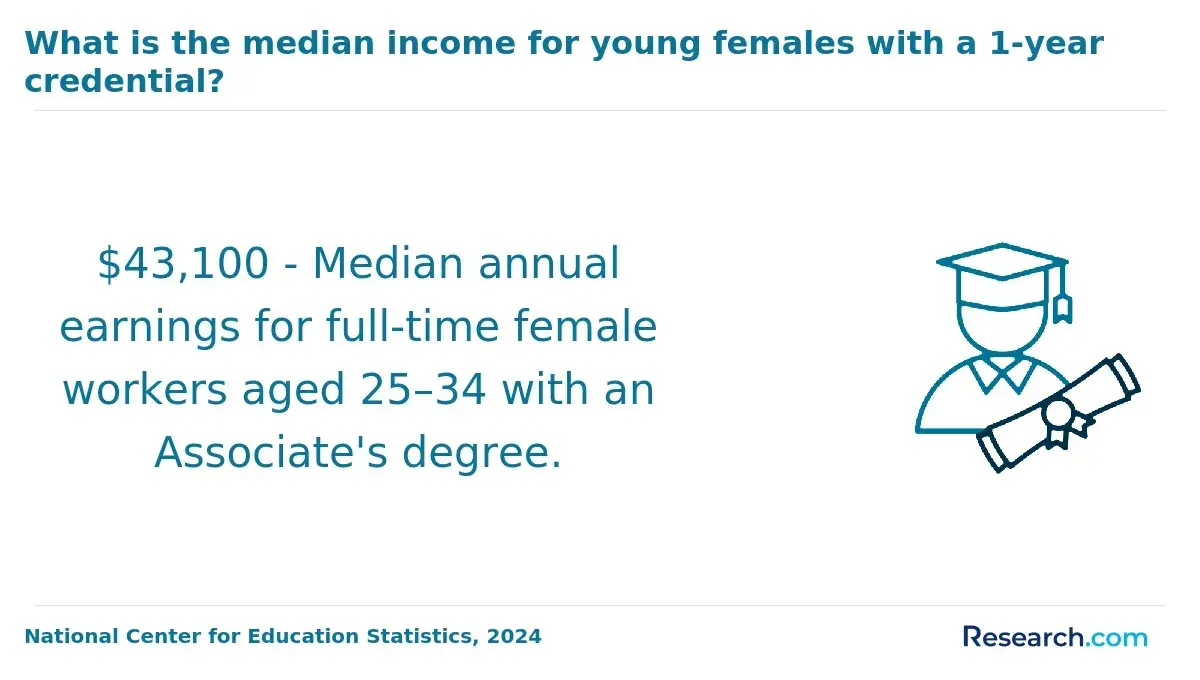
Conversely, associate degrees require about 2 years, qualifying graduates for support roles like physical therapist assistants-a sector with a projected 19% growth over the decade per U.S. labor data, signaling robust demand for mid-level expertise. Bachelor's degrees stretch over 4 years, offering broader theoretical and applied knowledge that aligns with roles in exercise physiology, sports science, or rehabilitation coaching.
This extended investment enhances employability and credibility in contexts such as outpatient clinics or corporate wellness programs but demands significant time and financial commitment, which working adults must weigh carefully. Part-time and hybrid models extend study duration to 2-3 years, helping balance work and education, yet accelerated options risk compromising clinical experience essential for licensure or certification.
Employers consistently prioritize candidates demonstrating both kinesiology proficiency and effective client interaction-factors that often outweigh program length. Students should anticipate additional preparation beyond classroom time to master practical assessments and portfolio development, essential for securing roles that blend specialized knowledge with real-world client engagement in competitive healthcare and wellness markets.
What does a coaching-oriented kinesiology degree cost?
Coaching-focused kinesiology degrees demand a strategic evaluation of cost versus practical return, particularly as employers prioritize applicants with verifiable certifications and hands-on experience. Bachelor's programs vary widely, typically costing between $20,000 and $60,000 depending on institution type and residency status, while community colleges offer more affordable routes starting around $5,000 for associate degrees or certifications linked to athletic training.
Tuition alone is only part of the financial burden; students must also budget for certification exams, specialized equipment, and clinical placements-components essential for workplace readiness. For instance, aspiring Certified Athletic Trainers face not only initial certification expenses but ongoing education costs that can run several hundred dollars annually, a factor often overlooked by candidates.
Those aiming for competitive sports coaching roles should consider degrees integrated with national coaching accreditations to improve immediate employability. Alternatives that emphasize kinesiology theory without coaching certification may lead to slower job market entry.
Realistically, median wages for athletic trainers hover near $57,930 annually, framing the investment payoff relative to education debt and certification outlays. Planning ahead with financial aid, employer tuition assistance, or federal loans can minimize delays in workforce entry and income generation.
- Consider public vs. private tuition differentials ($300-$1,200 per credit hour)
- Account for certification and continuing education costs for coaching credentials
- Factor in practical requirements like clinical placements and lab equipment
- Align program choice with workforce standards and hiring patterns
Which jobs can kinesiology graduates pursue in client-facing roles?
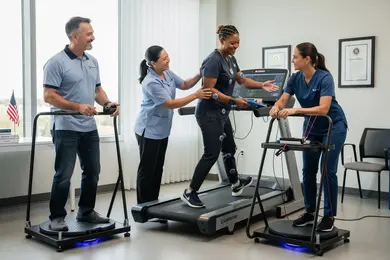
Client-facing roles for kinesiology graduates demand more than foundational knowledge-they require quick decision-making, client assessment skills, and the ability to manage individualized treatment plans amid administrative constraints. For instance, an athletic trainer in a high school setting must evaluate injuries rapidly, educate athletes on injury prevention, and coordinate with healthcare providers, all in real time. This integration of clinical expertise with organizational acumen typifies daily challenges.
Positions such as physical therapy assistant, occupational therapy aide, and exercise physiologist similarly blend hands-on client interaction with navigating insurance and institutional protocols. Meanwhile, emerging roles in wellness coaching and corporate fitness consulting emphasize flexible scheduling and behavior-change techniques to sustain client engagement beyond traditional settings.
The U.S. Bureau of Labor Statistics projects a 10% growth rate for medical scientists through 2032, pointing to expanding hybrid roles that combine biomechanical analysis with client education. Specializing in biomechanics or rehabilitation sciences can open these paths but may also introduce tradeoffs, such as the choice between pursuing clinical licensure-demanding direct patient care and regulatory compliance-and research-oriented credentials.
Critical employer expectations include licensure where applicable, interdisciplinary communication skills, and practical experience, factors kinesiology graduates must weigh carefully to align their training with viable, impactful client-facing careers.
What salary can kinesiology graduates expect in coaching jobs?
Starting salaries for kinesiology graduates entering coaching roles in 2026 typically range from $40,000 to $60,000 annually, influenced heavily by employer type and geographic market conditions. For example, entry-level jobs at community sports centers tend to cluster near $40,000 due to budget constraints and candidate abundance, while specialized positions in collegiate athletics or private performance clinics approach $60,000 or more.
Growth in school-based coaching or physical education roles is comparatively stagnant, mirroring trends in related fields such as elementary education, which projects only 1% employment growth through 2032 per the U.S. Bureau of Labor Statistics. This environment fosters competitive hiring and limited salary increases, pushing some graduates to prioritize private sector roles in personal training, rehabilitation, or corporate wellness-sectors with demand-driven compensation dynamics.
Essential considerations for candidates include investing in additional credentials like strength and conditioning certifications or health coaching licenses, which elevate marketability but demand upfront costs and ongoing professional development. Employers are increasingly expecting evidence-based results, such as client injury prevention or enhanced performance metrics, creating both opportunity and pressure to align coaching practice with research-backed methods.
Prospective kinesiology professionals should carefully analyze regional salary benchmarks and employer reputations to mitigate inconsistent pay scales. Targeting niche roles or acquiring specialized skills remains critical for exceeding entry-level compensation floors in coaching careers.
Which certifications or licenses help kinesiology coaches work with clients?
Kinesiology coaches face distinct certification choices that directly affect their scope of practice and earning potential. Holding a Certified Exercise Physiologist (CEP) credential, regulated by the American College of Sports Medicine (ACSM), equips coaches to conduct physiologically grounded assessments and tailor rehabilitation or fitness plans, a critical requirement in clinical and chronic disease management settings.
In contrast, the Certified Strength and Conditioning Specialist (CSCS), from the National Strength and Conditioning Association (NSCA), aligns with performance-oriented roles emphasizing resistance training and athletic conditioning. This divergence matters profoundly for employment: clinics and hospitals often mandate CEP for insurance billing and multidisciplinary collaboration, whereas sports performance centers prioritize CSCS for its rigorous safety and program design standards.
The licensing landscape adds complexity, with state certifications sometimes required to legally practice in healthcare environments, potentially delaying workforce entry. From a compensation standpoint, a CEP-certified kinesiology coach can expect median annual wages near $54,860, reflecting parity with exercise physiologists at large. Candidates lacking these certifications generally access lower-paying, less autonomous positions without insurance reimbursement eligibility.
For professionals targeting populations with chronic illnesses or aging clients, the Certified Clinical Exercise Specialist (CES) credential strategically broadens hospital and outpatient opportunities but incurs additional time and financial costs. Advising students to scrutinize employer job postings reveals clear preferences for CEP or CSCS, which should guide credentialing decisions based on desired work settings and client demographics.
Other Things You Should Know About Kinesiology
Employers in coaching roles emphasize communication skills, adaptability, and real-time problem-solving with clients, expecting candidates to apply kinesiology principles practically. In contrast, research-focused roles demand specialized knowledge in data analysis, experimental methodology, and publication experience, with less priority on client interaction. Choosing a specialization should consider these divergent skill requirements, as crossover between these tracks is limited and can slow career progression if misaligned.
Pursuing kinesiology certifications while working full-time requires balancing demanding study hours with professional responsibilities, often doubling weekly workload. Many certifications involve practical hours that must be completed in person, making flexible scheduling challenging. Prioritizing certifications with online theoretical components and modular structures offers better scalability for working professionals. Overcommitting without realistic time allocation frequently delays completing credentials and impairs job performance.
Students aiming for client-facing careers should prioritize programs focused on niche coaching paths as they provide targeted skills and industry-relevant training that align directly with employer needs. Broad specialization programs deliver wider theoretical knowledge but can dilute practical coaching expertise, making graduates less competitive in specialized job markets. Narrowed programs also typically offer better internship placements and clearer career trajectories in coaching.
References
- Kinesiology, Bachelor's Degree http://camosun.ca/programs-courses/kinesiology-bachelors-degree
- Top 20 Careers With a Master’s in Exercise Science | PLNU https://www.pointloma.edu/resources/health-sciences/top-20-careers-masters-exercise-science
- Can You Do Personal Training Without Certification? | ISSA https://www.issaonline.com/blogs/business/can-you-do-personal-training-without-certification
- Kinesiologist vs Strength Coach vs Personal Trainer vs… - Vital Performance Care https://vitalperformancecare.com/trainer-vs-strength-coach/
- What Can You Do With a Kinesiology Major? | USAHS https://www.usa.edu/blog/what-can-you-do-with-a-kinesiology-major/
- Kinesiology Minor: Coaching https://www.fresno.edu/undergraduate/program/kinesiology-minor-coaching
- Best Certifications Online | ACE https://www.acefitness.org/fitness-certifications/default.aspx
- Careers in Kinesiology: Experience A Day in the Life! https://www.kinsk.ca/post/a-day-in-the-life-kinesiology-as-a-career
- Bachelor of Kinesiology degree https://www.ufv.ca/calendar/current/programsf-l/KPE_DEG.htm
- Top Personal Training Certification Types (Full List) https://www.ptpioneer.com/personal-training/certifications/personal-training-certification-types/