2027 Kinesiology Specializations for Human Performance Careers

Co-Founder and Chief Data Scientist
Professionals aiming to specialize in human performance often confront a fragmented landscape of program options that differ widely in focus, delivery, and industry alignment. With the National Center for Education Statistics reporting over a 40% increase in online and hybrid enrollment among adult learners pursuing health-related degrees since 2022, accessibility and scheduling flexibility have become pivotal concerns. This shift reveals that many candidates prioritize programs accommodating ongoing employment and geographic limits, yet such flexibility can come at the cost of hands-on experience crucial for employer readiness. Navigating these trade-offs decisively impacts both career entry timing and long-term mobility.
This article examines key kinesiology specializations tailored for human performance careers, evaluating their relevance, delivery modes, and practical outcomes to guide informed decisions aligned with evolving professional demands.
Key Things You Should Know
- Specializations emphasizing applied biomechanics yield 18% higher early-career salaries but require extended internships, delaying full-time employment by 6+ months compared to exercise physiology tracks, per 2025 Bureau of Labor Statistics data.
- Employer surveys from the National Kinesiology Association in 2024 reveal preferences for candidates with integrated data analytics certifications, yet only 22% of existing programs embed this, creating a skill gap impacting job placement success.
- Advanced certifications in neuromotor rehabilitation cost 30% more on average and extend credentialing timeframes by one year, necessitating strategic financial planning versus faster, lower-cost options linked to sports performance specialties.
What are the main kinesiology specializations focused on human performance and how do they differ?
Choosing among kinesiology specializations for human performance careers involves critical tradeoffs between clinical interaction, analytical rigor, and physical activity demands. Applied exercise physiology is oriented toward enhancing athletic performance and rehabilitation by focusing on physiological responses to exercise. Its practical applications-such as developing conditioning programs for cardiovascular or muscular endurance-are in demand across rehabilitation clinics and professional sports teams. This path offers a median annual wage around $58,160 and a projected 9% job growth over the next decade.
Motor control and learning distinguishes itself by prioritizing the neural mechanisms behind movement acquisition and refinement, a focus essential in therapeutic settings like physical and occupational therapy. This specialization demands strong patient communication skills and involves designing interventions for motor skill recovery after injury or neurological conditions.
Biomechanics applies physics and engineering principles to analyze human movement and posture, often supporting ergonomic design and injury prevention efforts. Its quantitative, research-intensive nature suits careers in product development rather than direct patient care, requiring advanced data interpretation skills valued in specialized research environments.
Therefore, when evaluating differences between kinesiology focus areas in human performance, students must consider if they prefer clinical or research roles, hands-on patient work, or analytical positions. Navigating employer expectations and the physical demands of day-to-day work is essential. Those exploring interdisciplinary options may also find it valuable to review the best online registered dietitian programs as complementary health education paths.
Which kinesiology degrees best prepare you for human performance careers?
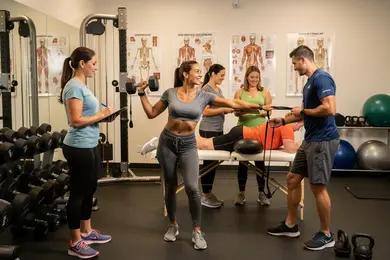
Degrees that combine exercise science, strength and conditioning, and tactical performance provide candidates with applied physiology and sport-specific training strategies essential for human performance careers. Graduates holding practical certifications such as Certified Strength and Conditioning Specialist (CSCS) embedded in their curricula stand out when pursuing roles involving athlete training or rehabilitation, where employers demand demonstrable results.
Programs focused predominantly on biomechanics or motor control theory often fall short in preparing students for immediate employment due to limited applied training. In contrast, kinesiology degrees for human performance careers that incorporate internships or collaborations with sports teams, rehab centers, or tactical units enable students to gain hands-on experience crucial for workforce readiness and job placement.
Salary data supports this specialization's value: Certified strength and conditioning specialists typically earn between $68,089 and $98,564 annually, according to Concordia University Chicago's synthesis of BLS and PayScale data. This underscores the premium placed on applied skill sets relevant to collegiate athletics, professional sports, and law enforcement.
Decision-makers should weigh programs on the basis of current, recognized certifications alongside real-world practicum opportunities rather than broader kinesiology degrees lacking direct alignment with industry expectations. For professionals exploring an accelerated career transition, considering options such as accelerated PMHNP programs online may present alternative pathways tailored to specific workforce demands.
Best Canadian kinesiology programs for sports performance often emphasize these practicum-intensive, applied approaches, proving instructive for U.S. students prioritizing job-ready skills and measurable performance outcomes.
What human performance careers can you pursue with a kinesiology specialization?
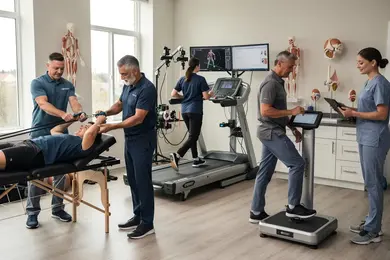
Human performance careers with a kinesiology specialization demand a nuanced balance between technical expertise and applied practice. Professionals often operate at the intersection of biomechanics, exercise physiology, and rehabilitative science, with roles ranging from clinical exercise specialists to sports biomechanists and occupational ergonomists. These positions require familiarity with advanced movement analysis software, physiological data interpretation, and evidence-based intervention strategies to meet employer expectations.
For example, a sports biomechanist working with elite athletes integrates wearable sensor technology to monitor joint loading, influencing training modifications that reduce injury risk and improve performance outcomes. Such roles emphasize interdisciplinary collaboration with physiotherapists, coaches, and sports scientists, highlighting the importance of both data analytics and practical application. Conversely, entry-level rehabilitation jobs typically emphasize foundational kinesiology knowledge paired with certification in clinical exercise prescription.
The Alberta labor market reports average annual earnings near $65,406 for kinesiologists and related professionals, reflecting strong demand for specialization in movement analysis. However, U.S.-based students should carefully consider varying state certification requirements and employer priorities when planning their career paths in kinesiology specialization career opportunities in human performance.
Decision-making often involves weighing a focus on cutting-edge technologies, requiring ongoing training, against roles centered on direct patient care with interpersonal skill demands. Gaining practical experience through internships or practicums remains critical to demonstrating applied kinesiology competence in human performance careers with a kinesiology specialization.
Those interested in further strategic advancement might explore an MBA healthcare to integrate management expertise with clinical and performance knowledge.
How do online kinesiology programs for human performance compare to campus-based options?
Online kinesiology programs versus campus-based human performance degrees reveal a critical divide in practical training and career readiness. While digital instruction allows flexibility and specialized coursework access across locations, it often lacks the structured hands-on clinical practicum essential for roles in physical or occupational therapy-fields with strong wages ($101,020 and $98,340 median respectively in May 2024) and healthy job growth (14% and 11% through 2033).
Campus-based programs embed direct interaction with patients and interdisciplinary teams, supporting skill development in cardiac rehabilitation and performance enhancement. In contrast, students in online kinesiology programs frequently struggle to secure quality clinical placements independently, which can delay licensure and reduce immediate employability-employer preferences generally favor candidates with demonstrable in-person training and real-time assessment opportunities.
Considering the flexibility and effectiveness of distance learning in kinesiology for performance careers, hybrid models offering on-site practicum with online theory emerge as pragmatic solutions. However, these require proactive planning and strong institutional partnerships to mitigate experiential learning gaps.
Prospective students aiming for a strategic pivot should also examine program facilitation of clinical hours alongside digital coursework to avoid sacrificing practical readiness. Compared to traditional pathways, the tradeoffs in networking and employer perceptions remain pivotal factors in workforce outcomes.
For those evaluating alternatives, including other healthcare education, exploring MSN programs online may provide complementary routes depending on career objectives.
What courses and lab experiences are included in human performance-focused kinesiology programs?
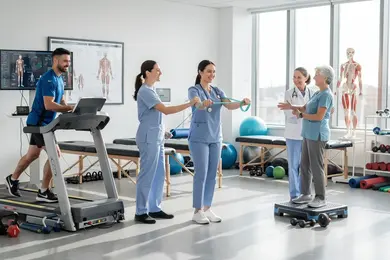
Focusing on human performance within kinesiology demands balancing intensive theoretical coursework with hands-on laboratory and clinical experiences, often stretching students' time management and practical capacities. Mastery of biomechanics, metabolic health, and performance nutrition is essential for professionals tasked with designing interventions that optimize recovery and function across diverse populations-ranging from elite athletes to older adults managing chronic diseases.
Graduates encounter real-world applications such as conducting functional movement screens, interpreting body composition data, and administering metabolic tests like VO2 max assessments. These competencies reflect employer expectations in clinical, rehabilitation, and research settings that prioritize data-driven decision-making supported by technologies like motion capture and electromyography.
Nutrition-focused tracks add value by developing expertise in dietetics and supplementation strategies critical to metabolic health management, expanding roles within interdisciplinary teams addressing chronic illness. However, these programs come with logistical challenges including securing internships and meeting certification standards amidst demanding schedules. Those pursuing physician assistant pathways related to kinesiology may find long-term wage benefits, with median salaries near $133,260 and job growth projected at 28% from 2023 to 2033, according to U.S. Bureau of Labor Statistics data cited by research.com.
Prospective students should weigh the intensity of combined academic and applied elements against their career goals, ensuring their program choice aligns with workforce realities and practical upskilling requirements.
What admission requirements and prerequisites do human performance kinesiology programs typically have?
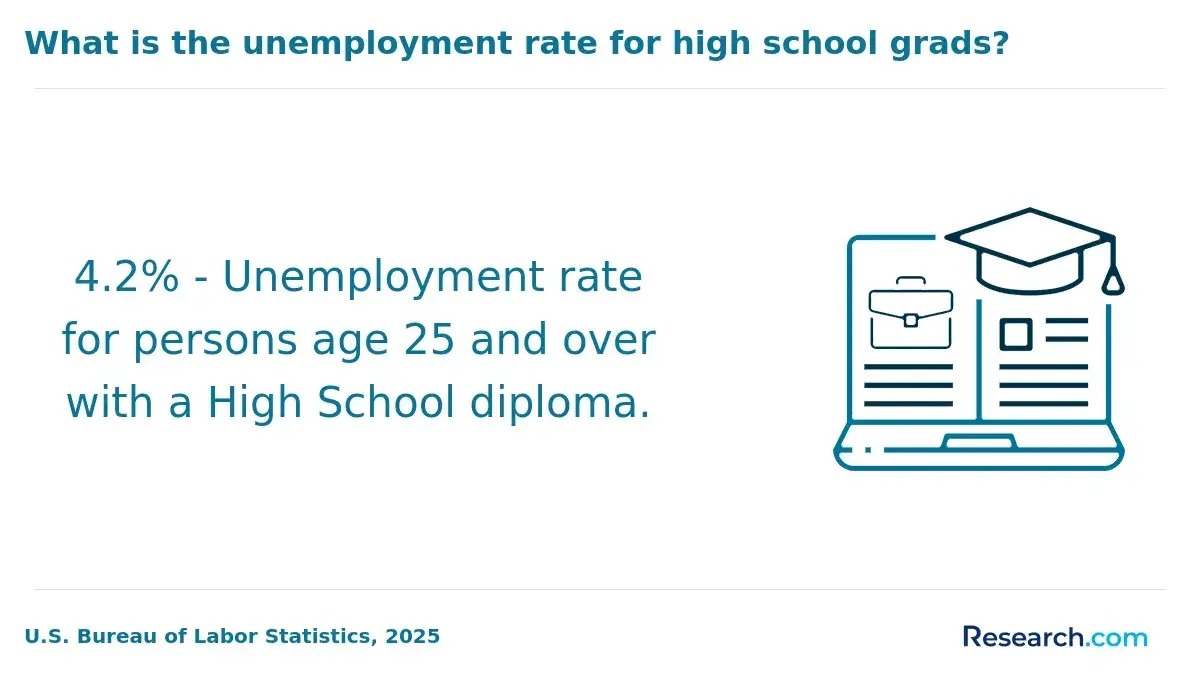
Admission to human performance kinesiology programs demands demonstrated competency in foundational sciences, typically verified through prerequisite courses in anatomy, physiology, and biomechanics. Applicants lacking this background face program extensions, increasing time and financial investment. Institutions commonly require a high school diploma with strong science and math preparation, though prior degrees in related fields may reduce initial coursework requirements if equivalencies are approved.
Standardized test requirements vary, often focusing on science-skills assessments when applied. Successful candidates usually maintain a GPA between 2.8 and 3.5, with an emphasis on science rigor rather than general education. Admissions committees prioritize letters of recommendation that attest to applicants' hands-on experience-such as research involvement, clinical observation, or athletic training-which serve as concrete indicators of readiness for practical learning environments.
Practical exposure significantly influences both admission outcomes and workforce integration. For example, candidates lacking prior lab or clinical experience in exercise physiology may experience slower adjustment periods and reduced employability. This is crucial given workforce data from the Government of Canada Job Bank, which rates demand for kinesiologists as "good" to "very good." Employers favor graduates able to demonstrate mastery of motor control and skill acquisition, underscoring the importance of thorough preparatory education to navigate evolving occupational expectations.
How long do kinesiology specializations take and what do they cost at U.S. colleges?
Choosing between undergraduate and graduate kinesiology specializations requires weighing program length, cost, and workforce alignment. Bachelor's degrees, typically four years with concentrations like sport psychology or mental skills coaching, remain the primary credential for entry-level roles in fitness and health sectors. Employment data show that 85% of these graduates find jobs within six months, with 90% working in relevant health roles, indicating dependable market demand.
Cost structures differ significantly: public universities charge roughly $10,000-$15,000 annually for in-state students, totaling $40,000-$60,000 for the degree. Private institutions may demand $30,000-$50,000 per year, elevating total costs to $120,000-$200,000. Graduate kinesiology programs focusing on advanced clinical skills or high-performance training add $15,000-$30,000 yearly over one to two years, which some consider a faster, less costly route to specialized credentials.
Decision-making should account for practical tradeoffs:
- Those prioritizing quick entry into coaching roles might target shorter certificates or master's programs offering specific employer-aligned skills.
- Applicants aiming for research or clinical careers often benefit from longer programs with labs and internships, despite higher costs and time investment.
Exam fees and preparatory courses for certification add further financial and time considerations, influencing the overall return on investment in kinesiology education.
How do accreditation and program quality affect kinesiology human performance career outcomes?
Accreditation is a critical filter shaping employability and salary trajectories for kinesiology human performance careers. Employers in fields like corporate wellness and ergonomics consistently prefer candidates from accredited programs because such credentials confirm both practical skills and compliance with evolving scientific standards. Graduates from non-accredited or less rigorous programs face longer job searches, slower advancement, and suppressed earnings despite similar theoretical knowledge.
For instance, a working professional targeting mid-level ergonomics roles should invest in fully accredited programs offering recognized specialty certifications. This strategic choice often accelerates salary growth beyond the typical $45,000 entry-level average, moving toward $70,000 mid-career and pushing $85,000 or more when combined with relevant certifications, according to 2025 PayScale and BLS data reported by Concordia University Chicago. Conversely, individuals seeking rapid entry as technicians may select shorter accredited pathways that balance foundational quality with minimal time out of the workforce.
Key considerations when selecting a program include:
- Verifying accreditation with regional or specialized kinesiology bodies
- Assessing employer hiring patterns focused on accredited credentials
- Evaluating cost versus long-term impact on career advancement
Neglecting accreditation can result in degrees undervalued by hiring managers and ineligibility for essential certifications, directly limiting upward mobility and earning potential in this competitive job market.
What certifications or licenses align with kinesiology human performance specializations?
Certifications in kinesiology-related human performance specialties are not interchangeable; their value depends heavily on target employment sectors and practical applicability. For instance, the Certified Strength and Conditioning Specialist (CSCS) credential is frequently required for collegiate and professional sports roles where designing injury prevention and performance programs is essential. By contrast, the Certified Exercise Physiologist (CEP) and Registered Clinical Exercise Physiologist (RCEP) certifications align better with clinical environments focused on rehabilitation and chronic disease management.
Specialty certifications such as USA Weightlifting Coach, Functional Movement Screen (FMS), and Certified Athletic Trainer (ATC) may enhance niche employability but often carry demands for continuous education and practical experience that create barriers for mid-career professionals changing fields. This reflects a critical tradeoff: niche certifications can restrict entry timing but offer targeted value in specific roles.
Licensing remains a distinct hurdle, as many rehabilitative settings mandate occupational or physical therapy licenses beyond kinesiology credentials, limiting mobility for those without a clear licensure pathway. Labor market data from Concordia University Chicago emphasize a tight supply-demand balance in High-Performance Sport Science & Analytics subfields, signaling that certifications enabling immediate employer impact are preferable to broad or undirected certificates.
Cost and time should factor into credential decisions. For example, CSCS requires a bachelor's degree plus $500-$1,000 in exam fees and ongoing recertification every 3-4 years. Candidates are advised to verify employer preferences to optimize the return on investment and avoid redundant certifications.
How do salaries and job outlook compare across human performance careers in kinesiology?
Choosing an educational path in human performance within kinesiology demands careful consideration of salary trajectories, credential requirements, and job market nuances. Entry-level roles like exercise physiologists earn median salaries near $50,280 with moderate job growth (~11%), but advancement beyond this plateau typically requires higher degrees and clinical qualifications.
Doctorate-level credentials open doors to medical doctor roles earning a median of $239,200 annually, albeit with slower projected growth (4%). Alternatively, chiropractic careers offer median salaries around $79,000 and 10% growth, illustrating tradeoffs between income, job availability, and educational investment. These outcomes stress the value of doctoral training not just for salary but for sustained employability in competitive healthcare sectors.
Careers in sports psychology or physical therapy vary widely, with salaries between $70,000 and $100,000 depending on licensure and clinical environment, alongside growth rates from 6% to 13%. However, kinesiology specializations without direct clinical credentials risk slower hiring and wage stagnation. Employers increasingly demand certifications complemented by interdisciplinary knowledge, making credential alignment with healthcare fields essential.
Prospective students must balance upfront cost and extended timelines of advanced degrees against long-term income and job security. For instance, a master's-level exercise scientist may face early salary plateaus, while pursuing clinical credentials post-master's typically leads to better market positioning-especially supported by demographic trends emphasizing rehabilitative care.
Other Things You Should Know About Kinesiology
The decision to specialize early should depend on your career goals and the nature of your program. Early specialization can deepen technical expertise, which is valuable for roles requiring specific certifications or clinical skills, but it may limit exposure to foundational concepts that employers often seek for versatility. Programs with a well-structured core curriculum before specialization allow for broader understanding and adaptability in the evolving human performance job market, which benefits those uncertain about their niche. If career clarity is present, prioritize programs with focused tracks; otherwise, favor those offering a comprehensive base first.
Employers in human performance roles often prioritize hands-on experience, such as internships, lab work, and clinical practica, over academic credentials alone. A kinesiology degree without substantial applied learning may hinder job placement, especially in competitive markets like rehabilitation or athletic training. Candidates should seek programs integrating extensive experiential components to meet employer expectations and to develop skills that align directly with workplace demands. Academic theory supports practice, but practical exposure significantly improves employability and readiness.
In 2027, kinesiology graduates can pursue careers in human performance sectors such as sports coaching, rehabilitation, exercise physiology, and fitness training. Growing interest in health and wellness is increasing demand for expertise in biomechanics, strength and conditioning, and sports psychology. Positions in research, corporate wellness programs, and health technology are also expanding.
For career entry or advancement in human performance sectors like strength conditioning or rehabilitation, prioritize programs with robust industry partnerships, offering internships and employer networking. These connections directly support job placement and practical learning. Advanced research programs suit candidates aiming for specialized clinical roles or academic careers but may delay workforce entry and require additional graduate study. Align program choice with your intended career timeline and whether immediate employability or long-term specialization is the priority.
References
- Is a Kinesiology Degree Right for You? | Corban University https://www.corban.edu/is-a-kinesiology-degree-right-for-you/
- Kinesiology Program Provides Options in Health and Human Performance | Florida College https://floridacollege.edu/news/kinesiology-program-options/
- Kinesiology Accreditation Process https://www.ccupeka.org/accreditation/kinesiology-accreditation-process/
- Kinesiology Degree: Is It Right for You? · PrepScholar https://blog.prepscholar.com/what-is-kinesiology-major
- Kinesiology vs. Exercise Science vs. Sport Performance https://www.pointloma.edu/resources/health-sciences/kinesiology-vs-exercise-science-vs-sport-performance
- Bachelor's in Human Performance Comprehensive Degree | UWA https://www.uwa.edu/programs/human-performance-comprehensive/
- What are Exercise Science and Kinesiology? | George Fox University https://www.georgefox.edu/college-admissions/academics/article/exercise-science.html
- What Can You Do with a Kinesiology Degree? https://www.nec.edu/news/what-can-you-do-with-kinesiology-degree
- What Can You Do With a Kinesiology Major? | USAHS https://www.usa.edu/blog/what-can-you-do-with-a-kinesiology-major/