2027 Kinesiology Roles at the Center of AI-Enabled Performance Tracking

Co-Founder and Chief Data Scientist

by Test Author, test
author
Clinicians and researchers specializing in kinesiology increasingly confront the challenge of integrating complex biometric data generated by AI-driven performance tracking tools with limited training in computational analytics. This gap risks undermining accurate interpretation of athlete or patient progress, potentially leading to misguided interventions. According to the National Center for Education Statistics, adult enrollment in flexible online STEM-related programs has surged by over 25% since 2023, reflecting a workforce shift toward competencies that blend domain expertise with data fluency.
This trend pressures kinesiology practitioners to adopt hybrid skills rapidly while navigating evolving educational models. This article examines evolving kinesiology roles embedded within AI-enabled performance tracking systems, providing actionable insight to align advanced analytics with field-specific decision-making and career advancement.
Key Things You Should Know
- AI integration in kinesiology performance tracking demands hybrid expertise; 62% of employers now prefer candidates with both data analytics and biomechanical skills as per 2024 industry workforce surveys, pressuring traditional curricula to evolve.
- Emerging AI roles narrow career pathways, favoring kinesiology graduates with specialization in sensor technology over generalists, shifting hiring patterns significantly according to recent National Sports Science employment data.
- Investment in AI-enabled kinesiology certifications averages $4,800 with median completion time of 9 months, creating access barriers that delay workforce entry for low-income candidates, impacting diversity in elite sports labs.
What are kinesiology roles in AI-enabled performance tracking?
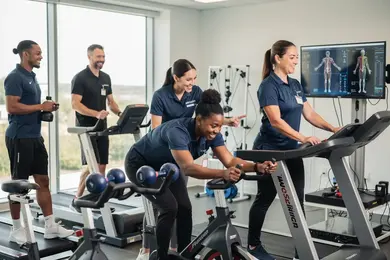
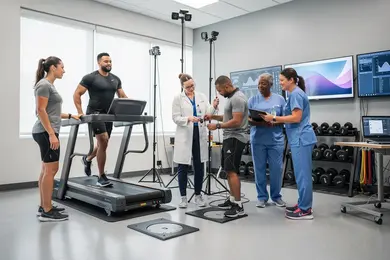
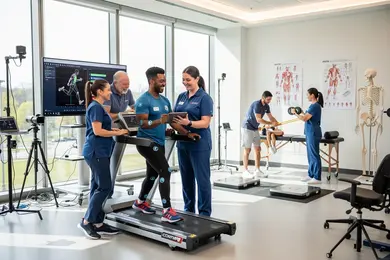
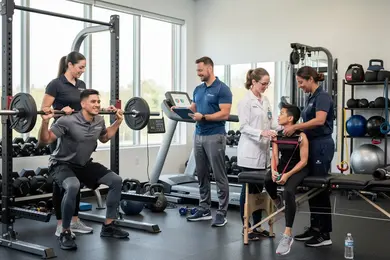
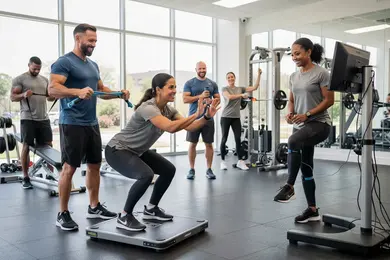
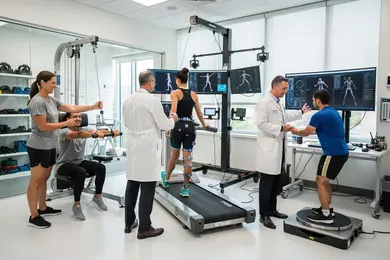
Kinesiology roles in artificial intelligence performance tracking increasingly demand professionals who combine biomechanical expertise with advanced data science skills. The practical impact of kinesiology professionals on AI-based athletic monitoring hinges on their ability to customize sensor-driven models that reflect individual athlete variables such as fatigue, muscle imbalances, and recovery schedules, rather than relying on generic algorithms.
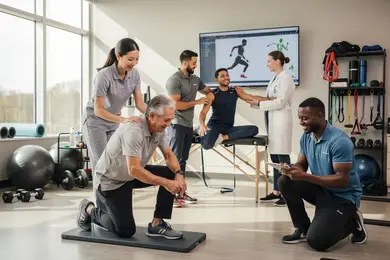
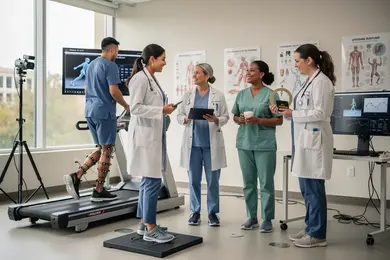
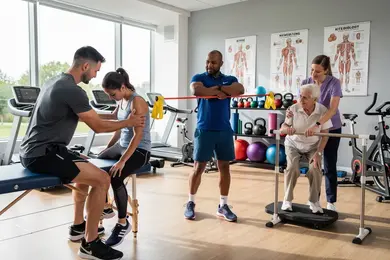
For example, rehabilitation clinics use AI tools calibrated by kinesiologists to assess fall risks, especially among elderly patients with slower reaction times and multiple health conditions. This scenario illustrates a crucial tradeoff: effective kinesiology applications require balancing precise sensor data against the inherent variability of human physiology and context.
Employer demand validates this hybrid skill set. Between early 2023 and late 2025, job postings referencing AI in kinesiology surged by over 130%, while other roles stagnated. This trend underlines the necessity for programs that integrate foundational biomechanics with hands-on AI software use, including machine learning and data visualization.
Graduates lacking these competencies risk marginalization in a workforce that prioritizes data fluency and ethical data management. Continuous upskilling is essential to keep pace with evolving AI methodologies.
Prospective students seeking relevant credentials should critically assess program offerings. Those exploring specialized technical routes might consult resources on online ASN programs for comparative insight into allied health pathways and educational structures.
Which kinesiology degrees lead to AI performance tracking careers?
The core value of kinesiology degree pathways for AI performance tracking careers lies in blending biomechanics, exercise science, and data analytics with technical skills like coding and sensor technology. Bachelor's programs emphasizing these areas prepare graduates to meet employer demands for real-time athlete performance analyses, essential in elite sports where AI-driven workload monitoring dominates. However, programs lacking focused computational training often leave graduates underprepared for practical AI roles despite strong theoretical backgrounds.
Master's degrees that deepen expertise in sports informatics and movement analytics equip candidates to engage with machine learning models that predict injury risk and optimize training, making them more competitive for advanced positions. Yet, clinical or traditional exercise physiology masters without AI coursework commonly fall short of achieving workforce readiness necessary in high-performance environments.
Real-world application challenges include handling large datasets from wearable technologies and adapting reporting methods to fit team versus individual sports, illustrating how curriculum breadth must encompass interdisciplinary solutions. Candidates with exposure to industry partnerships or practicums gain a critical edge by applying AI tools hands-on, an experience often missing but vital for success.
For working professionals considering this move, balancing foundational kinesiology knowledge with advanced data skills is crucial. Selecting programs integrating both components enhances career adaptability and relevance, especially given evolving market demands. Those interested in broadening healthcare-related competencies alongside kinesiology should also explore the easiest online RN to BSN programs.
What accreditation should kinesiology programs have?
Accreditation in kinesiology programs is a critical differentiator that directly impacts graduate readiness for roles involving AI-integrated performance tracking and data analytics. Only programs accredited by nationally recognized bodies such as the Commission on Accreditation of Allied Health Education Programs (CAAHEP) or regionally accredited institutions reliably embed competencies in biomechanics and AI-driven methodologies. Without meeting these kinesiology degree accreditation requirements, students risk entering a workforce increasingly dependent on sophisticated workload and fatigue models essential in sports science, rehabilitation, and ergonomics.
Empirical evidence between 2020 and 2025 demonstrates a 25-35% improvement in assessment accuracy when AI-driven wearable technologies are applied, underscoring the necessity for hands-on training in these tools. Graduates from non-accredited programs often face extended job searches and lower starting salaries due to gaps in practical AI experience and weaker industry connections, such as clinical internships or technology firm partnerships.
Prospective students evaluating accredited kinesiology programs in the US should verify key elements:
- Curriculum integration of AI applications, machine learning, and sensor data analytics.
- Access to up-to-date wearable technology labs for applied learning.
- Employment statistics reflecting placement in AI-enabled performance roles.
Ignoring accreditation can leave graduates ill-prepared for evolving workforce demands where interpreting big data from AI models is paramount. For professionals seeking a strategic pivot, pairing kinesiology expertise with a complementary credential-such as an MBA healthcare management-can bridge clinical knowledge with organizational leadership in health-focused settings, enhancing career flexibility and advancement options.
Are online kinesiology programs as credible as campus programs?
Online kinesiology programs with purely theoretical focus fail to match the practical proficiency demanded by employers, particularly in environments like sports rehabilitation clinics where hands-on biomechanical assessment and sensor data interpretation are vital. Programs offering substantial experiential learning, including clinical practicums and internships, sustain credential value by ensuring graduates gain the applied skills required in these settings. This is especially relevant for accredited online kinesiology programs in North America that claim parity with campus-based degrees but may lack sufficient in-person components.
Machine learning's integration into performance tracking highlights this experiential gap: a 2024 review demonstrated that AI-enhanced rehabilitation monitoring reduced reinjury rates by 28%, yet such outcomes depend on clinicians' ability to translate complex data into actionable interventions-a competence built through supervised lab work rather than remote theory alone.
For career changers targeting roles in athletic training or AI-driven performance analysis, hybrid or blended programs that combine flexible online coursework with mandatory clinical placements offer a pragmatic compromise. Students without campus access must verify program requirements carefully to avoid credentials that fall short of workforce demands, where practical skill remains non-negotiable.
Decision-making should factor in accreditation status, depth of experiential learning, and alignment with employer expectations to reduce retraining and improve employability. Professionals might also consider alternative pathways focused on affordability and speed, such as the cheapest fastest RN to BSN online options, when evaluating their educational investment in health-related fields.
Understanding the tradeoffs inherent in online kinesiology program credibility comparison is critical for making strategic, outcome-focused education choices.
What coursework is in an AI-focused kinesiology program?
AI-informed kinesiology curricula prioritize a balance between rigorous data science and hands-on biomechanical practice, reflecting market demand for professionals who can operationalize wearable sensor outputs within real-world contexts. Graduates must navigate a dual competence: coding-intensive development of AI models tailored to physiological data and empirical validation using ecological data with up to 35% improved accuracy over laboratory assessments, as demonstrated by meta-analytic findings from JMMBS Technology & AI in Physical Activity (2020-2025).
Human physiology courses emphasize predictive injury modeling and rehabilitation optimization through cloud-based AI platforms, requiring adherence to HIPAA and data privacy standards. Students face tradeoffs between theoretical model refinement and field applications involving real-time performance tracking, a tension that shapes preparedness for divergent roles in professional sports or clinical monitoring.
Employers consistently seek candidates blending validated AI methodologies with practical understanding of physiological variability in free-living settings. This reflects the need to translate complex sensor data into actionable, time-sensitive insights under conditions ranging from elite athletic competition to remote patient care. Project-based assessments simulate industry benchmarks for ecological validity and proof-of-concept execution, underlining workforce expectations for adaptability and precision.
What admission requirements do kinesiology programs usually ask for?
Admission to kinesiology programs increasingly demands more than foundational science knowledge; the integration of AI and data literacy profoundly shapes candidate evaluation. While a high school diploma with courses in biology, chemistry, and physics remains essential, admissions committees now weigh proficiency in data skills, including coding or statistics, to gauge readiness for a data-intensive curriculum. For example, positions referencing AI appeared in 4.2% of all US job postings by late 2025, with nearly half of data roles explicitly focused on AI fluency, illustrating employer expectations.
This shift means students lacking computational or analytical preparation face a competitive disadvantage entering a field where physical science expertise must interface effectively with digital tools. Programs vary: some require transcripts proving competency in anatomy and physiology, while more selective tracks also demand personal statements or recommendations reflecting relevant internships or applied sports science experience. Others explicitly require coursework in computer science to bridge technical gaps.
Students targeting roles reliant on AI-enabled performance analytics must critically assess program offerings for integration of these skills. Without this alignment, graduates risk reduced employability in sectors where biomechanical insights increasingly depend on advanced analytics. The tradeoff involves committing extra preparation time upfront versus navigating a narrower job market post-graduation.
Prospective students should prioritize kinesiology programs with admissions standards and curricula aligned to real-world workforce demands, avoiding pathways that fail to foster seamless interaction between biomechanical expertise and emerging AI applications.
How long does a kinesiology degree take, and what does it cost?
Choosing a kinesiology degree involves navigating significant cost and curriculum tradeoffs tied to career ambitions, especially as data skills increasingly shape employer demands. Public universities typically charge in-state students between $22,000 and $30,000 annually, while out-of-state rates rise to $35,000-$45,000. Private institutions frequently exceed $50,000 per year, excluding additional costs like textbooks and required internships. These expenses multiply if students pursue specialized courses in data analytics or computer science to engage with AI-driven performance tracking technologies.
Employers value graduates who understand exercise science alongside applied data stewardship, since over one-third of barriers to AI adoption in sports stem from privacy, security, and ethical governance concerns. For example, a sports performance center integrating AI systems must hire professionals trained not only in biomechanics but also in data management to ensure compliance and effectiveness.
Professionals shifting into kinesiology should weigh accelerated bachelor's or associate pathways combined with certifications. While shorter programs reduce upfront costs and time, they often lack advanced instruction on AI-related competencies crucial for roles in high-performance environments. Before committing, students must critically assess whether the program's curriculum aligns with employer expectations for AI-centric roles in sport science.
What jobs can kinesiology graduates get in performance tracking?
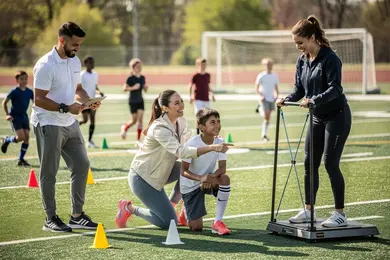
Kinesiology graduates entering roles focused on AI-driven performance tracking must balance domain expertise with technical proficiency in data interpretation and wearable technologies. Employers emphasize the ability to convert biometric and motion-capture inputs into actionable training plans that enhance exercise adherence and outcomes. In elite sports organizations and corporate wellness programs, professionals are expected to deploy AI-personalized exercise regimens that have demonstrated a 20-40% improvement in long-term adherence compared to generic recommendations, based on systematic reviews from 2020-2025.
Key workforce implications include managing complex datasets from multiple physiological sources and ensuring data accuracy while navigating variable user compliance. Success depends on cross-disciplinary collaboration with IT and health behavior specialists to integrate AI tools effectively and troubleshoot both technical and motivational obstacles. The use of real-time analytics platforms to adjust intensity and recovery demonstrates an operational need for agility in response to changing biometric feedback.
Professionals must develop not only technical literacy with emerging AI and machine learning tools but also strong communication skills to translate nuanced data insights to clients and athletic staff. Tradeoffs exist between maintaining broad kinesiology knowledge and developing niche AI skills crucial for sustained employability. Continuous certification in wearable technology and data interpretation methods frequently determines career trajectory in this evolving sector.
How much do kinesiology professionals earn in AI-driven roles?
The salary spectrum for kinesiology professionals in AI-intensive roles ranges from $75,000 to $120,000 annually in the U.S., largely determined by a blend of technical acumen, educational background, and sector-specific demands. For instance, a kinesiology data scientist at a sports technology firm typically begins near $85,000 but can surpass $120,000 with advanced programming and machine learning deployment expertise.
The growing infusion of AI into physiological data analytics significantly elevates demand for candidates who merge biomechanics, data science, and AI fluency. Nearly 45% of data-centric roles integrate AI tools, far outpacing marketing and HR sectors, creating a competitive landscape favoring those who translate sensor outputs into actionable interventions in athlete performance or rehabilitation.
Career prospects favor professionals with interdisciplinary skills, combining kinesiology fundamentals with certifications or experience in data engineering and applied machine learning. Candidates lacking this technical synthesis risk confinement to lower-tier positions. Graduates face a tradeoff: specializing deeply in AI-driven analytics offers higher compensation and accelerated career growth, while broader clinical or coaching roles typically yield less financial reward.
What certifications help kinesiology graduates work with performance data?
Success in kinesiology roles focused on performance data now hinges on certifications that combine advanced analytics, machine learning, and sport-specific expertise. Employers increasingly demand proficiency beyond basic knowledge, expecting candidates to interpret complex datasets from wearables, biometrics, and video tracking to generate actionable insights.
Consider a sport scientist employed by a professional team: mastery of machine learning models to predict fatigue or injury risk is not optional. This requires targeted certification that includes programming skills in Python or tools like MATLAB, layered on kinesiology fundamentals. Credentials such as Certified Performance and Sport Scientist (CPSS) or specialized courses from the American College of Sports Medicine (ACSM) and National Strength and Conditioning Association (NSCA) exemplify this blend.
Workers face a tradeoff between shorter, less intensive analytics certifications and graduate-level credentials that demand more time and investment but offer significantly stronger alignment with AI-driven industry demands documented in recent research from 2024 onward. Those without formal, technical certifications risk being sidelined as the field shifts rapidly from descriptive metrics to prescriptive and generative AI applications used for talent identification and injury prevention.
Practical recommendations for kinesiology graduates include prioritizing programs that explicitly tie AI training to sport performance analytics and ensuring certifications validate the ability to integrate multidimensional data streams into decision-support tools, meeting employer expectations for technical depth and real-world applicability.
Other Things You Should Know About Kinesiology
Hands-on internships remain critical despite the rise of AI tools in kinesiology. Employers value direct experience applying AI-driven data to real athlete assessments and interventions, which internships provide. Without practical exposure, graduates may struggle with translating theoretical AI concepts into effective performance tracking, limiting immediate job readiness. Prioritizing programs offering robust, supervised internships will improve employability in competitive AI-focused roles.
Kinesiology roles involving AI come with added responsibilities like data analysis, software management, and continuous tool updating, creating a heavier cognitive and time workload. This contrasts with traditional roles focused mainly on physical assessments and coaching. Candidates should prepare for a hybrid skill set that blends biomechanics expertise with technical proficiency, which may require ongoing self-directed learning beyond standard work hours to maintain competency in AI systems.
In 2027, AI systems significantly enhance kinesiology professionals' duties by providing precise data analytics, performance tracking, and personalized training protocols. AI tools aid in devising strategic interventions, improving athletes' performance, and assisting in rehabilitation, establishing AI proficiency as vital in kinesiology roles.
Programs partnered with AI technology companies provide early access to cutting-edge tools and real-world data sets, which can accelerate skill development and industry networking. However, such partnerships might narrow the curriculum focus to specific platforms, risking reduced exposure to diverse methodologies. Students should weigh the benefit of relevant hands-on experience against the potential limitation in scope and opt for programs that ensure both technological relevance and comprehensive kinesiology education.
References
- Central’s Kinesiology and Strength and Conditioning Programs Awarded Accreditation https://news.central.edu/2023/04/centrals-kinesiology-and-strength-and-conditioning-programs-awarded-accreditation/
- What Can You Do With a Kinesiology Major? | USAHS https://www.usa.edu/blog/what-can-you-do-with-a-kinesiology-major/
- How Long to Get a Kinesiology Degree? | ValidGrad https://validgrad.com/blog/kinesiology-degree-duration/
- How Will AI Become a Sports Science Tool? by Sims Setser - Athletic Lab https://www.athleticlab.com/how-will-ai-become-a-sports-science-tool-by-sims-setser/
- Future Domain Experts – Integrating AI Education into Existing Master Programs for Health Professions. - Yesil Science https://yesilscience.com/future-domain-experts-integrating-ai-education-into-existing-master-programs-for-health-professions/
- AI tool for kinesiology students - Best AI learning tool by Mindgrasp https://www.mindgrasp.ai/kinesiology-students
- Kinesiology, Bachelor's Degree http://camosun.ca/programs-courses/kinesiology-bachelors-degree
- AI and Data Management in Physical Therapy: Enhancing Patient Care and Clinical Efficiency https://kinvent.com/blog/ai-and-data-management-in-physical-therapy/
- American Kinesiology Association | Careers in Kinesiology https://americankinesiology.org/careers-in-kinesiology/