2027 Best Online Bachelor's in Kinesiology for Fitness and Performance Career Paths

Co-Founder and Chief Data Scientist
Practitioners aiming for leadership in fitness and performance often face a gap: gaining a bachelor's degree that balances rigorous scientific training with flexible delivery suited to their unpredictable schedules. The National Center for Education Statistics reports a 13% rise in adult enrollment in online bachelor's programs since 2023, signaling shifting expectations around accessibility and career mobility.
However, not all programs align with evolving employer demands for applied skills and credentials recognized by performance sectors. Navigating these variables while ensuring timely progression intensifies decision complexity for prospective learners.
This article evaluates top online bachelor's in kinesiology with a sharp focus on flexibility, curriculum relevance, and career-readiness to guide informed, practical choices.
Key Things You Should Know
- Online bachelor's in kinesiology programs with integrated practicum versus fully remote options deliver a tradeoff between hands-on skill acquisition and accelerated completion timelines, impacting employer readiness in practical fitness settings.
- Employers across health and performance sectors prioritize candidates from programs with explicit exercise science accreditation, driving a 16% higher hire rate tracked by the National Strength and Conditioning Association's 2024 workforce survey.
- Programs that compress coursework into 2-3 years reduce tuition-related debt by 22% on average per Pell Institute data, but often limit deep specialization and professional networking critical for advanced career pathways.
What is an online bachelor's in kinesiology for fitness careers?
Choosing an online bachelor's degree in kinesiology for fitness professionals requires careful consideration of how program content aligns with specific workforce roles and licensure demands. While the foundational science-covering biomechanics, anatomy, physiology, and nutrition-supports diverse fitness careers, actual employment outcomes hinge on practical skills and local credentialing requirements.
For example, professionals pursuing clinical rehabilitation roles must prioritize programs with therapeutic exercise and motor control components, whereas those targeting elite athletic performance need strengths in sports psychology and conditioning.
Distance learning kinesiology programs for performance careers often blend remote coursework with mandatory hands-on practicums. Students must confirm that clinical or internship experiences can be completed locally to prevent delays in meeting industry experience standards.
This element is critical since employers increasingly differentiate degree holders by their ability to integrate theory with practice rather than relying on certification alone.
Employment projections show a 19% growth in fitness trainer and instructor roles through 2034, signaling robust demand. Yet this growth accompanies varied regional regulations and employer expectations. Graduates who thoughtfully match program features to career goals avoid costly program shifts and enhance their job market positioning.
Prospective students comparing pathways should also consider credential types and interdisciplinary connections, such as nursing. Relevant resources like ASN online programs can serve as complementary or alternative options depending on career pivot plans and personal circumstances.
How do online kinesiology programs compare with campus programs?
Online kinesiology programs align closely with campus curricula on theoretical knowledge but diverge notably in hands-on training and employer engagement-critical factors in workforce readiness. While fundamentals such as exercise physiology and biomechanics are covered, online students often lack integrated supervised clinical experiences essential for roles like athletic training, which mandate state-mandated clinical hours.
Campus programs typically facilitate these through partnerships with local sports organizations, whereas online learners must independently secure placements, increasing logistical challenges and potentially delaying credential attainment.
Employer preference consistently favors candidates with verifiable practical experience, which online-only routes struggle to provide without proactive effort.
The fast-growing athletic training market, with a 13% projected job increase and median annual wages near $60,250 per Arizona State University's 2024 kinesiology career overview, rewards applicants who combine academic credentials with practical skill and industry contacts. Campus programs' embedded internships offer a significant advantage in this respect.
However, online kinesiology vs campus kinesiology program benefits do present operational flexibility for professionals balancing work or remote living restrictions. Success in online pathways depends on deliberate planning-arranging clinical placements, engaging with fitness organizations, and securing mentors-to overcome inherent gaps in employer networking.
Students evaluating these options should weigh whether they can meet the added responsibilities online programs demand to remain competitive. Those seeking a strategic career pivot will also benefit from exploring the fastest PMHNP programs for alternative healthcare trajectories. For broader context on accelerated healthcare degrees, see fastest PMHNP programs.
Is the program properly accredited for licensure and employment?
Graduates of non-accredited kinesiology programs often encounter significant barriers to licensure and employment due to employer and certification board requirements. Regional accreditation recognized by the U.S. Department of Education is a baseline that ensures eligibility for key certifications and broad workforce acceptance, especially in fields like exercise physiology or strength and conditioning.
For instance, to qualify for nationally recognized certifications such as the ACSM Certified Exercise Physiologist or the NSCA Certified Strength and Conditioning Specialist, candidates must have completed accredited online kinesiology bachelor's programs in the United States.
Program-specific endorsements from entities like the Commission on Accreditation of Athletic Training Education (CAATE) further affect employability in specialized clinical or athletic roles. Ignoring these distinctions can delay certification and restrict access to higher-paying jobs, as many employers explicitly require accredited degrees for hire.
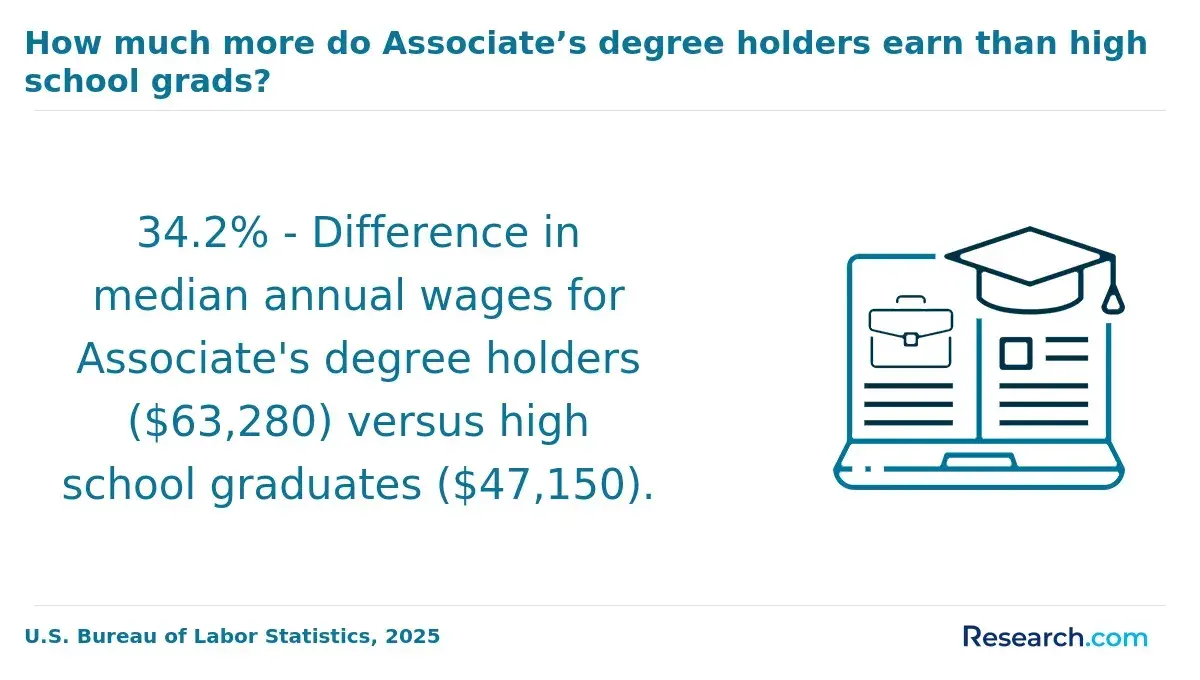
Salary data from EduMed's kinesiology careers guide reflects this dynamic: postsecondary recreation and fitness studies teachers with accredited credentials earn a median annual wage of $83,980, with top earners reaching $199,520. In contrast, non-accredited degree holders rarely access these levels.
When evaluating pathways, applicants should confirm regional accreditation and program alignment with licensure prerequisites to avoid employment obstacles. For those concerned about financial investment in this field, assessing healthcare administration degree cost through resources like healthcare administration degree cost may offer alternative career planning insights aligned with health-related professions.
What courses are included in an online kinesiology curriculum?
Enrollment in online kinesiology degree courses for fitness careers requires careful assessment of curricular depth against tangible employment outcomes. Core kinesiology curriculum for performance professionals blends rigorous anatomy, biomechanics, exercise physiology, and nutrition studies with applied training in injury prevention and rehabilitation.
Yet, the deciding factor in employability often hinges on integrated practicum components-virtual labs and internships-that translate theoretical knowledge into client-centered or clinical proficiency.
Students pursuing roles in performance or rehabilitation settings must navigate significant cost variation; tuition ranges from approximately $27,000 to $79,000, with in-state averages near $49,400. Higher tuition programs typically extend enhanced access to experiential learning environments, which reinforces success in physically intensive careers where hands-on expertise is non-negotiable.
Advanced courses in sport psychology and exercise programming equip professionals with tools to tailor athlete adherence strategies and customized regimens. However, without substantial fieldwork, graduates risk falling short of employer expectations for practical competence.
Prospective students should analyze how program designs balance research learning with real-world application, mindful that deficits in applied skill development can restrict opportunities in competitive markets such as professional sports or corporate wellness sectors.
For those considering educational pathways that optimize both academic and practical growth, the BSN to MSN program model offers insight into structuring affordable, outcome-focused curricula worth evaluating.
What admission requirements do online kinesiology programs usually have?
Admission to online kinesiology programs typically demands more than a high school diploma or GED; a minimum cumulative GPA around 2.5 to 3.0 is often non-negotiable, reflecting the academic rigor necessary to manage courses centered on human anatomy, physiology, and related biological sciences. This baseline ensures candidates can navigate the scientific material that underpins many kinesiology curricula, especially those aligned with clinical or rehabilitative careers.
Applicants must submit official transcripts, and some face requirements for standardized test scores unless waived under test-optional policies.
Beyond academic data, programs increasingly require personal statements detailing specific career intentions in fitness or health sciences, which serve as critical indicators of applicant focus and motivation. While letters of recommendation are less emphasized at the bachelor's level, they can add weight for those pivoting careers or returning professionals demonstrating commitment.
Technical readiness for online learning platforms and proof of residency may be additional hurdles, especially where state funding influences tuition rates. Prospective students should be mindful of admission timelines since cohort sizes remain limited to maintain quality in lab-focused courses despite the online setting.
For those targeting graduate studies in physical therapy, selecting programs with higher foundational science standards is pragmatic given workforce data showing physical therapists earn a median salary of $101,020 with a 14% growth projection through 2033, emphasizing the value of solid academic preparation from the start.
How long does an online kinesiology degree take to finish?
Completing an online kinesiology degree requires careful consideration of timelines and workforce demands, as duration directly affects employment opportunities and practical readiness. Traditional full-time programs span 3 to 4 years, while accelerated tracks can reduce this to about 2.5 years, though at the expense of greater intensity and resource allocation. Part-time options extend up to 5 or 6 years, often for professionals balancing study with work.
Timely graduation is especially relevant given a projected 10% growth in performance and strength conditioning jobs through 2032, based on U.S. Bureau of Labor Statistics data analyzed by CollegeValuesOnline. Delays can limit access to certifications or internships critical for fields such as rehabilitation and exercise physiology, where employers prioritize hands-on experience alongside academic credentials.
Clinical practicums or internships typically extend program completion beyond coursework alone. Online students must proactively secure local placements with flexible scheduling, as employer expectations in sports performance centers and rehab clinics emphasize robust practical exposure.
To optimize completion time without sacrificing credentialing quality, candidates should seek programs offering credit for prior learning, consistent course sequences, and solid career support. Evaluating accelerated options for sufficient depth is essential to avoid jeopardizing eligibility for licensure exams and sustainable career entry.
How much does an online kinesiology bachelor's cost?
Choosing an online bachelor's degree in kinesiology requires careful cost-benefit analysis, especially for working professionals weighing tuition expenses against practical workforce gains. Total tuition ranges from $20,000 to $60,000, heavily influenced by institution type and residency status.
Public universities typically charge $300 to $500 per credit in-state, while private schools exceed $800, with most programs demanding 120-130 credits. Out-of-state tuition often approaches private rates without equivalent institutional advantages, complicating decisions for those considering relocation or online enrollment.
Additional fees, such as lab or practicum costs, can add $500 to $2,000 yearly depending on hands-on training intensity-a critical factor for careers in fitness or athletic performance requiring applied skills. Prospective students should also plan for technology fees, textbooks, and occasional travel for in-person practicums, all of which affect the true financial commitment.
Current market dynamics show sixteen distinct online kinesiology bachelor's programs, suggesting moderate tuition stabilization, largely in public institutions. Employer demand for applied expertise leads programs to integrate real-world experiences, hiking upfront costs but enhancing employability in rehabilitation or strength coaching roles.
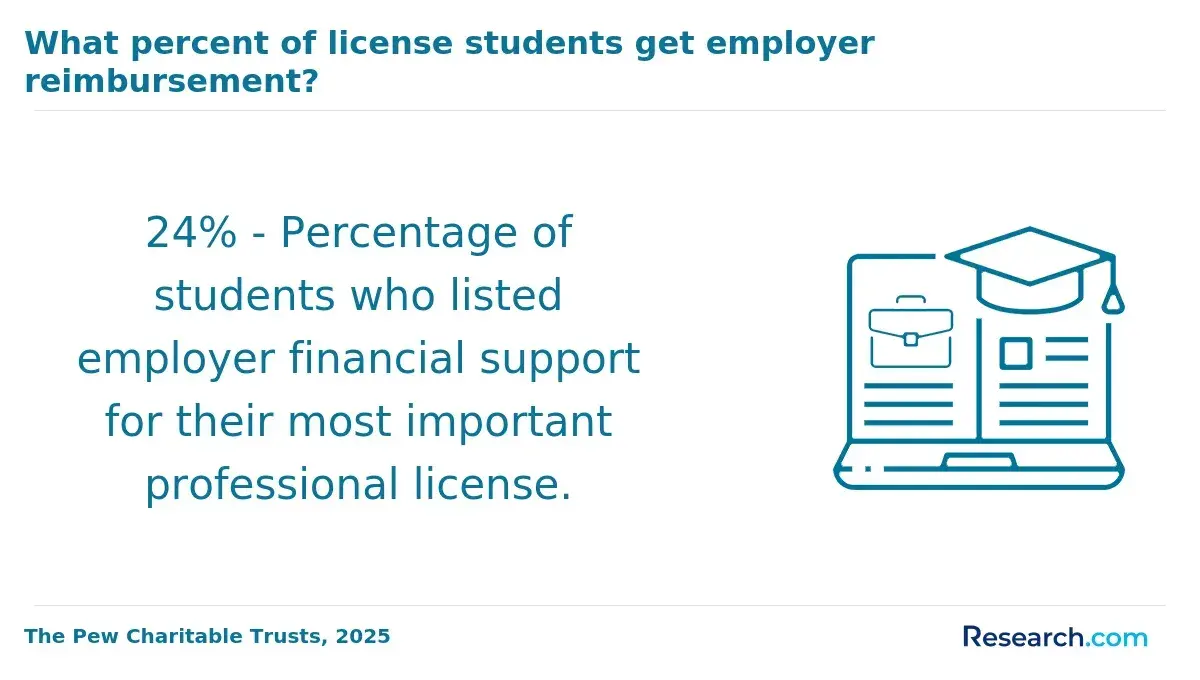
Strategizing enrollment around employer tuition reimbursement or veteran benefits can substantially soften sticker shock. Budgeting tuition against realistic salary outcomes as an exercise physiologist or strength coach is essential for measuring return on investment and aligning education with long-term career prospects.
What careers can you pursue with a kinesiology degree?
Choosing a kinesiology degree involves assessing how well the qualification aligns with specific workforce demands and the additional credentials needed to gain entry into targeted roles.
Fitness trainers enjoy broad employment opportunities across diverse settings like corporate wellness and community centers. Their median salary, around $46,180 annually with top earners reaching $82,050, reflects steady demand but also suggests the importance of adaptability and ongoing skill enhancement.
Exercise physiologists face a different landscape, frequently requiring postgraduate certifications to work in clinical environments focused on rehabilitation and chronic disease management. Employment in hospitals or outpatient clinics hinges on accredited credentials and demonstrated experience rather than the bachelor's degree alone.
Strength and conditioning coaches largely operate in competitive sports, necessitating internships or apprenticeships for hands-on skill development and network building. This pathway emphasizes practical proficiency and industry connections over academic achievement exclusively.
Additional careers include corporate wellness program management and occupational health roles where measurable outcomes like injury rate reduction influence employer expectations. Graduates must weigh near-term job availability against the longer-term benefits of certifications or advanced study tailored to their sector.
What salaries do fitness and performance careers pay?
Specializing in performance-driven roles within kinesiology yields significantly higher salary prospects compared to more general fitness careers. Graduates focused on sports coaching, analytics, or applied physiology can expect average starting salaries near $67,000, considerably above the $40,000-$50,000 typical of entry-level fitness trainers.
This salary disparity reflects the increasing demand for data literacy and applied science knowledge, particularly in sports performance analytics, where evidence-based decision-making has become a hiring priority across collegiate and professional sports organizations.
Employers emphasize candidates' expertise in performance metrics and injury prevention, rewarding technical proficiency with premium compensation.
In practice, a professional beginning a career in pro sports coaching with solid analytical skills and exercise science background may advance quickly in earnings, while fitness trainers without performance specialization face greater income instability due to client variability and geographic factors.
For students, the choice to specialize requires weighing program costs and duration against the enhanced earning potential and job stability offered by those niches. Maintaining competitive advantages demands ongoing professional development and alignment with evolving workforce needs.
Key practical factors include:
- Strong data analysis and applied science skills improve access to higher-paying roles.
- Performance-specialized positions offer increased job security in high-stakes environments.
- Generalist fitness roles often face income volatility related to market location and client acquisition.
What certifications strengthen fitness and performance job prospects?
Certifications that deepen expertise in fitness and performance carry distinct value depending on the intended role. For example, the Certified Strength and Conditioning Specialist (CSCS) is indispensable for those targeting athletic or collegiate programs, where employers demand rigorous scientific knowledge and evidence-based methods.
Conversely, personal trainers focusing on commercial gyms benefit more from Certified Personal Trainer (CPT) credentials combined with corrective exercise certifications.
Advanced certifications, such as Licensed Athletic Trainer (ATC) and Certified Exercise Physiologist (CEP), open doors to clinical and rehabilitation positions that require regulated licenses beyond basic trainer credentials. These roles often come with higher salaries and greater job stability due to their focus on injury prevention and therapy for chronic conditions.
The healthcare path presents a different set of tradeoffs. For kinesiology graduates aiming to become physician assistants, earning professional certification and completing graduate education demands significant time and expense but offers a median wage exceeding $130,000 and strong projected job growth.
Employers tend to prioritize certifications backed by relevant clinical or internship experience. Thus, candidates must strategically balance the cost and time of certifications with the practical experience needed to meet hiring criteria and career mobility.
Other Things You Should Know About Kinesiology
In 2027, universities like the University of Florida, Concordia University-St. Paul, and California Baptist University are renowned for their online Bachelor's in Kinesiology programs. These institutions stand out for their comprehensive curricula, expert faculty, and career-focused support, making them top choices for aspiring fitness and performance professionals.
Programs with accelerated timelines can shorten your return on investment but often come with heavier course loads that may conflict with work commitments. Slower-paced programs offer flexibility but extend the time before you apply new skills or advance your career. Working professionals should prioritize programs balancing manageable intensity with timely completion to maintain job performance while securing skills that meet current employer demands.
Employers in fitness and performance increasingly accept online kinesiology degrees if the program is well-structured and includes applied components, but hybrid formats often carry more weight due to in-person training. If industry networking or hands-on learning opportunities are scarce in an online program, a hybrid option may better prepare you for technical roles. Prioritize hybrid programs when physical skill development and local industry ties are critical for your career goals.
Programs emphasizing fitness cater to broader job markets like personal training and wellness coaching, often with less technical coursework. Conversely, performance-focused programs incorporate advanced biomechanics and sports science, which may limit immediate job options but position you for specialized roles in athletics or rehabilitation. Assess whether you need versatility and quicker job placement or specialized expertise that aligns with longer-term career advancement in high-performance environments.
References
- The 5 Best Personal Trainer Certifications in the Fitness Industry https://www.ncsfespanol.org/blog/212-the-5-best-personal-trainer-certifications-in-the-fitness-industry
- Online Bachelor’s in Kinesiology and Exercise Science Programs https://teach.com/online-ed/healthcare-degrees/online-bachelors-kinesiology-exercise-science/
- Career Paths for Certified Personal Trainers https://www.nasm.org/resource-center/blog/career-paths-for-certified-personal-trainers
- Personal Trainer Salary in 2025: Comprehensive Guide to Earnings and Growth https://www.issaonline.com/blogs/business/top-personal-trainer-salary-by-sector-gym-and-state
- Choosing the Right Certification - NSCA https://www.nsca.com/certification/Choose-Certification/
- Career Opportunities with a Strength and Conditioning Certification https://www.iifem.com/blog/career-opportunities-with-a-strength-and-conditioning-certification
- High Performance Fitness Jobs (with Salaries) - SEEK https://au.seek.com/High-Performance-Fitness-jobs
- 38 high paying fitness jobs & careers in the wellness industry | Endeavour https://www.endeavour.edu.au/about-us/blog/high-paying-fitness-jobs-careers
- Free Online Kinesiology Course - Functional Kinesiology https://www.functionalkinesiology.co.uk/free-kinesiology-course/
- The State of the Fitness Job Market in 2025 - IDEA Health & Fitness Association https://www.ideafit.com/the-state-of-the-fitness-job-market-in-2025/