2027 Best Online Bachelor's in Kinesiology for Corporate Wellness Career Paths

Co-Founder and Chief Data Scientist
Mid-career professionals aiming to shift into corporate wellness often face the challenge of balancing full-time employment with rigorous academic demands, especially in a specialized field like kinesiology.
Despite a surge in online education—where enrollment among adult learners increased 14% over the past two years according to the National Center for Education Statistics—the complexity of identifying programs that offer both credible kinesiology curricula and adaptable scheduling remains substantial.
Employers expect evidence of applied competencies alongside academic credentials, raising the stakes for selecting the right online bachelor's program that supports career mobility without stalling income. This article evaluates the best online bachelor's in kinesiology tailored for corporate wellness career paths, aiming to guide strategic educational choices amid these constraints.
Key Things You Should Know
- 60% of corporate wellness professionals with bachelor's in kinesiology face credential tradeoffs when programs lack applied behavior change coursework, restricting advanced roles in healthcare integration (2024 Society for Human Resource Management data).
- Employers increasingly prioritize candidates with internships or cohort-based capstones, yet only 35% of online kinesiology degrees offer these, impeding practical skill validation amid workforce shifts (Bureau of Labor Statistics 2024).
- Average online kinesiology bachelor's costs vary 45% between institutions eligible for federal aid versus purely private programs, intensifying affordability barriers for mid-career pivots demanding compressed timelines (National Center for Education Statistics 2024).
What is an online bachelor's in kinesiology and how does it support corporate wellness careers?
Graduates holding an online bachelor's in kinesiology for corporate wellness programs face a labor market increasingly focused on quantifiable results in employee health. Their training in anatomy, biomechanics, and physiology must translate into wellness initiatives that demonstrably reduce injury and improve productivity within complex organizational settings.
For instance, a kinesiology graduate might implement ergonomics assessments or customized fitness protocols that reduce musculoskeletal complaints among nursing staff or sedentary workers in tech firms.
Successfully leveraging a bachelor's degree in kinesiology supporting workplace health careers means navigating employer expectations that prioritize certification and practically oriented experience alongside academic knowledge. Programs blending remote clinical observations and project-based learning better prepare candidates for these demands but require balancing time constraints typical of working professionals.
The World Economic Forum's projection of 30% growth in health and wellness roles by 2027 reflects a robust market, yet students must critically evaluate program curricula for their fit with practical skill acquisition. Choosing institutions that offer career services and employer partnerships can mitigate common obstacles in connecting kinesiology theory to measurable workplace outcomes.
Flexible online scheduling accommodates career transitions but may limit direct hands-on training unless supplemented thoughtfully. Those uncertain about program selection can consult resources such as the ASN program online evaluations to compare educational pathways across allied health disciplines.
Which accredited online kinesiology programs are best for corporate wellness-focused students?
Choosing the best accredited online kinesiology programs for corporate wellness careers hinges on demonstrated alignment with employer expectations and practical skill application rather than brand recognition. The 7% job growth projection for health education specialists emphasizes demand, but successful candidates must show competency in occupational health metrics and behavior change methodologies that directly impact corporate health initiatives.
Top online kinesiology degrees focused on corporate wellness in the US often integrate internships or practicum experiences within organizational settings, allowing students to translate theoretical knowledge into measurable wellness outcomes. Without such real-world exposure, graduates face difficulty proving immediate ROI value to employers driven by data and engagement benchmarks.
Effective programs combine:
- Exercise physiology curriculum tailored for workplace injury prevention and performance
- Nutrition and behavior modification courses directly applicable to employee wellness strategy
- Preparation for recognized certifications like the Certified Health Education Specialist (CHES)
- Flexible pacing models suitable for working professionals balancing full-time jobs
Individuals prioritizing swift workforce integration should scrutinize program accreditation and hands-on components critically. Those aiming for a complementary healthcare credential might compare pathways such as the RN to BSN route, considering how licensing or clinical hours differ from kinesiology tracks.

How does an online kinesiology degree compare to campus programs for corporate wellness roles?
Online kinesiology degree vs campus programs for corporate wellness presents a critical tradeoff between flexibility and immediate access to experiential learning. While accredited online kinesiology programs typically mirror the academic rigor of campus options, they require students to independently secure hands-on internships or collaborations with local wellness providers-a task often facilitated more seamlessly through campus career services.
This distinction directly impacts a graduate's readiness and attractiveness to employers prioritizing measurable workplace well-being outcomes.
Large employers increasingly invest in physical activity initiatives; about 88% now offer formal well-being programs, and nearly 70% intend to expand these efforts, reflecting growing demand for professionals who combine theory with practical impact.
Benefits of online kinesiology education for corporate wellness careers include convenience and suitability for self-directed learners unable to relocate, but these advantages come with networking challenges and potential delays applying real-world skills.
For instance, a prospective coordinator in a multinational firm completing an online kinesiology degree must proactively create experiential opportunities, contrasting with campus peers who often benefit from direct institutional employer partnerships. Decision-makers should assess their capacity for independent initiative versus employer preferences for integrated work experience.
Prospective students considering specialized healthcare pathways may also explore a master's in hospital administration to complement kinesiology expertise in broader organizational health roles.
What courses and specializations should a kinesiology major pursue for corporate wellness work?
Focusing kinesiology courses for corporate wellness careers on occupational health, exercise physiology, health promotion, and ergonomics directly addresses employer demands for workplace fitness and injury prevention. Graduates who combine these areas with specializations in kinesiology for workplace health programs, like preventive health management, are positioned to deliver quantifiable benefits such as reduced employee sick days and higher productivity.
This targeted knowledge aligns with hiring managers' expectations for measurable outcomes rather than generic wellness initiatives.
Core competencies also include behavior change theories and wellness coaching techniques essential for sustaining employee engagement over time. For instance, proficiency in motivational interviewing supports individualized behavior modifications-a skill increasingly valued as companies seek return on investment from wellness programs. Balancing these interpersonal skills with the capacity to interpret health metrics through data analytics offers a competitive edge.
Foundational subjects such as anatomy, biomechanics, and nutrition remain integral to credible program design, but graduates should weigh the practical advantages of certifications or electives focused on workplace compliance and wellness technology platforms. These prepare professionals to navigate legal risks and deploy scalable tools, addressing a growing market preference for tech-enabled wellness management.
Oregon State University's online B.S. in Kinesiology graduates earn a median salary of $60,964, ranking in the top 25% for online degree earners nationwide-a data point reflecting how concentrated skills translate into market value. Prospective students considering educational pathways might also examine options like online BSN to MSN programs for broader health sector advancement.
What admission requirements and prerequisites do online kinesiology bachelor's programs typically have?
Securing admission to online kinesiology bachelor's programs hinges on more than meeting baseline academic standards; it demands strategic preparation to avoid delayed graduation and diminished workforce entry. Typical requirements include a high school diploma with a minimum GPA between 2.5 and 3.0, along with official transcripts evidencing proficiency in biology, chemistry, and math-core foundations essential for advanced study.
Some programs insist on prior college-level anatomy or physiology, signaling readiness for specialized content.
Standardized tests like the SAT or ACT are becoming less commonly required but can still influence admission at select institutions.
A personal statement focusing on career objectives sharpens admissions' ability to gauge motivation, especially for candidates targeting corporate wellness roles. Letters of recommendation appear sporadically, often replaced by documented healthcare or fitness experience, which is particularly valuable for accelerated or competency-based tracks oriented toward immediate workforce applicability.
Applicants lacking relevant background may encounter greater obstacles, as programs and employers favor demonstrated practical expertise to ensure graduates contribute effectively from day one. Preparing early is critical to meet documentation deadlines and avoid course sequencing that can postpone program completion.
Tuition varies significantly-from $11,760 to $24,780 annually-while median graduate salaries range from about $46,900 to $60,900, underscoring that inefficient admission processes can directly curtail return on investment by delaying certification and employment.
How long does an online kinesiology bachelor's take, and what does it cost?
Choosing an online kinesiology bachelor's degree involves balancing time, cost, and curriculum relevance to actual workforce demands. Programs typically require four years full-time (120-130 credit hours), but accelerated paths may shorten this to three years for transfer students or those studying year-round. Many working adults, especially those eyeing corporate wellness roles, often extend studies part-time for five to six years to manage job commitments.
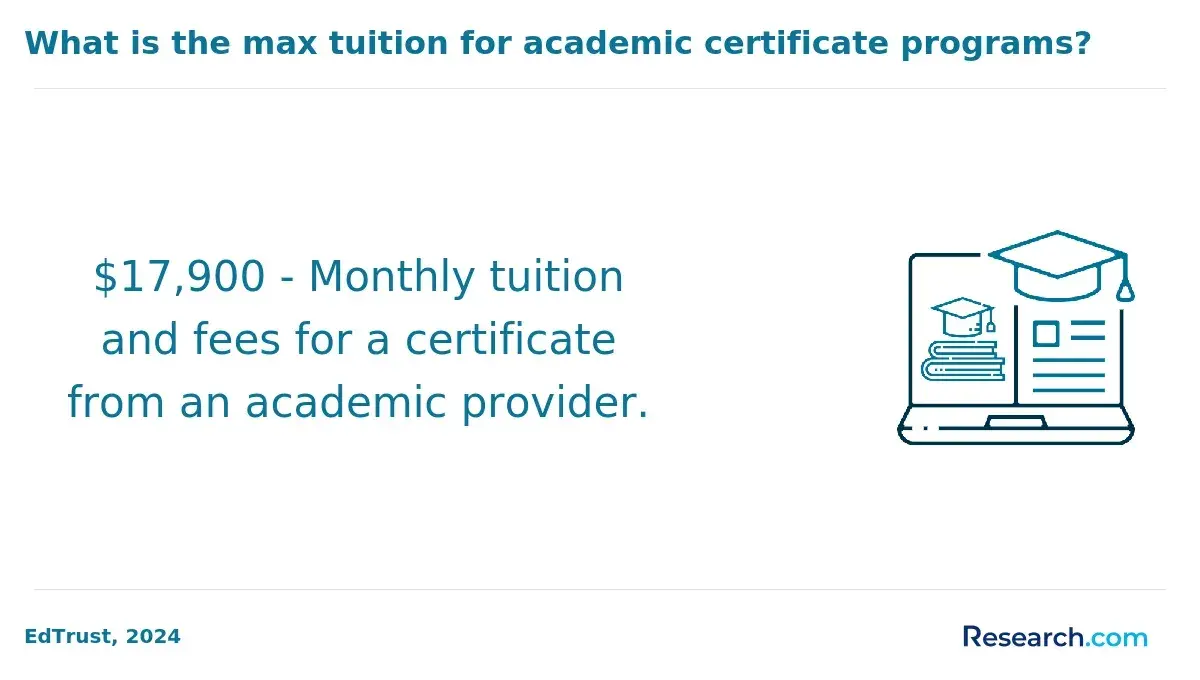
Costs vary sharply: public in-state tuition averages $7,000 to $12,000 annually, while private nonprofit options can charge from $20,000 up to $35,000 per year, totaling roughly $28,000 to over $100,000 for full completion. Financial aid and employer tuition reimbursement can offset expenses.
Effective corporate wellness degrees integrate behavioral science, health promotion, and coaching skills-not just biomechanics or exercise science. For example, a wellness coordinator in a large healthcare company needs strong communication and applied behavioral intervention skills alongside physical health expertise. Without these, even affordable, faster programs may delay career impact.
Employers prioritize graduates who align with emerging workforce well-being investments forecasting over 80% organizational training in resilience and soft skills by 2027 (World Economic Forum). Strategic students should weigh affordability against curriculum relevance, ensuring preparation for evolving employer expectations.
- Full-time bachelor's degrees generally require 4 years or 120-130 credits.
- Part-time options often extend to 5-6 years, accommodating employed students.
- Public institutions typically cost $7,000-$12,000 annually; private can exceed $35,000.
- Programs emphasizing coaching, behavioral change, and health promotion align best with corporate wellness careers.
- Financial aid and employer tuition benefits can significantly reduce net expenses.
What corporate wellness jobs can you get with an online kinesiology bachelor's degree?
Graduates with an online bachelor's degree in kinesiology often enter corporate wellness roles that prioritize prevention and employee engagement over direct clinical intervention. Positions such as wellness coordinator, occupational health specialist, and employee fitness program manager focus on developing workplace health initiatives to reduce injuries, improve productivity, and control healthcare expenses.
Employers-particularly large corporations, insurance companies, and healthcare providers-favor candidates who combine kinesiology knowledge with skills in data analytics, health risk assessments, wellness technology, and compliance with regulations like HIPAA and OSHA.
These jobs typically require certifications such as Certified Corporate Wellness Specialist (CCWS) or Certified Health Education Specialist (CHES), reflecting industry expectations beyond academic credentials. Practical challenges for graduates include meeting these certification standards and demonstrating applied capabilities in health behavior coaching and regulatory compliance.
Supporting allied health roles like physical therapist assistants and physician assistants align with kinesiology bachelor's credentials but often demand graduate study and certification. The projected job growth rates-22% for physical therapist assistants and 20.4% for physician assistants-signal strong demand alongside median salaries of $68,380 and $135,880 respectively.
For working professionals, securing internships or practicum experiences during the program is often decisive for employability, as employers prioritize hands-on experience as much as theoretical understanding. Online kinesiology programs provide flexibility but require strategic navigation of certification pathways and practical skill acquisition to compete effectively.
What salaries and advancement opportunities exist in corporate wellness for kinesiology graduates?
Starting salaries for kinesiology graduates entering corporate wellness generally align with the median annual wage for exercise physiologists, around $59,460.
However, salary growth and role advancement depend heavily on pursuing certifications such as Certified Corporate Wellness Specialist or Certified Exercise Physiologist. Those working in large healthcare systems or multinational companies typically experience faster elevation into roles managing wellness programs or directing health strategy, while smaller employers may offer wider job scopes but reduced pay growth.
Employment in this sector is expected to grow by 9.5% through 2032, reflecting steady demand for professionals with solid bachelor's training supplemented by skills in employee engagement and data-driven health initiatives. Career progression often requires additional credentials or graduate education focused on health promotion or occupational health.
Key practical tradeoffs for job seekers include the trade between more predictable, less physically demanding schedules in corporate wellness versus comparatively modest entry-level salaries relative to clinical kinesiology. Employers prioritize measurable workforce health improvements, so experience in designing or managing intervention programs can significantly impact career trajectory.
Which certifications strengthen corporate wellness careers for graduates with kinesiology degrees?
Employers seeking kinesiology graduates for corporate wellness roles prioritize certifications that directly address workplace wellness program demands. Over two-thirds of these programs integrate structured physical activity, making the Certified Corporate Wellness Specialist (CCWS) credential highly relevant for professionals managing program design, engagement, and outcomes measurement within corporate settings.
The Certified Health Education Specialist (CHES) credential supports the creation of focused health education initiatives tailored to diverse employee groups, from sedentary office workers to high-stress professionals, while ensuring compliance with regulatory and organizational health standards. This compliance aspect is often emphasized by employers expecting measurable health improvements and risk management.
For corporations offering onsite fitness facilities or investing in performance-based health strategies, the Certified Strength and Conditioning Specialist (CSCS) provides expertise in exercise science applied to fitness coaching and injury prevention. This credential is a strategic asset where performance enhancement aligns with physical health investments.
Additional CPR/AED certification remains a baseline expectation, signaling emergency readiness and often serving as a minimum hiring prerequisite.
Employers typically favor candidates whose certifications align closely with their wellness program focus, directly influencing job access and advancement potential. Without such credentials, kinesiology graduates risk limited entry and slower progression in corporate wellness units, where validated expertise and evidence-based program success are nonnegotiable standards.
How can students evaluate and choose a reputable online kinesiology program for corporate wellness?
Choosing an online kinesiology program for corporate wellness hinges on accreditation from recognized bodies, as this credential determines both degree legitimacy and access to certifications like Certified Corporate Wellness Specialist (CCWS), which many employers require. Without this, transitioning into corporate wellness roles can prove difficult despite completing coursework.
Curricular focus matters: programs emphasizing occupational health, ergonomics, behavior change theories, and wellness program design provide competencies directly relevant to industries such as technology, manufacturing, or healthcare. A graduate trained mainly in exercise science risks limited applicability in these corporate settings.
Cost evaluation should factor in total expenses and expected salary gains. For example, Forbes Advisor's 2024 data indicates top programs cost about $9,500 annually, yet graduates often enter roles with median salaries exceeding $60,000, suggesting strong return on investment if job placement support is robust.
Flexibility is a practical barrier. Fully asynchronous models allow working professionals to maintain employment during study, unlike hybrid options that may strain work-life balance. Additionally, assessing how practicum components align with real corporate wellness organizations enhances resume strength and immediate applicability.
Faculty expertise focused on corporate wellness implementation-not generic kinesiology-is vital for relevant mentorship. Finally, scrutinizing graduate outcomes data from independent sources reveals realistic employment prospects, pivotal for candidates aiming to pivot strategically in this specialized field.
Other Things You Should Know About Kinesiology
Most reputable online kinesiology programs include a mandatory hands-on internship or practicum to meet accreditation standards and employer expectations. For corporate wellness careers, this experiential component is critical because it provides practical exposure to designing and implementing health initiatives within workplace settings.
Students must prioritize programs that facilitate local placements or virtual practicum options with corporate partners, as skipping this aspect can limit real-world readiness and networking opportunities vital for job placement.
Online kinesiology degrees often match the academic rigor of campus programs but require strong time management skills since coursework, labs, and assignments demand consistent independent effort. Unlike traditional classes, online learners bear more responsibility for pacing and engagement without direct instructor supervision, which can increase perceived workload.
Working professionals should select programs with flexible deadlines and asynchronous content to balance job commitments; failure to do so risks compromised performance and delayed graduation.
Students targeting corporate wellness roles should prioritize health promotion and behavioral science tracks over purely exercise science because employer demands center on program development, employee engagement, and wellness policy compliance. Exercise science offers valuable biomechanics and physiology knowledge but often lacks the communication and organizational skills needed in corporate settings.
Choosing coursework that enhances health coaching, wellness program management, and data-driven impact analysis better positions graduates to meet corporate expectations and accelerate career advancement.
References
- Best Exercise Science Careers - Let's Find out! https://www.ptpioneer.com/personal-training/exercise-science-careers/
- What Can I Do in My Career With a Master’s in Kinesiology? https://www.pointloma.edu/resources/health-sciences/what-can-i-do-my-career-masters-kinesiology
- Career Services | University of Manitoba - Career Compass: Kinesiology https://www.umanitoba.ca/career-services/career-planning/career-compass-kinesiology
- What is kinesiology and why should you study it? https://brive.com/blog/studies/kinesiology-degree/
- American Kinesiology Association | Careers in Kinesiology https://americankinesiology.org/careers-in-kinesiology/
- Online Kinesiology Degree Programs: Review Top Schools https://www.edumed.org/online-schools/kinesiology-degrees/
- Best Online Kinesiology Degree Programs, Updated for 2026 https://www.kinesiologydegrees.org/programs/online
- Online Bachelor of Science in Kinesiology https://calbaptist.edu/academics/programs/online-bachelor-of-science-kinesiology/
- Bachelor's in Kinesiology Program Online | Montreat College https://www.montreat.edu/online/kinesiology/
- Bachelor's Degree in Kinesiology | UT San Antonio | Undergraduate Program in Kinesiology | Earn Your Degree (MS) in Kinesiology https://future.utsa.edu/programs/undergraduate/kinesiology/