2026 Human Resource Management Specializations That Best Match Compliance-Heavy HR Careers

Co-Founder and Chief Data Scientist
Human resource management professionals pursuing careers heavily regulated by labor law, benefits compliance, and data security face increasing complexity as federal and state mandates multiply. Nearly 60% of current HR enrollees seek part-time or fully online education according to the National Center for Education Statistics, reflecting the urgent need for flexible learning tailored to working adults balancing job duties with upskilling. Yet program choice directly impacts readiness for compliance audits, risk mitigation, and evolving occupational licensure requirements. Selecting a specialization aligned with these compliance demands determines employability and career resilience.
This article identifies the human resource management specializations best suited for professionals targeting compliance-focused HR roles, equipping readers to navigate program types and match education pathways to stringent workplace requirements.
Key Things You Should Know
- Compliance-focused human resource management specializations emphasizing labor law reduced workforce turnover by 15% in federal analysis, but require 20% longer certification periods, delaying career advancement and increasing upfront costs.
- Employers increasingly prioritize candidates with expertise in regulatory audits and risk mitigation protocols, as SHRM data shows a 30% hiring premium for HR professionals with compliance credentials from 2023 onward.
- Intensive fiscal and legal management tracks generate higher entry barriers due to prerequisite legal studies, limiting accessibility for mid-career entrants and creating strategic tradeoffs between speed and specialization depth.
Which human resource management specializations best fit compliance-focused HR careers?
HR careers focused on compliance require navigating intricate legal standards such as the Fair Labor Standards Act, ERISA, and state-specific regulations. Specialists in this area, particularly in sectors like healthcare, must reconcile HIPAA rules with union contracts, demanding a blend of legal expertise and hands-on enforcement capability-highlighting the specialized nature of human resource management compliance specializations in the US.
Projected salary increases of 2.4% in compensation and benefits roles, according to the 2026 Robert Half Salary Guide, suggest strong ongoing demand for professionals skilled in regulatory complexities and benefits management. This outpaces the overall HR salary growth of 1.6%, reflecting employers' prioritization of compliance to manage escalating legal and financial risks.
Educational programs that integrate regulatory coursework, GRC technology, and real-world case studies provide candidates practical tools required for these roles. Without this foundation, professionals may struggle to adapt to evolving legal landscapes, limiting their attractiveness for compliance-focused positions. An important tradeoff exists between deep specialization and broad HR generalist skills: compliance specialists often enjoy better job security and pay growth but face narrower lateral mobility compared to more versatile generalists. This dynamic shapes top compliance-focused human resource management career paths across finance and government contracting sectors.
For those evaluating advanced degrees, exploring the best organizational development master's programs online can offer complementary leadership skills beneficial alongside compliance expertise.
What does a compliance-heavy HR role involve in today's organizations?
Compliance standards in human resource management careers in the US demand a precise balance between regulatory vigilance and operational effectiveness. Professionals in these roles must interpret and apply complex federal, state, and industry-specific laws while managing inherent tradeoffs such as employee privacy versus transparent reporting requirements. For instance, compliance-focused HR staff in healthcare are tasked with aligning HIPAA privacy rules alongside workforce policies, whereas those in financial sectors prioritize SEC regulations related to employee disclosures and conflict-of-interest protocols.
Key responsibilities of compliance-focused HR professionals in American organizations include policy design, implementation, auditing, and delivering targeted training on evolving legal mandates. Maintaining accurate documentation and reporting frameworks is essential for readiness in audits and regulatory reviews, making proficiency with integrated technology platforms a core skill. This requires expertise in payroll systems, benefits administration, and compliance data analytics.
With HR analytics projected to grow 8% by 2034, data-driven insights now facilitate predictive workforce modeling and automated identification of potential compliance risks. Candidates should cultivate skills in advanced data tools, legal research methodologies, and cross-functional collaboration to embed compliance mechanisms seamlessly into daily workflows. Employers increasingly expect HR experts to anticipate regulatory shifts proactively and integrate compliance into organizational culture without disrupting business continuity.
Those weighing educational pathways may consider options like an affordable online MBA healthcare management to develop specialized competencies that reflect the evolving landscape of compliance and workforce analytics.
Which degrees or certificates prepare you for HR compliance and risk management?
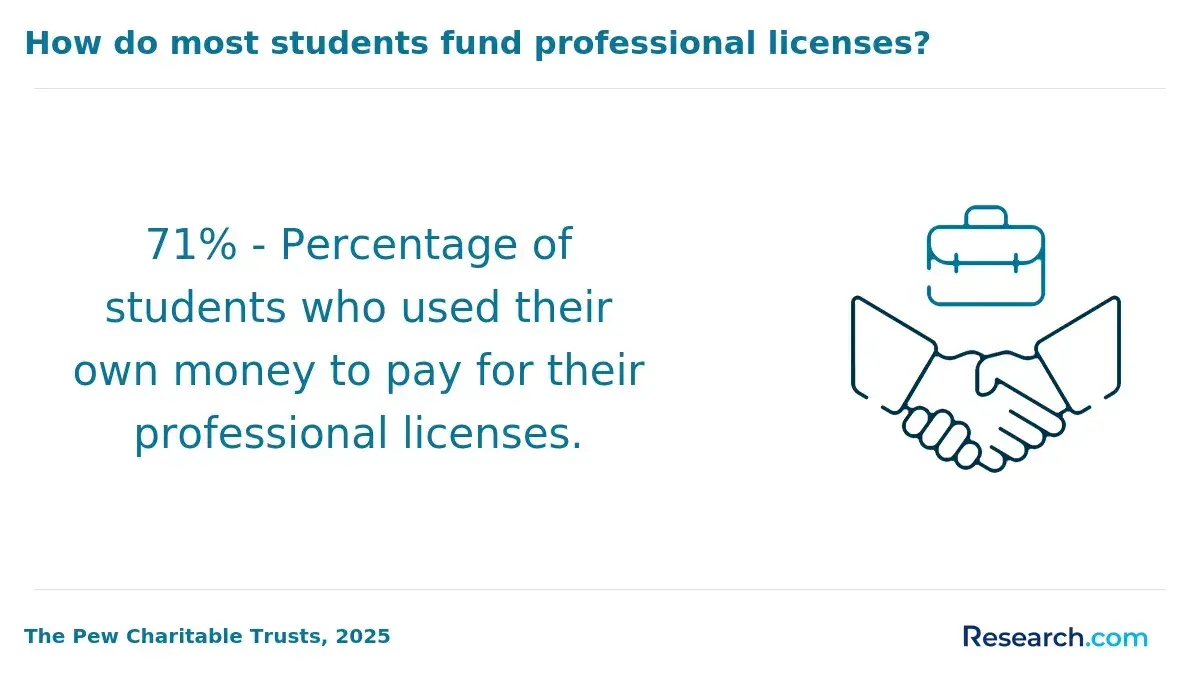
Degrees for HR compliance and risk management careers demand careful alignment with the regulatory complexities employers face today. Specializations focusing on labor law, occupational safety, and ethics prepare candidates to navigate evolving federal and state frameworks, including OSHA and wage regulations. However, degrees without embedded compliance tracks often necessitate additional certificates to meet industry standards.
Certificates in human resource management compliance programs serve as a practical complement by deepening expertise in audit protocols and risk mitigation. This is increasingly critical as employers prioritize candidates with targeted certifications that directly address compliance challenges-particularly in sectors like healthcare, where HIPAA regulations and patient data protection require specialized credentials. In contrast, manufacturing leans heavily on OSHA knowledge and labor union negotiation skills.
Professionals skilled in pay equity and benefits compliance report median salaries from $77,020 to $140,360, reflecting heightened demand for such roles. Students should also weigh program delivery modes and experiential learning components, such as compliance audits, which provide essential hands-on experience valued beyond theoretical training.
Those considering broader career pivots might evaluate options like a project management degree worth it as part of integrated planning. Balancing credentialing with real-world application remains crucial for effectively advancing within HR compliance and risk management amid changing workplace regulations.
How do HR compliance specializations differ from generalist and strategic HR tracks?
Compliance-focused human resource management specializations demand precise expertise in legal frameworks and regulatory adherence, distinguishing them sharply from strategic HR roles centered on leadership and organizational culture. For instance, a compliance HR professional working in manufacturing must rigorously implement OSHA safety standards, while strategic HR professionals focus on workforce planning and talent development. This specialization affects both daily responsibilities and the educational pathway needed.
Compliance specialists must master labor contract language, dispute resolution, and legislation such as the FLSA, ADA, and NLRA, making them essential in industries with intense regulatory oversight like healthcare and public services. Employers typically require ongoing certification and deeper legal knowledge for these positions, which leads to higher hiring standards and different career progression patterns compared to generalist tracks.
Strategic HR tracks prioritize aligning human resource management functions with business objectives without the legal technicalities compliance roles entail. The gap in expertise can expose organizations to compliance risks if HR generalists lack focused training. Those considering a shift into compliance HR should weigh the substantial additional coursework or certification required in labor law and negotiation.
From a workforce hiring perspective, labor relations specialists earn a median salary of $93,500 (BLS 2024), reflecting the premium placed on compliance skills versus broader HR roles. Professionals evaluating human resource management pathways benefit from programs that emphasize legal frameworks and practical contract management over generalized strategic courses.
Prospective students seeking a focused compliance specialization can also explore related offerings like an online hospitality management degree to consider adjacent fields with overlapping regulatory demands.
What courses and skills are emphasized in HR programs focused on compliance?
HR programs focused on compliance demand a nuanced balance between legal expertise and technical agility. Graduates must navigate varied regulatory landscapes-from multi-state labor laws in retail to patient data security in healthcare-while configuring HR information systems (HRIS) like Workday or SAP SuccessFactors to ensure accurate audit trails and reporting.
Employers increasingly value professionals who can interpret complex regulations alongside hands-on system management, as illustrated by the Robert Half Salary Guide projecting HRIS role salaries to grow at +2.4% annually. Developing competency in policy development, risk assessment, and incident response is not just theoretical but essential for operational effectiveness in heavily regulated sectors including finance and government.
Program graduates face a tradeoff between deep legal specialization and broad technical skills. Balancing this tradeoff impacts employability; for example, those with combined skill sets can proactively mitigate compliance failures through data analytics and real-time monitoring of workforce trends.
How do online HR compliance programs compare with campus options for quality and flexibility?
Employers increasingly prioritize candidates with up-to-date knowledge of evolving regulatory frameworks, particularly pay transparency laws and wage classifications, which online human resource management compliance programs frequently update through digital simulations and regulatory content refreshes. These programs offer flexibility that suits employed professionals, especially in sectors like healthcare and finance, where rapid regulatory shifts demand immediate integration of new mandates via webinars and interactive case studies. Conversely, campus programs typically provide richer networking and faculty interaction but struggle with scheduling adaptability and often suffer from delayed curriculum updates, impacting workforce readiness.
For roles such as payroll administrators, where compliance demands have sharply increased-by over 130% according to AIHR's HR career outlook-online programs that maintain recognized accreditation and measurable outcomes are a practical choice. However, prospective students must consider the breadth of compliance subjects covered, opportunities for live engagement, and alignment with industry-specific requirements when selecting a program. The tradeoff between current content accessibility and immersive collaboration is critical: online programs excel in delivering real-time regulatory knowledge, whereas campus settings foster intensive peer and instructor collaboration valued in certain organizational cultures.
Long-term career impact depends heavily on the program's reputation, practical curriculum, and how effectively it equips students to navigate compliance complexities under pressure rather than on format alone.
What accreditation and professional standards should HR compliance programs meet?
HR compliance programs must do more than nominally cover regulations; they require rigorous alignment with standards from entities like SHRM and HRCI to navigate complex employment laws effectively. These programs need to integrate federal mandates such as the Fair Labor Standards Act (FLSA), EEOC guidelines, OSHA requirements, and evolving state labor laws, which is critical as remote HR roles have surged 340% since 2020, amplifying cross-jurisdictional compliance challenges.
Real-world application is non-negotiable. HR professionals in multinational firms face continuous tension between federal policies and local workplace rules, requiring skills in employee document auditing, CCPA-driven privacy maintenance, and proper classification of gig economy workers. Accreditation is more than a credential; it reflects a curriculum that trains candidates in practical scenarios like wage-hour disputes, ADA compliance, and FMLA administration, reducing costly legal exposure for employers.
For prospective students, choosing a program verified by SHRM or HRCI standards translates into tangible career leverage since employers prioritize ongoing competency in a regulatory environment known for rapid change and significant enforcement risk. The real cost of noncompliance-ranging from litigation to damage to organizational reputation-makes comprehensive compliance education a strategic investment rather than a checkbox.
What are the typical admission requirements, program length, and costs for HR compliance study?
Choosing an HR compliance educational pathway involves balancing immediate workforce applicability against the time and financial investment required. Entry to most programs requires a bachelor's degree in human resource management or a related field, though some accept relevant professional experience. Prerequisites focus on foundational areas such as employment law, ethics, and organizational behavior, reflecting employer expectations for legal and ethical competence before certification.
Program lengths vary considerably: certificates can be completed in 3 to 12 months and cater to working professionals seeking focused, practical skills. Associate degrees take roughly two years, while bachelor's or master's programs extend from four to six years part-time, with master's degrees specialized in compliance-heavy areas typically lasting 18-24 months full-time. Online and hybrid formats mirror these durations but offer needed schedule flexibility.
Costs align with credential level and institutional type: certificates range from $1,500 to $7,000, associate or bachelor's degrees often cost between $15,000 and $50,000, and master's programs run approximately $25,000 to over $60,000. Prospective students must also consider additional expenses like textbooks and examination fees.
The U.S. job market employs nearly 2.2 million HR specialists and managers, underscoring the demand for compliance expertise, especially in sectors like healthcare and finance where regulatory compliance directly affects operational risk and turnover costs. Aligning education with recognized certifications and legal competency can critically improve placement in these competitive environments.
What HR job titles, salaries, and advancement paths align with compliance-heavy specializations?
Compliance-heavy HR roles require a unique blend of legal acumen and strategic workforce development, typically blending frontline regulatory enforcement with organizational culture shaping. Positions such as compliance officer, risk management specialist, and labor relations manager generally command salaries from $70,000 to $120,000 in mid-career, with senior compliance leaders exceeding $150,000. This salary range reflects the demand for professionals who can interpret complex federal regulations like FMLA, ADA, OSHA, and embed those requirements into actionable policy and training.
In practice, compliance specialists must balance rigorous analytical skills and auditing expertise with the capacity to design employee education programs, especially in regulated sectors like healthcare and finance. For instance, a compliance analyst at a healthcare firm might evolve into a role creating mandatory training compliant with HIPAA and CMS guidelines, breaking the traditional mold of legal-only HR compliance toward integrated learning.
Choosing between narrowly focused legal credentials (e.g., SHRM-CP, HRCI's PHR) and broader HR certifications with compliance components hinges on career goals: specialized legal routes may limit cross-functional mobility, while combined approaches unlock leadership opportunities embedding compliance within organizational learning strategies.
Employers increasingly prize candidates adept at forward-looking risk mitigation through staff training rather than reactive compliance. Advancing in this pathway requires deliberate selection of educational programs that fuse regulatory expertise with workforce development, facilitating roles that navigate both enforcement and culture shift effectively.
How do HR certifications like SHRM and HRCI support compliance-focused career growth?
HR certifications such as SHRM and HRCI are often prerequisites for senior compliance roles because they demonstrate verified expertise in navigating complex regulatory landscapes. For example, a certified HR professional working in healthcare must proficiently apply HIPAA alongside labor laws, whereas manufacturing HR specialists contend with OSHA and wage-hour rules. Employers value these certifications as evidence that candidates can mitigate legal risks, a critical factor given increasing regulatory scrutiny.
The Bureau of Labor Statistics reports a median annual salary of $140,030 for HR managers with an expected 5% job growth through 2034, a reflection of rising compliance demands. This growth favors certification holders, who can leverage updated compliance knowledge beyond what standard degrees offer, strengthening negotiation power for leadership roles.
Certification maintenance requires ongoing continuing education, which can be burdensome for working professionals balancing operational responsibilities. Yet, this commitment ensures their skills remain current amid evolving laws. Without recertification, career progression may stagnate.
Deciding to pursue certification involves weighing upfront costs and timelines versus immediate job needs. Companies with outdated compliance systems prioritize certified HR personnel to implement updated protocols and avoid penalties. Thus, professionals targeting compliance-focused career pivots or lateral moves should consider these credentials essential.
Other Things You Should Know About Human Resource Management
In 2027, both experience and specialization are crucial for compliance-heavy HR roles. Specialization ensures deep understanding of regulations, while experience provides practical application skills. Balancing both can enhance effectiveness in navigating complex compliance landscapes.
Labor relations is the strongest match. It covers collective bargaining agreements, grievance procedures, arbitration, and National Labor Relations Board rules. In many programs, students also take 3 to 6 credit hours in employment law, compensation, and dispute resolution, which are useful in union-heavy HR roles.
Transitioning without a compliance specialization is possible but requires additional on-the-job training and certification to build credibility. Generalist HR professionals often face a steeper learning curve and may struggle with regulatory complexities without focused study. Pursuing certifications or targeted coursework in HR compliance is advisable to accelerate qualification and meet employer expectations for compliance-heavy positions.
Compliance-focused HR roles typically involve sustained attention to regulatory changes, audits, and detailed documentation, which can lead to cyclical peaks in workload around legal deadlines. Generalist HR roles may have more varied daily tasks but often lack the intense regulatory pressure that compliance specialists face. Professionals seeking balanced workloads should consider how compliance demands affect work hours, stress, and the need for continuous learning.
References
- HR Specialist vs HR Generalist: What’s the Difference? https://www.theportfoliogroup.com/hr-specialist-vs-hr-generalist/
- The Role of HR in Ensuring Compliance with Employment Laws https://globalpeoplestrategist.com/the-role-of-hr-in-ensuring-compliance-with-employment-laws/
- HR Compliance Training for Employees: A Complete Guide https://studyacademy.co.uk/hr-compliance-training-for-employees/
- HR job titles: A complete list for the new world of work https://www.hibob.com/blog/hr-titles-new-world-of-work/
- HR Generalists vs. HR Specialists: The Real Difference Between An HR Generalist And An HR Specialist https://hrcertification.com/hr-generalists-vs-hr-specialists
- Top Human Resources Jobs in Demand 2026 https://www.careergroupcompanies.com/blog/top-human-resources-jobs-in-demand
- Why Get Your HR Management Degree Online? | Matchr https://matchr.com/blog/why-get-your-hr-management-degrees-online/
- Risk Management for Human Resources Training Course https://glomacs.com/training-course/risk-management-for-human-resources
- HR Compliance Training in 2026: Key Topics and Challenges https://www.ispring.com/knowledge-hub/hr-compliance-training
- Which HR Certification Should I Get? https://www.rasmussen.edu/degrees/business/blog/which-hr-certification-should-i-get/