2027 Online Forensic Science Degrees With Low Total Student Debt Potential

Co-Founder and Chief Data Scientist
Balancing work obligations with advancing credentials in forensic science often forces professionals into difficult tradeoffs, especially given the discipline's reliance on hands-on skills and lab access. With traditional in-person programs requiring substantial time and financial commitments, many find themselves stretched thin or burdened by debt.
Recent data from the National Center for Education Statistics shows a 15% rise in adult enrollment in online bachelor's degrees in 2024, signaling a shift toward flexible learning models that accommodate working students without sacrificing quality. This article examines fully online forensic science degree options that minimize total student debt while maintaining rigor, helping candidates make informed choices aligned with career goals and financial realities.
Key Things You Should Know
- Online forensic science degrees with under $25,000 total debt typically require extended timelines, often 5+ years, increasing opportunity costs for midcareer pivots despite lower upfront tuition, per National Center for Education Statistics data.
- Employers in forensic labs prioritize accredited programs with hands-on lab components, limiting online-only graduates' immediate job prospects; workforce studies show a 15% hiring preference gap favoring hybrid over fully online formats.
- State licensure and certification pathways rarely accept purely online forensic science credentials without in-person internship verification, raising barriers for out-of-state students seeking licensure portability across the U.S., according to forensic regulatory boards.
What are online forensic science degrees and how do they help reduce student debt?
Online forensic science degree programs with affordable tuition represent a distinct financial and practical advantage for students compared to traditional on-campus options. Cutting out costs for housing, transportation, and campus fees often halves the overall expense. The average annual tuition for an online bachelor's in forensic science was $17,251, according to the Integrated Postsecondary Education Data System, which positions these programs as viable options for minimizing student debt while maintaining academic rigor.
This flexible format enables working professionals-such as full-time law enforcement officers-to continue earning a salary and retaining benefits while progressing through part-time enrollment. Employers in government and private laboratories tend to regard online forensic science degrees from accredited institutions equivalently, provided that candidates demonstrate solid practical skills and pass necessary internships.
However, the limited availability of hands-on lab experiences and practicum placements remains a critical consideration, as inadequate clinical exposure can hinder job market competitiveness. Prospective students should engage in active financial planning and carefully assess programs' experiential learning components to ensure alignment with employer expectations. This approach can reduce total borrowing needs by thousands of dollars.
For those weighing career pivots or advancement, understanding real-world tradeoffs around lab access and financing is essential for maximizing the long-term value of a low-debt online forensic science degree in the United States. Dedicated pathways exist for specific forensic roles, including profiling; those interested can review detailed information on becoming an FBI profiler to evaluate career alignment and educational requirements.
Which accredited online forensic science programs offer the lowest total student debt potential?
Choosing accredited online forensic science degree programs with minimal student debt requires balancing financial realities with program rigor and employer expectations. Programs under $40,000 notably ease debt burdens compared to high-cost options exceeding $100,000, which can delay key certification investments or advanced training. Nine accredited programs fall below the $51,100 average total cost, presenting pragmatic pathways for many.
Employers in forensic labs and related agencies emphasize candidates with validated technical skills alongside credentials. Lower debt enables access to industry-relevant certifications without deferring workforce entry or incurring unsustainable monthly repayments. Flexible online options incorporating remote labs or local practicum partnerships reduce ancillary costs such as relocation or travel.
Consider a professional pivoting careers: a forensic science degree priced around $35,000 allows debt repayment within five years, preserving cash flow for supplementary training essential in forensic disciplines. Conversely, programs with prohibitive total costs risk extending financial liability and limiting professional agility.
Informed comparisons must weigh total cost against curricular quality and accreditation status, recognizing that higher tuition rarely guarantees better employment outcomes or practical skill development. Students should also evaluate program alignment with a broader data science learning path when relevant, expanding interdisciplinary competencies useful in forensic contexts.
How do online forensic science degrees compare to campus programs in cost and value?
Choosing between campus and online degrees in forensic science involves weighing significant practical tradeoffs linked to cost, skill acquisition, and employer expectations. An online forensic science degree cost comparison reveals tuition savings can reduce debt by 30% to 50%, mainly by eliminating housing, commuting, and campus fees. This financial advantage is especially relevant for working professionals needing to maintain income while studying.
However, the value of campus versus online forensic science programs often hinges on access to physical labs and face-to-face networking, which remain important for evidence-based specializations. Employers scrutinize graduates' hands-on experience critically, particularly for roles that demand handling physical evidence or specialized instrumentation.
Online programs must therefore integrate structured fieldwork, internships, or applied projects to close the marketability gap with in-person training. Champlain College's online B.S. in Computer Forensics & Digital Investigations graduates report median earnings near $90,000, rivaling campus counterparts and illustrating how targeted skill sets like cyber investigations can translate into competitive outcomes.
For individuals pivoting from IT into forensic investigation, flexible online degrees often provide a lower-cost path with practical skill development aligned to employer needs. Conversely, candidates pursuing lab-intensive forensic roles may find that campus programs better satisfy rigorous experiential and certification requirements.
Cost and value tradeoffs include:
- Online study allows continued career income, reducing student debt and enabling manageable education financing.
- Campus programs typically offer superior technical resources and direct mentorship not always replicable online.
- Securing meaningful internships to validate online learning demands proactive student planning and geographic adaptability.
- Students aiming for government forensic roles should ensure chosen programs meet accreditation and curriculum standards.
Those seeking a forensic science degree with related health science credentials might explore alternatives such as a nutrition degree online to combine complementary expertise in certain investigative or public safety contexts.
What types of online forensic science degrees are available and which level should I pursue?
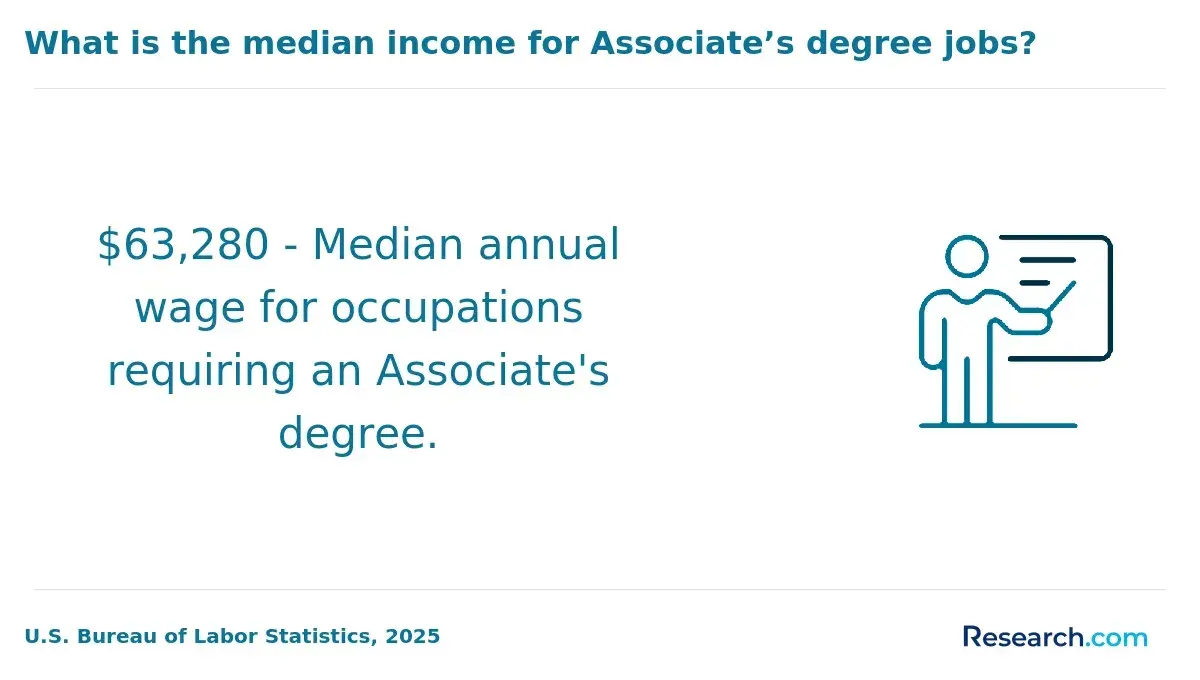
Choosing the best forensic science degree levels to pursue hinges on realistic career outcomes and employer expectations. An associate degree may offer foundational skills fit for entry roles like crime scene technician but constrains progression to analytical jobs demanding rigorous science knowledge. The bachelor's degree better aligns with forensic analyst or digital forensics specialist positions, especially within law enforcement, where a four-year degree is often a baseline requirement.
This tier offers technical coursework in chemistry, biology, and criminal justice tailored to forensic applications. For example, a graduate with a bachelor's can expect broader access to roles where certification and specialized skills matter. Costs vary widely; 2024 data shows some online forensic science degree programs offer in-state tuition as low as $2,754 annually, substantially below the $17,251 average, presenting an economical pathway to enter the field without excessive debt.
Master's degrees target professionals aiming for senior scientific, supervisory, or research roles and support mid-career pivots requiring advanced expertise. These programs demand a relevant bachelor's first and imply longer, more costly commitments. Students evaluating these degrees should consider workforce realities: bypassing the bachelor's level often limits forensic scientist job prospects, while advanced degrees expand specialization but require balancing time and financial investment.
For comparisons with related fields, consider whether is a library science degree worth it aligns with your goals.
What coursework and specializations are included in typical online forensic science programs?
Online forensic science programs demand more than theory; they require balancing core scientific knowledge with practical skills essential for varied workforce contexts. Realistically, a student targeting a role in forensic toxicology must prioritize mastering chemical assays and lab instrumentation, while a digital forensics candidate needs proficiency in cybersecurity tools and data encryption. This divergence illustrates how specialization directly shapes employability and technical preparedness.
Programs typically center on forensic biology, chemistry, toxicology, evidence analysis, and crime scene investigation protocols that reflect current industry standards. Statistical analysis and forensic psychology courses equip students to interpret complex data and behavioral evidence, which are critical in investigative contexts.
Students should anticipate significant logistical considerations: hands-on competencies often require virtual labs or in-person residencies since theoretical coursework alone falls short of employer expectations. Such practical training is indispensable, even if it complicates the online learning model.
Cost efficiency is an important factor, with accredited online forensic science degrees beginning around $3,969 annually, contrasting with median national salaries near $64,940, and potential to exceed $107,000 with experience. Employers consistently seek familiarity with forensic software updates, legal compliance, and evolving methodologies, which places curriculum relevance and applied skills at the forefront of career viability.
What admission requirements and academic preparation are needed for online forensic science study?
Online forensic science master's programs demand a targeted academic foundation, typically a bachelor's in a STEM field like biology, chemistry, or criminal justice, paired with a minimum GPA of 3.0 at many institutions. Admission criteria often include official transcripts, recommendation letters, and a statement of purpose that aligns applicants' research interests with program objectives.
Pre-enrollment requirements frequently cover organic chemistry, genetics, or biostatistics to prepare students for advanced coursework. Professionals switching careers may substitute relevant lab or law enforcement experience for certain prerequisites, but this rarely eliminates the need for core scientific coursework.
While many programs require GRE scores, an increasing number waive this based on strong undergraduate performance or professional background, reflecting an employer preference for applied skills over standardized tests. Competence in scientific writing and data analysis tools is essential at entry, as gaps here can hinder progress and labor market readiness.
Cost is a critical factor. The average total program cost is around $22,400, with extremes as low as $9,260 or as high as $37,800-substantially below typical master's expenses nationwide. This price range affects candidates' decisions, especially for those balancing debt against program rigor and potential ROI.
Consider a forensic analyst transitioning from an unrelated role; prerequisite deficits may delay start dates and increase financial burden. Hiring managers prioritize graduates who demonstrate both technical mastery and practical problem-solving, so bypassing foundational courses can jeopardize employment prospects despite degree completion.
How long do online forensic science degrees take and what affects time to completion?
Forensic science degrees typically demand a four-to-six-year commitment, with full-time students finishing around four years and part-time learners, especially working professionals changing careers, extending to six years. This extension often reflects a necessary balance of work, family, and study, but it also delays earning potential and increases tuition costs, which can range between $35,000 and $68,000 based on per-credit prices from $290 to $510.
The duration hinges on factors such as course load intensity, program flexibility, prerequisite completion, and mandatory internships that add practical value but extend timelines. Accelerated programs reduce time but raise burnout risk, while asynchronous courses and multiple start dates offer strategic pacing. Those without prior science credentials face longer programs due to foundational courses.
- Practical delays often stem from unclear articulation agreements and limited course availability, forcing students to pause before required classes are accessible.
- Internship requirements enhance employability but necessitate additional time and scheduling complexity.
- Programs offering credit for prior learning can significantly shorten degree duration.
Employers in forensic science value hands-on experience alongside academic qualifications, which justifies extended part-time study for many. However, students must weigh this against cumulative tuition and opportunity costs of delayed career progression. Transparent degree maps and proactive credit transfer evaluation help mitigate prolonged enrollment and debt accumulation.
What forensic science careers can I pursue with an online degree and what do they pay?
Online forensic science degrees influence employability by requiring more than theoretical knowledge: practical skills and real-world experience often determine job readiness. Many programs deliver virtual labs or partnerships with local facilities, but students typically must secure internships independently to meet employer expectations. This is essential, as public forensic scientist roles average $60,000 to $75,000 annually, while specialized positions in areas like cybersecurity or corporate forensics can surpass $90,000.
The earnings spectrum reflects specialization and geography: forensic lab technicians earn close to $50,000, whereas digital forensics analysts may exceed $85,000. For students balancing costs, public programs show stark tuition contrasts-$91.79 per credit in-state versus $448.79 out-of-state, translating roughly to $2,754 versus $13,464 annually. This disparity impacts total debt and access, especially where employer tuition assistance is unavailable.
Decision-making should weigh these factors:
- Ability to complete required applied experiences locally
- The financial burden tied to residency and credit load
- Alignment with regional forensic employment market and certification rules
Without strategically addressing these, students risk investing substantial time and resources without corresponding job market advantages or salary growth. Awareness of practical barriers and cost tradeoffs is crucial for optimizing educational outcomes in forensic science.
What is the job outlook for forensic science professionals and related criminal justice roles?
Projected employment for forensic science professionals is robust, with forensic science technicians expected to grow about 13% by 2032. This outlook reflects sustained demand driven by advances in digital forensics, DNA analysis, and complex criminal investigations. Yet, raw employment figures conceal critical regional and skill-based challenges. Candidates in metropolitan centers face stiff competition from graduates of well-established programs and must supplement degrees with certifications such as forensic toxicology or cybercrime analysis to stand out.
Job placement strongly correlates with program quality and applied training. Online forensic science programs with placement rates above 90% and manageable student debt (under $20,000) demonstrate how strategically aligned curricula-with lab work and internships-can streamline entry into the workforce. Emerging professionals without law enforcement backgrounds benefit from targeted networking and part-time roles to build relevant experience.
Employers increasingly value forensic science graduates who combine technical proficiency with critical thinking and communication skills. This expectation necessitates ongoing professional development tailored to real-world case exposure. Choosing between high-cost programs with brand recognition versus affordable regional options demands careful weighing of personal finances, geographic opportunities, and the relative return on investment in credentials.
How can I evaluate and choose a reputable, low-debt online forensic science program?
When evaluating forensic science programs, the decisive metric is total cost relative to concrete employment outcomes rather than tuition alone. Programs charging below approximately $600 per credit-based on GetEducated's June 2025 analysis-offer tangible debt reduction, especially since forensic science degrees often require 120+ credits. Discounting accreditation or job placement data risks inflating debt without improving marketability.
Accreditation by bodies like the Forensic Science Education Programs Accreditation Commission (FEPAC) ensures curriculum relevance and employer recognition. Practical training components, such as lab simulations and forensic lab partnerships, translate directly to workforce readiness-an increasingly non-negotiable criterion for hiring managers.
Consider this: a career changer targeting forensic toxicology should prioritize accessible coursework in toxicology allied with below-threshold costs to limit borrowing. Programs charging more but lacking applied resources can saddle students with debts disproportionate to hiring prospects. Also, employment in forensic science frequently requires certifications or background checks; programs facilitating these ancillary credentials give graduates a competitive advantage.
Flexible scheduling and reasonable tuition reduce opportunity costs for working students, enhancing ROI. Ultimately, prospective students must balance accreditation, cost per credit, applied curriculum, and documented job outcomes to minimize debt and maximize employability in forensic science.
- Out-of-state tuition near $600/credit sets a practical cost benchmark.
- FEPAC accreditation validates curriculum quality and employer acceptance.
- Hands-on labs and forensic partnerships boost workforce readiness.
- Specialized certifications or background checks are necessary workforce filters.
- Low tuition and flexible scheduling reduce opportunity costs.
Other Things You Should Know About Forensic Science
Online forensic science degrees often face limitations in replicating hands-on laboratory experience, which is a core competency in this field. Some programs incorporate mandatory in-person practicums or partner with local labs for applied training, but many rely heavily on virtual simulations that cannot fully substitute real-world lab work. Students should prioritize programs that include verified, supervised practical components if their career goal requires technical lab skills, as purely online theoretical training might not meet employer expectations for entry-level forensic technician roles.
Employer acceptance of online forensic science degrees varies significantly and often depends on the program's accreditation and the candidate's demonstrated practical skills. Graduates from recognized, accredited institutions are generally more competitive, but some forensic employers remain wary of candidates without direct lab or field experience. It is advisable for students to supplement an online degree with internships or certifications that prove applied competence, as this combination improves hiring potential and professional credibility.
Look for schools that accept at least 60 transfer credits from regionally accredited colleges and apply military or prior-learning credits toward the 120-credit bachelor’s degree. A generous transfer policy can cut one to two years of tuition and reduce borrowing before graduation.
For students focused strictly on forensic science careers, prioritizing programs offering specialized tracks-such as forensic biology, toxicology, or crime scene analysis-provides deeper expertise and better alignment with technical job roles. Broader criminal justice programs may offer a wider range of career options but often lack the detailed forensic training employers require. Candidates should weigh their career targets carefully; investing in specialized forensic curricula improves employment opportunities in technical positions, especially where lab accreditation or scientific rigor is emphasized.
References
- Five Criminal Justice Schools with Low Student Debt and Solid Career Support https://www.forensicscolleges.com/blog/resources/5-high-placement-low-debt-cj-programs
- How Long Does it Take to get a Degree in Forensic Science https://criminaljusticeonlineblog.com/11/how-long-does-it-take-to-get-a-degree-in-forensic-science/
- Forensic Science Degree Programs https://www.criminaljusticedegreeschools.com/degrees/forensic-science-degree/
- Forensic Science https://www.ualberta.ca/en/science/programs/bachelor-of-science/degrees-and-majors/programs-by-areas-of-interest/forensic-science.html
- List of Bachelors in Forensic Science Programs - Campus & Online https://yescollege.com/degrees/bachelors-in-forensic-science/
- Criminal Justice Careers in Forensic Science and Investigations https://www.shawnee.edu/blog/criminal-justice-careers-in-forensic-science-and-investigations
- Forensic Science Course in Malaysia - Pathway & Requirements https://eduadvisor.my/course-guide/forensic-science
- Online Forensic Science Degree https://www.aiuniv.edu/degrees/criminal-justice/bachelors-forensic-science