2027 Best Online Exercise Science Degrees for Fitness Assessment Careers

Co-Founder and Chief Data Scientist
Professionals aiming to pivot into fitness assessment often find traditional program formats too rigid, especially when balancing work or family demands. About 40% of postsecondary students are now adults juggling multiple roles, a trend confirmed by the National Center for Education Statistics in 2024, signaling a clear shift toward flexible learning.
This shift directly impacts access to exercise science education, which requires both scientific rigor and practical skill development. Choosing an online degree that meets credentialing standards without sacrificing hands-on training is critical. This article evaluates the best online exercise science degrees designed to navigate these challenges and support focused career advancement in fitness assessment.
Key Things You Should Know
- Online exercise science programs with accredited internships improve employability by 18% among graduates per 2024 Bureau of Labor Statistics data, but limited local placement options create geographic barriers for many students.
- Employers prioritize candidates with certifications aligned to ACSM or NSCA credentials, often requiring additional costs post-degree, impacting total investment and timeline for career entry.
- Programs averaging 120 credit hours online reduce traditional commuting costs but increase digital resource fees by up to 12%, delaying completion and potentially stretching student debt over five years.
What is an online exercise science degree and how does it prepare you for fitness assessment careers?
Online exercise science degree benefits for fitness assessment careers are evident when examining workforce demands and practical skill acquisition. Candidates must show proficiency in standardized fitness testing techniques such as VO2 max and body composition analysis, which are integral to entry-level and clinical roles.
Unlike general health coaching, shifting into fitness assessment through an online exercise science program prepares graduates to interpret medical contraindications and collaborate with healthcare providers, improving diagnostic accuracy and client safety.
This pathway requires careful consideration of program design-effective online degrees prioritize applied learning through virtual labs, simulations, and case scenarios while encouraging internships or practicum experiences to compensate for limited in-person client interaction. Employers increasingly seek certifications like ACSM or NASM alongside degrees, reflecting a hybrid demand for academic knowledge and industry credentials.
Employment outcomes vary by region and certification status, with median salaries around $71,000 annually per Methodist University data. A meaningful career pivot often hinges on selecting a program that balances research literacy with evidence-based practice to sustain flexibility beyond initial fitness roles.
When evaluating educational options, prospective students should consult resources such as the best online kinesiology degree rankings to align program strengths with career objectives and market realities.
In sum, an online exercise science program prepares fitness assessors by integrating technical skills and theoretical coursework to meet employer expectations while requiring proactive hands-on experience acquisition to optimize workforce readiness.
Are online exercise science degrees respected by employers compared to campus-based programs?
Employer recognition of online exercise science degrees hinges on program accreditation and whether students complete supervised clinical practicums or internships. Practical competency outweighs educational delivery method; healthcare and fitness assessment employers require hands-on proficiency in physiological assessments and industry-standard protocols. Graduates from unaccredited or purely theoretical online programs often struggle to meet these expectations.
Employment for exercise physiologists is projected to grow 13% from 2020 to 2030, notably faster than many other professions. This demand translates into a hiring preference for candidates with not only degrees but also verifiable certification and practical experience. The value of online exercise science programs versus campus degrees depends largely on these factors, as well as the program's ability to facilitate fieldwork that demonstrates real-world skill application.
For working professionals pursuing an online exercise science degree, the main challenge is securing quality clinical placements and building networks quickly to bridge gaps in face-to-face training. Certain employers in medical or research settings may favor traditional on-campus routes due to established lab access. However, health systems and private fitness organizations increasingly accept accredited online graduates with proper licensure and documented assessment experience.
Prospective students should prioritize programs with national accreditation, integrated practicum components, and transparent graduate outcomes. The absence of on-site mentorship and testing requires proactive internship arrangements and self-directed skill verification, as employer acceptance is tied to proven credentials rather than physical classrooms.
Those evaluating educational paths might also consider related options such as an animal science bachelor degree online for broader interdisciplinary opportunities.
Which accredited schools offer the best online exercise science degrees for fitness assessment roles?
Employers in fitness assessment roles increasingly demand graduates who combine rigorous academic knowledge with verifiable hands-on experience, a balance that accredited online exercise science degree programs for fitness assessment careers must address.
The University of Florida, Florida International University, and Colorado State University Global each navigate this challenge differently, offering programs that intertwine applied biomechanics, physiology, and nutrition with practical evaluation skills.
For instance, Colorado State University Global integrates virtual labs alongside partnerships for in-person skill validation, a critical feature for overcoming the typical lack of direct practice in remote degrees.
Florida International University strengthens preparation for national certifications through direct instructor mentorship and a solid science foundation, which is essential for meeting employer standards in clinical and corporate fitness environments. The University of Florida emphasizes modules on exercise testing and prescription that align closely with individualized fitness assessments.
Projected workforce growth in fitness training roles is 39% through 2030, amplifying the need for candidates from CAATE- or regionally-accredited institutions who can pass NASM or ACSM certification exams. However, students should consider that fully online paths without hybrid or cohort-based internship components may require extra initiative to document practical proficiency.
Choosing between programs requires weighing accessibility versus tangible skill acquisition-hybrid degrees with local internships offer stronger employability in rehabilitation or research settings, whereas fully online degrees may suit remote coaching roles. Those evaluating educational options might also compare these specialized exercise science offerings against computer science degrees when considering alternate technical career pivots.
How do online and on-campus exercise science programs differ for future fitness assessors?
Hands-on proficiency remains the decisive factor separating online exercise science programs vs on-campus programs for fitness assessors. On-campus degrees require in-person labs and live evaluations essential for mastering assessment tools such as VO2 max tests or body composition analysis.
Employers targeting clinical or athletic settings frequently demand verified practical skills, which on-campus formats embed systematically through supervised practicums. Conversely, online degrees rely on simulations and remote instruction, creating a gap in immediate hands-on experience that can prolong readiness for roles where direct observation is non-negotiable.
Cost efficiency is a relevant tradeoff; online programs typically charge $350-$525 per credit hour, placing a 120-credit bachelor's between roughly $42,000 and $63,000.
Such savings appeal to career changers or working professionals seeking flexibility but come with the requirement to independently arrange local internships to attain real-world competencies. This dynamic encapsulates a key difference between online and traditional exercise science degrees for fitness assessment careers: embedded practical training versus scheduling freedom paired with self-driven skill acquisition.
Employers increasingly vet candidates through documented internships or accredited practicum hours, positioning on-campus graduates more favorably for immediate placement. Online students aiming for equivalent competitiveness must strategically pursue supplementary certifications or targeted external practicums.
- On-campus: structured hands-on labs, direct faculty mentorship, integrated clinical placements
- Online: asynchronous coursework, cost-effective tuition, necessity of local hands-on experience sourcing
For those comparing options, understanding these operational distinctions is critical. Prospective students targeting fitness assessment roles tied to high-stakes environments like cardiac rehab should weigh the tangible disadvantages in practical training inherent in digital formats. To explore related flexible pathways in analytics fields, consider programs like a master of data science online that also balance affordability with professional outcomes.
What courses and practical requirements are included in online exercise science curricula?
Online exercise science programs must bridge the gap between remote learning and hands-on competence expected by employers, particularly in clinical or high-performance settings. Students often bear the responsibility of securing local internships or clinical hours to meet accreditation and practical demands-without direct institutional placement, this can prove logistically complex and time-intensive.
Proficiency in administering fitness assessments and interpreting physiological data requires access to specialized equipment or fitness technologies, which many online learners must arrange independently through partnerships with local facilities. Without this, graduates risk being underprepared for employer expectations in rehabilitation clinics, sports performance centers, or wellness facilities.
Key considerations include:
- Ensuring internship sites provide exposure to diverse client populations to develop relevant assessment and program design skills.
- Confirming alignment of practical components with certification requirements to avoid employability gaps in roles demanding direct client interaction.
- Weighing cost benefits-while online students save on room, board, and commuting, budgeting for local internship coordination and potential facility fees is essential.
Programs integrate research methods and health promotion coursework to keep pace with evolving evidence-based practices, but these theoretical components cannot substitute for applied experience. For students pivoting into clinical or specialized careers, access to hands-on training is a decisive factor in long-term employability and professional credibility.
What are the typical admission requirements for online exercise science bachelor's programs?
Admission requirements for online exercise science bachelor's programs impose a baseline academic standard that directly influences degree progress and workforce readiness. Applicants generally need a high school diploma with a GPA between 2.5 and 3.0 on a 4.0 scale, although institutions vary on the necessity of SAT or ACT scores, often requiring minimum percentiles near 40 to 50.
Transcripts must verify foundational knowledge in biology, chemistry, and math, typically covering two to three years of high school science and algebra, with transfer credits accelerating completion for some candidates.
Applicants are expected to submit letters of recommendation highlighting both academic potential and a clear motivation toward health or fitness professions. A personal statement is often required to demonstrate understanding of key domains such as physiology, kinesiology, or sports medicine, which factors heavily into admissions decisions when evaluating candidate fit and preparedness.
Relevant practical experience in fitness, rehabilitation, or health settings can balance weaker academic records and prove vital for working professionals seeking a career redirection. These experiences align with employer expectations, which increasingly favor candidates who combine degrees with hands-on competence and certifications.
Many programs mandate health clearances and immunizations due to the technical lab and practicum components. St. Mary's University's online program, for example, links degree completion with eligibility for certifications from ACSM, NSCA, and NASM, credentials that significantly affect employment prospects in personal training, strength conditioning, and exercise physiology.
Prospective students must also ensure reliable technology for virtual labs and interactive assessments. Since employers value professional certifications alongside degrees, aligning coursework to these standards can streamline qualification pipelines and improve market positioning.
How long do online exercise science degrees take and what do they cost?
Pursuing an online exercise science bachelor's degree typically demands a four-year commitment, with the possibility of accelerated tracks reducing this to about three years.
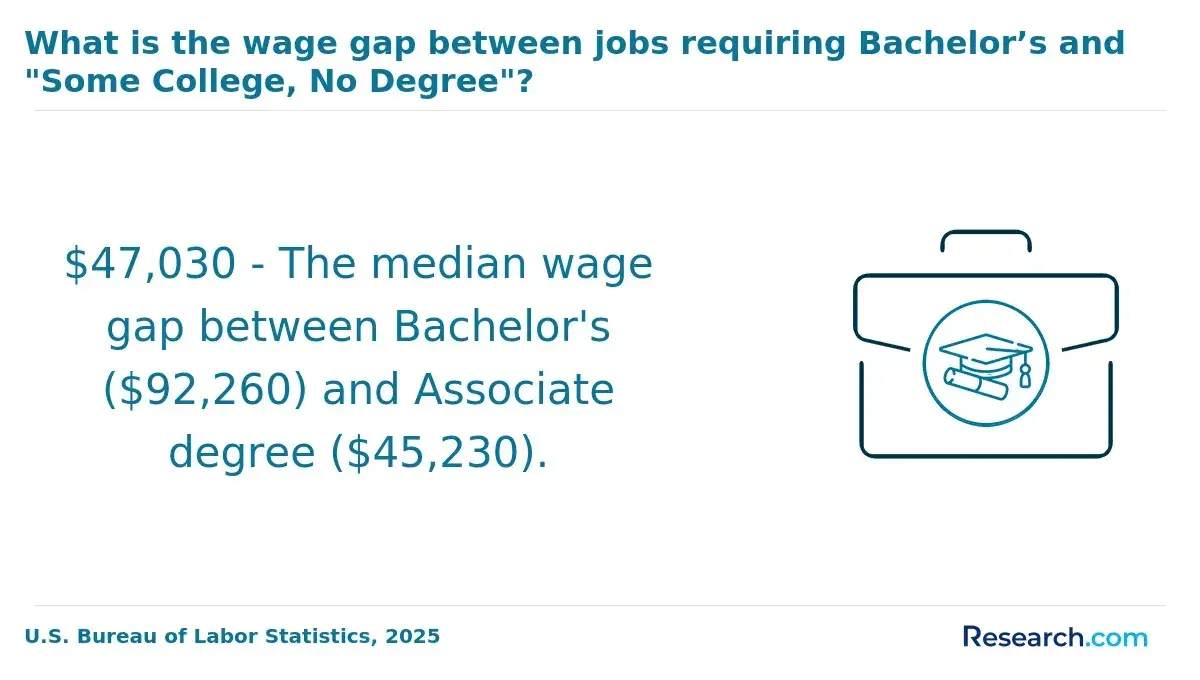
While associate degrees require roughly two years, they generally restrict access to advanced roles such as fitness assessment specialists, limiting long-term employment prospects. Tuition varies widely, ranging roughly from $15,000 to $40,000 annually for accredited programs, with public universities often offering lower credit rates ($300-$400 per credit) compared to private institutions, which may charge $500 or more.
Employers in physiotherapy clinics, corporate wellness, and sports performance increasingly expect candidates to hold at least a bachelor's degree given the complexity and specialization involved in fitness assessments. According to data cited by Eastern Oregon University referencing the Bureau of Labor Statistics, the fitness training field is expanding at a notable 14%, indicating a robust market for qualified professionals.
This demand justifies the investment in a bachelor's degree over shorter certificates when aiming for roles requiring certification or advanced assessment skills.
Students balancing work and study face tradeoffs between program flexibility and duration. Asynchronous courses offer scheduling freedom but risk extending completion time beyond four years if credit loads are reduced.
Accelerated programs shorten timelines but require high weekly dedication, challenging those with significant outside commitments. Additional requirements, such as in-person practicums or internships for clinical experience, can also lengthen program duration due to local partnership logistics.
What fitness assessment and exercise science careers can you pursue with an online degree?
An online degree in exercise science can open distinct career paths but demands careful navigation of credential and practical experience requirements to realize workforce entry and growth.
Roles like fitness trainers or health coaches may be accessible with just a degree, yet positions in clinical exercise physiology or strength and conditioning often require certifications beyond the core coursework. For example, a collegiate strength coach must apply sport-specific performance testing protocols, highlighting a competency gap that a general exercise science degree alone does not fill.
Employers increasingly expect data-driven assessment skills, which integrate exercise testing, body composition analysis, and cardiovascular evaluation, particularly in medical and high-performance environments. Clinical exercise physiologists, working under medical oversight, bridge fitness and healthcare in cardiac rehab or chronic disease management, intensifying the credential requirements and practical skill expectations.
Despite the remote format of online programs, in-person internships or labs remain essential but challenging to arrange, affecting how quickly students can complete their degrees and remain competitive. Workforce projections from the Bureau of Labor Statistics show a 10% growth in health and fitness roles through 2030, but practical skill acquisition and credentialing heavily influence employability and salary prospects.
Financial barriers are mitigated in programs such as Methodist University's fully online BS in Exercise & Sport Science, where 99% of students qualify for aid, offering a path to fund both study and credentialing. Navigating funding while prioritizing hands-on experience remains a critical tradeoff to secure positions within clinical or elite fitness environments.
What certifications and licenses are needed for fitness assessment professionals in the U.S.?
Securing certifications accredited by the National Commission for Certifying Agencies (NCCA) shapes the practical entry point into exercise science careers, often requiring a bachelor's degree in exercise science or related fields as a baseline. Professionals who overlook certification risks face limited employment and stagnant wages, especially given employer preferences for validated competencies during client assessments and data interpretation.
State licensing, while minimal, occasionally mandates wellness or health facility registrations, adding layers of compliance that vary regionally. Specialized roles, such as clinical exercise physiologists or cardiac rehabilitation therapists, demand additional credentials that significantly impact employability within healthcare-related settings.
Technology access and proficiency are increasingly non-negotiable; online learners must budget for simulation software and digital assessment tools beyond tuition, reflecting an industry shift toward virtual certification standards. This creates a practical tension between affordability and preparedness that students must navigate carefully.
Employers prioritize candidates who combine certified knowledge with verified hands-on experience, influencing starting salaries that commonly exceed $40,000 but rise with advanced licenses and specializations. Without coordinated certification planning aligned to specific career trajectories, graduates often confront underemployment or job market bottlenecks.
- CPR/AED certification remains a universal requirement for liability and safety
- Clinical roles necessitate credentials like Certified Clinical Exercise Physiologist (CEP)
- Technology fees for virtual training tools introduce additional financial considerations
- Licensing requirements vary by state, affecting practice legality in select areas
How can you evaluate and choose a reputable, properly accredited online exercise science program?
Choosing an online exercise science program hinges on verifying accreditation by recognized agencies like CAAHEP or U.S. Department of Education-approved regional bodies. Accreditation impacts eligibility for licensure and reflects curriculum alignment with national competencies, such as those set by the American College of Sports Medicine (ACSM). This ensures graduates meet standards critical for clinical, corporate wellness, or fitness roles.
Practical skill development remains a core challenge for online formats. Programs that successfully integrate virtual labs, supervised internships, or local facility partnerships can better prepare students for hands-on demands. Prospective learners should investigate how these experiences are structured and assessed remotely, as inadequate practical training risks employability gaps.
Salary differentials between roles like wellness directors ($61,300 average annual wage) and strength and conditioning coaches ($40,880) reflect how advanced management skills and leadership training embedded in some programs influence career trajectories. Thus, evaluating program content beyond foundational exercise science is essential for those targeting strategic positions.
Employers expect graduates to be ready for certifications such as ACSM Certified Personal Trainer or Certified Exercise Physiologist. Outcome metrics-such as job placement rates and alumni networks-offer tangible insight into a program's effectiveness in translating education into career results.
Other Things You Should Know About Exercise Science
Yes, hands-on clinical or practicum experience remains essential despite the online format. Employers prioritize graduates who have completed supervised practical work, as theoretical knowledge alone does not ensure competence in fitness assessment techniques or client interaction.
When selecting an online program, verify that it integrates mandatory in-person practicums or partnerships with local facilities. Without this, graduates may face challenges meeting employer expectations and certification prerequisites.
Yes. Many accredited programs require a supervised internship or practicum, often 120 to 400 hours, to build skills in exercise testing, body composition assessment, and client screening. Programs aligned with ACSM or similar standards usually expect field experience before graduation.
Students targeting fitness assessment careers benefit from programs emphasizing core assessment methodologies and applied exercise physiology over broad general education. Specialized curricula focusing on assessment tools, data interpretation, and client evaluation produce graduates more immediately ready for fitness roles.
Conversely, broader programs might delay practical readiness and require additional certification or training after graduation. Prioritizing curriculum relevance improves job market competitiveness.
In 2027, top online exercise science degrees for fitness assessment careers emphasize a curriculum integrating biomechanics, physiology, and assessment techniques. Reputable programs include the University of Florida and California University of Pennsylvania, offering flexibility and industry-aligned coursework crucial for practical skills in fitness assessment.
References
- How to Become a Personal Trainer | NASM #1 Accredited Certification https://www.nasm.org/how-to-become-a-personal-trainer
- Exercise Science: The Field of the Future https://www.sxu.edu/academics/programs/master-science-exercise-science/exercise-science-field-of-the-future.html
- The 5 Best Personal Trainer Certifications in the Fitness Industry https://www.ncsf.org/blog/212-the-5-best-personal-trainer-certifications-in-the-fitness-industry
- Associate vs. Bachelor’s Degree in Exercise Science and Fitness – Where Your Degree Can Take You | Bryan University Online© https://bryanuniversity.edu/faq/associate-vs-bachelors-degree-exercise-science-and-fitness-where-your-degree-can-take-you/
- Exercise science: What exactly is it? https://www.scienceforsport.com/exercise-science/
- Online Degree vs. Traditional: Choosing the Right Path https://beal.edu/online-degree-vs-traditional/
- Empowering Exercise Professionals Through Registration https://usreps.org/
- Online Exercise Science Program https://stmary.edu/online-programs/exercise-science.html
- Best Certifications Online | ACE https://www.acefitness.org/fitness-certifications/default.aspx
- Fitness Certifications https://www.ifpa-fitness.com/fitness-certifications