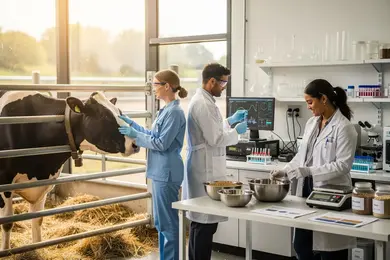
2026 Online Animal Science Master's Programs at Accredited U.S. Universities

Co-Founder and Chief Data Scientist
Deciding on an online animal science master's program involves more than coursework and tuition. Prospective students must navigate varied admission criteria, fluctuating per-credit costs, and the nuances of accreditation that influence licensure and employer recognition. With the National Center for Education Statistics reporting a 12% growth in overall online graduate enrollments in recent years, understanding the structure and hidden fees of online programs becomes crucial for long-term career mobility.
This guide analyzes program delivery formats, financial aid options, and workforce outcomes, helping candidates-whether career shifters or first-generation grads-make a strategic, data-grounded choice aligned with their professional goals.
Key Things to Know About Online Animal Science Master's Programs at Accredited U.S. Universities
- Admission flexibility often requires prerequisite coursework in biology or statistics, limiting enrollment timing; prospective students must balance previous coursework gaps against program start dates and personal schedules to avoid delayed graduation.
- Online delivery suits place-bound learners but can reduce hands-on experiences valued by employers, creating a tradeoff between convenience and field-specific skill development critical in animal health roles.
- Per-credit costs vary widely; higher tuition may predict stronger career support but increases financial risk, amplifying the need to evaluate net return on investment before committing to a program.
What Is the Overall Structure and Purpose of Online Animal Science Master's Programs at Accredited U.S. Universities?
Online animal science master's programs at accredited U.S. universities exist primarily to bridge the gap between rigorous scientific training and the logistical constraints faced by diverse learners, including working professionals and first-generation graduate students. Their accredited format guarantees alignment with academic standards necessary for employment credibility and professional licensure, while their design reflects a balance between theoretical grounding and practical application.
Unlike traditional on-campus programs, these online degrees offer flexible pacing without compromising curricular rigor, which is essential when students must weigh financial investment against real-world skill acquisition in a competitive job market.
- Academic Structure: Most programs require completion of 30 to 36 credit hours, integrating core animal science theory with electives tailored to specialization areas like livestock management, genetics, and nutrition. A thesis or capstone project often culminates the curriculum, reinforcing research competencies critical for roles demanding analytical problem-solving.
- Delivery Methods: Coursework is primarily asynchronous to accommodate diverse schedules, but many programs incorporate synchronous elements such as seminars or collaborative labs to mimic hands-on learning experiences typically restricted to campus settings. This hybrid approach influences how students manage time and engagement, critical for balancing study with existing professional or personal commitments.
- Time-to-Degree: Programs generally span two to three years, favoring part-time enrollment, which aligns with the practical realities of career changers and place-bound students. Accelerated tracks exist but often require full-time dedication, posing financial and logistical tradeoffs that prospective students must evaluate in light of their circumstances.
- Purpose and Focus: Beyond accruing knowledge, these programs emphasize skills that respond to industry trends such as sustainable agriculture and biotechnology innovations. Graduates are expected to be adept not only in research methodologies but also in applying emerging techniques to contemporary animal welfare and production challenges.
- Role of Accreditation: Accreditation serves as a critical filter for employers and credential evaluators, confirming that graduates meet consistent academic and professional benchmarks. This assurance affects graduates' eligibility for certifications, government grants, and doctoral studies, making it a pivotal consideration for those evaluating online animal science master's program curriculum design.
Prospective students might also explore related opportunities such as the cheapest DNP programs online for adjacent clinical leadership pathways, highlighting the strategic interplay between clinical and administrative healthcare roles in long-term career planning.
Table of contents
Which Accrediting Bodies Recognize Online Animal Science Master's Programs, and Why Does Accreditation Status Matter?
Choosing an online animal science master's program without verifying its accreditation can jeopardize a student's future mobility, financial aid access, and professional credibility. For instance, a working professional planning a career transition may find their credits non-transferable or their credentials unrecognized by employers if the program lacks proper accreditation.
- Regional Accreditation: Granted by one of seven agencies recognized by the U.S. Department of Education, regional accreditation validates an institution's overall academic quality and administrative practices. This broad approval is essential for credit transfer between institutions and enables federal financial aid eligibility, which is critical for many students managing tuition investment.
- Programmatic Accreditation: Focused on specific fields, programmatic accreditation assesses the rigor and relevance of particular academic programs within animal science and its subfields. Specialized bodies provide this accreditation, which can be mandatory for licensing or employer recognition in certain professional tracks, signaling a program's alignment with industry standards.
- Credit Transfer and Financial Aid: Regional accreditation underpins smoothly transferring graduate credits and qualifying for federal grants or loans. Without it, students might face hidden costs or barriers when changing programs or seeking financial support, compromising the return on investment of their education.
- Licensing and Employer Recognition: Some animal science careers require credentials from programs endorsed by professional agencies affiliated with state licensing boards or key employers. Overlooking programmatic accreditation in these cases risks employment disqualification regardless of degree completion.
- Quality and Professional Alignment: Regional accreditation ensures baseline educational standards, but programmatic accreditation can distinguish programs with superior and specialized curricula important to research institutions and employers.
- Due Diligence: Prospective students must confirm that their targeted online program holds both required regional and any applicable programmatic accreditations before considering cost, delivery mode, or prestige to safeguard career outcomes and educational value.

What Are the Admission Requirements for Online Animal Science Master's Programs at Accredited U.S. Universities?
Admission criteria for online animal science master's programs at accredited U.S. universities reveal significant variation, reflecting institutional priorities and applicant profiles. Candidates assessing these prerequisites should recognize that meeting baseline requirements seldom ensures acceptance; rather, a competitive edge often depends on surpassing minimums and aligning with program emphasis.
For working professionals or recent graduates, this distinction influences the return on investment in tuition and time, particularly when balancing program rigor against career intentions.
Undergraduate GPA: Generally, a minimum GPA near 3.0 is required, but selective programs-often private or research-intensive institutions-typically expect closer to 3.3 or higher, signaling greater academic focus.
Prerequisite Coursework: Foundational classes in biology, chemistry, and animal science are standard. Some institutions demand advanced courses in genetics, nutrition, or physiology to ensure readiness for specialized study.
Letters of Recommendation: Two to three references from professors or industry professionals familiar with the applicant's skills and commitment are crucial. Robust endorsements can strengthen applications where GPA or experience is marginal.
Personal Statements: These essays must clearly articulate career objectives and alignment with program goals, especially for research-oriented tracks.
Standardized Tests: The GRE has become optional or waived in many programs, particularly within public universities, though requirements vary and may depend on undergraduate performance or professional background.
Professional Experience: While not always mandatory, relevant work or research exposure enhances applications, especially for candidates with lower academic metrics.
Institution Type and Selectivity: Private and more selective programs commonly impose stricter entry standards and cater to research-focused careers, whereas public or open-enrollment schools prioritize accessibility, often accommodating non-traditional students, career changers, or those lacking a related undergraduate degree through conditional admission or prerequisite pathways.
Competitiveness Versus Minimums: Researching median admitted student profiles is essential for realistic application planning, as minimum requirements serve only as admission thresholds.
Applicants seeking to transition into animal science or weighing online animal science master's program prerequisites in the United States should also consider financial and curricular alignment with career goals, including comparisons with programs such as a health information technology degree which, while in a different field, similarly balances costs and accessibility for working professionals.
What Is the Minimum GPA Requirement for Animal Science Master's Program Admission, and How Does Selectivity Correlate With Program Reputation?
The minimum undergraduate GPA required for admission to online animal science master's programs varies significantly by institution, reflecting complex tradeoffs between admission standards and actual program outcomes. While a 3.0 GPA is generally considered the baseline across many accredited programs, this figure should not be seen as a definitive benchmark for acceptance or post-graduate success.
Institutions with more selective reputations tend to set higher cutoffs around 3.3 to 3.5, yet a higher GPA requirement does not necessarily translate into better licensure results or stronger career trajectories. Some less selective programs with lower GPA thresholds achieve comparable graduate performance through practical training and industry connections.
- Minimum GPA Range: Most programs maintain a minimum GPA near 3.0; however, selective programs often expect 3.3 or more, while a small number of open enrollment models consider candidates below 3.0 if supported by relevant experience or coursework.
- Selectivity and Reputation: Elevated GPA minimums correlate with perceived institutional prestige but do not guarantee improved licensing outcomes or employer recognition; applied learning approaches in lower-tier programs can yield strong workforce readiness.
- Holistic Evaluation: Admissions decisions weigh GPA alongside factors like professional background, letters of recommendation, and personal statements. Strength in these areas can offset marginal GPA shortfalls.
- Conditional Admission Pathways: Applicants hovering below GPA cutoffs might pursue conditional acceptance, post-baccalaureate programs, or preparatory coursework to build academic credentials before full admission.
- Pragmatic Considerations: Prospective students must balance GPA expectations with other priorities like program delivery format, faculty expertise, and cost efficiency, as higher selectivity does not always equate to better long-term return on investment.
One graduate recalled applying to an online animal science master's program with a GPA slightly below the posted minimum. During the rolling admissions cycle, uncertainty about acceptance lingered due to delayed evaluation of work experience and recommendations.
She hesitated to commit financially until her application received a full review, reflecting how timing and holistic assessment can affect decision-making under ambiguous academic thresholds. This experience highlights the importance of patience and strategic communication in navigating programs with nuanced GPA expectations.
How Many Credit Hours Are Required to Complete an Online Animal Science Master's Program, and How Does This Affect Total Cost and Time-to-Degree?
Master's programs in animal science online typically demand between 30 and over 60 credits, reflecting significant variation based on factors like thesis obligations, practicum components, and accreditation criteria. These elevated credit requirements, often exceeding those of other disciplines, stem from the field's integration of applied methodologies, lab work, and experiential learning essential to workforce readiness.
Because tuition is often charged per credit, total program cost depends as much on credit load as on per-credit rates. For instance, a 30-credit program billed at $800 per credit would amount to about $24,000, whereas a 60-credit program priced at $600 per credit could total $36,000. This disparity illustrates how lower per-credit charges can be offset by longer program duration, impacting overall affordability.
Credit hour demands also directly influence time-to-degree, particularly for part-time students balancing professional and personal responsibilities. Completing fewer credits may span two years, while doubling the required credits can extend completion time beyond four years, increasing indirect costs like housing and lost wages.
- Credit Range: Online animal science master's programs often require 30-60+ credits, driven by thesis and practicum needs tied to accreditation.
- Cost Interaction: Tuition per credit multiplied by total credit hours determines final cost; longer programs generally incur higher expenses despite lower credit rates.
- Time-to-Degree: Greater credit loads typically prolong completion, raising living costs and opportunity costs for part-time students.
- Decision Impact: Evaluating only per-credit tuition without total credits risks underestimating the real financial and time investment.

What Specializations and Concentrations Are Available in Online Animal Science Master's Programs at Accredited Universities?
Specializations within online animal science master's programs vary widely in design and impact, and choosing one involves weighing cost, curricular demands, and employment outcomes. The best concentrations for online animal science graduate programs in the United States often reflect not only current industry needs but also anticipated workforce shifts, requiring prospective students to prioritize applied faculty expertise and formal recognition when assessing options.
Selecting a concentration aligned with high-demand sectors can improve job placement and salary prospects, but this often comes with increased credit requirements and extended program duration, which influence tuition investment and time-to-degree.
- Common Concentrations: Typical areas include animal nutrition, livestock management, animal breeding and genetics, animal health and welfare, and wildlife conservation, alongside emerging fields like sustainable agriculture, veterinary technology, and laboratory animal science. These tracks mirror sector growth and specialization trends that affect employability.
- Program Structure: Concentrations usually appear as embedded elective clusters within the core curriculum or as formal add-on certificates. Add-on certificates can add 6 to 12 credits, potentially increasing tuition and delaying graduation. Understanding these structural differences is vital for balancing educational goals with financial and scheduling constraints.
- Career Impact: Concentrations linked to veterinary public health or nutrition show stronger job market demand and higher median wages, as validated by Bureau of Labor Statistics data. Graduates with licensure-aligned specializations often gain competitive advantage, emphasizing the importance of program relevance to professional standards.
- Faculty Expertise and Industry Recognition: The practical value of a concentration depends heavily on instructors' real-world experience and recognition by professional licensing boards or employers. Programs lacking this engagement risk producing graduates less prepared for specialized roles.
- Cost Considerations: Additional credit loads from concentrations can increase total tuition and fees. Students should evaluate whether the potential wage premium justifies these upfront costs, factoring in available financial aid or scholarships.
For those evaluating pathways toward animal science advanced degrees, examining programs in concert with other fields' credentials, such as best MHA online programs, can yield insight into how concentrations affect long-term career flexibility and costs in related scientific disciplines.
How Do Online Animal Science Master's Programs at U.S. Universities Compare in Format-Synchronous, Asynchronous, and Hybrid Delivery?
Choosing between asynchronous, synchronous, and hybrid online animal science master's programs profoundly shapes the educational experience and practical commitments students face. Each format demands distinct scheduling flexibility, engagement levels, and financial considerations, which in turn influence career preparation and workforce integration.
- Asynchronous: Offers maximum schedule adaptability by allowing students to access materials and complete assignments independently. This suits those managing work or family but limits spontaneous peer collaboration and immediate instructor input, requiring strong self-discipline. Tuition may be lower since live teaching infrastructure is minimal.
- Synchronous: Requires participation in scheduled live sessions, fostering active interaction and real-time feedback crucial for networking and mentorship. However, it reduces flexibility, posing challenges for students in different time zones or with unpredictable work hours. Increased institutional costs often make these programs more expensive.
- Hybrid: Combines online coursework with mandatory on-site components, providing valuable hands-on experiences essential in animal science. Yet this model adds travel time and expenses, complicating logistics for place-bound students. The balance between in-person and virtual sessions affects both accessibility and total educational cost.
Beyond just the "online" label, prospective candidates should probe specifics like the extent of synchronous obligations, campus visit frequency, and technology platforms used. These variables impact not only convenience but also potential hidden costs and workload management. The right delivery method depends on individual circumstances, including time zone, internet reliability, and preferred learning dynamics.
One graduate recalled navigating rolling admissions by applying early to an asynchronous animal science program due to job uncertainty. While waiting several weeks for a decision, they hesitated on synchronous options with rigid schedules. Ultimately, the flexibility allowed them to start coursework promptly without disrupting employment, underscoring how format choice intersects with timing and practical constraints during enrollment decisions.
What Is the Average Cost per Credit Hour for Online Animal Science Master's Programs, and How Does It Differ Across Institution Types?
Cost per credit hour is a critical financial metric that substantially impacts enrollment decisions in online animal science master's programs. For many prospective students-especially those balancing career shifts or managing family obligations-the variation in per-credit tuition across institution types can determine whether, when, and where they pursue advanced study.
Public universities offer the most budget-friendly option for in-state residents, typically ranging from $300 to $700 per credit, but they impose premium rates for out-of-state students, sometimes hitting $1,200. This pricing differential often forces candidates outside the state to weigh the cost-benefit of relocating or choosing a more expensive private program against potential long-term wage gains in the animal science workforce.
- Private Nonprofit Institutions: These schools generally charge between $800 and $1,500 per credit, reflecting higher operational costs and less reliance on state funding. Students drawn to research-intensive or specialized curricula should factor in these rates alongside additional fees for technology or experiential learning components.
- Private For-Profit Schools: Per-credit tuition frequently exceeds $1,500. While some offer accelerated or competency-based formats, the variability in financial aid availability necessitates careful scrutiny of net prices and repayment obligations.
- State Residency and Fees: Residency status remains a major cost driver at public institutions. Beyond base tuition, program-specific fees-such as for lab access or clinical practice-can inflate the actual price well above listed per-credit rates.
- Pricing Models and Transparency: Published per-credit costs serve as initial benchmarks rather than comprehensive estimates; many charges remain hidden, including administrative fees and differential pricing for specialized courses, complicating direct cost comparisons.
- Interpreting Per-Credit Rates: Understanding these numbers requires considering overall credit requirements, potential financial aid, and timing decisions. For example, recent enrollment data suggest admission offers for animal science programs peak late in the cycle, complicating early financial planning.
Such figures underscore the necessity of integrating tuition data with broader financial and career implications when assessing average cost per credit hour for online animal science master's programs in the US. Candidates should also consider admission prerequisites, delivery modalities, accreditation, and workforce relevance to make a durable investment decision.
For those comparing related health or science pathways, reviewing options like the BSN to MSN program demonstrates similar multi-factor tradeoffs between program cost, duration, and employment outcomes.
How Do In-State and Out-of-State Tuition Policies Apply to Online Animal Science Master's Programs, and Which Schools Offer Flat Residency-Neutral Rates?
Tuition policies historically distinguished sharply between in-state and out-of-state students in online animal science master's programs at public universities, reflecting funding tied to local taxpayers and creating notable cost disparities. For a working professional located in a different state than their chosen university, this can mean a significant financial tradeoff, potentially diverting them toward programs with flat pricing or reciprocity benefits rather than higher out-of-state rates.
This pricing dichotomy directly influences enrollment decisions, particularly for career-changers or place-bound students assessing program affordability alongside educational quality.
Universities offering flat residency-neutral tuition for online animal science graduate degrees, such as Oregon State University and the University of Florida, have moved toward uniform per-credit charges regardless of the student's physical location. This approach simplifies budget planning and expands accessibility for distant learners balancing career and relocation constraints.
- Residency-Neutral Pricing: These schools maintain consistent per-credit fees for all online enrollees, eliminating financial penalties tied to where a student resides and supporting nationwide access.
- Differential Tuition Models: Some institutions still apply higher out-of-state tuition, effectively restricting affordability and narrowing potential applicant pools for their online animal science master's programs.
- Tuition Reciprocity Agreements: Regional compacts like WICHE, SREB, and the Midwest Student Exchange Program can reduce tuition for nonresident students by offering partial out-of-state discounts, offsetting some cost differences without changing official residency.
- Verification Recommendation: Because tuition policies may change between catalog years and are not always current on websites, it is crucial to verify actual pricing by contacting bursars or financial aid offices directly prior to enrollment decisions.
For those weighing admissions offers, understanding how in-state and out-of-state tuition rates impact enrollment in online animal science master's programs provides a clearer picture of the true financial investment required. This enables comparison of programs beyond sticker price to factor in hidden costs or funding mechanisms.
As students evaluate institutions, assessing whether a university employs flat pricing or enforces differential rates-and whether reciprocity agreements apply-can significantly influence both upfront expenses and long-term career ROI. Professionals may also consider similar funding structures in related fields; for example, enrollment trends in online PMHNP programs with clinical placement reflect how tuition dynamics shape workforce pipelines.
What Mandatory Fees and Hidden Costs Are Added to Tuition for Online Animal Science Master's Programs?
Tuition sticker prices for online animal science master's programs rarely capture the full financial picture crucial for working professionals and career changers weighing long-term value. Fees and ancillary costs-often mandatory-can cumulatively add thousands of dollars, sometimes equating to 20-30% or more above base tuition.
For instance, programs requiring practicum or field placements impose additional costs that directly affect timelines and cash flow, influencing who can realistically afford to enroll or remain active. Employers increasingly expect graduates to be familiar not just with theory but the operational realities of compliance and licensing, which these fees often support behind the scenes.
- Technology Fees: Charged per term or credit to maintain digital platforms and support services, these fees frequently total several hundred dollars across a typical two-year program.
- Program Fees: Cover specialized resources such as virtual labs and proprietary animal science databases necessary for research but excluded from tuition.
- Student Services Fees: Regularly billed each semester, funding advising, counseling, and health services critical for student retention and success.
- Graduation Fees: One-time administrative charges ranging from $100 to $300 to process degree conferral and event participation.
- Practicum-Related Costs: Including liability insurance, background checks, and drug screenings, these are essential for adherence to partner facilities' requirements and vary by state regulations.
- Proctoring Fees: Secured online exam monitoring billed per test can cumulatively reach hundreds of dollars based on course load.
- Required Software and Textbooks: Often overlooked, necessary statistical software and specialized reference materials can add substantial unbudgeted expenses.
- Licensing Exam Preparation: Postgraduation preparation for certification exams may require costly preparatory courses or materials not bundled within the degree cost.
Because these hidden and program-specific fees vary significantly by institution, state, and the extent of experiential components, the lowest published per-credit tuition does not guarantee the lowest total cost of attendance. Prospective students should actively seek insights from current enrollees or recent graduates to develop a realistic understanding of actual out-of-pocket costs.
This due diligence is essential to weigh program quality against financial investment and subsequent employability outcomes in animal science careers.
What Graduates Say About Online Animal Science Master's Programs at Accredited U.S. Universities
- Major: "With a full-time job and a young family, time was my biggest constraint when I chose the online animal science master's program. I opted for this route mainly because of its flexible schedule and the ability to study remotely. While the coursework was intense, completing the program gave me the practical skills to secure an internship that eventually led to a stable role in wildlife management, although I found that some employers still favored candidates with direct field experience over academic credentials alone."
- Douglas: "After switching careers from veterinary tech to animal science research, I had to carefully weigh the financial investment and potential return. I settled on the online master's program because it allowed me to continue earning while upgrading my qualifications. The program's strong emphasis on building a portfolio through applied projects was crucial; this gave me leverage in interviews, but I quickly realized that many positions still prioritize hands-on lab work or specialized certifications beyond the degree."
- Ezra: "The biggest challenge for me was balancing the workload with my current job in agricultural consulting. I chose the online animal science master's program because the accelerated pace meant I could enter the workforce faster in a more research-focused capacity. Post-graduation, I landed a position that values my master's-level knowledge, but advancement opportunities feel somewhat limited without a licensing credential, which I'm now considering pursuing alongside working full time."
Other Things You Should Know About Animal Science Degrees
Accreditation is crucial for employer recognition, but not all programs carry equal weight. Degrees from regionally accredited universities generally hold strong credibility, especially when paired with relevant internship or research experience. Licensing boards often require specific coursework and accredited program completion; thus, students should verify that prospective online programs meet these criteria. Lack of specialized accreditation or alignment with professional standards can limit licensure eligibility and reduce employer confidence in graduates' preparedness.
Career outcomes vary significantly by program focus and geographic region, with USDA-affiliated internships or industry partnerships correlating to higher job placement rates. Graduates concentrating in applied animal sciences or veterinary support roles tend to see stronger employment prospects than those in purely academic tracks. Licensure pass rates depend heavily on the inclusion of board-aligned exam preparation in the curriculum; programs without this focus often see lower success rates. For students prioritizing quick entry into the workforce, selecting programs with demonstrated licensure preparation and solid internship connections is advisable.
Students should weigh practical factors like internship access, faculty expertise, and employer ties over brand recognition alone. Programs offering hybrid options or active engagement with regional animal industry employers tend to produce better job placement outcomes. Additionally, curriculum alignment with specific career goals-such as livestock management, animal nutrition, or research-is essential. Prioritizing programs with transparent graduate employment data and strong support for applied learning will typically provide more tangible returns on investment.
Public universities often deliver better value through lower tuition and stronger regional employer networks, particularly for in-state students. Private nonprofit programs may provide specialized tracks and faculty expertise but at higher cost, which can impact return on investment if career outcomes are similar to less expensive options. For-profit institutions frequently have higher tuition and less favorable reputations among employers in this sector, affecting graduates' job placement potential. Candidates should balance cost considerations with demonstrated graduate success and avoid assuming that higher price guarantees better employment prospects.
References
- Master of Science in Animal Science - Fort Valley State University https://www.fvsu.edu/academics/master-of-science-in-animal-science
- Application for Master’s in Agricultural Sciences, major in Animal Science https://dein-studium.uni-hohenheim.de/en/applying-and-enrollment/applying/application-for-masters-in-agricultural-sciences-major-in-animal-science
- ANIMAL SCIENCE MASTERS PROGRAMS ONLINE https://www.dash.hrecos.org/guide/9AD/291/ToUhA4/AnimalScienceMastersProgramsOnline
- The Cost of Vet Schools in the US - Tuition, expenses, and Financial Aid Options https://vetucore.com/the-cost-of-vet-schools-in-the-us-tuition-financial-aid-options/
- How Long Does It Take to Complete a Master’s Degree Program? https://www.calsouthern.edu/articles/how-long-is-a-masters-degree
- Course Delivery Formats 101: Synchronous, Asynchronous, and Blended/Hybrid Learning Explained https://www.iacet.org/events/iacet-blog/blog-articles/course-delivery-formats-101-synchronous-asynchronous-and-blended-hybrid-learning-explained/
- Average Cost of a Master's Degree: 2025 Analysis https://educationdata.org/average-cost-of-a-masters-degree
- The Ultimate Guide to Accreditation for Master’s Students https://www.onlinemastersdegrees.org/student-resources/graduate-school-accreditation/
- How Long Does It Take to Get a Master's Degree? https://www.snhu.edu/about-us/newsroom/education/how-long-does-it-take-to-get-a-masters-degree